News
Political Upset in PKK: Dr. John Tongshinen Gozhak Defeats Yusuf Adamu Gagdi in APC Reps Primaries

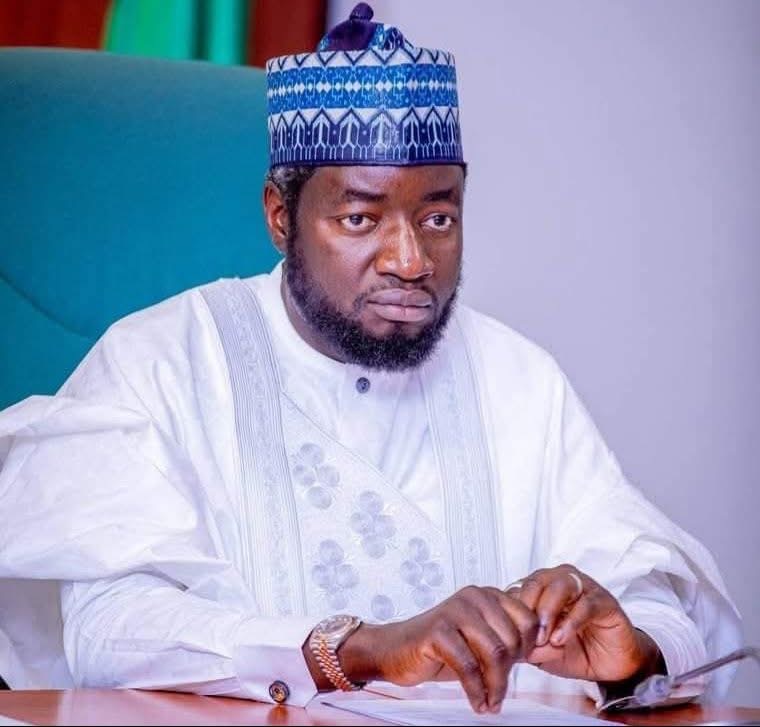
A major political development has emerged in the Pankshin/Kanke/Kanam (PKK) Federal Constituency as Dr. Tongshinen Gozhak secured a decisive victory in the All Progressives Congress (APC) House of Representatives primaries, defeating the incumbent lawmaker, Yusuf Adamu Gagdi. The outcome of the exercise marks a significant shift in the political landscape ahead of the next electoral contest in the constituency.
Dr. John Tongshinen Gozhak emerged victorious after polling an impressive 29,968 votes in the primaries, while the sitting representative, Yusuf Adamu Gagdi, recorded 5,849 votes. The results announced by the returning officer showed a wide margin of victory, with Gozhak defeating the incumbent by 24,119 votes, underscoring strong support from party delegates and stakeholders across the constituency.
The primary election attracted widespread attention within Plateau State political circles, considering Gagdi’s position as the current representative of the PKK constituency and his influence within the region. However, the outcome reflects a new direction within the APC structure in the constituency as party members opted for a change in representation ahead of the general elections.

Political observers believe the victory positions Dr. Tongshinen Gozhak as a key figure to watch in the coming political season, as attention now shifts toward the next phase of the electoral process. The APC primaries in PKK are expected to shape future political conversations and strategies across Pankshin, Kanke, and Kanam local government areas.





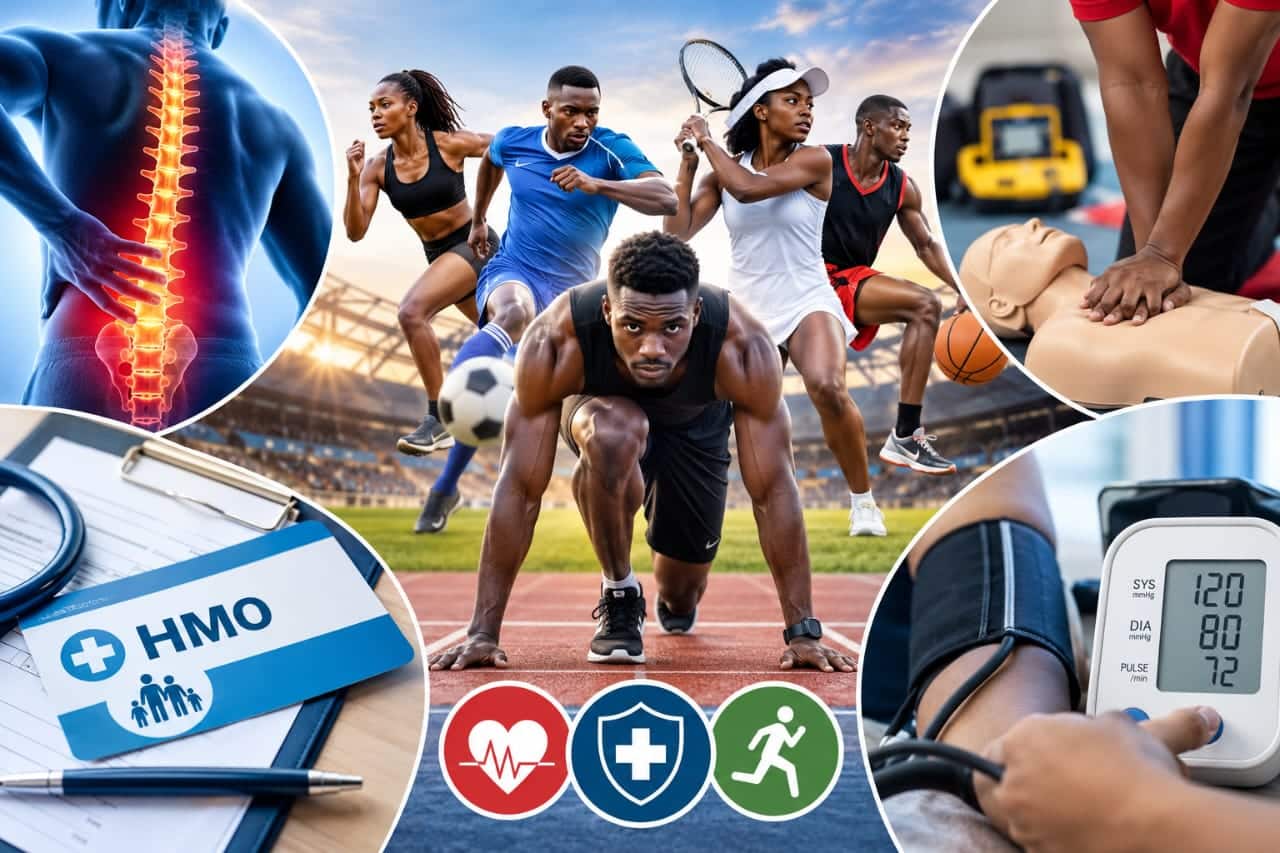
Being physically fit is an important part of being an athlete, but looking fit does not always mean that everything is fine with your health. Athletes, coaches, sports administrators, and everyone involved in sporting activities need to pay close attention to health and safety both on and off the field.
From protecting the spine and learning life-saving CPR, to having adequate HMO or health insurance coverage and regularly checking your blood pressure, proper health awareness should be considered an important part of sports preparation.
Read Also: In Good Shape: Cholera And Sports, Staying Safe – By Dr Kolade Kolapo | Sports247 Nigeria
Spine Pain: Don’t Ignore The Warning Signs
Back and spine pain can affect athletes in almost every sport. Running, jumping, tackling, lifting weights, sudden twisting movements and repeated physical stress can place significant strain on the back.
Poor posture, incorrect training techniques, overtraining and injuries can also contribute to neck, middle-back and lower-back pain.
Athletes should pay attention to persistent pain, stiffness, weakness, numbness or pain that travels into an arm or leg. These symptoms should not simply be ignored or repeatedly covered up with pain medication.
Proper warm-ups, good technique, adequate recovery, appropriate strength and conditioning, and early assessment of injuries can help athletes protect their backs and continue participating safely.
CPR: A Skill That Can Save A Life
Cardiopulmonary resuscitation (CPR) is an emergency procedure that can help keep blood circulating when someone is unresponsive and not breathing normally.
A medical emergency can happen anywhere — during training, in a stadium, at the gym or even away from sport. Athletes, coaches and other team personnel should therefore be encouraged to receive recognised CPR and first-aid training.
When someone suddenly collapses and is unresponsive and not breathing normally, emergency medical assistance should be called immediately. CPR should be started when appropriate, and an Automated External Defibrillator (AED) should be used as soon as one is available.
Every sports facility should have a clear emergency action plan. Team members should know where the AED and first-aid equipment are located and who is responsible for responding during an emergency.
Knowing CPR is not just a useful sporting skill — it is a life skill.
Every Sports Team Needs HMO And Health Coverage
Injuries and medical emergencies can happen unexpectedly. Treatment may involve hospital care, diagnostic tests, medication, physiotherapy, specialist consultation or rehabilitation.
This makes HMO and health insurance coverage an important consideration for athletes and sports organisations.
Athletes should know whether they are covered, what their health plan provides, which hospitals and healthcare facilities they can use, and what procedure to follow when they require emergency or routine medical treatment.
Teams should also ensure that athletes understand their health benefits instead of waiting until an injury occurs before asking questions about medical coverage.
Having access to healthcare can help athletes receive appropriate assessment and treatment when it is needed.
Know Your Numbers: Check Your Blood Pressure Regularly
You may be strong. You may be fast. You may train every day. But do you know your blood pressure numbers?
Blood pressure is an important health measurement, including for physically active people.
It is recorded using two numbers: the systolic pressure, which is the upper number, and the diastolic pressure, which is the lower number.
Athletes should consider blood-pressure checks as part of appropriate routine health monitoring. A single unusual reading does not necessarily mean that someone has hypertension because exercise, stress, caffeine and other factors can temporarily affect blood pressure.
For a more useful measurement, blood pressure should be checked correctly while rested, and unusual readings should be repeated and discussed with a qualified healthcare professional.
Don’t wait until you feel sick before paying attention to your health.
Know your body. Know your blood pressure. Know your numbers.
Health Is Part Of Performance
Sports should not only be about trophies, medals and winning competitions. Protecting the health and lives of athletes must remain a priority.
Athletes need to understand their bodies and recognise when something is wrong. Coaches and sports organisations also have an important responsibility to promote safe training environments, emergency preparedness and access to appropriate healthcare.
The message is simple: Protect your spine. Learn CPR. Know where the AED is. Understand your HMO and health coverage. Check your blood pressure regularly. Know your numbers.
Because before an athlete can perform at their best, they must first take care of their health.
For enquires/Consultation
Call: Dr Kolade Kolapo
+234-7032088130
Business
WAICA, Posterity Thinkers and Blue Alliance Launch Sustainability Training Masterclass for Member Insurers
-

 News3 days ago
Nigeria Takes on the World! Chess Stars Begin 2026 Olympiad Battle in Samarkand
-
News3 days ago
Al Gore has a surprisingly calm take on the AI data center backlash
-
News3 days ago
Anambra govt releases records of alleged unpaid debts by Peter Obi during tenure as governor
-
Health4 days ago
11 African countries record 1,153 mpox cases in six weeks