Health
UNFPA partners Lagos, GoMed to expand reproductive health services for Nigerian students


The United Nations Population Fund (UNFPA), the Lagos State government and GoMed Nigeria, a digital health platform, have launched a digital self-care initiative to improve access to reproductive health services for students.
According to a press release on Wednesday, the initiative will initially serve students of the University of Lagos (UNILAG), providing access to free contraceptives and other sexual and reproductive health commodities.
The partners noted that the platform is aimed at addressing barriers such as cost, distance, stigma, misinformation and concerns about confidentiality, which often prevent young people from accessing reproductive health services.
According to them, these barriers contribute to unintended pregnancies, unsafe abortions, sexually transmitted infections and disruptions to education among young people.
A 2025 study titled: Factors Associated with Sexual and Reproductive Health Services Utilisation Among Female Students in a Nigerian Tertiary Institution, published in the African Journal of Stability and Development, also found that the utilisation of sexual and reproductive health services among female students remained low due to structural and behavioural factors, including stigma, financial constraints, long waiting times and concerns about confidentiality

What the platform offers
Through the platform, GoMed noted that students will receive free contraceptives and other sexual and reproductive health commodities provided by the Lagos State Ministry of Health and UNFPA.
They will also have access to discounted health products and discreet delivery to campuses and student hostels.
Students can also access sexual and reproductive health information through UNFPA’s SoftLife 247 and U-Plan platforms.
Through U-Plan, they can chat with qualified family planning service providers for accurate information and support, while GoMed’s registered pharmacists will provide confidential guidance on medicines and other health products.
The partners said the initiative supports UNFPA’s efforts to address the unmet need for family planning among young people by improving access to reproductive health commodities and information.
They added that it also aligns with the Lagos State government’s efforts to reduce unintended pregnancies and sexually transmitted infections among young people while expanding access to youth-friendly health services.
More details
Speaking at the launch, the Chief Executive Officer of GoMed Nigeria, Anthony Edeki, said the platform was designed to bring trusted healthcare closer to students while protecting their privacy.
“Students should be able to get reliable health information and essential products without cost, distance or fear of judgement becoming barriers. This platform brings free sexual and reproductive health commodities, other affordable health products and professional guidance together, with discreet delivery directly to students on campus,” Mr Edeki said.
ALSO READ: 1 million more midwives needed to save 4 million lives yearly – UNFPA
The UNFPA Resident Representative in Nigeria, Muriel Mafico, said the partnership would help improve access to life-saving reproductive health information and commodities.
“As the UN agency mandated for Sexual and Reproductive Health and Rights, we are committed to reducing preventable maternal deaths and addressing the unmet need for family planning, including by providing and overseeing access to life-saving commodities worldwide,” Ms Mafico said.
“Working alongside our partners, we’re helping roll out the digital Self-Care Platform so that vital, life-changing information can reach more people, more easily.
“Together, we want to empower Nigeria’s next generation to make informed health choices and achieve stronger health outcomes and a brighter future.”
Discover more from Premium Times Nigeria
Subscribe to get the latest posts sent to your email.



State government-owned hospitals in Kwara State are introducing electronic medical records (EMR) to strengthen health information management and modernise public healthcare delivery in the state.
The Executive Secretary of the KW-HMB, Abdulraheem Malik, disclosed this to PREMIUM TIMES in Ilorin, the state capital.
He said the initiative, being implemented through KW-HMB under the HOPE-PHC Project, will see healthcare workers begin training on the system in November.
The digital healthcare programme is expected to reduce reliance on paper-based medical records, improve access to patients’ medical histories and promote continuity of care across public hospitals in the state.
The system is also designed to strengthen administrative efficiency and support evidence-based decision-making in hospital management.
The rollout builds on an earlier hospital digitalisation pilot involving six hospitals and the state government’s ongoing efforts to integrate digital solutions into healthcare service delivery.

The initiative also complements the board’s efforts to strengthen health information management, including the inauguration of its Data Management Committee in August 2026.
The KW-HMB boss, Mr Malik, commended Governor AbdulRahman AbdulRazaq for approving the initiative, describing it as an important milestone in the state’s drive towards a more efficient, accountable and technology-driven public healthcare system.
READ ALSO: 30 children rescued from illegal orphanage in Kwara
Mr Malik said the adoption of electronic medical records would strengthen hospital operations, improve patient information management and support more efficient clinical encounters across the state.
He reaffirmed the board’s commitment to working with relevant stakeholders to ensure the successful implementation of the programme and deliver more responsive, efficient and patient-centred healthcare services to residents.
The staff training scheduled for November is expected to equip healthcare personnel with the skills required to operate the system effectively.
When fully implemented, the initiative is expected to improve the management of patients’ health information and support better coordination of care across Kwara State’s public hospitals.
Discover more from Premium Times Nigeria
Subscribe to get the latest posts sent to your email.
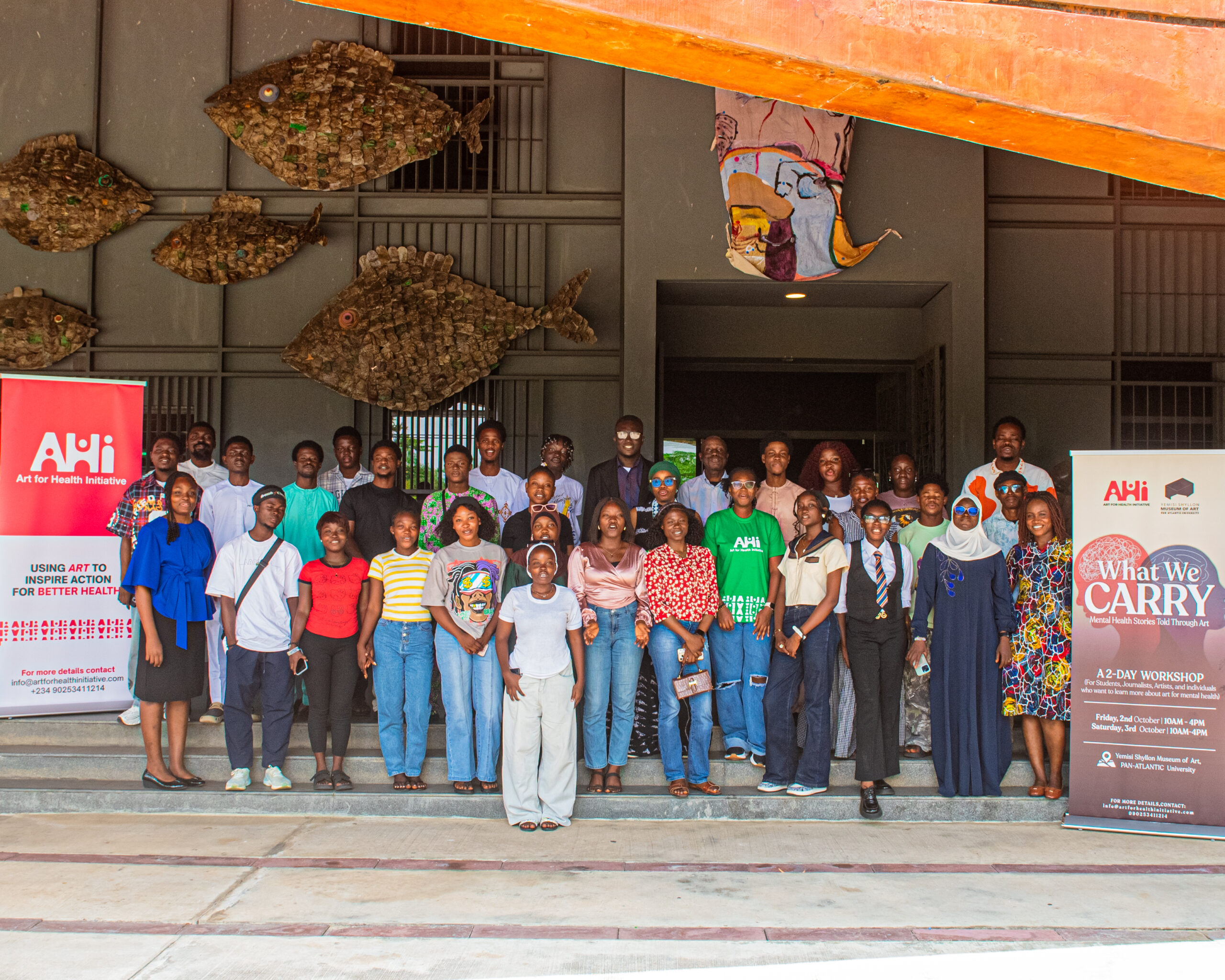
Twenty-five art students of the Yaba College of Technology (Yabatech), Lagos State, have explored mental health and emotional well-being through art in a workshop aimed at encouraging conversations around mental health.
The two-day Health Story Lab, organised by the Yemisi Shyllon Museum of Art (YSMA), Pan-Atlantic University, in collaboration with the Art for Health Initiative (AHI), was held on 2 and 3 October in Lagos.
The programme, titled “What We Carry: Stories of Mental Health and Resilience”, brought together art, public health, mental health and storytelling to help the students explore how creative expression can be used to communicate experiences that may be difficult to discuss openly.
The workshop was held ahead of World Mental Health Day (WMHD), marked annually on 10 October.
Using art to discuss mental health
The students participated in sessions on public health and art, mental health and resilience, creative expression and art for social change.
According to the organisers, the discussions gave the students an opportunity to reflect on issues such as stress, uncertainty, social pressure, family expectations, grief, fear and hope.

The students subsequently developed creative concepts and received feedback from facilitators and their peers.
The students also examined the role of art in health communication during a session led by Olayinka Badmus, a public health strategist. The session explored how creative expression can communicate public health issues and make health conversations more accessible.
Another session, led by psychiatrist and psychotherapist Emmanuel Abayomi, focused on mental health and resilience, while Art Project Lead Temitope Oladeji guided students to express their experiences and emotions through art. The programme also included a museum tour focused on art for social change, led by a museum educator, Charles Udeh.
Solomon Nkwagu, Head of Corporate Communication and Visitors’ Services at YSMA, said the programme showed the potential of art to encourage conversations around public and mental health.
“They began to see the possibility of using their creative voices to start conversations around public and mental health, to tell stories that people can recognise themselves in, and perhaps even to create moments of reflection and healing for others. That shift in perspective was one of the most rewarding parts of the programme,” Mr Nkwagu said.
In her remarks, Chidera Aneke, Founder of AHI, said the initiative was designed to make health communication more participatory, culturally relevant and emotionally engaging.
Ms Aneke said health information could be communicated not only through statistics and clinical information but also through stories, images, symbols, emotions and lived experiences.
“We wanted to create a space where young artists could understand that health is not only communicated through statistics, campaigns or clinical information. It can also be communicated through stories, images, symbols, emotions and lived experiences,” she said.
“Working with the students showed us the possibilities that emerge when artists are given the knowledge, language and space to think about health through their own creative practice.”
Mental health burden
Mental health remains a significant public health concern in Nigeria.
A 2026 systematic review and meta-analysis of 53 studies involving more than 132,000 people estimated that 7.9 per cent of the general population had experienced suicidal thoughts, while 1.9 per cent had made suicidal plans and 1.3 per cent had attempted suicide.

The researchers said suicidal behaviour was more common among some groups, including adolescents, young people, and pregnant women.
This year’s World Mental Health Day theme is “Lived experiences heard: real voices, real change.”
The World Health Organisation (WHO) is calling for people who have experienced mental health conditions to have a meaningful role in shaping policies, services and decisions that affect them.
“World Mental Health Day is an opportunity to meaningfully engage with people with lived experience (PWLE) of mental health conditions and to recognise their knowledge as a vital form of expertise,” it noted.
READ ALSO: PT Health Watch: Why some pregnant women develop gestational diabetes
“This year’s campaign calls for their voices to shape the policies, services and decisions that affect their lives.”
From workshop to exhibition
The Yabatech students will develop artworks based on the issues explored during the workshop.
The works are expected to form a micro-exhibition in Lagos in November, giving members of the public an opportunity to engage with mental health and resilience through the perspectives of young artists.
The organisers said the initiative is intended to demonstrate how partnerships between the creative sector, museums and public health practitioners can create new ways of discussing mental health.
Discover more from Premium Times Nigeria
Subscribe to get the latest posts sent to your email.
-

 Business3 days ago
Communications Ministry made ₦345.5 million duplicate payment for Abuja ICT Park project
-
Business3 days ago
Fuel subsidy would cost Nigeria over N20trn yearly — Minister
-
News3 days ago
LumenUs helps automate tedious paperwork in times of grief
-
News2 days ago
Inside INEC’s AI and cybersecurity plans to secure Nigeria’s 2027 Elections – Technology Times