Education
Plateau State University Breaks New Ground with Career Guidance Initiative


In a landmark move to support students in their academic and career journeys, Plateau State University (PLASU), Bokkos, has launched a cutting-edge guidance and counseling initiative. This makes PLASU one of the first ten universities in Nigeria to establish a fully-funded career service center, thanks to support from the Tertiary Education Trust Fund (TETFund).
The initiative was officially launched on November 29, 2024, by the Acting Vice Chancellor, Prof. Shedrack Best, during a pivotal workshop aimed at equipping university officials with the skills to guide and counsel students effectively. This three-day workshop, held from November 27-29, marked a major milestone following the center’s establishment in March and subsequent funding by TETFund as part of its 2024 allocation to tertiary institutions.
Speaking at the event, Prof. Best outlined the university’s vision to prepare students and staff for meaningful careers that align with national development goals.
“This initiative is designed to develop the university community, starting from principal organs of the university to the major administrators and ultimately the students,” he stated. “Our goal is to prepare graduates for fruitful careers and equip them to contribute to the nation’s development in diverse ways.”
The Acting Vice Chancellor highlighted that the career service centre will be a hub for fostering student development, enabling them to make informed decisions about their future and thrive in a competitive global environment.
Dr. Anna Fakah, Head of the Career Service Center, provided insights into the centre’s role, including career guidance, employment counselling, and skill-matching services.
“We aim to enable students and alumni to make informed career choices, secure meaningful employment, and contribute to national and global development,” Dr. Fakah explained.
The centre’s comprehensive approach includes workshops, counselling sessions, and partnerships with employers to create opportunities for students and alumni.


The workshop featured presentations from prominent speakers, including the keynote by Prof. Grace Momoh, on the theme “The Roles of Career Guidance and Counseling in Fostering Various Career Alternatives.” The sessions underscored the importance of career services in bridging the gap between education and employment while equipping students to navigate a rapidly evolving job market.
This workshop is the first in a series of three planned by the career service centre this year. Through these efforts, Plateau State University is setting a precedent for other institutions, demonstrating how targeted career guidance can transform the futures of students while contributing to national development.
The launch of this initiative cements PLASU’s commitment to empowering its community with the tools and knowledge needed for success in academics, careers, and beyond.


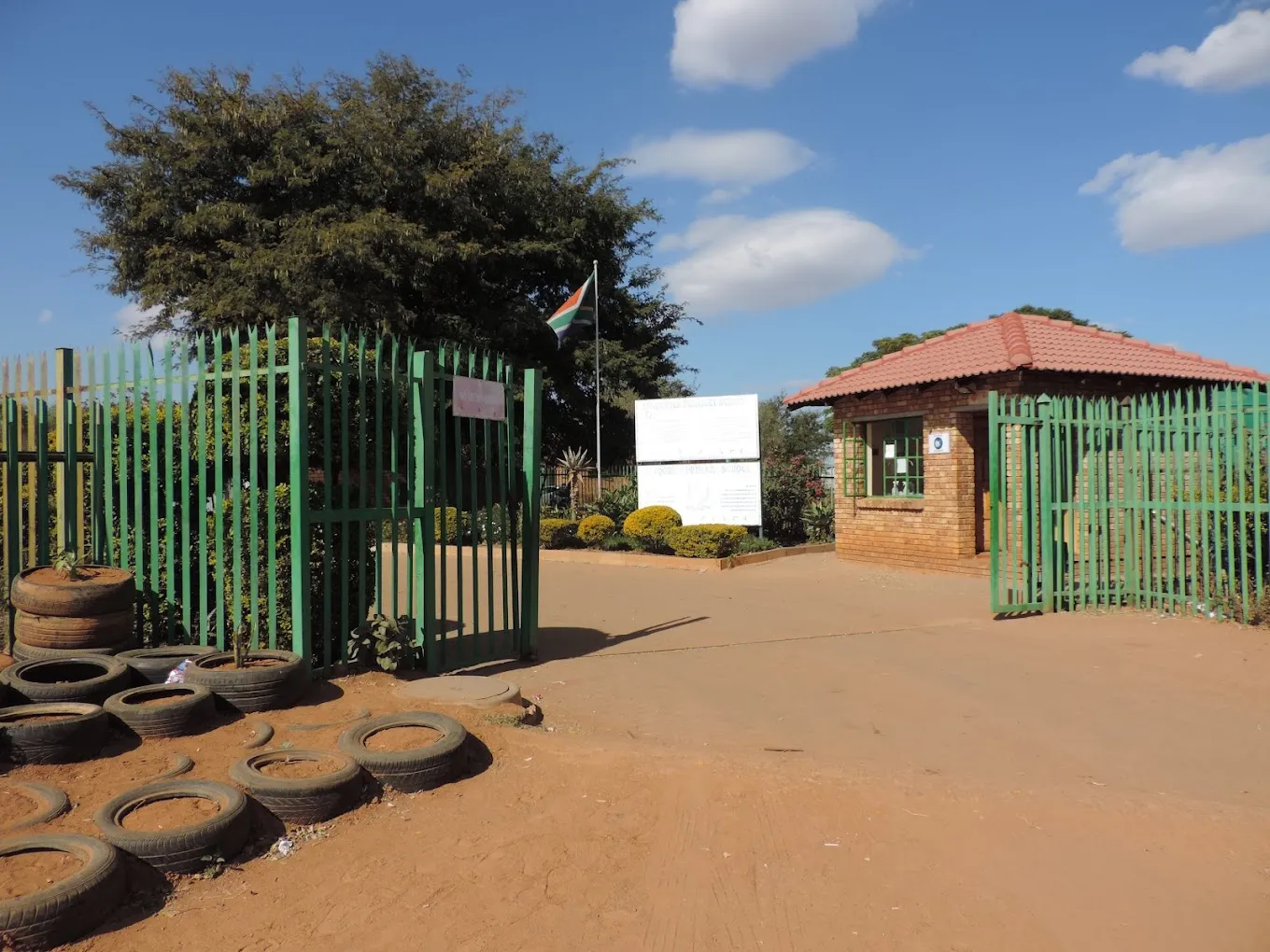
An 11-year-old pupil at Sinqobile Primary School in Soshanguve, South Africa, was allegedly dragged into a school toilet and forcibly circumcised by four older students during break time.
The Grade 5 pupil was reportedly attacked by four Grade 7 students, who allegedly pinned him down before one of them used a sharp blade to remove his foreskin.
The boy was also allegedly threatened with violence if he disclosed the incident to anyone.
According to his mother, the child returned home after the incident but initially refused to tell her what had happened. She later noticed that he was walking unusually and, days later, discovered that he was in severe pain.
The mother said her son eventually showed her his swollen private parts, prompting her to rush him to a doctor.
“He then showed me his swollen private parts and I rushed him to the doctor and it was then that we learned four pupils had circumcised him,” she said.

She said her son told her that the older boys had attacked him in the school toilets during break and threatened to beat him if he told anyone.
The mother subsequently opened a criminal case and refused to allow her son to return to school. Police later persuaded the boy to attend an identity parade, where he reportedly helped identify the four students.
South African Police Service spokesperson, Captain Tintswalo Sibeko, confirmed that a case of assault with intent to cause grievous bodily harm was being investigated.
“Our Family Violence, Child Protection and Sexual Offences Unit are investigating and no arrests have been made at this stage,” Sibeko said.
The Gauteng Department of Education also confirmed that the matter was under police investigation, while saying the school had not reported any similar circumcision attacks.
Deputy Principal George Mahlungu said the school was shocked by the incident.
“We are perplexed by what happened. This school is a place where a child should be safe,” he said.
The school has about 2,050 pupils between the ages of seven and 15.
A doctor who examined the boy reportedly said the procedure appeared to have been carried out in a manner similar to traditional tribal initiation practices. However, the doctor said a full diagnosis could not be made until the swelling subsided.
The boy’s mother said her son had become traumatised by the incident and was afraid to return to school.
Police investigations are ongoing, and no arrests had been made as of the latest report.
-

 News3 days ago
PLASU Opens Doors to Global Investors at 2nd Inaugural Lecture
-
Health2 days ago
Plateau: Medical Women Association of Nigeria Marks Older Persons Day with Free Outreach
-
News3 days ago
Nigeria At 66: Rotjimwa Yilyok Salutes President Tinubu, APC Leadership and Plateau Government
-
News3 days ago
Plateau Specialist Hospital Celebrates Nigeria at 66, Salutes Mutfwang’s Health Initiatives