Business
Plateau State Inducts NG-CARES Staff Into Civil Service, Emphasizes Performance-Driven Governance


The Plateau State Government, in collaboration with the World Bank under the Nigeria Community Action for Resilience and Economic Stimulus (NG-CARES) programme, has commenced a two-day orientation and induction workshop for newly absorbed NG-CARES staff into the state civil service.
The workshop, organised by the Plateau State CARES Coordinating Unit (PL-SCCU), is holding from Wednesday, June 10 to Thursday, June 11, 2026, at the Millennium International Conference Centre, opposite Solomon Lar Amusement Park, Jos.
The programme, which also featured participants drawn from various backgrounds, is aimed at integrating contract staff into the formal civil service structure while strengthening their understanding of public service rules, ethics, and performance expectations.

Speaking during the opening session, the State Coordinator of NG-CARES, Dr. Haggai Gutap, said the absorption of staff into the civil service was a deliberate policy by the state government to retain trained human capital and avoid the recurrent loss of skilled personnel after programme cycles.
He explained that previous World Bank-supported interventions often relied on contract staff who were disengaged after project completion, leading to the loss of institutional capacity. According to him, the current approach ensures sustainability and continuity in governance.
“This set of people have been trained over the years, and letting them go would mean incurring losses as a state. The Governor believes in human capital development and has approved their absorption to retain their expertise,” he said.
Dr. Gutap further noted that the NG-CARES programme operates on a results-based financing model, where disbursements from the World Bank are tied strictly to performance outcomes, stressing the need for efficiency, teamwork, and adherence to operational guidelines.
He added that the state is transitioning into NG-CARES 2.0, aimed at consolidating achievements and maintaining Plateau State’s leading position in programme implementation nationwide.

Delivering the keynote address, the Chairman of the Plateau State Civil Service Commission, Prof. Paul S. Wai, described the induction as a significant milestone, noting that absorption into the civil service goes beyond employment to becoming part of a structured system guided by rules, values, and institutional traditions.
He urged the new officers to uphold professionalism, integrity, accountability, loyalty, and discipline, stressing that ignorance of civil service regulations is not an excuse for non-compliance.
“The Civil Service remains the permanent machinery of government. Your success depends on your competence, dedication, and adherence to established rules and procedures,” he said.
Prof. Wai further encouraged continuous learning, merit-based progression, and result-oriented performance, noting that government expects improved service delivery and innovation from civil servants.
He also commended the administration of Governor Barr. Caleb Manasseh Mutfwang for its commitment to building a professional, technology-driven civil service and for absorbing qualified NG-CARES personnel into the system.

In a goodwill message, the representative of the Head of Civil Service and Permanent Secretary, Ministry of Women Affairs and Social Development, Mrs. Rebecca Shaset, described the initiative as timely, noting that the civil service is governed strictly by rules and procedures.
She urged the newly inducted staff to demonstrate accountability, competence, dedication, and commitment to duty in order to build public confidence in government institutions.
“As civil servants, you must comply with the rules and show dedication to effectively deliver services to the public,” she said.
Also speaking, Mrs. Gladys Lircit Sodo, Deputy Director (Administration), Plateau State Ministry of Finance, who represented the Commissioner for Finance and Chairperson of the State Steering Committee on NG-CARES, encouraged participants to engage actively in the training, share experiences, and prepare for effective programme implementation.
She commended the organisers for equipping the new staff with the necessary orientation, describing NG-CARES as a critical intervention programme requiring commitment and readiness for impact-driven delivery.
The workshop, supported by the World Bank through World Bank and implemented under the NG-CARES framework, is expected to strengthen institutional capacity and enhance service delivery in Plateau State’s public service system.






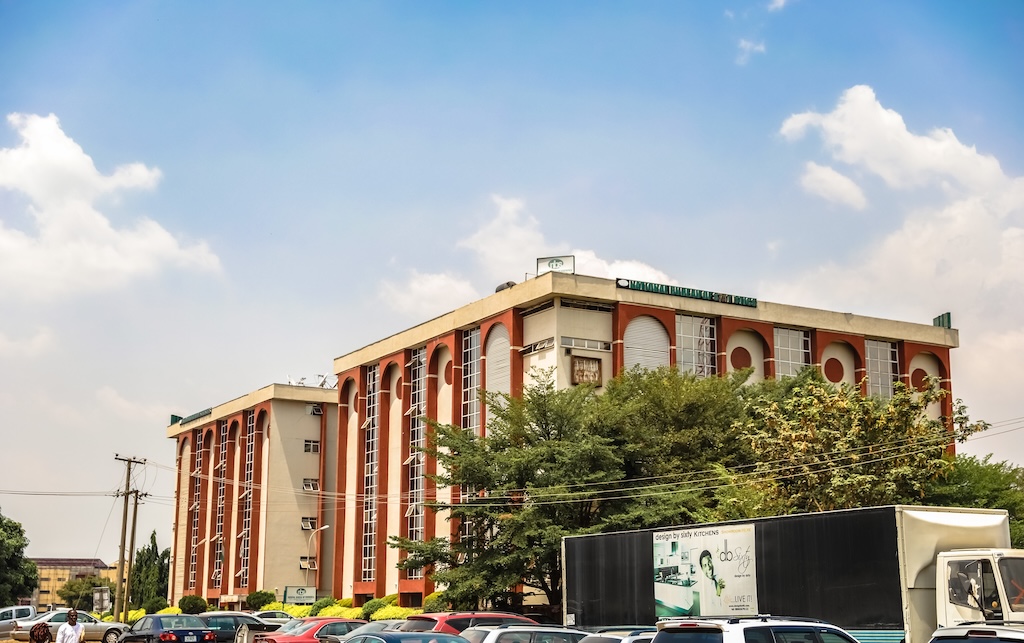
Nigeria’s headline inflation rate edged down to 14.63 per cent in September, from 15.39 per cent a month earlier, official data from the National Bureau of Statistics showed on Thursday, as the pace of increase in price levels continues to slow in Africa’s most populous country.
The development extends the downward trend in annual consumer inflation recorded in recent months, with inflation dropping marginally to 15.39 per cent in August from 15.43 per cent in July.
Food inflation stood at 19.59 per cent year-on-year in September, slightly higher than the 19.57 per cent recorded in August, but lower than the 20.16 per cent reported in September 2025.
Food accounts for a substantial share of household expenditure, particularly among lower-income households.
Core inflation, which excludes volatile items like agricultural produce and energy prices, stood at 12.95 per cent year-on-year in September, down from 13.29 per cent in August and 22.11 per cent in September 2025.
The annual figure indicates a continued slowdown in price increases outside the more volatile food and energy components.


The divergence between the annual and monthly figures suggests that, although underlying inflation has moderated considerably over the past year, some price pressures persisted during September.
Despite the slowdown in inflationary pressures, Nigeria continues to face a cost-of-living crisis, principally on account of elevated food prices and energy costs, which have hammered the disposable income of many households.
The drop in living standards has been fuelled by tough economic reforms introduced by the current administration, including the removal of fuel subsidies, devaluation of the naira and a prolonged hawkish monetary policy stance.
The statistics office’s data also reflected differences between inflation in urban and rural areas.
READ ALSO: CBN restates single-digit inflation target as FG woos investors with tax credits
Urban inflation stood at 15.64 per cent year-on-year in September, down from 20.63 per cent in the corresponding month of 2025. Rural inflation was lower at 12.46 per cent year-on-year, compared with 21.06 per cent in September 2025.
What the figures mean
The September data point to a further slowdown in Nigeria’s inflation rate, with annual headline inflation falling for another month.
A fall in annual inflation means that prices are rising more slowly than they did over the corresponding period a year earlier. A negative monthly rate, such as the September food inflation figure, means that average prices in the measured basket declined compared with the previous month.
With annual food inflation still at 19.59 per cent, the September figures show that the pace of food price increases has moderated over the past year, while the average cost of food remains higher than it was a year ago.
Discover more from Premium Times Nigeria
Subscribe to get the latest posts sent to your email.
-

 News3 days ago
Meta releases its first frontier model, Muse Wonder
-
News4 days ago
EuroMatch NPFL: ‘We Never Gave Up!’ — Fidelis Ilechukwu Hails Rangers’ Fighting Spirit, Reacts to Two Penalties Against Barau FC
-
Health4 days ago
Kwara public hospitals introduce digital medical records
-
News4 days ago
Will the HomeView be Apple’s first smart home success?