News
Plateau State Governor Joins Nigerian Governors at UNDP-NGF Executive Leadership Retreat in Kigali


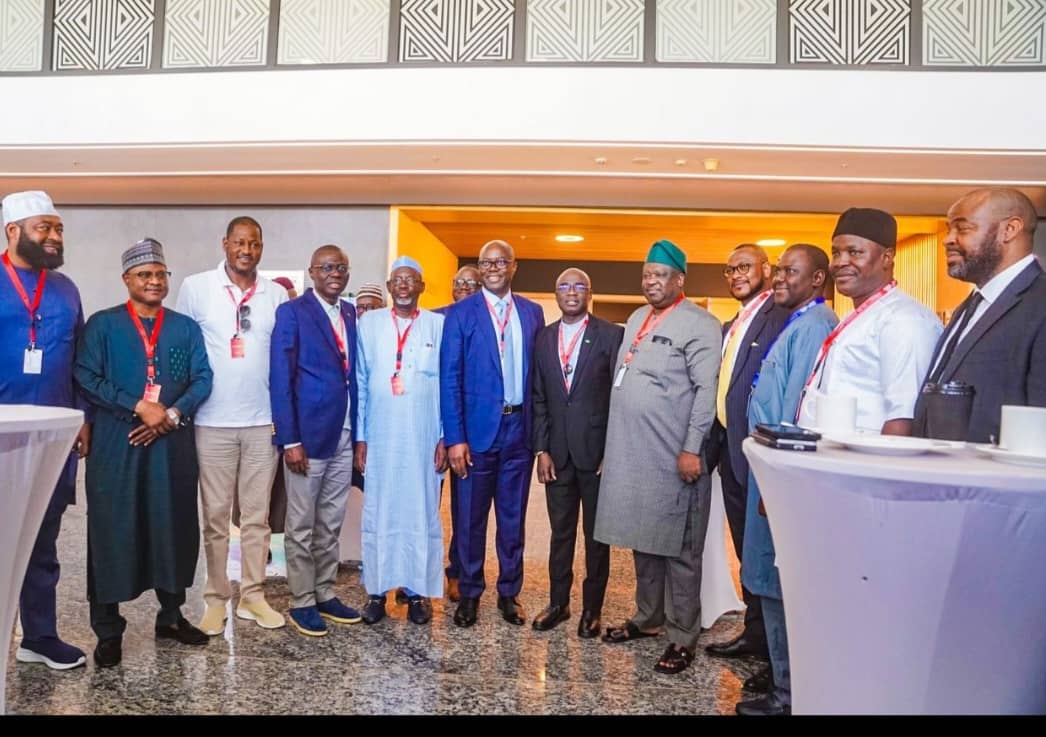
In a bid to strengthen governance structures and bolster leadership effectiveness at the sub-national level, Plateau State Governor, Barr. Caleb Manasseh Mutfwang, has joined fellow Nigerian governors at the ongoing Executive Leadership Retreat. The event is jointly organized by the Nigerian Governors’ Forum (NGF) and the United Nations Development Programme (UNDP) and is taking place in Kigali, Rwanda.
The primary objective of the retreat is to provide a platform for governors to engage in strategic discussions aimed at enhancing the efficiency and impact of leadership within Nigeria’s states. Governor Mutfwang, known for his unwavering commitment to value-driven governance in the interest of Plateau State, is enthusiastic about the potential of the leadership methodologies under consideration during the retreat. He believes these innovative approaches could pave the way for transforming challenges faced by both Plateau State and the broader Nigerian context into opportunities for growth and development.
Under the theme “Rethinking Leadership and Leading Systems,” the retreat encompasses a diverse array of sub-themes, including an exploration of the future trajectory of Nigeria under the theme “Reimagining Nigeria: Exploring the Future of the Nation.” The agenda also features a moderated dialogue focusing on contemporary leadership within an ever-evolving global landscape.
The collaborative initiative between the NGF and UNDP marks a significant stride towards elevating governance standards and fostering progressive leadership within Nigeria. As the retreat continues to unfold, governors from across the nation are expected to exchange insights, share best practices, and collectively chart a course towards a more prosperous future for their respective states and the entire nation.

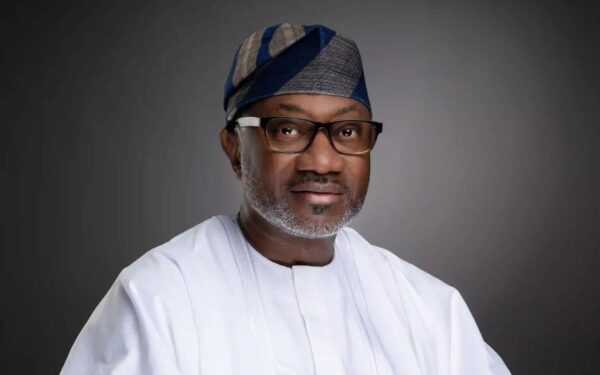
Femi Otedola, the chairman of First HoldCo Plc, has revealed that he shared a bunk bed with Lagos State Deputy Governor Obafemi Hamzat during their boarding school days 49 years ago.
Mr Otedola disclosed this in a post on X after hosting a dinner in honour of his longtime schoolmate, Mr Hamzat, attended by Aliko Dangote, the president of Dangote Group, and Abdulsamad Rabiu, the chairman of BUA Group.
The business tycoon said Mr Hamzat’s character has been defined over the years by honesty, sincerity, fairness, and strong moral principles.
“Yesterday, I hosted dinner in honour of @DrObafemiHamzat, the incoming Governor of Lagos State,” Mr Otedola said.
“A man of the highest integrity, with whom I shared a bunk bed at boarding school 49 years ago,” he added.
Mr Otedola stated that his longstanding relationship with Mr Hamzat has given him insight into the deputy governor’s character and values.


“My experience of his character over the years has been defined by his honesty, sincerity, fairness and strong moral principles,” Mr Otedola said.
READ ALSO: Tinubu’s reforms have put Nigerian economy on path of sustainable growth – Otedola
He, however, did not disclose the name of the boarding school he attended with the Lagos State deputy governor.
The billionaire investor has interests in financial services and oil & gas. He holds about 27.7 per cent of First HoldCo’s shares, following months of steadily increasing his stake in the banking group.
Mr Hamzat is seeking to contest the 2027 governorship election in Lagos State on the platform of the All Progressives Congress (APC), and has served as deputy governor under incumbent Governor Babajide Sanwo-Olu since 2019.
He emerged as the APC governorship candidate in May 2026.
Mr Hamzat served as Lagos State Commissioner for Science and Technology and later as Commissioner for Works and Infrastructure from 2005 to 2015.
Discover more from Premium Times Nigeria
Subscribe to get the latest posts sent to your email.

-
News2 days ago
NUCAP: Nigeria targets 20 million people with 3,700 telecom towers – Technology Times
-

 News3 days ago
Gunmen storm Plateau mining site, kill two persons
-
News3 days ago
Nigeria needs stronger collaboration ‘to shape internet governance’ – Technology Times
-
News1 day ago
Euromatch NPFL: Matchday 9 results