Business
Airport operations will continue amid aviation unions’ strike

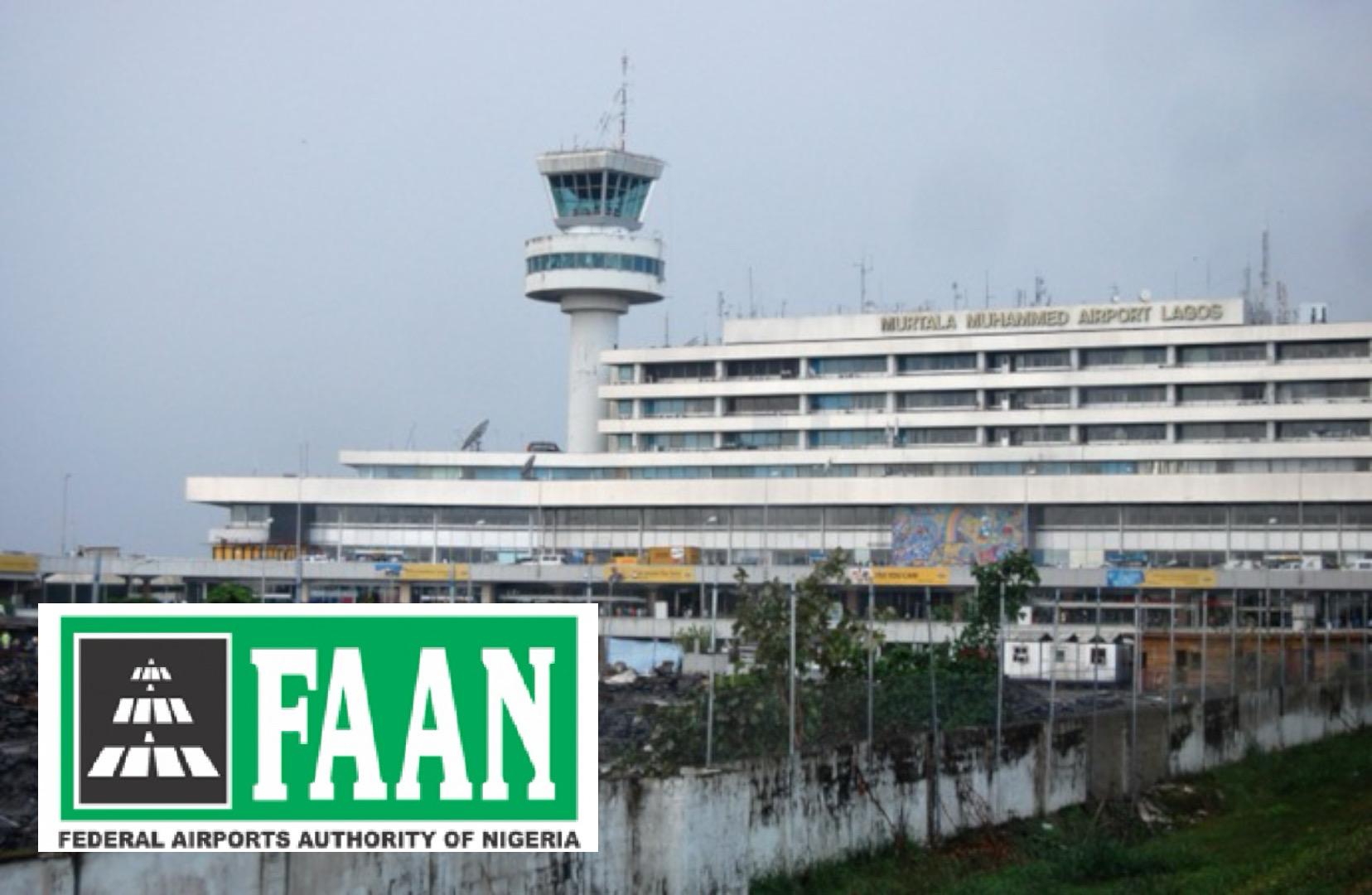

The Federal Airports Authority of Nigeria (FAAN) has assured passengers that airport operations will continue despite the ongoing industrial action by aviation unions.
FAAN, in a statement issued on Tuesday, said it was working with aviation agencies, airlines, security agencies and other stakeholders to minimise the impact of the industrial action and ensure that airport operations were not disrupted.
The authority said it was closely monitoring developments and remained committed to maintaining safe, secure and orderly operations at Nigeria’s airports.
The assurance comes after the industrial action disrupted flight operations earlier on Tuesday, with some airlines suspending or rescheduling services following restrictions on access to airport terminals in Lagos and Abuja.
Air Peace, Enugu Air, and United Nigeria Airlines announced operational disruptions, affecting some passengers with flights suspended or rescheduled.

The action followed grievances by aviation unions over the alleged restriction of workers’ freedom to unionise and the alleged non-remittance of the five per cent Ticket Sales Charge (TSC) collected from passengers.
The unions include the National Union of Air Transport Employees, Air Transport Services Senior Staff Association of Nigeria, and the National Association of Aircraft Pilots and Engineers, with the Nigeria Labour Congress and the Trade Union Congress backing the action.
PREMIUM TIMES earlier reported that the Nigeria Civil Aviation Authority (NCAA) Director-General, Chris Najomo, urged the unions to suspend the industrial action pending the return of the Minister of Aviation and Aerospace Development, Festus Keyamo, who the regulator said was working to resolve the dispute.
The NCAA appealed to all parties to embrace dialogue and cooperation, expressing confidence that the matter would be resolved and that normal flight operations would be restored as soon as practicable. The regulator also assured passengers that flight safety had not been compromised and that it continued to discharge its statutory safety oversight responsibilities.
FAAN moves to minimise disruption
FAAN said it recognised the legitimate role of organised labour and supported efforts by Mr Keyamo and other stakeholders towards an amicable resolution of the dispute.
“In the interim, FAAN is working closely with the relevant aviation agencies, airlines, security agencies and other stakeholders to minimise the impact of the industrial action and ensure that airport operations are not disrupted,” the authority said.
The authority also said earlier operational challenges affecting the movement of some flights within the airside environment had been addressed through ongoing inter-agency coordination.
It said measures were being sustained to support the orderly continuation of flight operations.
“FAAN remains committed to ensuring that Nigeria’s airports remain safe, secure, functional and accessible to passengers and other airport users,” it said.
FAAN advised passengers to remain calm and maintain contact with their respective airlines for real-time information about their flights.
READ ALSO: Passengers stranded as airlines suspend, reschedule flights amid aviation unions’ strike
The authority said it remained confident that ongoing engagements under the minister’s leadership would lead to a speedy and mutually acceptable resolution of the dispute.
It also appreciated passengers for their understanding and patience amid the disruption.
The latest assurance comes as airlines continue to adjust their operations in response to the industrial action, with passengers advised to confirm their flight status with their respective airlines before travelling to the airport.
FAAN said its priority remained maintaining safe, secure and functional airports while efforts to resolve the dispute between the unions, airlines and government continue.
Discover more from Premium Times Nigeria
Subscribe to get the latest posts sent to your email.








The Federal Government has welcomed GIG Mobility Group’s (GIGM) expansion into digital mobility services, urging the company to prioritise reliable service delivery as it moves beyond interstate transportation into travel booking and premium vehicle hire.
The government said digital mobility solutions must not only simplify travel arrangements but also guarantee dependable services and protect customers who rely on technology to organise their journeys.
The Permanent Secretary, Federal Ministry of Transportation, Olufunso Adebiyi, represented by Usman Abubakar, Deputy Director, Road and Mass Transit, gave the admonition on Wednesday in Abuja at the unveiling of PASS by GIGM and hireX by GIGM.
Mr Adebiyi said the ministry remained open to partnerships with the company, describing the platforms as an innovation that could improve transportation and travel services.
He also stressed that the ministry hoped the company’s new services would benefit Nigerians and wished it success in its expansion.
According to the Director-General of the National Automotive Design and Development Council (NADDC), Joseph Osanipin, the launch marked the beginning of the work required to sustain the services, warning that the company would need to meet customers’ expectations as demand grew.

“After we have launched today, the real work is going to start. Many customers will come in and demand this service. We have to be up to it,” he said.
Mr Osanipin said trust, reliability and responsive customer service were essential to the success of digital mobility platforms, particularly where customers were required to provide personal information and make payments before travelling.
He added that innovation must address practical problems and deliver solutions through technology in seamless, efficient ways.
GIGM’s background and expansion
GIG Mobility Group is a Nigerian transportation and technology company that began operations in 1998 as God Is Good Motors, providing interstate passenger transportation.
Founded by Edwin and Stella Ajaere in Benin City, the company initially operated between Benin City and Lagos before expanding its bus services to other Nigerian cities.
After Edwin Ajaere’s death, his son, Chidi Ajaere, took over management and led the company’s expansion and adoption of technology-driven transportation services.
The company rebranded from God Is Good Motors to GIG Mobility in 2019, reflecting its expansion beyond conventional passenger transportation.
It also expanded into Ghana, where it operates transportation services, including routes connecting Accra and Kumasi.
GIGM has introduced digital booking and transport management systems into its operations, allowing customers to book interstate journeys online rather than relying solely on physical terminals.
The company says it operates more than 40 terminals across Nigeria and Ghana. Its Chief Executive Officer, Enahoro Okhae, said the Gwagwalada terminal, opened on Tuesday, was its 40th terminal across West Africa.
What the new platforms offer
The two platforms are designed to extend GIGM’s services beyond its traditional interstate bus transportation business into other aspects of mobility and travel.
PASS by GIGM is a travel and tours platform that brings together flight bookings, hotel reservations, airport pickups, curated tours and interstate bus ticketing. It is intended to allow customers to organise different parts of a journey through one digital channel rather than booking each service separately.
hireX by GIGM, on the other hand, is a vehicle-hire marketplace offering chauffeur-driven vehicles for hourly, daily and one-way bookings. The service is designed for airport transfers, business trips, events and other journeys requiring hired vehicles.
According to the company, its Abuja fleet will comprise vehicles owned by GIGM and those operated by partner providers.
The platforms form part of the company’s broader plan to develop a mobility ecosystem that connects transportation with travel and related services.
GIGM says customer expectations are changing
Mr Okhae explained that the expansion was informed by changing customer expectations, particularly demands for convenience, speed, digital access and simpler travel arrangements.
He said the company had traditionally been known for moving passengers between states but was now seeking to provide services covering other parts of their journeys.
“Strong companies evolve. Strong companies listen. Strong companies learn. They adapt. They invest,” he said.
Mr Okhae added that the company was seeking to respond to the movement of people across Africa for business, education, family engagements, tourism and other opportunities.
He noted that GIGM’s expansion was based on the belief that customers increasingly needed connected services rather than separate transportation arrangements.
“The future belongs to connected solutions, not isolated services,” he said.
He said the company was building an ecosystem that would let customers access different services and organise their journeys.
Mr Okhae added that Abuja was strategic to the company’s expansion, explaining that the launch was intended to extend services already introduced in Lagos to customers in the capital.
Technology and operational capacity
Charles Oloyede, GIGM’s Head of Product, said technology had enabled the company to expand into other segments of the mobility business.
ALSO READ: CREDICORP rolls out first CNG mobility activation in Adamawa, advancing its 10,000 mobility rollout
He explained that the company’s existing technological infrastructure supported road and air travel services, helping it manage operations and provide customers with different travel options.
Mr Oloyede said the company relied on technology to manage operational complexities that would be difficult to handle manually.
He added that GIGM had about 150 daily touchpoints, although he did not clarify whether the figure referred to transactions, operational contacts or customer interactions.
He also noted that the company’s technology had been developed to support its operations and provide customers with a more coordinated travel experience.
According to Mr Oloyede, Abuja was an important market for the company, and the launch was intended to extend services already available in Lagos to customers in the capital.
NADDC highlights reliability and customer trust
Mr Osanipin said customers would need confidence in the platforms before entrusting them with personal information, payments and travel arrangements.
He noted that reliability and responsive customer service were equally important, particularly when customers encountered difficulties or needed urgent assistance.
The NADDC director-general said the company’s experience in transportation could help it respond to customers’ needs but cautioned against assuming that the launch alone would guarantee success.
He urged the management to continue improving its services and avoid complacency.
“When you are number one, think as number two,” he said.
The platforms come at a time when customers increasingly use digital channels to arrange transportation and other services.
Discover more from Premium Times Nigeria
Subscribe to get the latest posts sent to your email.
-

 News3 days ago
Plateau APC 2027 Campaign Council inaugurated today in Jos
-
News3 days ago
Nigerians’ data appetite drives MTN Nigeria revenue to ₦2.68tn – Technology Times
-
News2 days ago
Plateau Ndigbo Crown Chief Johnson Nwosu as New Igwe
-
News4 days ago
“Brazil Must Be Ready for Nigeria” — SSA Adeboye Hails Flamingos, Backs Girls for Historic World Cup Final