Connect with us

Business

Nigeria’s inflation up 15.93% amid high food prices

info

Published

on

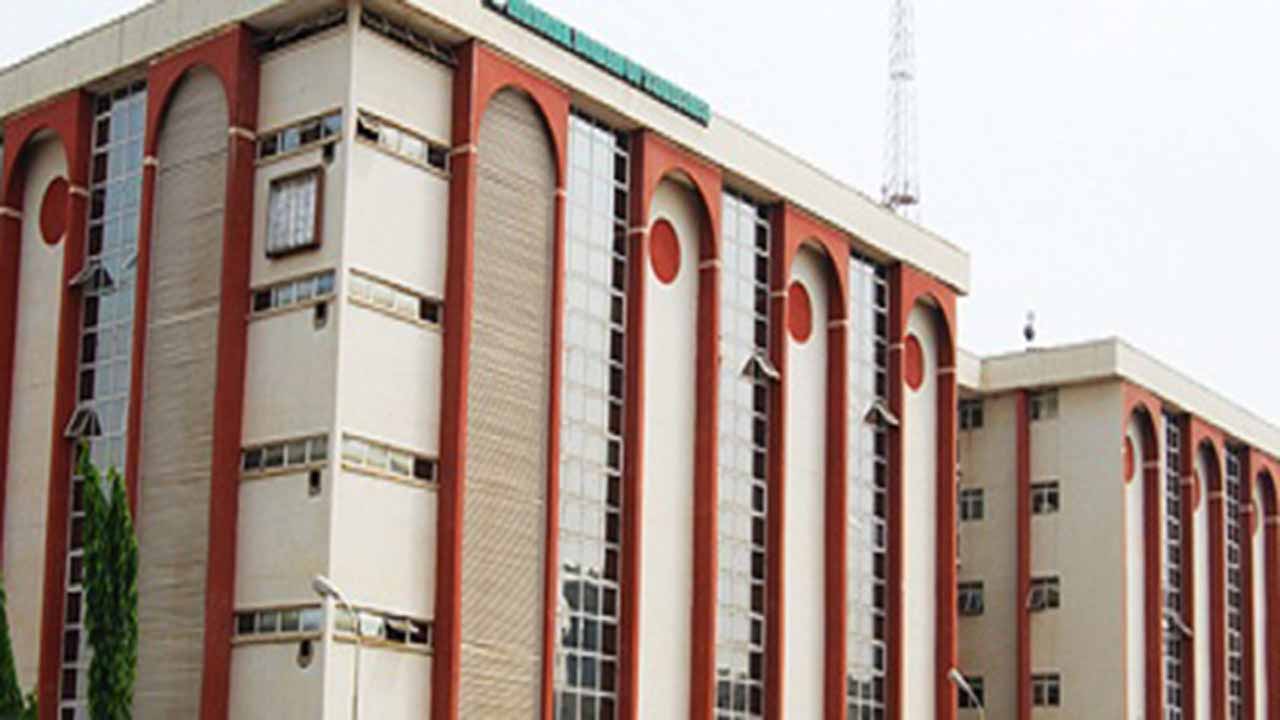
National Bureau of Statistics.jpg

MTN ADVERT

Nigeria’s headline inflation rate rose to 15.93 per cent in May 2026, extending the upward trend recorded since the beginning of the year, according to the latest data released by the National Bureau of Statistics (NBS).

The figure shows an increase from the 15.69 per cent recorded in April, indicating that prices of goods and services continued to climb despite a slower monthly rate of inflation.

Data contained in the Consumer Price Index (CPI) report released by the NBS on Monday showed that the May inflation rate was 0.24 percentage points higher than the previous month.

However, on a month-on-month basis, inflation slowed to 1.75 per cent in May from 2.13 per cent recorded in April.

The NBS said the latest figures suggest that while prices are still rising, the rate of increase has moderated from the previous month.

PT WHATSAPP CHANNEL

“On a year-on-year basis, the Headline inflation rate rose to 15.93%, up from 15.69% in April 2026,” the bureau stated.

The latest increase marks the third consecutive rise in headline inflation this year.

Food inflation

Food prices, which remain one of the biggest drivers of household spending, also rose during the month.

According to the NBS, food inflation rose to 16.96 per cent in May from 16.68 per cent in April.

The bureau attributed the increase to price changes in key staple foods consumed nationwide.

Items contributing to the rise include fresh onions, maize grains, melon (egusi), water yams, cassava flour, crayfish, fresh pepper, tomatoes, wheat grains, cassava tubers, yam tubers, sweet potatoes, ginger, plantain, and cowpea.

Despite the annual increase, the monthly food inflation rate declined to 2.98 per cent from 3.63 per cent recorded in April, suggesting a slower pace of food price increases during the month.

The report showed significant differences in food inflation across states.

On a year-on-year basis, Adamawa recorded the highest food inflation rate at 29.62 per cent, followed by Kwara at 28.47 per cent and Rivers at 28.40 per cent.

Borno recorded the lowest food inflation rate at -6.53 per cent, while Taraba and Bayelsa posted 1.13 per cent and 5.99 per cent, respectively.

On a month-on-month basis, Bauchi recorded the highest food inflation rate at 7.73 per cent, followed by Ogun at 6.86 per cent and Jigawa at 6.69 per cent.

READ ALSO: Cross River generates N17.4 billion from 2025 Calabar Carnival — Tourism bureau

In contrast, Niger recorded the slowest increase at 3.54 per cent, while Katsina and Gombe recorded negative food inflation rates of 3.48 per cent and 2.22 per cent, respectively.

The latest inflation figures come as many households continue to grapple with high living costs despite recent signs of economic stabilisation.

Food remains the largest component of consumer spending for most Nigerians, making changes in food prices a key indicator of household welfare.


Continue Reading
Click to comment

Leave a Reply

Your email address will not be published. Required fields are marked *

Business

#AIOCAIRO2026: Unitrust Insurance Eyes Retail Segment for Next Growth Phase

info

Published

on

By

Download 1.jpeg

BY NKECHI NAECHE-ESEZOBOR— Unitrust Insurance Company Limited is set to strengthen its presence in Nigeria’s retail insurance market as part of a strategic shift inspired by insights gained at the recently concluded African Insurance Organizations Conference in Cairo, Egypt.

Managing Director/Chief Executive Officer of the company, Mr. Adedayo Arowojolu, said the conference underscored the urgent need for insurers across Africa to expand access to insurance products through innovation, collaboration, and technology-driven solutions.

Speaking on the sidelines of the event, Arowojolu revealed that Unitrust Insurance, traditionally focused on corporate business, is now looking to develop products tailored to individuals and small businesses in a bid to contribute to the growth of insurance penetration in Nigeria.

“For us as a company, one of the key lessons we are taking away from this conference is the need to review our entire processes and product offerings,” he said. “We have concentrated largely on corporate business over the years, but going forward, we need to develop products that are suitable for individuals and strengthen our personal lines of business.”

According to him, discussions at the two-day conference highlighted the importance of leveraging technology to reach underserved populations and make insurance more accessible and affordable.

Arowojolu noted that despite Nigeria’s population of more than 220 million people, insurance penetration remains below one per cent, creating significant opportunities for insurers willing to innovate and address the needs of the mass market.

“The importance of extending insurance products to SMEs and individuals cannot be overemphasized,” he said. “The best way to achieve this is by using technology to reach those who currently have little or no access to insurance services.”

He added that affordability remains a critical factor in encouraging wider adoption of insurance products, especially in an environment where many consumers prioritize more immediate economic needs.

“If insurers can provide products that are relevant to people’s circumstances and financial realities, more Nigerians will begin to see the value of insurance and embrace it,” he said.

The conference also focused on fostering greater collaboration among African insurers, pooling resources, and reducing capital outflows from the continent, themes Arowojolu described as essential to the long-term growth and sustainability of the insurance industry.

He further noted that discussions around the role of insurance in sustaining businesses reinforced the need for increased awareness and education about the benefits of insurance protection.

As Unitrust Insurance evaluates the conference’s key recommendations, the company plans to explore new ways of delivering affordable insurance solutions to retail customers while leveraging technology to broaden its market reach.

“We need to let more people understand the value that insurance brings,” Arowojolu said. “By adapting some of the ideas and lessons from this conference, we believe we can play a greater role in deepening insurance penetration and expanding financial protection for Nigerians.”

This version makes Unitrust’s planned expansion into the retail and personal insurance segment the main news angle while weaving in the broader conference discussions as supporting context.

The post #AIOCAIRO2026: Unitrust Insurance Eyes Retail Segment for Next Growth Phase appeared first on Business Today NG.

Continue Reading

Business

Oil prices tumble as US, Iran reach peace deal

info

Published

on

By

Untitled design 4 1.jpg

MTN ADVERT

Global crude oil prices recorded a steep decline on Monday following a peace agreement between the United States and Iran, bringing an end to more than two months of hostilities that disrupted global energy markets and fuelled inflationary pressures across several economies.

Brent crude, the international benchmark for oil, dropped by nearly four per cent to trade at $79.50 per barrel as of 9:54 a.m. Nigerian time.

An analysis of market data showed that Brent crude, which opened at $80.24 per barrel on Sunday, climbed briefly to about $81 before declining steadily to $79.39, its lowest level within the last 24 hours.

The sharp decline followed Sunday’s announcement by Washington and Tehran that they had agreed to end the conflict between the two countries.

The agreement also effectively halted the war between Israel and Iran and brought an end to Israeli military operations in Lebanon.

PT WHATSAPP CHANNEL

The peace deal, reportedly brokered by Pakistan alongside several Middle Eastern countries, paves the way for the full reopening of the Strait of Hormuz, one of the world’s most strategic oil transit routes through which roughly 20 per cent of global crude oil supplies are transported.

The strait had remained closed since the outbreak of hostilities on 28 February, when the United States and Israel launched military operations against Iran.

The disruption triggered significant volatility in global oil markets, pushing Brent crude above the $100-per-barrel threshold and driving energy costs to multi-year highs.

The surge in crude prices led to corresponding increases in the prices of refined petroleum products, including petrol, diesel and aviation fuel, across several countries.

In Nigeria, the spike in international oil prices translated into higher domestic fuel costs, triggering concerns among consumers, transport operators and businesses already grappling with rising living expenses.

As global crude prices fluctuated during the crisis, Dangote Refinery adjusted its ex-depot prices several times to reflect changing market conditions.

READ ALSO: US, Iran agree on deal to end war

Petrol, which sold for about N870 per litre before tensions escalated in the Middle East, now retails for approximately N1,350 per litre or higher in many major Nigerian cities.

The increase in fuel prices contributed to higher transportation fares and pushed up the cost of food, goods and services across the country.

The crisis also prompted governments around the world to introduce measures aimed at shielding their economies and citizens from the impact of rising energy costs.

With the conflict now officially ended and the Strait of Hormuz reopened, analysts expect global oil prices to moderate further in the coming weeks.

A sustained decline in crude prices could eventually translate into lower petrol prices and reduced energy costs in Nigeria and other oil-importing economies.

Continue Reading

Trending