Health
SPECIAL REPORT: In Jigawa communities, nutrition programmes offer hope amid child hunger

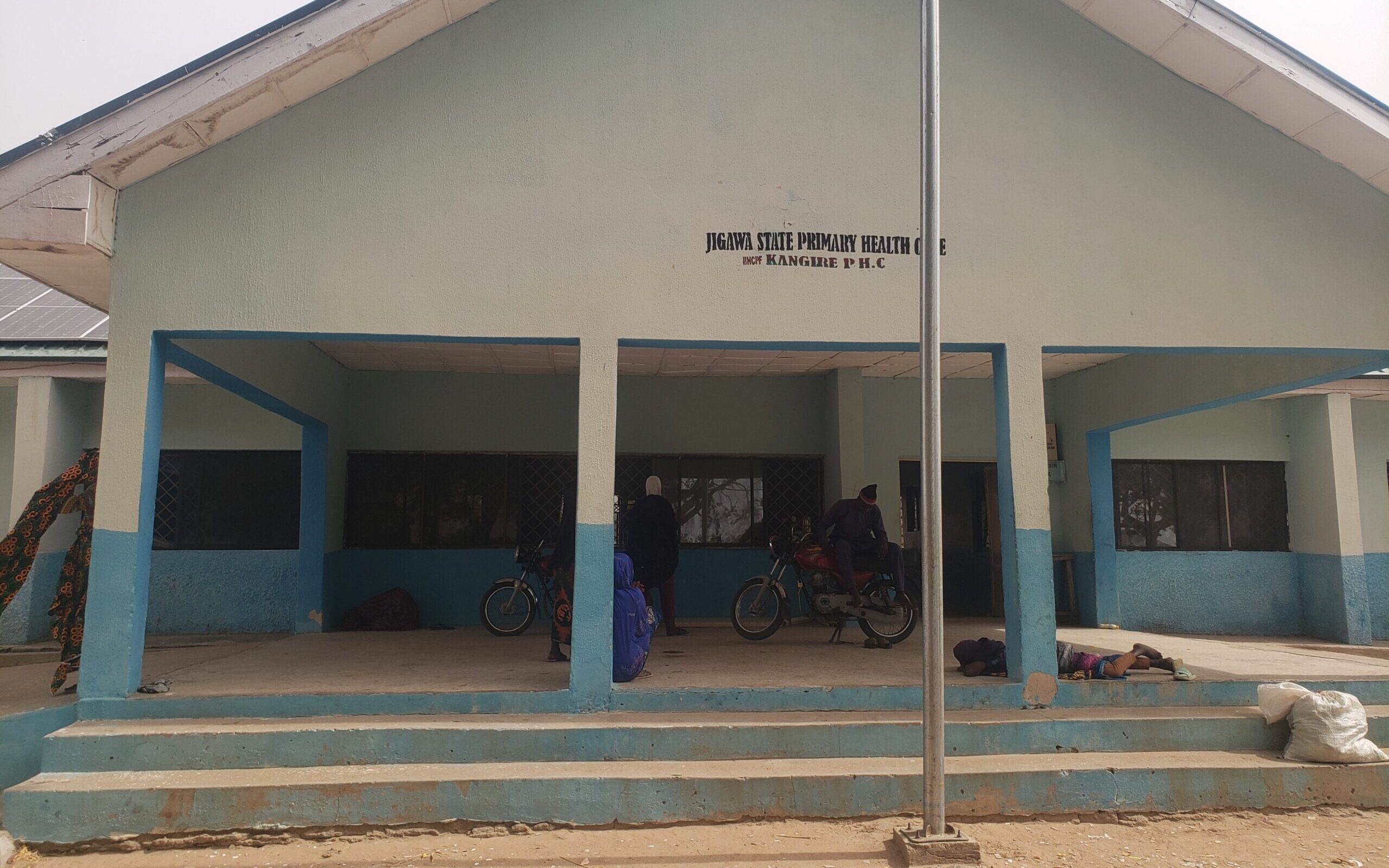

It was 11 a.m., and the sun was full over Kyaurawa, a remote community in the Birnin Kudu LGA of Jigawa State. Along the narrow, rough pathway surrounded by dry bushes, scattered mud houses and isolated compounds appear intermittently across the quiet landscape.
Inside one of the huts, Halima Umar-Dagaji was cooking beside a pile of firewood. The mother of six lost a child years ago. Like many mothers in the community, Mrs Umar-Dagaji struggled to provide her children with nutritious meals. Families had little knowledge about balanced diets or child nutrition.
“In the morning, we usually eat leftover food from the previous night,” she said. “In the afternoon, we cook rice, beans or drink milk. At night, we mostly eat foods made from millet, guinea corn and maize.”
However, things began to change after nutrition-focused interventions were introduced to the community. The interventions, organised by the government, donor agencies and other organisations, are part of broader efforts to improve nutrition outcomes among rural households in Jigawa, one of the states with Nigeria’s worst child malnutrition indicators.

“We were taught how to prepare nutritious meals using vegetables. We also learnt about personal hygiene, saving money through cooperative groups and how to improve milk production from our cows,” Mrs Umar-Dagaji said.

Yet, despite the interventions, child malnutrition remains widespread across the state, even though women in Kyaurawa said they have seen improvements, especially in their children’s health.
The numbers behind the crisis
Nearly half of deaths among children under age five are linked to undernutrition, and most occur in low- and middle-income countries, according to 2022 data from the World Health Organisation (WHO).
The 2023–2024 Nigeria Demographic and Health Survey show that 56 per cent of children in Jigawa are stunted. The national average is 30.8 per cent. Yet, the Jigawa figures reflect an improvement from the 64 per cent recorded in 2018, likely linked to expanded community interventions.
Still, the burden remains heavy.
 UNICEF estimates that about two million Nigerian children suffer from Severe Acute Malnutrition (SAM) every year, with northern Nigeria accounting for most of the cases. The agency says worsening poverty, rising food prices, insecurity and poor dietary diversity are pushing more families into nutrition crises across the region.
Recent food security assessments by the Integrated Food Security Phase Classification (IPC) also warned that rising inflation and declining household purchasing power are reducing access to protein-rich foods, fruits and vegetables, especially among vulnerable households in northern Nigeria.
Nutrition experts say the slight decline in malnutrition over the years may be linked to expanded community interventions, increased access to treatment for severe acute malnutrition, improved awareness of breastfeeding and child-feeding practices, and growing collaboration among health, agriculture, and social protection programmes.
Sahel Consulting Limited, an agriculture and nutrition-focused consulting firm, runs one of the programmes.
Umar Ibrahim, chairman of the Jauro Muhammadu Dangaje Dagaji Kyaurawa community, said improved livestock support and nutrition education have improved child health outcomes in the area.
Mr Ibrahim said backyard gardening, improved milk production and nutrition awareness campaigns by the organisation have also helped many households improve children’s diets and overall health. “Since we started planting vegetables, we no longer see malnutrition like before.”
Mrs Umar-Dagaaji corroborated the claim. “Over the past one to two years, we have not had malnutrition cases among our children,” she said.
She said Kyaurawa residents access healthcare mainly through the Birnin Kudu General Hospital and the Primary Healthcare Centre in Kangire, while a solar-powered borehole installed through Sahel Consulting’s intervention has improved access to water and hygiene.


‘At first, we rejected them’
In Danzabarma, residents said they were initially sceptical about the intervention programmes because many people did not understand their purpose or trust outsiders entering the remote settlement.
It took officials months to build trust and explain their activities before people gradually accepted them.
“At first, we rejected them because we did not understand what they wanted to do. They spent almost a year talking to us and explaining things carefully before we finally realised they genuinely wanted to help us,” Ibrahim Nagaya, a resident, said.
The intervention first focused on improving livestock healthcare and access to clean water before expanding into household nutrition, women’s empowerment, and income-support activities.
Women were trained in small-scale businesses, savings systems, and income-generating activities.
“Before now, most women stayed at home without any source of income,” Mr Nagaya said, adding that they were trained in different business activities so they could support their families and improve household feeding.

The programme also introduced community savings structures that residents now rely on during emergencies and hardship.
“We now contribute money to a community account. Both men and women participate, and when somebody has a problem, the community supports that person from the savings,” he added.
Residents also said improved water access and livestock assistance boosted milk yields and animal health. Previously, livestock drank from polluted streams, leading to disease and reduced production.
“Our animals used to drink from dirty streams where they also urinated and defecated,” he said. “Now they drink clean water from boreholes, and their health has improved.”
Residents were also trained by Sahel Consulting in improved animal-feeding practices, including pasture cultivation and improved livestock nutrition.
“Before, most cattle produced about two litres of milk, but now some produce up to five litres,” he said.

Mr Nagaya added that the intervention also improved awareness around maternal nutrition and breastfeeding within households.
Residents said training on milk preservation and processing helped reduce waste and improve household income.
“In the past, a lot of milk got spoiled when we could not sell it quickly. Now we have learned how to preserve and process it properly,” Mr Nagaya added.
Linking agriculture to nutrition
In Danzabarma, residents said the nutrition-focused interventions are gradually changing how families think about feeding, especially for women and children.
Ibrahim Ahmad, a resident, said the intervention helped residents understand the relationship between maternal nutrition and child health, especially for pregnant women and breastfeeding mothers, resulting in noticeable improvements.
The nutrition intervention was implemented as part of the Advancing Local Dairy Development in Nigeria (ALDDN) project, which was supported by the firm.
Isa Garba, a programme officer for the ALDDN Project in Jigawa, said the intervention focused on helping rural households understand how agriculture and livestock production could directly improve family nutrition.

Mr Garba said the programme worked with 6,030 dairy and 7,361 non-dairy farming households across several hard-to-reach communities in the state. He stated the numbers of female dairy and non-dairy beneficiaries as 2,787 and 3,538, respectively.
“During cooking demonstrations, families bring food items available in their homes such as millet, sorghum, moringa and beans,” he said.
Mr Garba said that facilitators then demonstrate how to properly combine the foods to improve their nutritional value for women and children.
The programme also introduced homestead gardening to support household dietary diversity and improve access to vegetables.
He explained that interested families received vegetable seedlings for crops such as tomatoes, carrots, and moringa, along with practical support in backyard farming techniques.
Also, community-based extension workers were deployed to support households and monitor adoption of the practices.
He added that some households now consume vegetables grown in their gardens, while others sell parts to generate income.
“Some families told us they no longer take their children to the hospital as frequently as before because they have improved what the children eat,” Mr Garba said.
The intervention also supported water access in several underserved settlements by constructing solar-powered boreholes connected to public taps for domestic use and livestock watering.
The project also identified community nutrition champions and cooperative groups to sustain the nutrition and gardening activities after the intervention phased out earlier this year, in January.
“We believe the communities can continue these practices themselves because local champions and cooperative groups are now leading many of the activities,” he added.
Health access, lingering concerns
Malnutrition remains a major challenge in parts of Jigawa, where access to quality primary healthcare is limited.
Danzabarma residents rely mainly on the Birnin Kudu General Hospital and Kangeri PHC, both about 30 minutes by road, for medical care.
Mr Nagaya said that the community having no health facility of its own means residents spend about N1,000 on transport to the nearest hospital for care. For many low-income families, this is a heavy financial burden.
“When children are constantly sick, all your money goes to hospital treatment. But when families are healthy, the money can be used for other things,” he said.
At Kangeri PHC, health workers attested that community-based nutrition programmes and routine nutrition counselling were helping families identify malnutrition earlier and seek treatment before children’s conditions become severe.

Umar Abdullahi, the officer in charge of the facility, said dozens of children under five visit the centre weekly for nutrition screening and treatment under the Community Management of Acute Malnutrition (CMAM) programme.

The facility works closely with volunteers of the Jigawa State ‘Masaki Initiative’ across surrounding communities to identify children with signs of malnutrition and refer severe cases for treatment.
The Jigawa State Primary Health Care Development Agency (JSPHCDA), with support from UNICEF, runs the joint community-led initiative to empower local communities on childcare.
“We receive referrals from many settlements every week,” Mr Abdullahi said. “The volunteers screen children within the communities and send severe cases to this facility for treatment.”
He said between January 2025 and February 2026, the facility received 272 cartons and treated about 393 children.
The facility combines nutrition treatment with continuous health education targeted at improving feeding practices among caregivers.
Most children brought to the facility arrive with complications linked to SAM, including diarrhoea, vomiting, fever, skin infections and visible body weakness.
“When a child comes, we check the mid-upper arm circumference (MUAC) and body weight,” he said. “Children with severe complications are referred to stabilisation centres, while others are admitted here and treated using Ready-to-Use Therapeutic Food (RUTF).”

Children weighing between 3.9kg and 4.9kg are given 11 sachets weekly. “Children between 5kg and 6.9kg receive 18 sachets, while those above that may receive 21 sachets, depending on their condition,” he added.
Despite occasional supply delays, the facility maintains inventory records to monitor distribution and ensure accountability in the use of RUTF supplies.
Amina Kimjiri, a resident of Jahun LGA, recalled how her 10-month-old child suddenly became severely ill after developing symptoms linked to malnutrition.
Mrs Kimjiri said the child became weak, with a swollen stomach and thinning limbs. Health workers diagnosed the child with SAM and immediately enrolled the child on treatment using RUTF.
Sustaining the gains
Abubakar Abali, officer-in-charge of the Jahun Urban Maternity Centre, said community-based nutrition interventions and increased awareness campaigns are helping caregivers identify malnutrition symptoms early and provide treatment before complications worsen.
Mr Abali noted that one major focus of the intervention is correcting long-held misconceptions about breastfeeding and child-feeding practices.

“There is a belief in some communities that once a woman becomes pregnant again, she should stop breastfeeding the child. Even if the child is two or three months old, the woman would be encouraged either by her peers or family members to stop breastfeeding the baby,” he said.
Speaking on Masaki volunteers, he said the volunteers operate across surrounding communities to identify malnourished children early and connect them to treatment services.
He explained that the referral system allows health workers to prepare ahead of clinic days and helps caregivers access treatment more quickly.
The facility conducts home visits and follow-up monitoring to ensure caregivers properly administer RUTF and other nutritional supplements given to malnourished children.
According to him, caregivers are required to return empty sachets during follow-up visits as part of accountability and monitoring measures.
Community nutrition response
In Garin Dinya, one of the Masaki nutrition sites in Jahun LGA, Shamsia Abdullahi spends her Wednesdays and Thursdays moving between settlements, screening children for signs of malnutrition and teaching mothers how to prepare nutritious meals with locally available food.
Mrs Abdullahi, who heads the Garin Dinya Masaki site, said her work mainly involves counselling mothers, conducting food demonstrations, and identifying children who require urgent medical attention.
Another volunteer, Hassana Idrisu, said community volunteers also follow up on severe cases referred to health facilities.
“We call the health workers at Jahun Urban Maternity to confirm whether the mothers arrived,” Mrs Idrisu said. “Sometimes we also speak with husbands to encourage them to allow their wives to continue treatment for the children.”
‘Cases have reduced by 75 per cent’
Jahun LGA was the initial pilot phase for the Masaki Initiative when it was introduced in 2018, before expanding to other LGAs in 2020
The Nutrition Focal Person for Jahun LGA, Suleiman Muda, noted that malnutrition cases in the area declined significantly through the nutrition interventions introduced by the Jigawa State government and development partners.
“Jahun is among the 27 LGAs implementing the CMAM programme in Jigawa State. As of now, cases of SAM have reduced by about 75 per cent in Jahun,” Mr Muda said.
He explained that each local government provides stipends to community volunteers and health workers attached to the programme, adding that hard-to-reach communities are linked to nearby health facilities where children are screened before severe cases are referred to CMAM centres for treatment.
Also, children diagnosed with SAM are enrolled in Outpatient Therapeutic Programme (OTP) centres where RUTF is administered according to body weight and nutritional condition.
However, Mr Muda noted that nutrition services in Jahun still depend heavily on support from the state government and development partners, particularly for the supply of RUTF and other nutrition commodities.
He added that Jahun previously operated five OTP centres, but shortages of RUTF supplies forced authorities to reduce the number to two centres at Jahun Urban Maternity and Aujara.
Interventions reducing malnutrition – Officials
Speaking with PREMIUM TIMES, the Director at the State Primary Health Care Development Agency (JSPHCDA), Hassan Shuaibu, said the state expanded its CMAM programme after worsening food insecurity was observed in the Sahelian LGAs of Jigawa in 2020.
Mr Shuaibu said tackling malnutrition requires collaboration beyond the health sector, with agriculture, women’s affairs and community development programmes all playing important roles in improving nutrition outcomes.
He said the state introduced the “Masaki” initiative to identify malnourished children early through grassroots screening and nutrition counselling.
He added that the Jigawa government commits about N250 million annually as counterpart funding for procuring RUTF, while local governments also support community nutrition activities across the state.
He said that the interventions are increasingly being integrated into routine maternal and child healthcare services in many facilities.
“We encourage mothers to initiate breastfeeding immediately after delivery and maintain exclusive breastfeeding,” he said. “We also carry out home visits to educate families on hygiene, handwashing and proper feeding practices.”
Mr Shuaibu said the state has also introduced livelihood support programmes aimed at improving household nutrition and family income.
READ ALSO: Poverty, hunger driving Sokoto children out of school
“Some women receive chickens and goats to support household earnings, while others are trained in backyard gardening and food production,” he said.
“The idea is to improve family income so households can afford better diets.”
He added that nutrition awareness campaigns now involve not only mothers, but also men, religious leaders, youth groups and community leaders.
The official said the state currently operates CMAM sites across 18 LGAs and plans to expand community-based nutrition services further in the coming years.
“We are gradually reducing malnutrition, but we are not yet there,” he said. “There is still a lot to achieve.”
UNICEF backs community-based nutrition interventions
UNICEF Nutrition Manager for the Kano Field Office, Karanveer Singh, said the organisation’s support in Jigawa focuses on strengthening both prevention and treatment efforts through the state government’s community-based nutrition programmes.
Mr Singh said while treatment for severely malnourished children remains important, the broader goal is to prevent children from falling into severe malnutrition.
“For every naira contributed by the state government, UNICEF provides a matching contribution,” Mr Singh said. “If the state provides N250 million, UNICEF adds another N250 million, making it possible to procure RUTF worth N500 million.”
He described the Masaki initiative as one of Nigeria’s most extensive community-based nutrition programmes, noting that the government designed the intervention to identify malnutrition cases early at the community level before they become severe.
The programme has evolved into what officials now describe as “Masaki 2.0”, a broader intervention coordinated by the Ministry of Budget and Economic Planning.
Mr Singh said the intervention also brings together sectors such as agriculture, water and sanitation, women’s affairs, and education to address the multiple factors driving malnutrition.
“If food is not available or affordable, the health sector alone cannot solve the problem,” he said. “Agriculture, education, water, sanitation and women empowerment all play critical roles.”
As part of the intervention, about 1,200 vulnerable households in selected LGAs received vegetable seedlings, fruit tree saplings and poultry birds to improve household nutrition and dietary diversity.
Mr Singh said changing long-held feeding practices and cultural beliefs requires continuous engagement with families and communities.
Discover more from Premium Times Nigeria
Subscribe to get the latest posts sent to your email.


High blood pressure during pregnancy can put both the mother and baby at risk, if not detected and properly managed.
Pregnancy-induced hypertension (PIH) is high blood pressure that develops during pregnancy, usually after the first half of pregnancy. It can also progress to more severe hypertensive disorders, including pre-eclampsia.
A 2024 study, titled: “Prevalence and determinants of hypertensive disorders of pregnancy in Nigeria: a multi-centre study,” involving 71,758 women across 54 referral-level health facilities in Nigeria found that 6.4 per cent had hypertensive disorders of pregnancy.
Gestational hypertension accounted for 49.8 per cent of the cases, while pre-eclampsia and eclampsia accounted for 9.5 per cent and seven per cent respectively.
Speaking with PT Health Watch, Lewis Aituma, a Consultant Obstetrician and Gynaecologist, University of Benin Teaching Hospital, said pregnancy-induced hypertension is a major contributor to poor pregnancy outcomes for both mother and child.
Causes of PIH
Mr Aituma said there is no known single cause of the condition, but several factors can increase a woman’s risk.

He listed previous PIH, first pregnancy, advanced maternal age, diabetes, kidney disease, a long interval between pregnancies, family history of hypertension, multiple pregnancy and obesity among the risk factors.
The Nigerian study also found that women above 35 years, women who had never given birth, women with several previous births and those with a previous caesarean section or miscarriage had increased odds of developing hypertensive disorders of pregnancy.
Watch out for warning signs
Mr Aituma advised pregnant women to have their blood pressure checked routinely and watch for rising values.
He said women should also report persistent headaches, blurred vision, a feeling of abnormal heartbeat, chest pain and rapidly increasing swelling of the legs.
“Such symptoms should warrant an emergency presentation to the Obstetrician for expert evaluation and management,” he said.
However, some women with pregnancy-related hypertension may have no obvious symptoms, making regular antenatal checks important.
The World Health Organisation (WHO) recommends monitoring blood pressure during pregnancy because early detection and treatment of hypertensive disorders can help prevent serious complications.
How it affects mother, baby
When PIH is not identified and properly managed, Mr Aituma said it can progress to pre-eclampsia and cause serious complications for the mother, including eclampsia, seizures, stroke and kidney failure.
For the baby, he said it can increase the risk of premature birth, poor fetal growth, fetal death and premature separation of the placenta.
The Nigerian study found that 11.9 per cent of pregnancies affected by hypertensive disorders ended in stillbirth, while 3.7 per cent of women with the disorders died.
The researchers concluded that hypertensive disorders of pregnancy remain an important health concern in Nigeria.
WHO also identifies preterm birth, restricted fetal growth, placental abruption and maternal or fetal death among possible complications of severe hypertensive disorders in pregnancy.
Managing the condition
Mr Aituma said treatment depends on the severity of the condition and how far the pregnancy has progressed.
“For less severe forms, effort will be geared to blood pressure control and prevention of complications till the pregnancy is delivered,” he said.
He explained that where the pregnancy is still early, doctors may try to safely prolong it, while at later gestational ages, “the emphasis is to conduct a delivery.”
For severe cases, the priority is to control the woman’s blood pressure, prevent seizures and deliver the baby when necessary.
WHO also recommends close monitoring, blood pressure treatment and timely delivery where required, depending on the severity of the condition and gestational age.
READ ALSO: Pregnant woman allegedly dies at Ondo fake medical facility
Reducing the risk
Mr Aituma said maintaining a healthy weight, exercising, making appropriate lifestyle changes and attending regular antenatal appointments can help reduce the risk of complications.
He also advised pregnant women to monitor their blood pressure regularly and report any concerning symptoms promptly.
“Overall, prognosis is good in early diseases. Women should watch out for common symptoms in pregnancy and report the same promptly to their Obstetrician for action, Mr Aituma noted.
Discover more from Premium Times Nigeria
Subscribe to get the latest posts sent to your email.
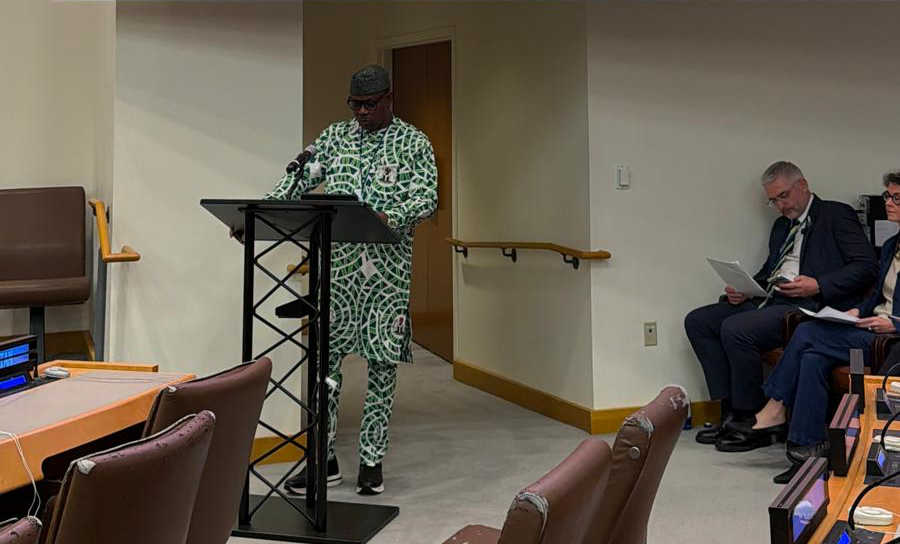
Nigeria has called for a more equitable global pandemic preparedness system, urging increased financing, technology transfer and stronger manufacturing capacity in Africa to enable developing countries to respond effectively to future health emergencies.
The Minister of State for Health and Social Welfare, Iziaq Salako, made the call while delivering Nigeria’s national statement on behalf of President Bola Tinubu at a high-level meeting on Pandemic Prevention, Preparedness and Response (PPPR) at the United Nations Headquarters in New York.
The meeting was held on the sidelines of the 81st United Nations General Assembly.
Mr Salako said effective pandemic preparedness must begin with strong public health systems capable of preventing, detecting and responding to health threats before they become emergencies.
“Prevention is preparedness and the strength of everyday public health systems determines how effectively nations detect threats early, respond rapidly, and maintain essential services during crises,” he said.
He said Nigeria was strengthening its legal and institutional frameworks, expanding digital disease surveillance, institutionalising the 7-1-7 approach, enhancing genomic sequencing capacity and improving multi-hazard preparedness.
The 7-1-7 approach requires countries to aim to detect a suspected public health threat within seven days, notify the relevant authorities within one day and complete the initial response within seven days.
Greater equity
Mr Salako said equity must remain central to the global PPPR agenda, particularly in ensuring that countries that provide access to pathogens receive fair and timely benefits from the development of vaccines, diagnostics and therapeutics.
He called for sustainable and rapidly accessible financing for low- and middle-income countries, alongside technology transfer and stronger domestic manufacturing capacity, particularly in Africa.
Nigeria’s priorities, he said, include stronger national ownership, governance and legal preparedness; prevention-focused health systems; integrated and resilient One Health systems; equitable access to financing and African manufacturing; and greater regional and global solidarity and accountability.
“National ownership and global solidarity must advance together,” he said.
Mr Salako said Nigeria was also advancing the One Health approach, strengthening antimicrobial resistance (AMR) governance and infection prevention and control programmes, and expanding emergency workforce capacity at national and sub-national levels.
The country’s public health laboratory network now covers all 36 states, while Public Health Emergency Operations Centres support responses to outbreaks including Lassa fever, cholera, diphtheria and meningitis, he said.
ALSO READ: Africa’s health-for-all agenda derailed by pandemic, financing gap – Report
Nigeria’s Joint External Evaluation score also improved from 39 per cent in 2017 to 54 per cent in 2023.
In addition, the World Bank’s $250 million Health Security Programme is supporting health security capacity at federal and state levels under a One Health approach, Mr Salako said.
Nigeria to host global AMR meeting
Mr Salako said Nigeria also wanted antimicrobial resistance to remain firmly embedded in the global pandemic preparedness agenda, describing it as “both a current public health threat and a multiplier of pandemic risks”.
Against this background, he announced that Nigeria would host the fifth Global High-Level Ministerial Conference on Antimicrobial Resistance in December 2026.
The conference will be the first edition to be held in Africa and will provide an opportunity to accelerate measurable One Health action and advance the priorities of low- and middle-income countries, he said.
Mr Salako also stressed the importance of involving communities in pandemic preparedness, saying public trust could not be built only after an outbreak had begun.
He called for sustained investment in risk communication and community engagement, social listening, community hygiene and infodemic management between emergencies.
He said Nigeria remained committed to strengthening national and regional capacity to prevent, detect and respond to public health threats, while supporting a global pandemic preparedness framework that is equitable, sustainable and accountable.
Discover more from Premium Times Nigeria
Subscribe to get the latest posts sent to your email.
-

 Health4 days ago
WHO expands recommended contraceptive options, backs longer-lasting methods
-
News2 days ago
Crusoe abandons $1.25B plan to use Boom turbines at AI data centers
-
News4 days ago
PDP dissolves Kano State Working Committee, chairman accepts removal
-
News2 days ago
Alex Otti should be campaigning for Peter Obi not backing Tinubu – NDC