News
Gov Mutfwang Chairs Security Council Meeting, Announces Measures to Curb Attacks in Plateau






As temperatures rise across parts of Nigeria, health authorities are warning residents to take precautions against the effects of extreme heat.
The warning comes as the country moves from the rainy season into the hotter, drier months, when prolonged exposure to high temperatures can increase the risk of dehydration, heat exhaustion and heatstroke.
A recent report by the Climate Impact Lab estimated that Nigeria could record 31,400 additional heat-related deaths between September 2026 and February 2027.
The report, titled “451,000 at Risk: Where Action Can Save Lives During the Super El Niño,” estimated 451,000 additional heat-related deaths globally during the period.
The Nigerian Meteorological Agency (NiMet), in a 23 October advisory, also warned of hotter days and increased heat discomfort as the country enters the dry season.
The agency said changing weather conditions, including reduced rainfall and cloud cover, could contribute to rising temperatures. It warned that excessive heat could cause dehydration, heat exhaustion and heatstroke.


People most at risk
Extreme heat can affect anyone, but some people are more vulnerable to its effects.
The World Health Organisation (WHO) identifies older people, young children, people with chronic illnesses and outdoor workers among those who face greater health risks during periods of extreme heat.
People living with heart, lung or kidney conditions, diabetes and other chronic illnesses may also experience worsening symptoms when temperatures become very high.
Outdoor workers, including farmers, construction workers, traders and others who spend long periods under the sun, can also be exposed to heat for several hours without adequate opportunities to cool down.
WHO said extreme heat places additional stress on the body as it tries to maintain a normal temperature. Prolonged exposure can increase the risk of heat exhaustion and heatstroke and may also worsen existing health conditions.
What should you do?
NiMet advised Nigerians to drink water regularly and wear lightweight, breathable clothing.
It said people should also limit prolonged exposure to direct sunlight, particularly during the hottest periods of the day, and strenuous physical activities should be moved to cooler hours.
NiMet further urged schools and workplaces to ensure adequate ventilation, provide drinking water and shaded rest areas, and allow regular breaks during hot weather.
WHO similarly advises people to avoid strenuous activity during the hottest part of the day, stay in shaded or cool places and keep their homes as cool as possible.
People should also check on relatives, neighbours and friends who may be more vulnerable, particularly older people and those living alone.
WHO urged parents to take extra care with young children. Children should not be left alone in parked vehicles, as temperatures inside vehicles can rise rapidly even when the weather outside does not appear extreme.
READ ALSO: WHO pledges support as Nigeria records first imported Ebola case
Warning signs
Symptoms of heat exhaustion may include heavy sweating, weakness, headache, dizziness and nausea. Moving the person to a cooler place, giving fluids where they are able to drink and helping them cool down can help prevent the condition from becoming more serious.
Heatstroke is different and requires urgent medical attention. According to WHO, heatstroke is a potentially fatal medical emergency. Someone with hot, dry skin, delirium, convulsions or loss of consciousness during extreme heat should receive immediate medical attention.
The Climate Impact Lab said the projections provide an opportunity for governments and humanitarian organisations to identify vulnerable populations and direct resources towards interventions that can save lives.
NiMet has also urged Nigerians to follow official weather forecasts and advisories as conditions change.
Discover more from Premium Times Nigeria
Subscribe to get the latest posts sent to your email.

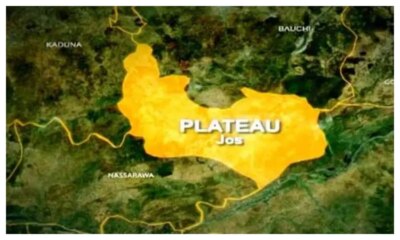
Gunmen on Saturday reportedly killed a woman and injured two farmers in Gwom-Ajang, Foron District, Barkin Ladi Local Government Area of Plateau State.
The victims were attacked while harvesting groundnuts on their farms in the village.
Rwang Tengwong, the spokesman for Berom Youth-Moulders Association, confirmed the incident to Peoples Gazette on Saturday.
“A woman has been killed, while two others sustained injuries while harvesting groundnuts at Gwom-Ajang, Foron District, Barkin Ladi Local Government Area of Plateau State,” he said.
He stated that the incident occurred on the farm during harvesting activities.
Mr Tengwong said details of the incident were still sketchy, including the identities of the victims.
Alfred Alabo, the state police spokesman, did not immediately respond to The Gazette’s request for comment.

-

 News2 days ago
Obi, Kwankwaso to hold Middle Belt Youth, Village Hall Meeting in Jos
-
Business4 days ago
How Your Side Hustle Income Ends Up in Your RSA
-
News3 days ago
Blacksmith hits unicorn valuation after Sequoia leads Series C
-
Entertainment2 days ago
FOGMMON PLATEAU CONGRATULATES EJIDIKE UGOCHUKWU (𝙈𝙞𝙣𝙨𝙩𝙧𝙚𝙡 𝙅𝙞𝙙) ON HIS APPOINTMENT AS NATIONAL PRESIDENT