
Health
Health advocates seek reinstatement of suspended Lagos pregnancy guidelines

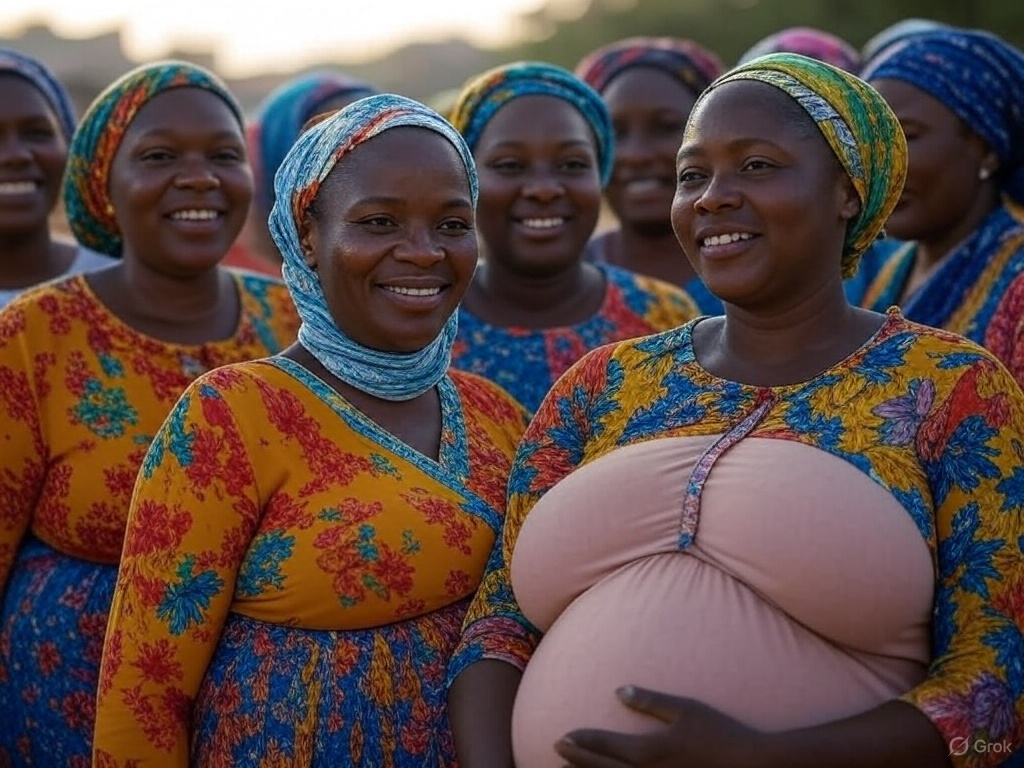
Health advocates have renewed calls on the Lagos State government to reinstate the suspended Guidelines on Safe Termination of Pregnancy for Legal Indications (STOP Guidelines), saying the policy could provide doctors with clearer clinical guidance and help reduce preventable maternal deaths.
The call was made by the Project Manager for Pamoja, Rumunse Obi, in an article titled “Dr Majek and the Ghost: Why Lagos Must Revisit the STOP Guidelines”, shared with PREMIUM TIMES on Tuesday.
The article accompanies Dr Majek and the Ghost, a narrative public health project exploring how stigma, misinformation and delays in accessing reproductive healthcare contribute to poor maternal health outcomes in Nigeria.
The project forms part of “ÀJOSE: The Stories That Bind Us”, an initiative that uses film and public dialogue to stimulate conversations around women’s reproductive health.
Earlier this year, the initiative brought together filmmakers, healthcare professionals, creatives and members of the public in Lagos to discuss how stigma, cultural silence and misinformation continue to shape women’s health outcomes.

Participants also previewed Dr Majek and the Ghost alongside other productions before engaging in discussions on maternal mortality, consent and ethical healthcare.
According to Ms Obi, the fictional story follows a physician confronted with deaths that could have been prevented if patients had received timely and lawful medical care.
Although fictional, she said the narrative reflects the experiences of many Nigerian women who continue to die from pregnancy-related complications despite the availability of lifesaving medical interventions.
Why the guidelines matter
Ms Obi said the STOP Guidelines, introduced by the Lagos State government in 2022, were developed to help healthcare providers interpret existing laws governing pregnancy termination in emergencies, particularly where continuing a pregnancy poses a risk to a woman’s life or health.
She explained that the guidelines were developed over several years with contributions from medical and legal experts to support doctors making time-sensitive decisions in high-risk obstetric cases without changing Nigeria’s abortion laws.
However, the Lagos State government suspended the guidelines in July 2022 shortly after their release following opposition from religious organisations and other groups, which argued that the policy could encourage abortion.
At the time, the government said the suspension would allow for broader stakeholder engagement and public sensitisation on the document’s objectives. Nearly four years later, the guidelines have yet to be reinstated.
Ms Obi argued that the controversy surrounding the policy stemmed largely from misconceptions about its purpose, while the clinical challenges it was designed to address remain unresolved.
Citing estimates from the World Health Organisation (WHO) and findings from the Nigeria Demographic and Health Survey (NDHS), she noted that Nigeria continues to bear one of the world’s highest maternal mortality burdens, with limited access to skilled birth attendants, emergency obstetric care and timely referrals contributing to preventable deaths.
Lagos’ maternal health efforts
Ms Obi’s call comes as the Lagos State government continues to implement measures to reduce maternal mortality.
In April 2025, the state partnered with the National Health Insurance Authority (NHIA) to launch the Maternal Initiative for Financing Access to Comprehensive Emergency Obstetric Care (CEmOC) to improve access to lifesaving obstetric services for women experiencing pregnancy-related emergencies.
At the launch, the Lagos State Commissioner for Health, Akin Abayomi, said the state still records about 400 maternal deaths per 100,000 live births, describing the figure as unacceptable for a megacity.
Mr Abayomi said the government was expanding Mother and Child Centres, strengthening referral systems, integrating traditional birth attendants into the formal healthcare system through regulation and training, and expanding health insurance coverage to ensure women receive emergency care regardless of their ability to pay.
The Special Adviser to the Governor on Health, Kemi Ogunyemi, also stressed the need to eliminate delays in emergency obstetric care, saying saving the lives of mothers and babies should take precedence over concerns about payment.
Clearer guidance
Speaking with PREMIUM TIMES on Monday, Temitope Adekanye, a senior registrar in obstetrics and gynaecology at Lagos University Teaching Hospital, said that although he had not reviewed the suspended STOP Guidelines and could not comment on their specific provisions, Nigeria had long needed clearer clinical guidance on abortion within the existing legal framework.
Mr Adekanye described abortion as a sensitive issue because Nigerian law generally prohibits the procedure except where it is necessary to save a woman’s life, creating legal and clinical uncertainty for healthcare providers.
“We should have had a guideline on abortion a long time ago,” he said.
He noted that unsafe abortions continue to contribute to maternal deaths because many procedures are carried out by unqualified persons or in facilities that do not meet minimum medical standards.
The senior registrar, however, emphasised that unsafe abortion is only one of several factors driving maternal mortality in Nigeria.
According to him, postpartum haemorrhage remains the leading cause of maternal deaths, followed by hypertensive disorders such as pre-eclampsia, while sepsis, obstructed labour and unsafe abortion also account for a significant proportion of pregnancy-related deaths.
He attributed many maternal deaths to what health experts describe as the “three delays”—delays in deciding to seek medical care, delays in reaching a health facility and delays in receiving prompt treatment after arrival.
Poor road networks, shortages of skilled healthcare workers, weak referral systems and inadequate hospital capacity, he added, continue to worsen outcomes for pregnant women.
READ ALSO: Nigeria targets expanded MMS coverage for pregnant women
Call for reinstatement
Against this backdrop, Ms Obi argued that although haemorrhage, hypertensive disorders and sepsis remain the leading causes of maternal mortality, unsafe abortion also contributes significantly to pregnancy-related deaths, particularly in countries with restrictive legal environments.
She said uncertainty over the legal interpretation of emergency reproductive healthcare can delay treatment and increase the risk of preventable deaths.
“The suspension of the STOP Guidelines did not remove these clinical realities. It removed a structured framework intended to help clinicians navigate them safely within existing law,” he wrote.
Ms Obi noted that many countries with restrictive abortion laws rely on detailed clinical protocols to guide healthcare providers without changing the law.
She maintained that reinstating the STOP Guidelines would complement Lagos State’s investments in maternal healthcare by providing clinicians with greater clarity in managing complex pregnancy-related emergencies.
She added that restoring the guidelines would not amend Nigeria’s abortion laws but would improve how existing legal provisions are interpreted and applied in clinical practice.







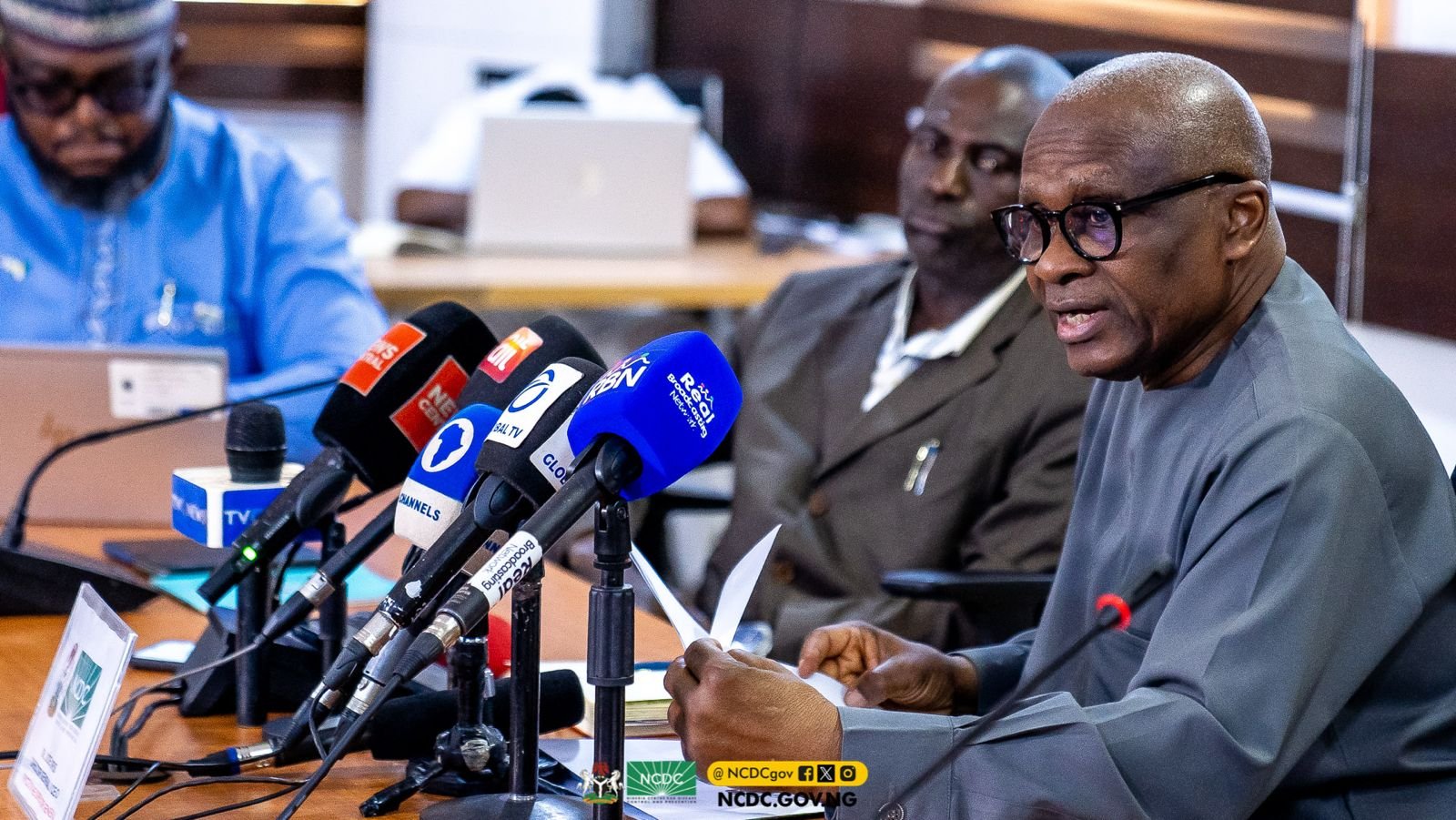
The Nigeria Centre for Disease Control and Prevention (NCDC) says it has identified 53 contacts linked to Nigeria’s confirmed case of Ebola disease in the Federal Capital Territory (FCT).
The Director-General of the NCDC, Jide Idris, disclosed this on Sunday during a media briefing in Abuja, where he provided an update on the country’s response to the outbreak.
Mr Idris said the contacts include healthcare workers, the confirmed patient’s domestic staff and spouse, as well as health personnel involved in collecting samples from the patient.
“As of now, we have 53 primary contacts. These comprise 44 people from the health facility where the patient was treated and nine additional contacts,” he said.
“Of the nine additional contacts, three are household members of the patient, her driver, chef and husband. Three others attended to her at Julius Berger Clinic before she got to the other facility, while the remaining three are members of the team who went to collect samples.”
He said the contacts had been listed and categorised according to their level of exposure, with public health teams continuing to monitor them.

According to him, none of the identified contacts had tested positive for Ebola or developed symptoms as of the time of the briefing.
Mr Idris also clarified that the agency had investigated two cases, including the confirmed case in the FCT and a suspected case in Rivers State, which tested negative for Ebola.
He disclosed that the confirmed patient had returned positive results from three samples collected for testing, while her husband tested negative for the disease.
Contact tracing continues
Mr Idris said contact tracing was ongoing, with public health teams working to identify people who may have been exposed to the confirmed patient and assess their level of risk.
He said identified contacts would be monitored for 21 days after their last possible exposure, in line with Ebola’s incubation period.
He explained that the number of contacts could change as investigations progressed and more information became available.
He said that being identified as a contact does not mean a person has Ebola, but allows health authorities to monitor their health and detect possible infections early.
Mr Idris urged Nigerians contacted by public health officials to cooperate with monitoring teams and provide accurate information about their movements, contacts and any symptoms they might experience.
Nigeria strengthens Ebola preparedness
The NCDC boss said the agency is strengthening laboratory capacity and infection prevention measures across the country as part of efforts to prevent further transmission of the disease.
Mr Idris said about 12 laboratories had been identified as having the capacity to test for Ebola, while efforts were ongoing to ensure the availability of reagents and other essential supplies.
He said testing for the confirmed case was being conducted at the National Reference Laboratory, with other facilities being supported to ensure suspected cases could be investigated promptly.
He added that the agency is also working with health authorities to train healthcare workers on infection prevention and control measures, including the proper use of personal protective equipment, hand hygiene and safe disposal of potentially infectious materials.
Mr Idris said preparedness and response activities were being strengthened in states considered at higher risk, while the NCDC was finalising an incident action plan with partners to coordinate the national response.
He commended healthcare workers for their vigilance in detecting the confirmed case. He also urged Nigerians to rely on information from public health authorities and avoid spreading rumours.
Nigeria’s Ebola case and possible link with Kenya
Nigeria confirmed an imported Ebola case in the FCT on Tuesday, 20 October, marking the country’s first confirmed case since the 2014 outbreak.
READ ALSO: Ebola: Lagos is prepared to respond — Commissioner
The patient is a 42-year-old Ugandan-born woman resident in Abuja who recently returned from a holiday in Kampala, Uganda.
According to the Africa Centres for Disease Control and Prevention (Africa CDC), the woman returned to Nigeria on 3 October and developed symptoms three days later.
On Friday, Nigerian authorities announced that genomic analysis showed a high degree of similarity between the virus detected in the Nigerian patient and that found in Kenya’s first imported case.
The Coordinating Minister of Health and Social Welfare, Muhammad Pate, said the finding did not establish that the Nigerian patient was infected in Kenya, as there was no evidence that she had travelled there.
The Africa CDC had earlier said it was investigating a possible link between the Nigerian and Kenyan cases because both patients travelled through Uganda’s Entebbe International Airport on 3 October.
Kenya’s first case was imported from the Democratic Republic of the Congo (DRC) through Uganda. The country has since recorded nine confirmed cases, including two deaths, with the eight additional infections linked to the first patient.
Discover more from Premium Times Nigeria
Subscribe to get the latest posts sent to your email.

As temperatures rise across parts of Nigeria, health authorities are warning residents to take precautions against the effects of extreme heat.
The warning comes as the country moves from the rainy season into the hotter, drier months, when prolonged exposure to high temperatures can increase the risk of dehydration, heat exhaustion and heatstroke.
A recent report by the Climate Impact Lab estimated that Nigeria could record 31,400 additional heat-related deaths between September 2026 and February 2027.
The report, titled “451,000 at Risk: Where Action Can Save Lives During the Super El Niño,” estimated 451,000 additional heat-related deaths globally during the period.
The Nigerian Meteorological Agency (NiMet), in a 23 October advisory, also warned of hotter days and increased heat discomfort as the country enters the dry season.
The agency said changing weather conditions, including reduced rainfall and cloud cover, could contribute to rising temperatures. It warned that excessive heat could cause dehydration, heat exhaustion and heatstroke.
People most at risk
Extreme heat can affect anyone, but some people are more vulnerable to its effects.
The World Health Organisation (WHO) identifies older people, young children, people with chronic illnesses and outdoor workers among those who face greater health risks during periods of extreme heat.
People living with heart, lung or kidney conditions, diabetes and other chronic illnesses may also experience worsening symptoms when temperatures become very high.
Outdoor workers, including farmers, construction workers, traders and others who spend long periods under the sun, can also be exposed to heat for several hours without adequate opportunities to cool down.
WHO said extreme heat places additional stress on the body as it tries to maintain a normal temperature. Prolonged exposure can increase the risk of heat exhaustion and heatstroke and may also worsen existing health conditions.
What should you do?
NiMet advised Nigerians to drink water regularly and wear lightweight, breathable clothing.
It said people should also limit prolonged exposure to direct sunlight, particularly during the hottest periods of the day, and strenuous physical activities should be moved to cooler hours.
NiMet further urged schools and workplaces to ensure adequate ventilation, provide drinking water and shaded rest areas, and allow regular breaks during hot weather.
WHO similarly advises people to avoid strenuous activity during the hottest part of the day, stay in shaded or cool places and keep their homes as cool as possible.
People should also check on relatives, neighbours and friends who may be more vulnerable, particularly older people and those living alone.
WHO urged parents to take extra care with young children. Children should not be left alone in parked vehicles, as temperatures inside vehicles can rise rapidly even when the weather outside does not appear extreme.
READ ALSO: WHO pledges support as Nigeria records first imported Ebola case
Warning signs
Symptoms of heat exhaustion may include heavy sweating, weakness, headache, dizziness and nausea. Moving the person to a cooler place, giving fluids where they are able to drink and helping them cool down can help prevent the condition from becoming more serious.
Heatstroke is different and requires urgent medical attention. According to WHO, heatstroke is a potentially fatal medical emergency. Someone with hot, dry skin, delirium, convulsions or loss of consciousness during extreme heat should receive immediate medical attention.
The Climate Impact Lab said the projections provide an opportunity for governments and humanitarian organisations to identify vulnerable populations and direct resources towards interventions that can save lives.
NiMet has also urged Nigerians to follow official weather forecasts and advisories as conditions change.
Discover more from Premium Times Nigeria
Subscribe to get the latest posts sent to your email.
-

 News3 days ago
Obi, Kwankwaso to hold Middle Belt Youth, Village Hall Meeting in Jos
-
News3 days ago
Lotus Bank flags dta privacy risks from unapproved workplace AI tools – Technology Times
-
News3 days ago
Handball President Jibril Saidu Ojih Explains Reasons Behind Introduction Of Transfer Fees For Nigerian Players
-
Entertainment3 days ago
FOGMMON PLATEAU CONGRATULATES EJIDIKE UGOCHUKWU (𝙈𝙞𝙣𝙨𝙩𝙧𝙚𝙡 𝙅𝙞𝙙) ON HIS APPOINTMENT AS NATIONAL PRESIDENT


