News
Fact-Finding Committee Visits Barkin Ladi, Mahanga; Hears Testimonies from Survivors, Community Leaders

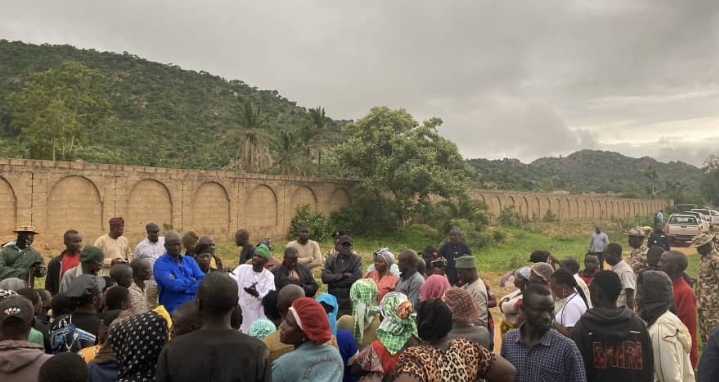
The Plateau State Fact-Finding Committee has reaffirmed its commitment to fostering sustainable peace in crisis-ridden communities across the state, expressing optimism that ongoing engagements with stakeholders will yield meaningful solutions to the longstanding violence.
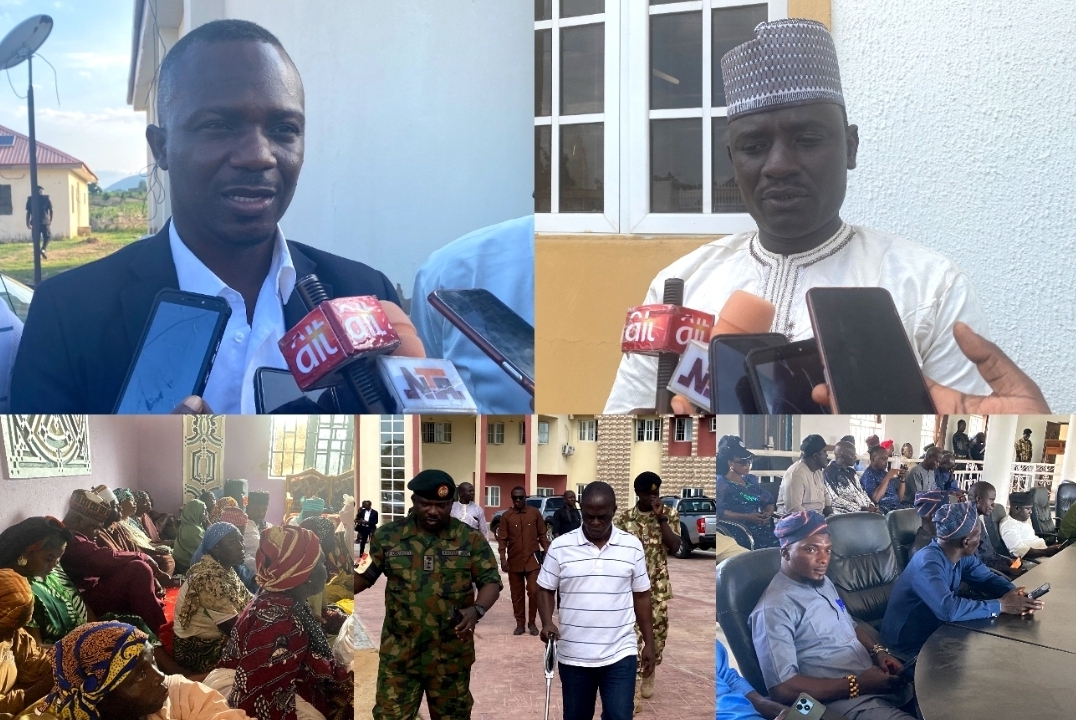
During a recent assessment visit to Barkin Ladi Local Government Area, the committee — constituted by Governor Caleb Manasseh Mutfwang to investigate the causes of violent conflicts in Plateau from 2001 to date — met with local leaders, youth representatives, religious bodies, and security agencies in a closed-door consultation facilitated by the Plateau Peace Building Agency (PPBA).
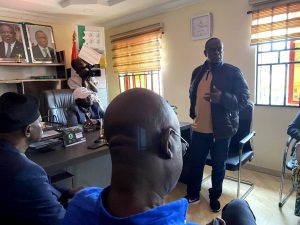
Addressing participants, the Chairman of the Committee, Major General Nicholas Rogers (Rtd), emphasized the committee’s intention to listen to affected communities and gather firsthand insights on the root causes of the violence.
“We are here to hear directly from you,” Rogers said. “Our goal is to understand why the conflict has persisted for so long and what fuels it, so we can recommend sustainable solutions. Peace is everyone’s desire — Berom, Fulani, Hausa — and we are here to support that goal.”
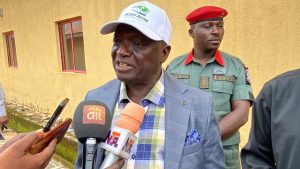
In his remarks, Hon. Pwajok Stephen Gyang, Chairman of Barkin Ladi LGA, commended the state government for constituting the committee and described community policing as a critical strategy for curbing insecurity at the grassroots.
“This committee gives us hope,” he said. “Despite some recent killings — like the one in Yindi-Akwati where a man was gunned down while stepping out at night — we are experiencing relative peace. I believe your work will help consolidate that.”
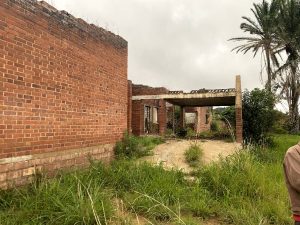
As part of their visit, the committee toured communities including Kakun, Lahuru, Ropp, Lobiring, Libiring, and Gashish in Barkin Ladi, as well as Barkin Ladi town in Riyom LGA, where they assessed the extent of destruction and heard testimonies from residents.
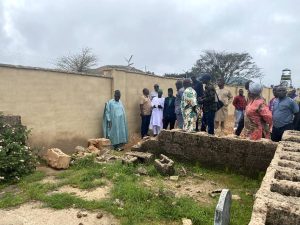
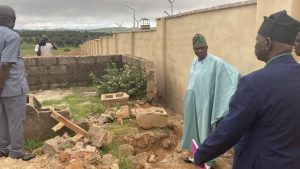
Sunday Joshua, a resident of Kakun-Gashish, spoke emotionally at the site of a mass grave where over 60 people were buried following the 2012 massacre.
“Seeing this committee here has restored some of my confidence,” he said. “Many of our villages remain displaced, but we are hopeful that government will facilitate our return. It’s good they came to see it themselves.”
He also narrated a more recent attack in March 2025, in which three people were killed in broad daylight over a grazing dispute.
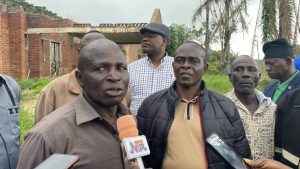
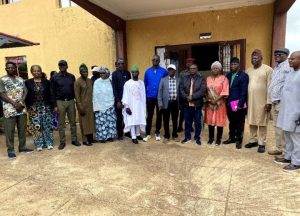
In Lobiring, the community chairman recounted the events of May 19, 2015, when five villages — Lobiring, John, Robuk, Zim, and Lohala — were attacked simultaneously, leading to 21 deaths and the destruction of the palace of the Da Gwom Rwey of Barkin Ladi.
“The palace was completely burnt down,” he said. “Security personnel were present, but they couldn’t stop the attack. Now the district head is a refugee in Barkin Ladi. We need security and support to rebuild.”
Committee Meets with Fulani Community in Mahanga, Riyom LGA
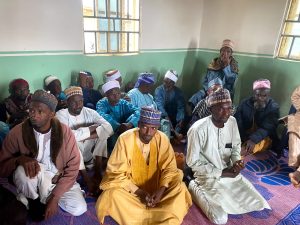
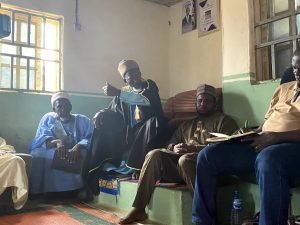
The committee also visited Mahanga in Riyom Local Government Area, where it held a long-awaited dialogue with Fulani stakeholders, including the Ardo of Riyom, Mallam Mahmud Adam; JNI Chairman Alhaji Merto Albarka; MACBAN Chairman Alhaji Bello Adamu; and community members.
The engagement marked a significant milestone, as Fulani representatives were previously absent during the committee’s initial visit to Riyom due to deep-seated tensions between the Fulani and Berom communities.
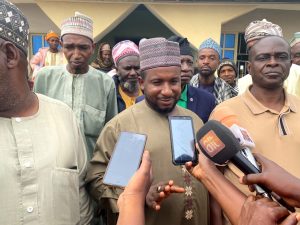
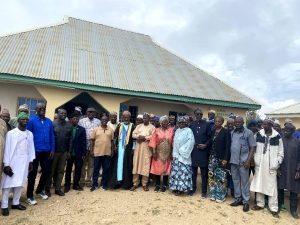
Speaking during the meeting, Abdullah Yusuf, Secretary to the Ardo, outlined the community’s grievances, emphasizing their desire for peace.
“We’re not at war with anyone,” he said. “But our cows and herders are often attacked with no compensation. We also lack basic government amenities — no roads, no schools, no hospitals, no water. All we want is to be seen and treated fairly.”
He also addressed allegations that Mahanga is a haven for terrorists:
“You’re here — did you see any terrorists? We trade, we pray, and we live quietly. Being constantly labeled as terrorists hurts deeply.”
The Fulani leaders also raised concerns about community name changes, land dispossession, and a lack of political will to engage them meaningfully.
“Mahanga was once called Rankum, just like Rim was previously Makafu. We’re not the only ones accused of changing names,” one of the leaders said. “Our biggest concern now is whether your recommendations will be implemented.”
The Ardo reiterated the community’s readiness for peaceful coexistence, but warned against forced peace efforts.
“You can’t claim to want peace while using guns and force. That won’t work,” he said.
Committee Chairman Responds
In response, General Rogers acknowledged the sensitive perceptions associated with Mahanga and assured the community that their voices had been heard.
“We came here to understand, not to accuse. The absence of government infrastructure and the issue of herder killings are critical concerns. But we urge restraint — do not take laws into your hands. Report incidents to authorities.”
“This has been a productive discussion. We will build on it and present recommendations that aim to ensure everyone in Plateau lives in peace.”
The Plateau State Fact-Finding Committee continues its assessment tour across the state, engaging communities across ethnic and religious divides in a bid to chart a new path toward healing and reconciliation.

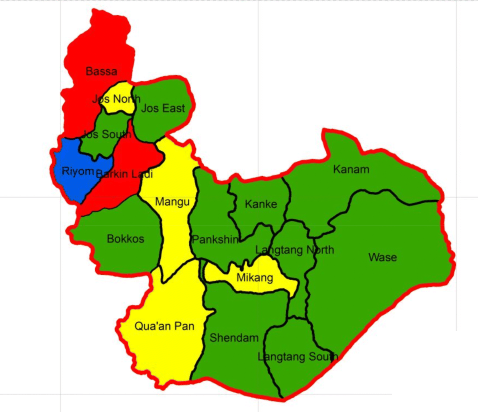


Nine people have been killed after gunmen opened fire on a passenger bus at Dungus, Kuru District, Jos South council area.
The police command in Plateau confirmed the attack in a statement by its spokesman, Alfred Alabo, on Monday.
The command said it received a distress report at about 7:45 p.m. on Sunday that terrorists operating on a motorcycle had attacked the bus.
According to the statement, the Toyota bus, with registration number BUU 621 ZL, was conveying passengers to Jos when the gunmen opened fire.
It said seven people were confirmed dead at the scene, while two others who sustained gunshot injuries later died in hospital. The police said the development brought the total number of fatalities from the attack to nine.
The police commissioner, Ayodeji Faniyan, immediately mobilised Mobile Police operatives, tactical teams, homicide detectives and forensic experts to the scene.
(NAN)

-

 Business3 days ago
FG settles severance benefits for 2,100 former Nigeria Airways workers after two decades
-
News3 days ago
Revolut confirms customer data breach through fake government requests
-
Health3 days ago
PT Health Watch: How laboratory tests can help detect colorectal cancer early
-
News4 days ago
Mecka AI nears $500M valuation in Sequoia-led deal amid rush for robot training data