News
Wase Community Cries Out Over Banditry, Border Insecurity as Plateau Fact-Finding Committee Continues Assessment


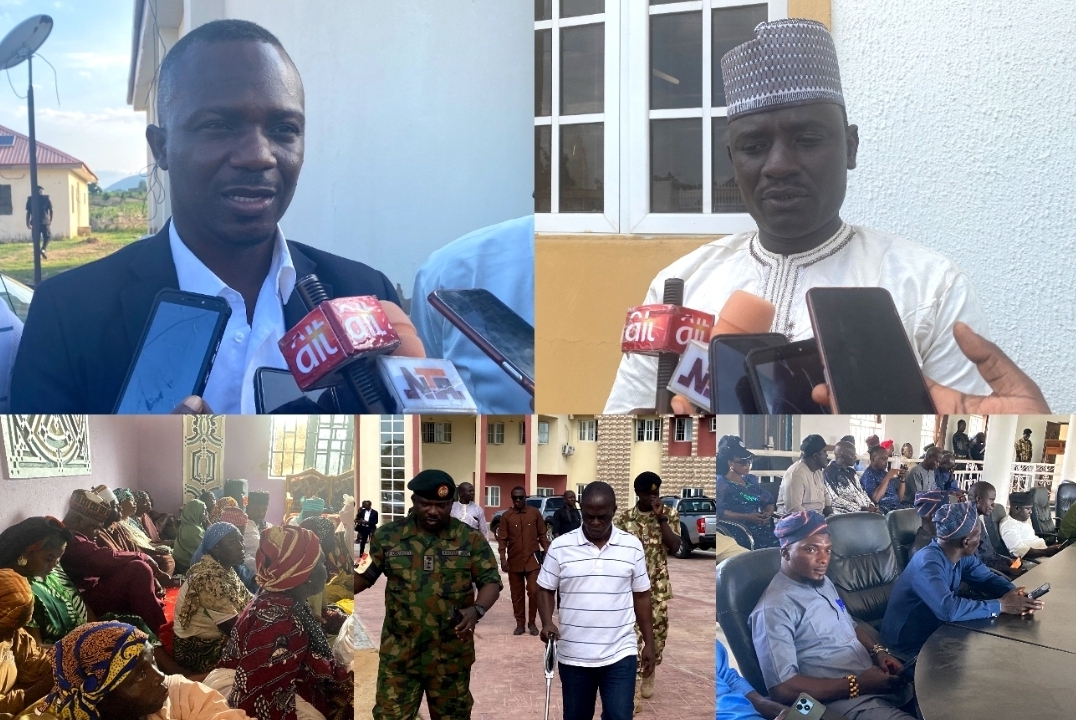
As part of its ongoing engagement across Plateau State, the High-Powered Fact-Finding Committee on Friday, July 25, 2025, visited Wase Local Government Area in the Southern Senatorial Zone to gather firsthand accounts of the challenges fueling insecurity in the region.
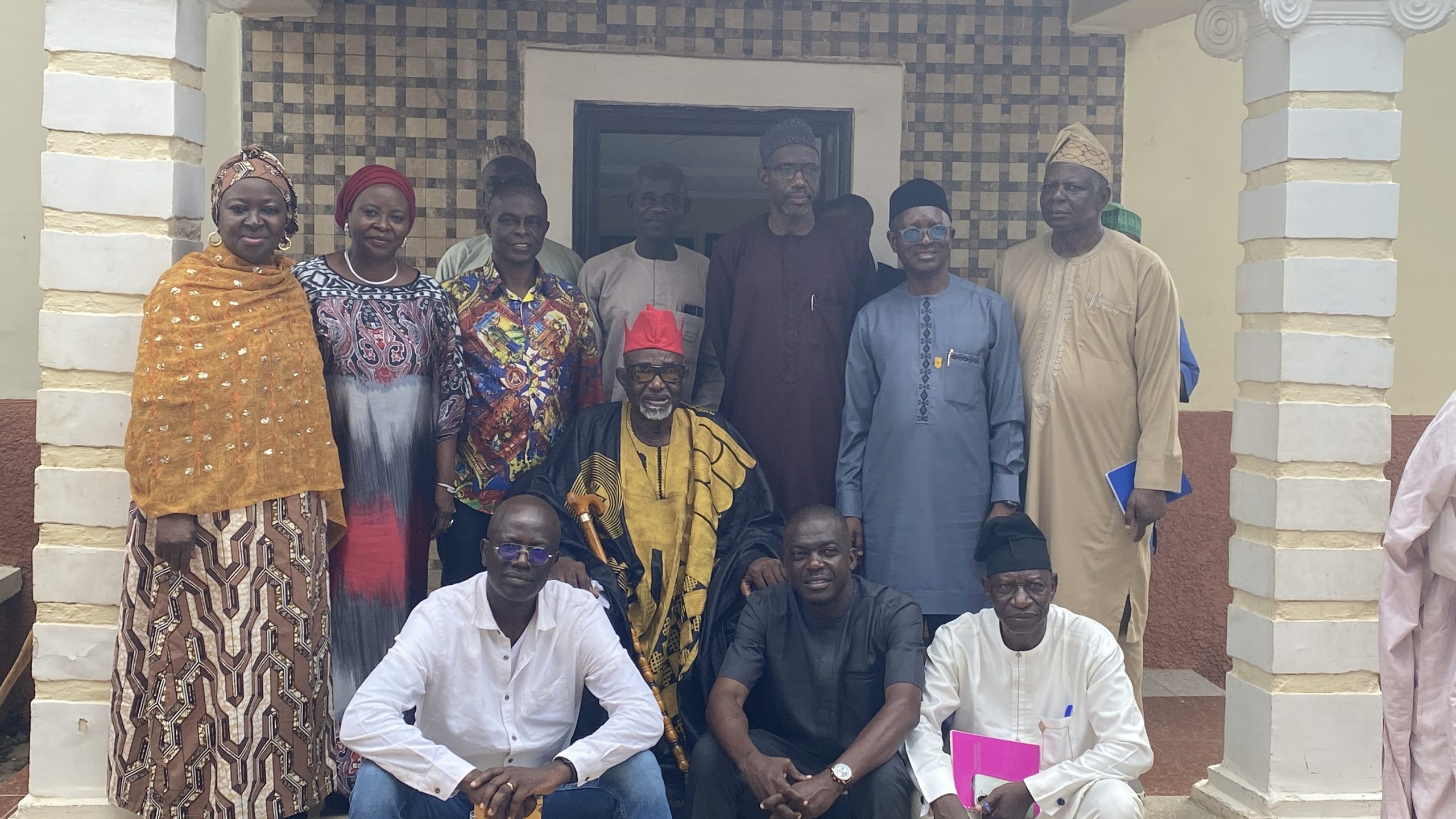
The committee, received at the council secretariat by Executive Chairman Hon. Hamisu Mohammed Anani, his deputy, councillors, and senior council officials, was led by its chairman, Major General Nicholas Rogers (Rtd). In his remarks, Rogers noted the significance of visiting Wase on a Friday, aligning with the Muslim congregational prayers, and acknowledged the chairman’s strides in local media innovation.
“This is my fifth visit to Wase. I am not a stranger here,” he said. “We know that the state has faced crises since 2001, and we are here to interact with the people directly, ask questions, and hear suggestions on the way forward. After this engagement, we will also meet with traditional leaders and visit the radio house to spread the message of peace.”
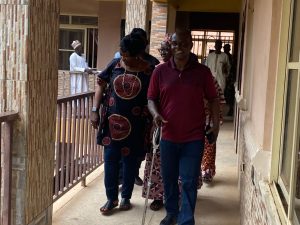
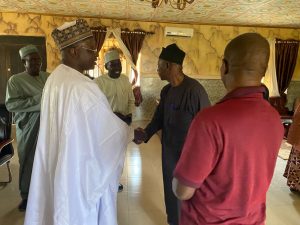
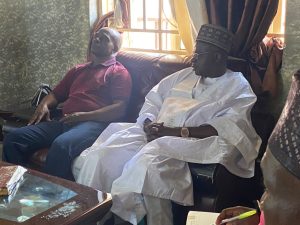
The Wase council chairman, Hon. Hamisu Anani, welcomed the committee and commended Governor Caleb Mutfwang for initiating the fact-finding process. He outlined the security challenges plaguing the LGA, noting that while relative peace had returned to some areas, Bashar District remained a hotspot for banditry due to its vast forests and porous borders with Taraba State.
According to him, Wase is dealing with:
- Land disputes and inter-clan clashes in Kadarko and Tarok areas.
- Boundary conflicts in Lamba District.
- Petty crimes and motorcycle thefts linked to youth restiveness.
- Banditry and cross-border criminal activity in Bashar District, which he described as the most pressing challenge.
“We are trying our best with local efforts and collaboration with neighboring councils like Alkaleri, but we need federal security support,” he said. “We appeal for penetration in the forest regions, as those hiding there are known criminals. We’ve also registered a security outfit—Wase Rock Security Company—to strengthen local response.”
He further highlighted the difficulties of coordinating joint operations between military and DSS operatives stationed in the area, despite the local government providing fuel and feeding support to over 140 DSS personnel.

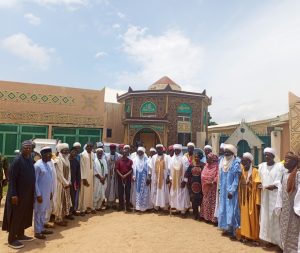

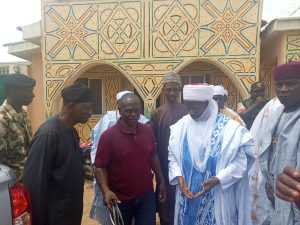
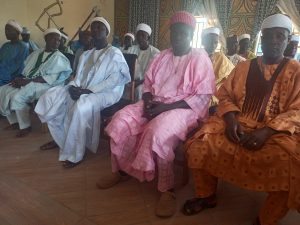
The committee also held a closed-door session at the Palace of the Acting Recna of Bashar, where traditional council members reiterated their concerns about kidnapping, cattle rustling, and growing insecurity.
“We have done our part at the community level,” the Acting Recna said. “We hope the committee’s report will prompt decisive action from the government to address kidnapping and restore peace.”
Speaking to the press after the palace visit, Maj. Gen. Rogers reaffirmed the committee’s commitment to capturing all perspectives.
“We are listening to both local government officials and traditional rulers,” he said. “From what we’ve gathered, Wase is battling multiple forms of insecurity: banditry, kidnapping, land disputes, and cattle rustling. These will be captured in our report to the governor along with recommendations.”

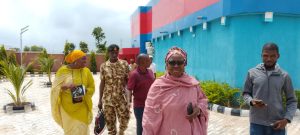
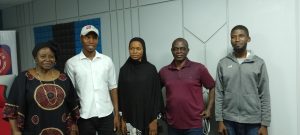
The committee also visited Wase Rock Broadcasting Network, where it held a live radio session to engage directly with the public and further amplify messages of peace and reconciliation.
“Our mission is to interact with all segments of society—herders, farmers, traditional leaders, and government officials—to understand the root causes of the crisis and propose solutions that will bring lasting peace to Plateau,” Rogers emphasized during the radio broadcast.
The committee is expected to compile its findings and submit a comprehensive report to Governor Caleb Mutfwang in the coming weeks.
0-0x0-0-0#



0-0x0-0-0#




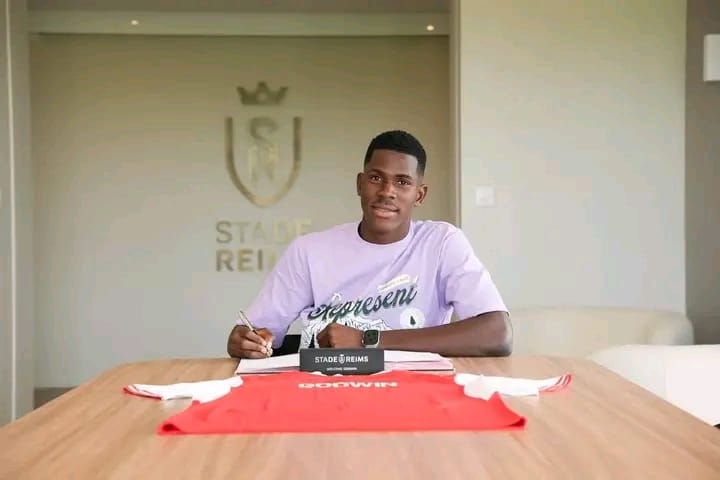
Nigerian youngster Godwin Raphael Itotomi has taken a significant step in his football career after completing a move to French club Stade de Reims, where he will continue his development with the club’s youth setup.
Sports247 reports that the highly-rated centre-back, who captained Grassrunners FC of Ogun State, officially signed his contract with the French outfit and is expected to feature for Stade de Reims Révélations, the club’s reserve and youth development team competing in the Groupe Élite Championnat des Réserves Professionnelles.
The transfer marks another milestone for the promising defender, whose leadership qualities and commanding performances at the heart of Grassrunners FC’s defence earned him recognition and opened the door to European football.
Renowned for his composure on the ball, strong aerial presence, tactical awareness and ability to organise the backline, Itotomi now has the opportunity to further develop his game in one of Europe’s respected youth development environments.
The move is expected to expose him to a higher level of competition and professional coaching as he works towards breaking into senior football.
Speaking on the move, those close to the player believe the switch to France represents the perfect platform for the young defender to realise his enormous potential.
Joining Stade de Reims provides him with access to world-class training facilities and a structured development pathway that has produced several top talents over the years.
For Grassrunners FC and Ogun State football, the transfer is another testament to the quality of young players being nurtured at the grassroots level. It also reinforces the growing reputation of Nigerian academies in producing talented footballers capable of earning opportunities with European clubs.
As he begins life in Reims, located in the Grand Est region of northeastern France, Itotomi will be aiming to adapt quickly to his new environment, impress the coaching staff and establish himself as a key figure in the club’s youth ranks.
The move is expected to serve as an important stepping stone in his career, with the long-term ambition of progressing into Stade de Reims’ first team and eventually making his mark at the highest level of European football.
For Nigerian football enthusiasts, Godwin Raphael Itotomi’s transfer is another encouraging success story, highlighting the increasing pathway from grassroots football to elite European clubs.
-

 News4 days ago
Anthropic says its own AI models breached three companies during security tests
-
News4 days ago
Abia N150m campaign billboard fee, APC agenda against opposition – Kenneth Okonkwo
-
News4 days ago
2027: Defections, reconciliation moves reshape Niger’s political landscape
-
Health4 days ago
Resident doctors threaten nationwide strike over unpaid arrears, welfare concerns