News
Chief Moses Nwan Launches Peace, Unity Initiative for Pushit and Pukah Districts


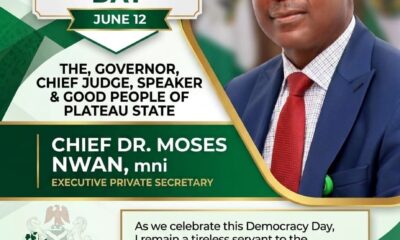
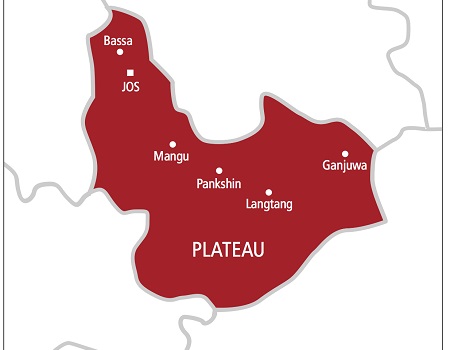
The year 2026 began on a note of renewed hope and political maturity in Mangu Local Government Area of Plateau State as Chief Moses Nwan, PhD, mni, Executive Private Secretary to Governor Caleb Manasseh Mutfwang, launched a peace, unity and development initiative for Pushit and Pukah districts.
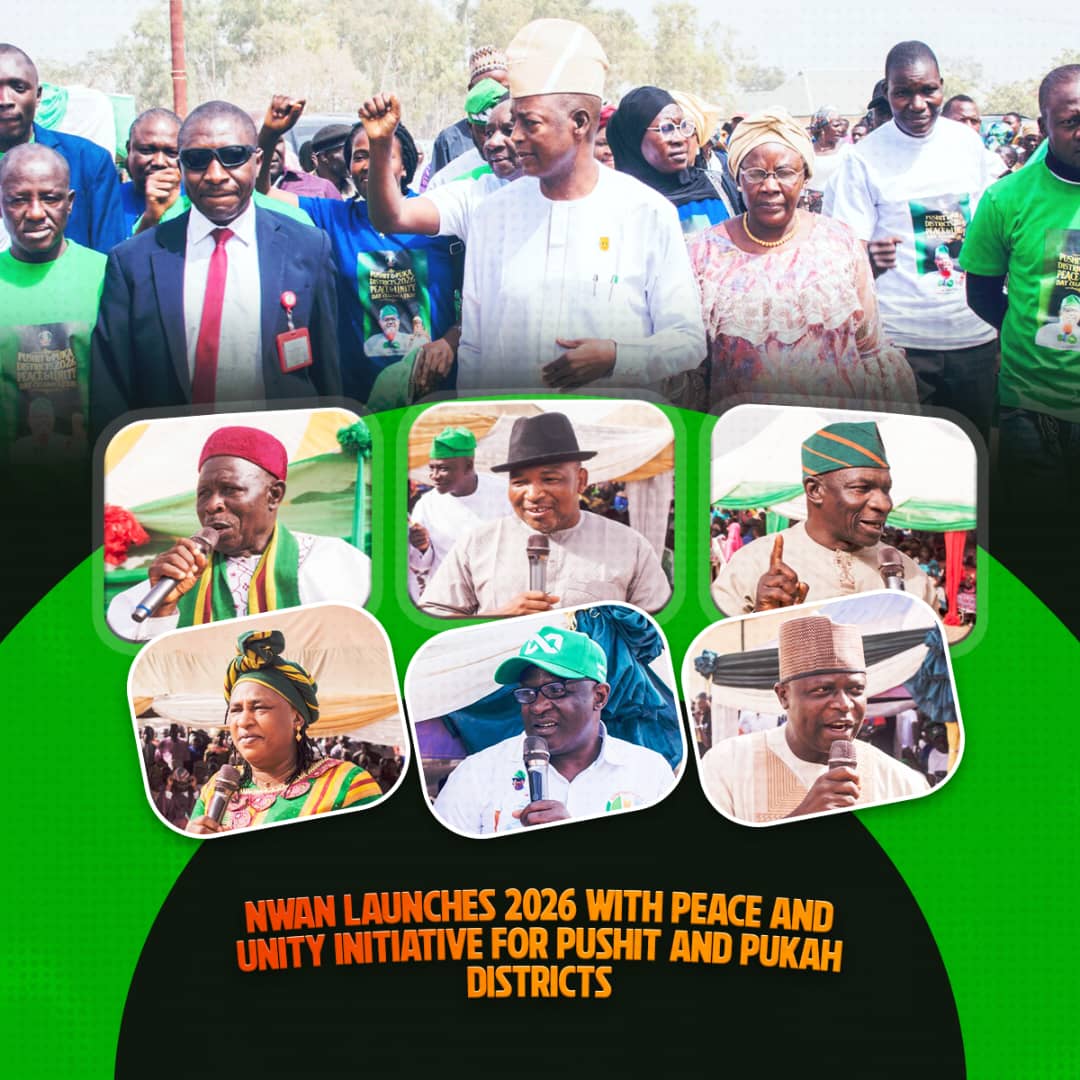
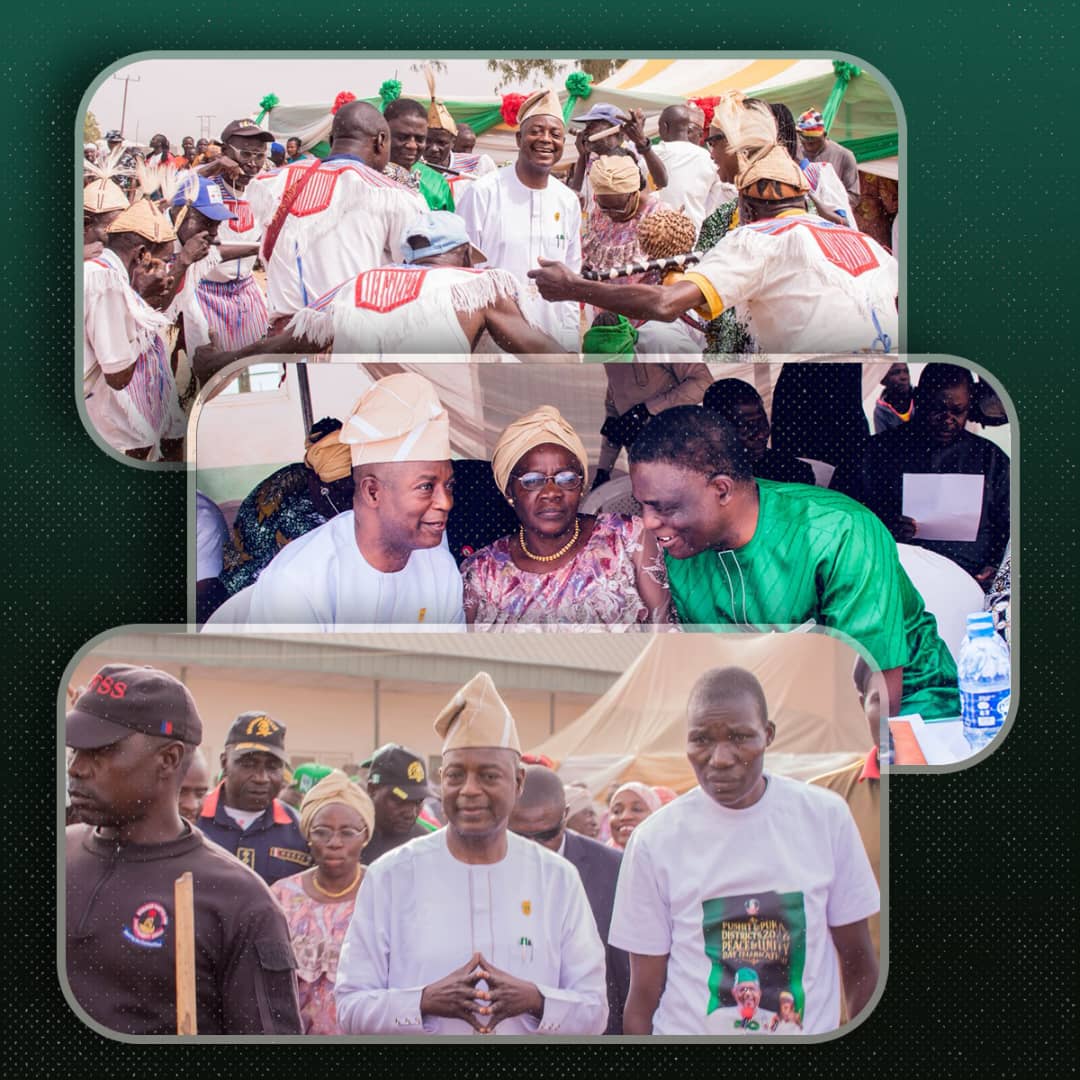
The event, tagged Pushit and Pukah Districts Peace and Unity Day, was held at the Mwaghavul College of Health Technology, Pushit, and attracted a large gathering of traditional rulers, political leaders, clergy, civil servants, youth and women groups, cultural troupes and community members from within and outside the two districts.
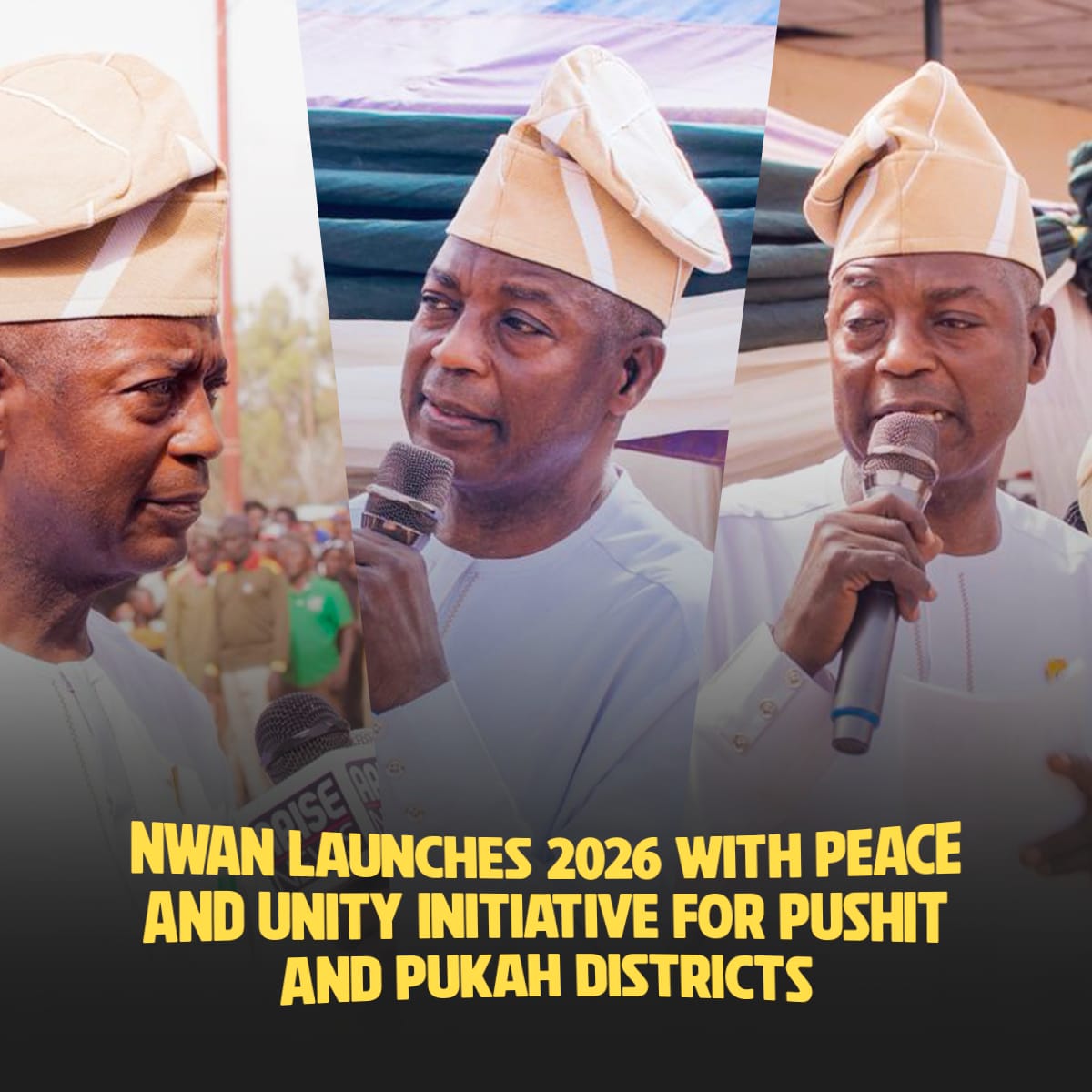
The initiative was described as a deliberate effort to strengthen unity and cooperation between Pushit and Pukah, districts with shared historical roots. Observers noted that the programme aims to promote inclusive governance, grassroots development and peaceful coexistence, while encouraging collaboration over division in political and social engagement.
Speakers at the event praised Chief Nwan for his consistent advocacy for peace, unity and people-centred leadership, describing his style as selfless, inclusive and guided by integrity and social responsibility.
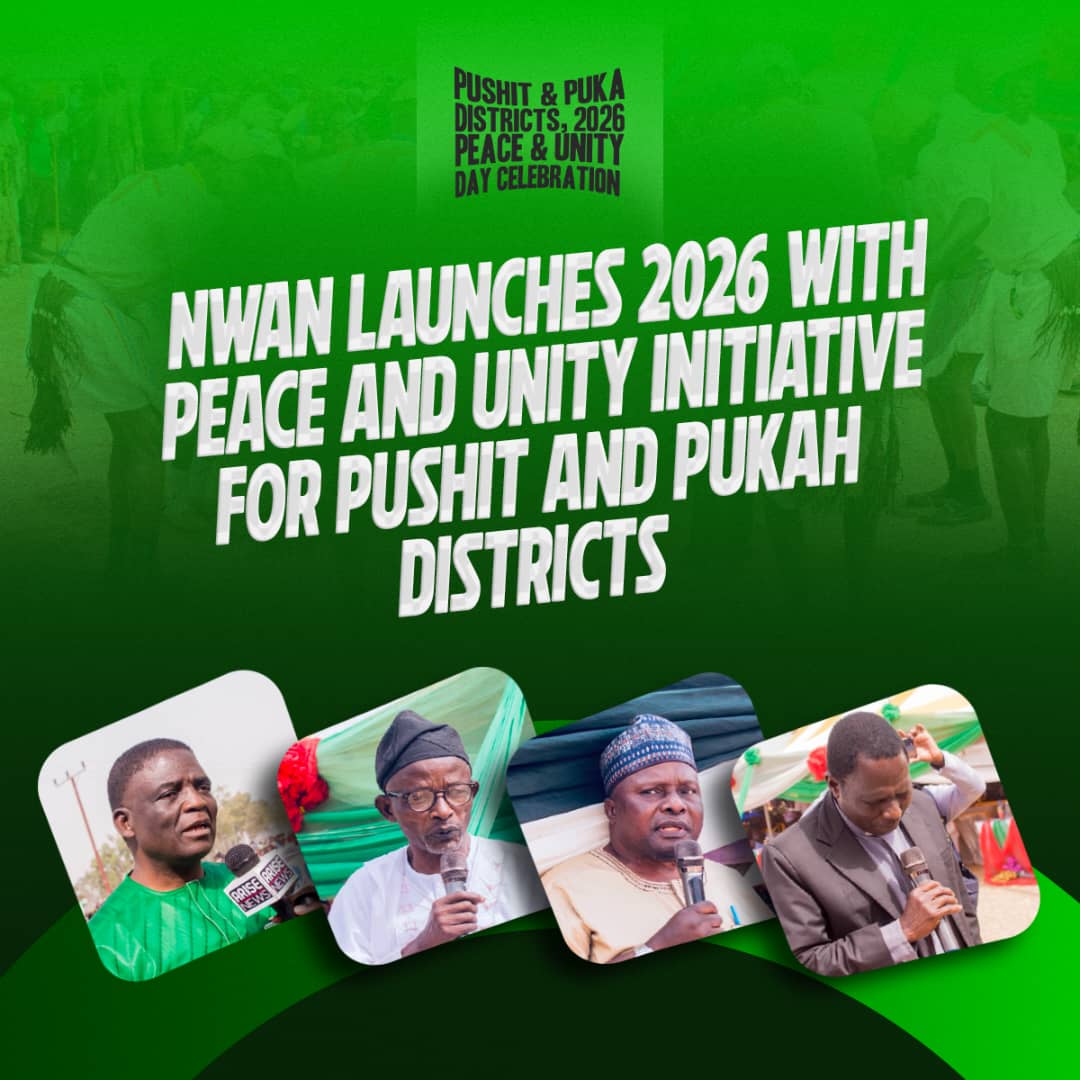
Since 2003, Chief Nwan has been involved in empowerment and humanitarian initiatives across Pushit, Pukah and neighbouring communities. Community leaders and beneficiaries testified to his support for widows, orphans, students, persons living with disabilities and youths, noting his commitment to unity and community welfare.
Delivering the keynote address, Bishop Professor Maurice Emmanuel Dafi of the Anglican Diocese of Maiduguri and Visiting Professor at Plateau State University, Bokkos, described Chief Nwan as a symbol of unity and accountability. He stressed that peace and unity are essential foundations for sustainable development and urged leaders to prioritise dialogue and humanitarian service.
Chairman of the occasion, Elder Gyemu Tyoden, described the initiative as timely, noting that dialogue and unity remain critical to sustaining peace and stability in Plateau State.
In his address, Chief Nwan, who holds the traditional title of Mishkagham Tong Riyang Pushit and serves as an Ambassador of AMPB United Nations World Peace and Positive Living under ECOSOC, said the initiative reflects his lifelong commitment to positively impacting lives, particularly among vulnerable groups. He emphasised that meaningful development can only thrive in an atmosphere of peace and unity.
He credited Governor Caleb Manasseh Mutfwang for his moral and political support, describing the governor as a strong advocate of unity and development. Chief Nwan clarified that the initiative is non-partisan and not driven by personal political ambition, but is aimed at supporting the governor’s vision and strengthening grassroots cohesion.
Goodwill messages were delivered by the Plateau State Chairman of the Peoples Democratic Party (PDP), Chief Raymond Dabo, Alhaji Yaro Maireke, and a representative of the state’s Permanent Secretaries, all of whom commended the initiative and called for collective support to ensure its success.
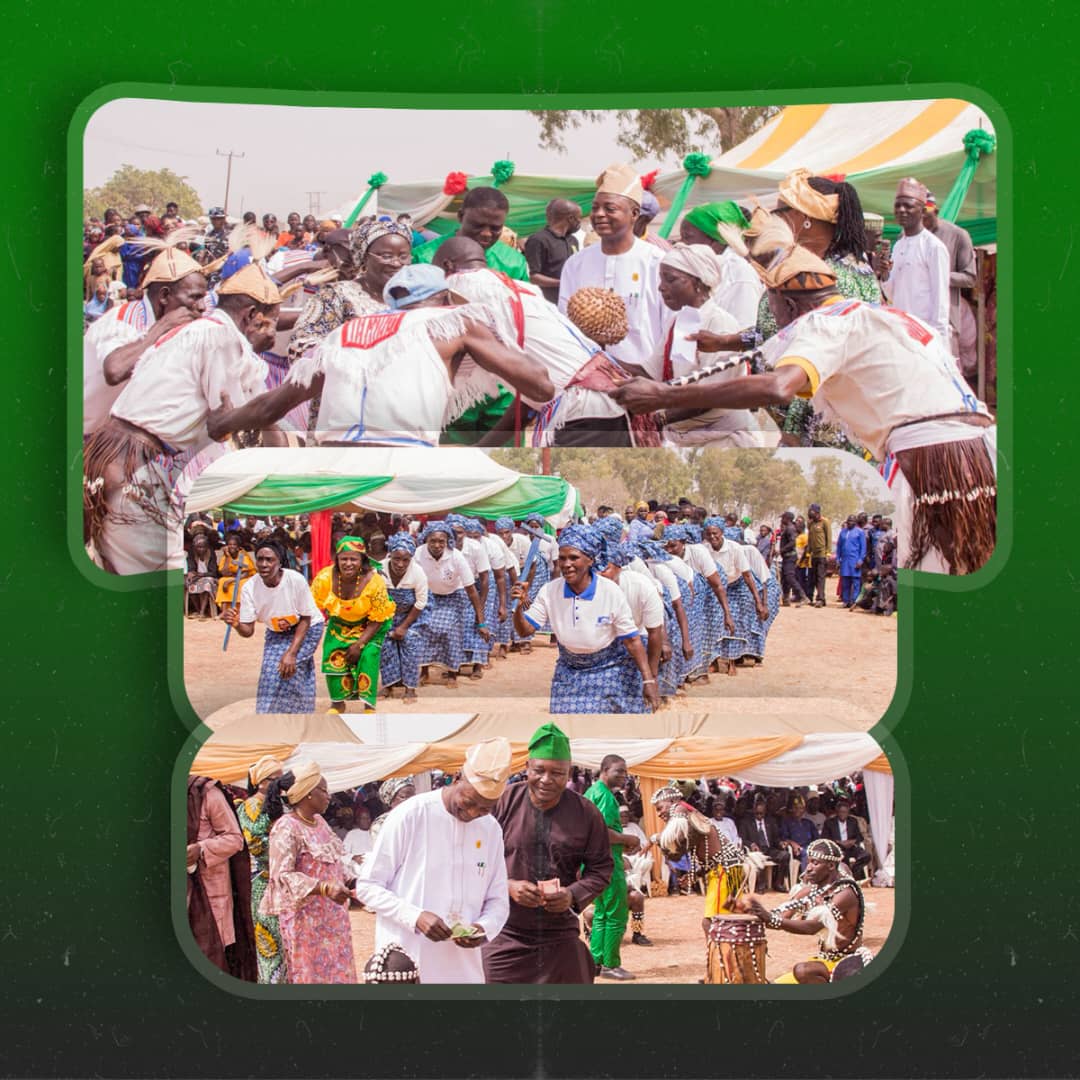
The event featured cultural performances celebrating the shared heritage of Pushit and Pukah, symbolising unity and mutual respect. District heads from both communities applauded Chief Nwan’s role as a unifier and urged residents to embrace the peace and unity agenda.
Held under the theme “In One Accord,” the Pushit and Pukah Peace and Unity Initiative was widely regarded as a non-partisan effort to strengthen social cohesion, improve governance outcomes and position the communities as active contributors to the development of Plateau State.
As the programme concluded, Chairman of the Planning Committee, Dr Zechariah Kuden, called on residents of Pushit, Pukah and the wider Plateau community to sustain the momentum by embracing inclusivity and cooperation, describing the initiative as the beginning of a new era of collective action and hope.


News
Boxing In Nigeria Is Like Hell Fire, National Welterweight Champion Michael Ikechukwu Raises Alarm

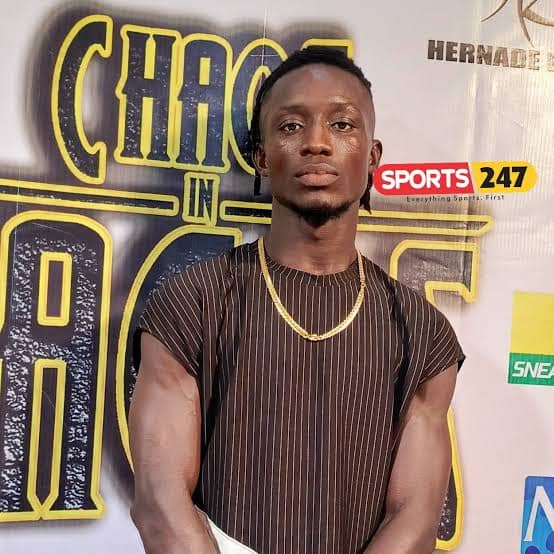
Nigeria’s national welterweight champion, Michael Ikechukwu (Odogwu) has raised alarm over the current state of the pugilist’s sport and submitted that boxing in the country is like hell fire.
Sports247 reports that the outspoken pugilist, who had his first professional fight in 2021, lamented over the low amounts that Nigerian boxers currently get as contract fees after their bouts.
Ikechukwu spilt the beans on the sordid state of professional boxing in Nigeria while speaking on Athlete’s Corner segment of Sports247’s television programme, Inside Naija Sports.
He added during the programme that airs weekly on YouTube and NTA News24 that Nigerian boxers are in the sport just because of passion they have for it, while relying on other jobs to stay alive
‘Odogwu’ recalled that he actually ventured into boxing five years ago after he was motivated by a dramatic scene he observed at Lagos National Stadium.
“Back then, I used to go for swimming sessions at the National Stadium. One day, I saw a female boxer fighting a male boxer, and she was doing it very well.
“I was amazed to see what a woman could do against a man. So, I went to the coach and asked how I could join his club. He agreed to take me, and I quickly registered.
“It was not easy at the beginning and, even after three months, I kept on having bruises and cuts; but I didn’t give up. I had a lot of passion for it.
“I even told myself that one day, I’ll not only be national champion, but I will also be world champion. I thank God that I’m now a national champion in my weight category,” Ikechukwu retorted.
However, while revealing his strong passion for the sport and how he has grown since his professional debut in 2021, ‘Odogwu’ confessed that the biggest challenge for him is the issue of paltry payments handed to boxers in Nigeria.
“I’m happy with my journey so far in boxing. It’s now five years for me, but I just have to confess that, in Nigeria, boxing is hell.
“Yes, boxing is like hell fire in Nigeria, but I’ve enjoyed my five years in it because I love boxing with a strong passion. Many of us like the sport, but Nigeria is not helping us.
“Number one, the income we get as boxers is too low. It’s interesting to be a boxer but, in Nigeria, you must have a side-job in order to stay alive.
“That’s why so many Nigerian boxers go back to drive keke Marwa or ride okada after fighting in the ring. I also have my own side business that I’m doing.
“Without that side-job, I won’t be looking good. In fact, I would be like a rag. That’s because I’m not surviving on boxing money, but I have the passion to continue because I believe, one day, I’ll be a world champion,” Ikechukwu concluded.
-

 News2 days ago
Governor Mutfwang Begins Strategic Assessment to Restore Plateau’s Heritage, Boost Tourism
-
News3 days ago
Elon Musk repeatedly one-upped his execs on SpaceX’s first earnings call
-
Health4 days ago
Two deaths recorded as US battles Cyclosporiasis outbreak
-
News4 days ago
Osun political parties elect factional IPAC executive committee