Connect with us

Featured

“We Risk Our Lives to Survive” – Plateau Youths Defend Illegal Mining Despite Dangers

info

Published

on

Miners

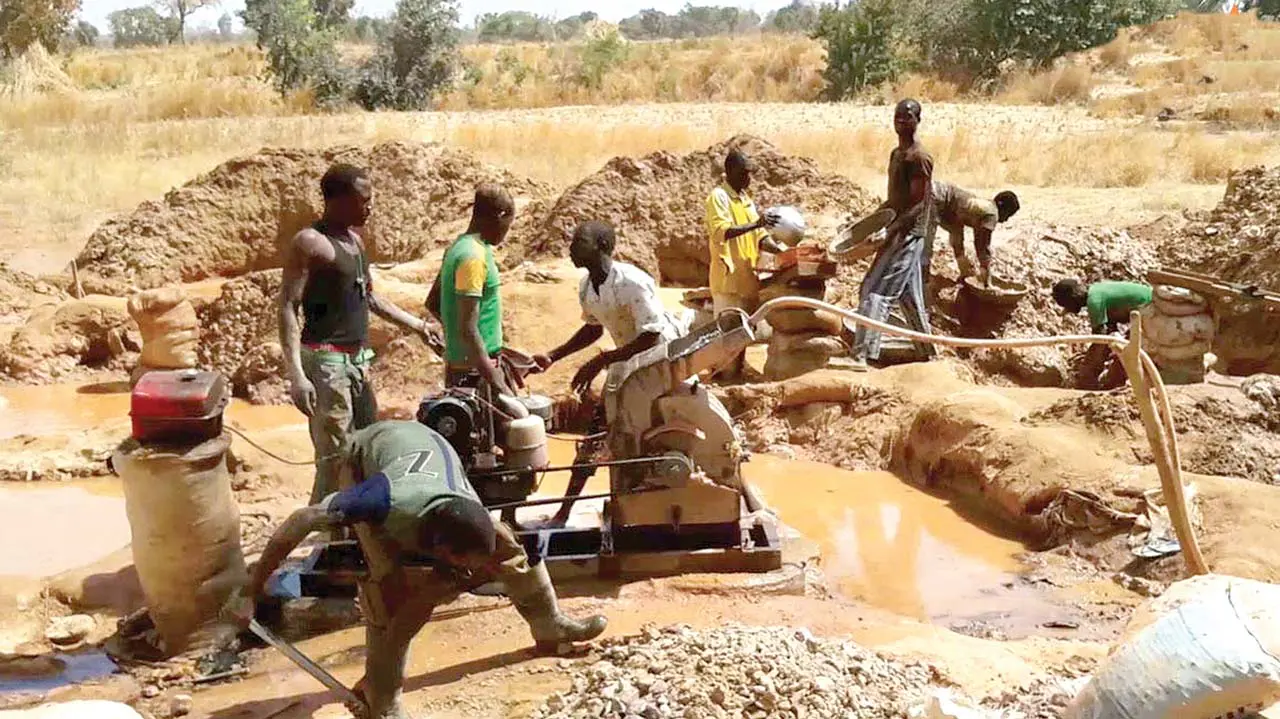
Despite the grave dangers associated with illegal mining in Plateau State, many youths involved in the risky trade say harsh economic realities have left them with little choice but to continue.

Over the past year, the state has recorded several tragic incidents linked to illegal mining. A few months ago, four young men lost their lives while others were trapped when a mining pit collapsed in Dura community, Jos South Local Government Area.

In another incident earlier in the year, a mining site reportedly belonging to a prominent politician caved in, burying several youths, including two brothers. Although there were public outcries for justice, the matter quietly faded away.

Illegal mining has also been linked to rising insecurity. In Bokkos Local Government Area, bandits attacked a group of miners, killing 12 people and injuring more than 10 others.

Official statistics indicate that in 2025 alone, over 50 youths and women have died from mine collapses and attacks connected to illegal mining. However, miners insist the actual figure is higher, as many deaths go unreported.

Government Steps In:

Concerned by the frequent tragedies and the growing security threat posed by illegal mining, Governor Caleb Mutfwang took decisive action earlier this year by signing Executive Order 001 of 2025, suspending all mining activities across Plateau State.

According to the governor, the suspension was necessary to protect the environment, tackle insecurity, and safeguard the wellbeing of citizens.

“Given the rising security concerns associated with illegal mining, we must take decisive action. All mining operations are hereby suspended until further notice,” Mutfwang declared while signing the order.

He explained that the measure was aimed at curbing illegal mining, addressing land degradation, preventing child labour, and tackling the influx of unregulated foreign miners believed to be fueling banditry, kidnapping and arms trafficking.

Ban Fails to Stop Illegal Mining:

However, the suspension has not stopped illegal mining. In areas such as Barkin Ladi and Mangu LGAs—where tin and columbite are abundant—mining continues openly.

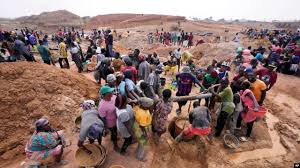
One site in Kassa community, Barkin Ladi, operates almost like a regulated hub, attracting thousands of miners, traders and buyers from as far as Abuja and neighbouring states. Daily activities there suggest business as usual, despite the government ban.

But behind the bustling trade lies a constant risk of disaster. Collapsing pits, accidents and attacks remain everyday realities.

“We Have No Alternative”

During a visit to the Kassa mining site, PlateauReports spoke with several miners to understand why they continue risking their lives.

Their responses revealed frustration, hopelessness and a struggle for survival.

“I know this mining is illegal, but we are pushed into it because we must survive,” said Choji Dung.
“Our government has not provided jobs for the youth. Even if you want to farm, Fulani bandits will not allow you. So what do we do?”

Another miner, Sam Pam, said poverty left him with no option.

“I know it is dangerous, but I have to feed my family. I cannot steal, so this is the only thing I can do.”

For Samuel Bitrus , a university graduate, illegal mining has become a last resort.

“I have a B.Sc in Business Administration. I graduated seven years ago and have not found a job. I have a wife, three children and aged parents to care for. How do I survive if I don’t do this?”

He admitted knowing the risks but insisted survival comes first.
“Life is about taking risks to survive.”

Tom Damap recounted painful personal experiences.

“I have seen a pit collapse on my friends and bury all five of them alive. Anytime I leave home, I tell my wife to expect two things: either I return alive or they bring my dead body.”

Yet he remains undeterred.
“There are no jobs anywhere. This is the only way to survive.”

Others expressed similar sentiments.

A Complex Challenge

The plight of these youths highlights the difficult balance between enforcing the law and addressing unemployment and poverty.

While the government insists the ban is necessary to save lives and restore order, many miners believe it ignores their economic reality.

As illegal mining continues to thrive across Plateau State, the question remains: how can authorities curb the deadly practice while providing alternative livelihoods for thousands who depend on it?

Continue Reading
Click to comment

Leave a Reply

Your email address will not be published. Required fields are marked *

Featured

“Plateau Women Are Powerhouses” — Mrs Gagdi, Laylah Othman Praises Resilience, Unveils Plans to Boost Local Economy

info

Published

on

By

Laylah Al

In the quiet setting of her residence in Jos, Plateau State, Laylah Ali Othman speaks with a conviction that reflects both admiration and purpose. The CEO of the Gagdi Foundation and wife of Hon. Yusuf Adamu Gagdi does not just see Plateau as a place—she sees it as a land of promise, strength, and untold stories waiting to be shared.

“Plateau is a beautiful city,” she says, her voice calm but assured. “The land is green. Whatever you plant grows here.” She gestures toward her surroundings, even pointing out apple trees she has personally planted—thriving, she notes, as a symbol of the region’s fertility and potential.

But beyond the lush landscape, it is the people—especially the women—that have captured her heart.

In a media chat, Othman painted a vivid picture of the Plateau woman: resilient, industrious, and self-reliant. Unlike what she describes as the norm in parts of the far North where she hails from—where women often stay at home—she says Plateau women have carved out a different narrative for themselves.

“They don’t wait for men to provide,” she explains. “They go out, they farm, they sell, they even work as labourers at construction sites. It’s inspiring.”

Her admiration is unmistakable. For Othman, these women are not just surviving—they are building lives with dignity and determination. She contrasts them with those who, in her words, “waste their lives,” stressing the importance of celebrating hard work and self-reliance.

“The Plateau woman needs to be spotlighted,” she insists. “When we celebrate them, more women will be encouraged to follow that path.”

She speaks passionately about economic empowerment, urging stakeholders to look beyond the surface. According to her, the transformation potential is enormous.

“Imagine a woman earning just ₦2,000 a day from carrying logs. Imagine what she could do with ₦1 million. Their hands are blessed,” she says, underscoring her belief in grassroots enterprise and the impact of targeted support.

Beyond individual success stories, Othman is also concerned about the broader image of Plateau State. She challenges the dominance of negative narratives, often shaped by outsiders, and calls for a shift in perspective.

“The media is powerful. We see how countries like America and France promote their good sides, and we believe it,” she notes. “We need to tell our own stories—the good things happening here, not just the bad.”

She emphasizes unity across ethnic and religious lines, highlighting the everyday cooperation among residents as a strength that deserves amplification.

“We do business together. We live together. We must not allow people outside Jos to define us with only negative stories,” she says. “If we work together, we will all prosper.”

That vision is not just rhetorical. Othman revealed plans to launch a new project in Jos aimed at creating jobs and stimulating the local economy. While details remain under wraps, she hinted at a significant impact.

At the same time, she announced an ongoing rebranding of the Gagdi Foundation, with a renewed focus on women, girls, and vulnerable groups across the state.

Her closing words carry both pride and commitment: “I believe in Plateau, and I love and support the Plateau women.”

In a region often defined by its challenges, Laylah Othman is choosing to spotlight its strength—one story, one woman, and one opportunity at a time.

Continue Reading

Featured

Gagdi Gifts Vehicles to Aides for Outstanding Service

info

Published

on

By

IMG 20260427 WA0014

Member representing Pankshin, Kanke and Kanam Federal Constituency, Yusuf Adamu Babayo Gagdi, has presented brand new vehicles to two of his aides in recognition of their dedication and service.

The presentation, which took place on Sunday at his residence, saw Barr. Jaafar Adamu, his Private Personal Assistant, and Usman Modibbo Lawal, his Private Secretary, each receive a Peugeot 406 (Prestige).

Gagdi, who was accompanied by his wife, Hajia Laila, said the gesture was a token of appreciation for the aides’ honesty, commitment and diligence in the discharge of their duties.

He noted that rewarding hard work remains essential in motivating staff and encouraging greater productivity, adding that the recognition would inspire them to continue delivering quality service.

The beneficiaries expressed gratitude for the gesture, describing it as a morale booster and a call to further dedication in their respective roles.

Continue Reading

Trending