Health
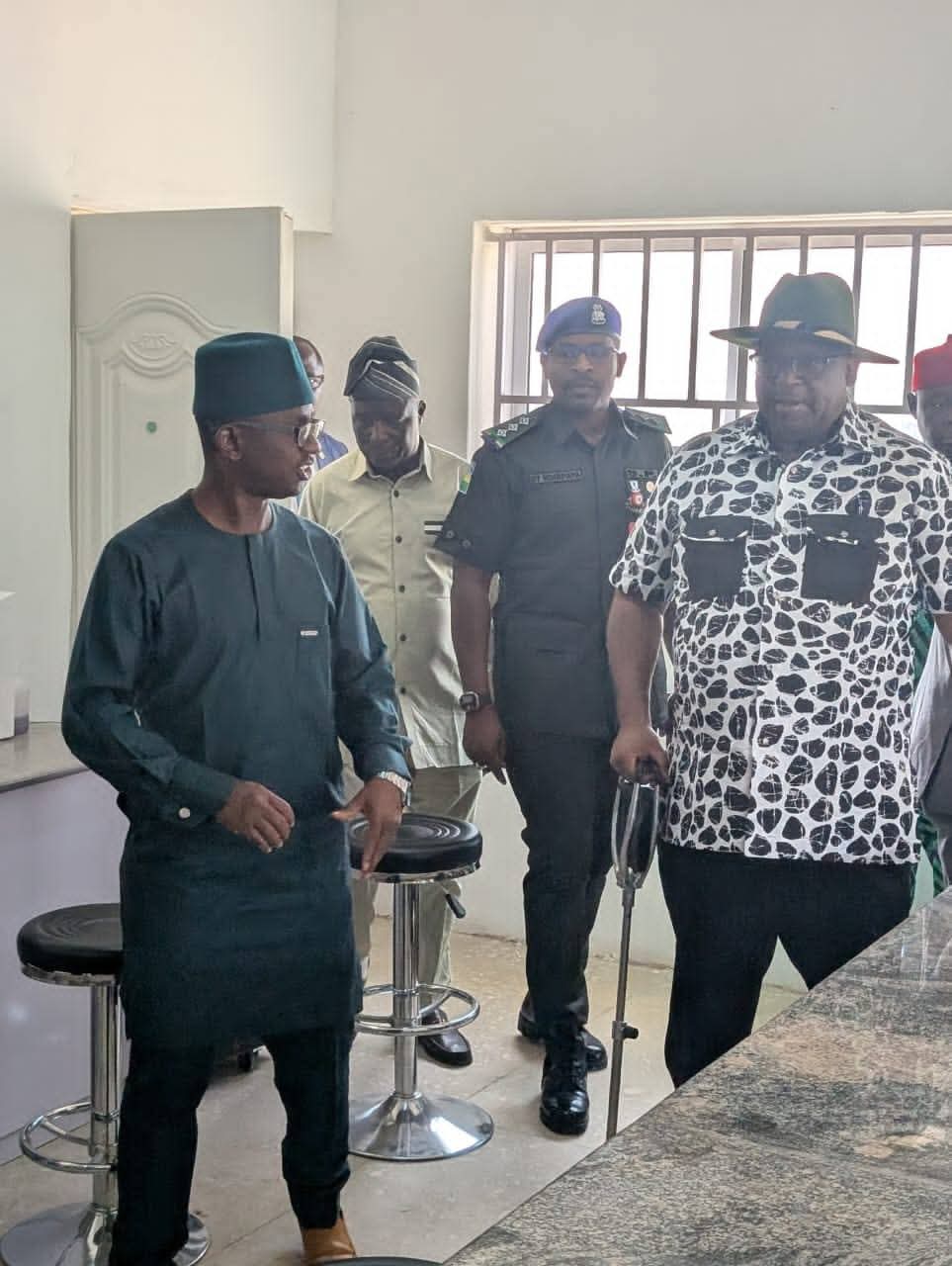
Plateau Specialist Hospital Praises Mutfwang’s Visionary Leadership at Three-Year Anniversary


As temperatures rise across parts of Nigeria, health authorities are warning residents to take precautions against the effects of extreme heat.
The warning comes as the country moves from the rainy season into the hotter, drier months, when prolonged exposure to high temperatures can increase the risk of dehydration, heat exhaustion and heatstroke.
A recent report by the Climate Impact Lab estimated that Nigeria could record 31,400 additional heat-related deaths between September 2026 and February 2027.
The report, titled “451,000 at Risk: Where Action Can Save Lives During the Super El Niño,” estimated 451,000 additional heat-related deaths globally during the period.
The Nigerian Meteorological Agency (NiMet), in a 23 October advisory, also warned of hotter days and increased heat discomfort as the country enters the dry season.
The agency said changing weather conditions, including reduced rainfall and cloud cover, could contribute to rising temperatures. It warned that excessive heat could cause dehydration, heat exhaustion and heatstroke.


People most at risk
Extreme heat can affect anyone, but some people are more vulnerable to its effects.
The World Health Organisation (WHO) identifies older people, young children, people with chronic illnesses and outdoor workers among those who face greater health risks during periods of extreme heat.
People living with heart, lung or kidney conditions, diabetes and other chronic illnesses may also experience worsening symptoms when temperatures become very high.
Outdoor workers, including farmers, construction workers, traders and others who spend long periods under the sun, can also be exposed to heat for several hours without adequate opportunities to cool down.
WHO said extreme heat places additional stress on the body as it tries to maintain a normal temperature. Prolonged exposure can increase the risk of heat exhaustion and heatstroke and may also worsen existing health conditions.
What should you do?
NiMet advised Nigerians to drink water regularly and wear lightweight, breathable clothing.
It said people should also limit prolonged exposure to direct sunlight, particularly during the hottest periods of the day, and strenuous physical activities should be moved to cooler hours.
NiMet further urged schools and workplaces to ensure adequate ventilation, provide drinking water and shaded rest areas, and allow regular breaks during hot weather.
WHO similarly advises people to avoid strenuous activity during the hottest part of the day, stay in shaded or cool places and keep their homes as cool as possible.
People should also check on relatives, neighbours and friends who may be more vulnerable, particularly older people and those living alone.
WHO urged parents to take extra care with young children. Children should not be left alone in parked vehicles, as temperatures inside vehicles can rise rapidly even when the weather outside does not appear extreme.
READ ALSO: WHO pledges support as Nigeria records first imported Ebola case
Warning signs
Symptoms of heat exhaustion may include heavy sweating, weakness, headache, dizziness and nausea. Moving the person to a cooler place, giving fluids where they are able to drink and helping them cool down can help prevent the condition from becoming more serious.
Heatstroke is different and requires urgent medical attention. According to WHO, heatstroke is a potentially fatal medical emergency. Someone with hot, dry skin, delirium, convulsions or loss of consciousness during extreme heat should receive immediate medical attention.
The Climate Impact Lab said the projections provide an opportunity for governments and humanitarian organisations to identify vulnerable populations and direct resources towards interventions that can save lives.
NiMet has also urged Nigerians to follow official weather forecasts and advisories as conditions change.
Discover more from Premium Times Nigeria
Subscribe to get the latest posts sent to your email.
The Lagos State government says it has stepped up preparedness measures and is prepared to respond following Nigeria’s confirmation of an imported case of Ebola disease in the Federal Capital Territory (FCT).
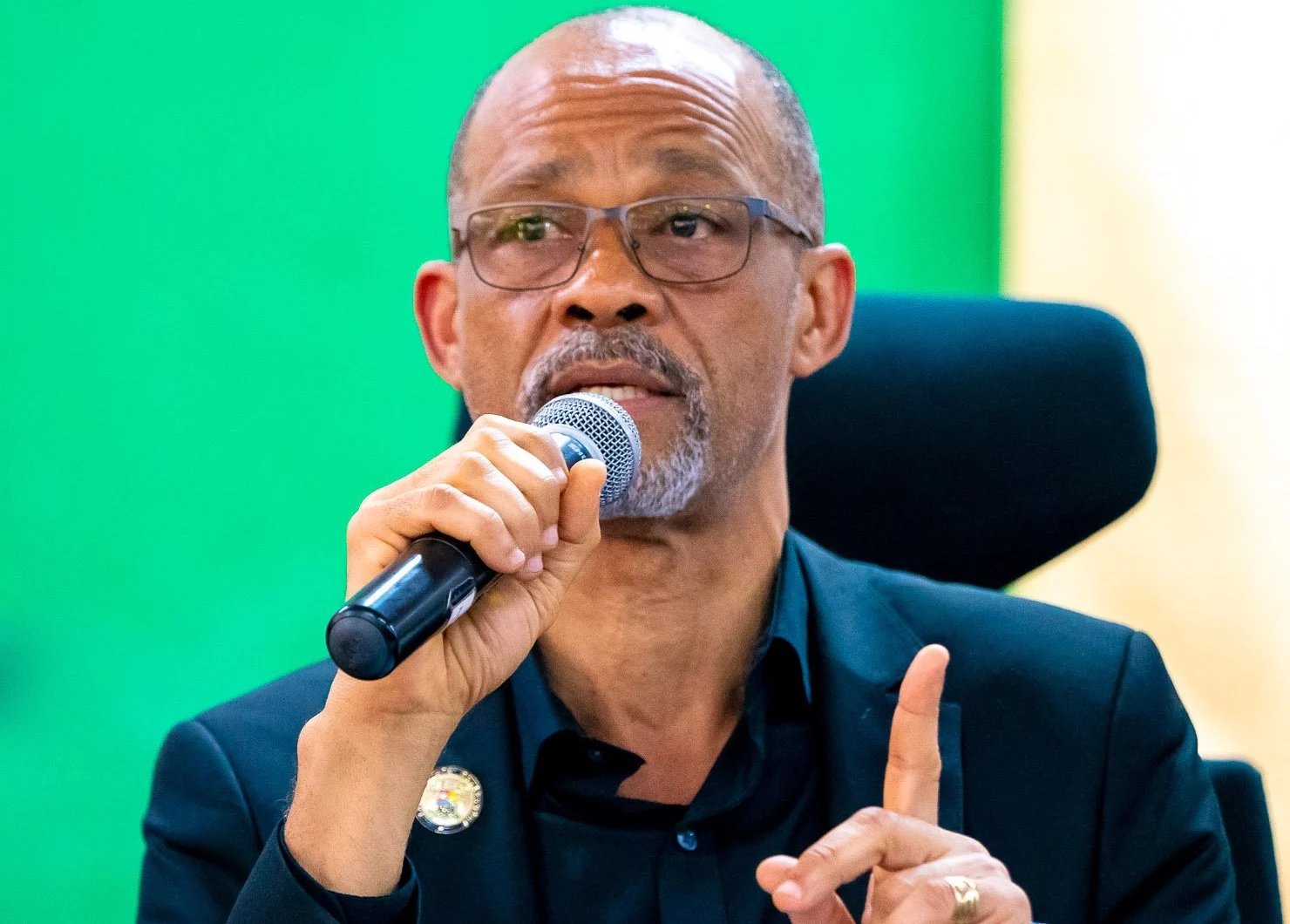
The state’s Commissioner for Health, Akin Abayomi, said Lagos remains on “high alert and preparedness” and is treating the situation as a priority.
“Lagos is a gateway city with constant movement to and from Abuja, and we are treating this as a priority,” Mr Abayomi said in a statement posted on X on Friday.
He said the state’s Emergency Operations Centre (EOC) had been working ahead of the confirmation, with measures being put in place across surveillance, isolation, laboratory testing, infection prevention and control.
‘Lagos is prepared’
Mr Abayomi said response teams are conducting simulation exercises to ensure that responders understand their roles before they are needed.
He said the state’s isolation centre has also been upgraded, while additional capacity is being developed.
He noted that training on infection prevention and control is continuing for health workers across public and private health facilities.
The commissioner said Lagos is also establishing a clear laboratory testing pathway, aiming to obtain results within 24 hours.
He noted that screening at airports and other points of entry is being strengthened in collaboration with federal authorities, while disease surveillance is being digitally enhanced on the state’s digital health surveillance platform to support real-time detection, tracing and response.
A “dedicated Ebola Research Committee” is also reviewing the latest evidence on treatment and vaccines to guide the state’s decisions.
Advice to residents
The commissioner urged residents to wash their hands regularly with soap and water and avoid contact with the blood or body fluids of anyone who is ill.
He advised anyone who develops fever, weakness, vomiting, diarrhoea or unexplained bleeding, or believes they may have been exposed, not to self-medicate.
“If you develop fever, weakness, vomiting, diarrhoea or unexplained bleeding, or think you have been exposed, do not self-medicate. Call before visiting a health facility,” he said.
Mr Abayomi also urged health workers to maintain a high index of suspicion, ask about patients’ travel history and use appropriate personal protective equipment.
Residents can report suspected cases or possible exposure through “the Lagos emergency numbers, 112 or 767, or the Directorate of Epidemiology, Biosecurity and Global Health on 0802 316 9485.”
The commissioner urged residents to remain calm, stay alert and rely on official information from the Lagos State Ministry of Health.
Lagos’ 2014 experience
The government’s preparedness comes against the backdrop of Lagos’ experience during Nigeria’s 2014 Ebola outbreak.
Patrick Sawyer, a Liberian diplomat infected with Ebola, arrived in Lagos on 20 July 2014. He was admitted to a private hospital in the city, where the disease was subsequently confirmed.
Nigeria recorded 20 Ebola cases during the outbreak, including eight deaths, before the country was declared free of Ebola transmission on 20 October 2014 after 42 days without a new case.
READ ALSO: Kenya records second Ebola death
Nationwide response
The federal government continues to urge states to strengthen their response systems.
The Coordinating Minister of Health and Social Welfare, Muhammad Pate, said 21 states have updated their Ebola response plans, while the remaining 15 states are being urged to expedite their preparedness and response mechanisms.
The government has also called on healthcare facilities nationwide to strengthen infection prevention and control, promptly identify and isolate suspected cases and report them to public health authorities.
Nigeria currently has one confirmed imported Ebola case, while 44 contacts of the patient are being monitored.
Discover more from Premium Times Nigeria
Subscribe to get the latest posts sent to your email.
-

 News2 days ago
Obi, Kwankwaso to hold Middle Belt Youth, Village Hall Meeting in Jos
-
News3 days ago
Blacksmith hits unicorn valuation after Sequoia leads Series C
-
News2 days ago
Handball President Jibril Saidu Ojih Explains Reasons Behind Introduction Of Transfer Fees For Nigerian Players
-
Entertainment2 days ago
FOGMMON PLATEAU CONGRATULATES EJIDIKE UGOCHUKWU (𝙈𝙞𝙣𝙨𝙩𝙧𝙚𝙡 𝙅𝙞𝙙) ON HIS APPOINTMENT AS NATIONAL PRESIDENT