Education
UNIJOS Flags Off Awareness Rally Ahead of Historic 27th NUGA Games


The University of Jos (UNIJOS) has officially flagged off its awareness rally ahead of the 27th edition of the Nigeria University Games Association (NUGA), scheduled to hold in 2025 — a landmark event that will make history as the first-ever NUGA hosted in North Central Nigeria.
The colorful rally, which kicked off from the Hill Station Roundabout in Jos, attracted a massive turnout of students, staff, alumni, and dignitaries, all expressing their excitement and readiness for the upcoming games.

Speaking during the flag-off, the Vice Chancellor of the University of Jos, Prof. Tanko Ishaya, described the rally as the official countdown to the historic 27th NUGA Games, assuring that UNIJOS was fully prepared to deliver the best edition in the event’s history.
“We are here to tell the world that UNIJOS is ready. The students, staff, and the entire Plateau community are prepared to receive contingents from across the country. We promised Nigeria the best NUGA ever — and we are going to deliver it,” Prof. Ishaya declared.
He emphasized that Jos was safe and open to visitors, urging Nigerians not to be swayed by negative perceptions of the city.
“As you can see, everyone is out, happy, and excited. Jos is safe, and we are ready to host the nation,” he added.
The Vice Chancellor also expressed appreciation to the Federal Government for its support through the National Sports Commission and the Ministry of Education, commending President Bola Ahmed Tinubu for prioritizing sports and youth development. He revealed that UNIJOS had been designated one of ten National Centres of Excellence in Sports.
According to him, the university has introduced new academic programs — including Sports Science, Sports Medicine, and Exercise and Performance Studies — to strengthen Nigeria’s sports sector and enhance its contribution to the nation’s GDP.
Prof. Ishaya further acknowledged the Plateau State Government, led by Governor Caleb Mutfwang, for its strong partnership in ensuring the success of the 27th NUGA Games, including financial support and the provision of facilities to host thousands of visitors.
“The state government has been very supportive because they know hosting over 10,000 visitors will significantly boost the local economy,” he said.
In his remarks, Gad Shamaki Peter, Global President of the UNIJOS Alumni Association, described sports as a vital instrument for national unity and youth empowerment. He said the 27th NUGA Games would not only highlight the potential of Nigerian youths but also reshape the narrative about Plateau State by promoting peace, development, and tourism.


Chairman of the Media and Publicity Sub-Committee for NUGA, Prof. Taye Obateru, underscored the importance of the event, noting that it would showcase the peace, hospitality, and vibrancy of Jos.
“UNIJOS is ready to impact society, develop sports talent, and build partnerships that will boost both sports and business in the state,” Obateru said.
With anticipation already high, the 27th NUGA Games at UNIJOS is poised to be a historic celebration of sportsmanship, unity, and excellence — one that will bring students from across the nation together and showcase Plateau State as a beacon of peace and hospitality.





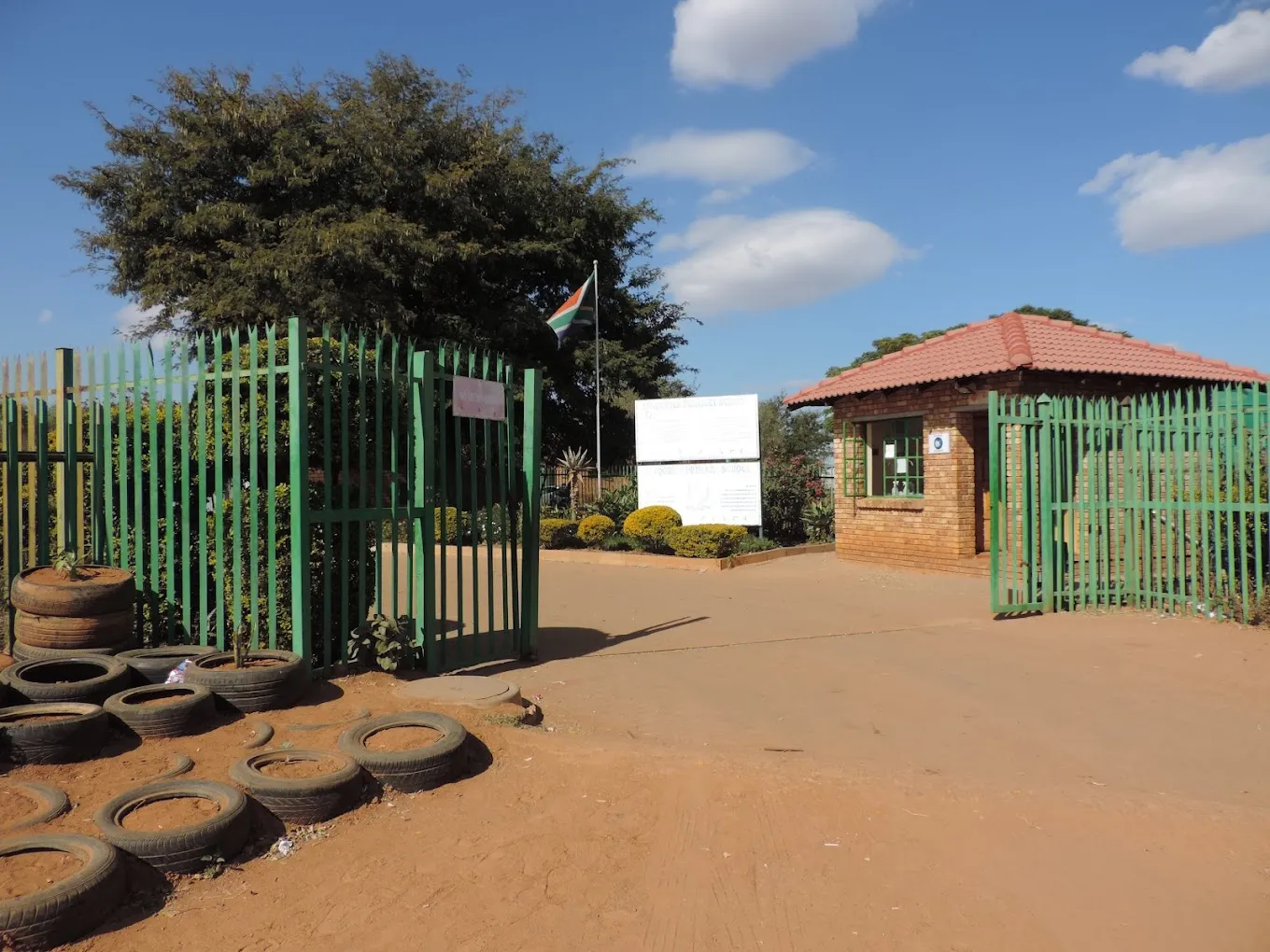
An 11-year-old pupil at Sinqobile Primary School in Soshanguve, South Africa, was allegedly dragged into a school toilet and forcibly circumcised by four older students during break time.
The Grade 5 pupil was reportedly attacked by four Grade 7 students, who allegedly pinned him down before one of them used a sharp blade to remove his foreskin.
The boy was also allegedly threatened with violence if he disclosed the incident to anyone.
According to his mother, the child returned home after the incident but initially refused to tell her what had happened. She later noticed that he was walking unusually and, days later, discovered that he was in severe pain.
The mother said her son eventually showed her his swollen private parts, prompting her to rush him to a doctor.
“He then showed me his swollen private parts and I rushed him to the doctor and it was then that we learned four pupils had circumcised him,” she said.

She said her son told her that the older boys had attacked him in the school toilets during break and threatened to beat him if he told anyone.
The mother subsequently opened a criminal case and refused to allow her son to return to school. Police later persuaded the boy to attend an identity parade, where he reportedly helped identify the four students.
South African Police Service spokesperson, Captain Tintswalo Sibeko, confirmed that a case of assault with intent to cause grievous bodily harm was being investigated.
“Our Family Violence, Child Protection and Sexual Offences Unit are investigating and no arrests have been made at this stage,” Sibeko said.
The Gauteng Department of Education also confirmed that the matter was under police investigation, while saying the school had not reported any similar circumcision attacks.
Deputy Principal George Mahlungu said the school was shocked by the incident.
“We are perplexed by what happened. This school is a place where a child should be safe,” he said.
The school has about 2,050 pupils between the ages of seven and 15.
A doctor who examined the boy reportedly said the procedure appeared to have been carried out in a manner similar to traditional tribal initiation practices. However, the doctor said a full diagnosis could not be made until the swelling subsided.
The boy’s mother said her son had become traumatised by the incident and was afraid to return to school.
Police investigations are ongoing, and no arrests had been made as of the latest report.
-

 News3 days ago
Meta releases its first frontier model, Muse Wonder
-
News3 days ago
EuroMatch NPFL: ‘We Never Gave Up!’ — Fidelis Ilechukwu Hails Rangers’ Fighting Spirit, Reacts to Two Penalties Against Barau FC
-
Health3 days ago
Kwara public hospitals introduce digital medical records
-
Health2 days ago
AMR: Livestock uses more antibiotics than human health sector