News
Stakeholders Issue Communiqué on Tackling Farmer-Herder Conflicts in Plateau

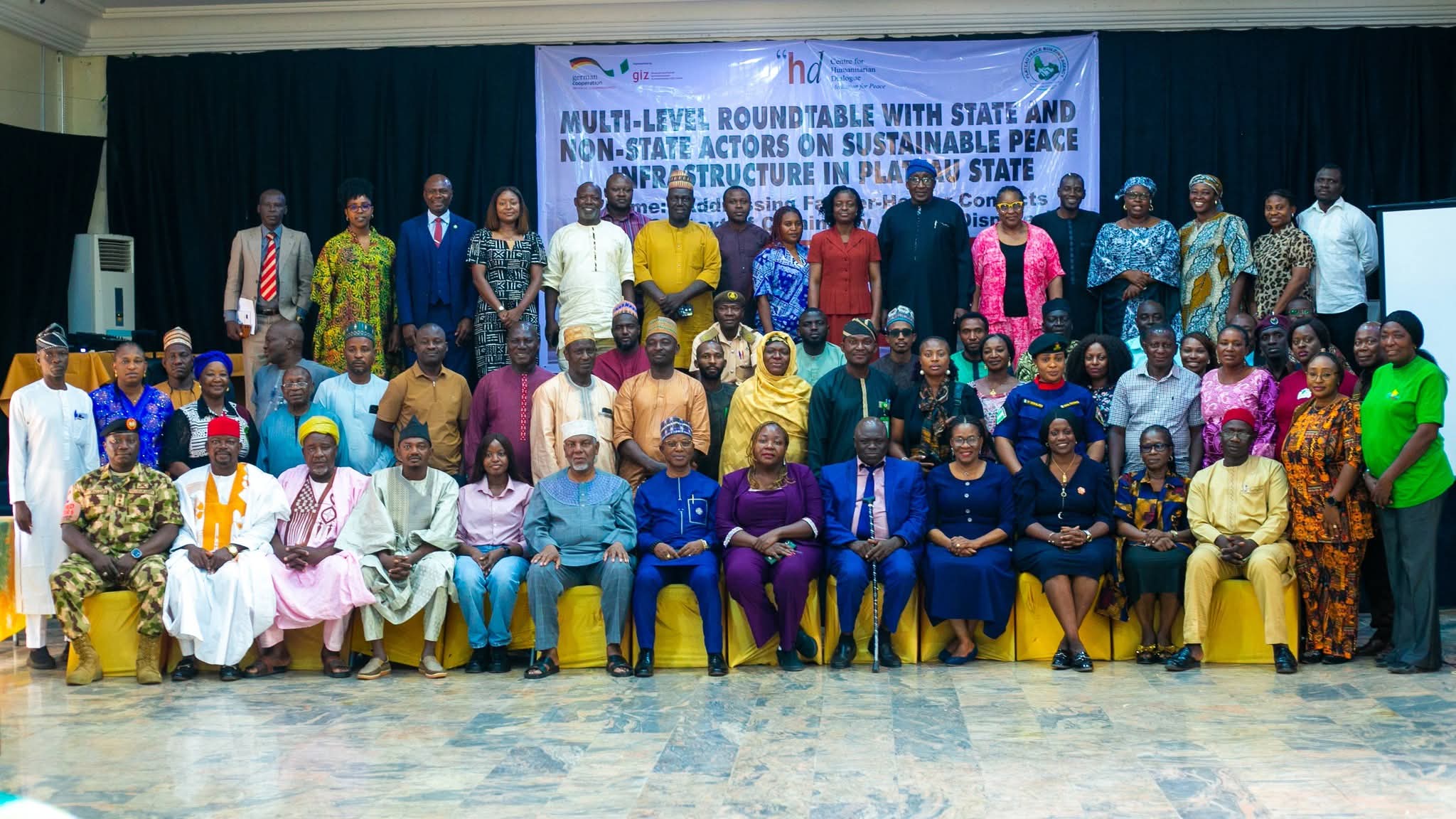
Stakeholders from across Plateau State have issued a communiqué outlining key challenges and recommendations for addressing farmer-herder conflicts, criminality, and land disputes in the state.
The communiqué was released at the end of a two-day Multi-Level and Multi-Sectoral Roundtable on Sustainable Peace Infrastructure held at Novel Suites, Jos, from April 21 to 22, 2026.
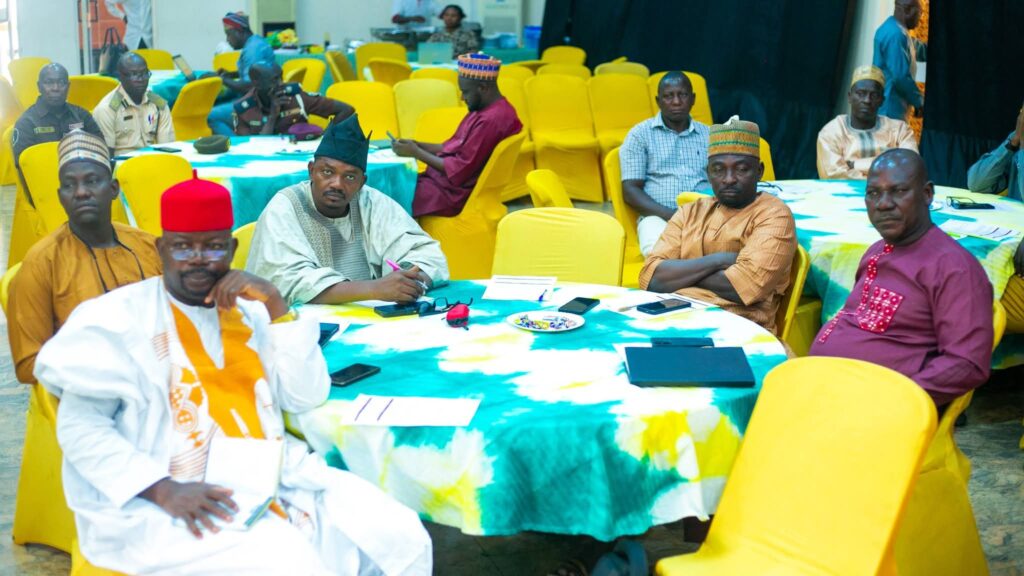
The roundtable brought together government officials, traditional rulers, civil society organizations, security agencies, women and youth groups, as well as other critical actors to deliberate on strategies for strengthening peace and stability in Plateau State.
Focus on Dialogue and Sustainable Peace
Participants said the engagement provided a platform to examine the root causes of recurring conflicts and develop actionable strategies to promote peaceful coexistence.
The discussions, which included two panel sessions, explored issues around criminality, land disputes, and farmer-herder tensions, with emphasis on building trust, enhancing coordination, and strengthening existing peace structures.
Key Challenges Identified
In the communiqué, stakeholders highlighted several interconnected challenges fueling insecurity in the state.
Top among them were persistent security threats, including cattle rustling, kidnapping, illegal mining, and arms trafficking, as well as difficulties in identifying perpetrators, particularly alleged foreign elements.
They also pointed to weak law enforcement, limited trust between communities and security agencies, and operational challenges faced by security personnel.
Farmer-herder tensions were attributed to crop destruction, retaliatory attacks, underage grazing, and increasing competition over land and natural resources due to population growth.
Land-related conflicts, including land grabbing, poor documentation, displacement, and weak enforcement of land laws, were also identified as major drivers of violence.
Other concerns raised included governance gaps, lack of political will, inadequate identification systems, poverty, and limited access to modern agricultural practices.
Participants further decried the role of misinformation and unprofessional reporting in escalating tensions, as well as the impact of gender-based violence and the marginalization of women and vulnerable groups.
Stakeholders Proffer Solutions
To address these challenges, stakeholders called for strengthened security and justice systems through improved collaboration among security agencies, enhanced intelligence gathering, and the deployment of technology.
They also recommended continuous dialogue between farmers and herders, establishment of early warning systems, and the creation of joint platforms for resolving disputes.
On land governance, participants urged the government to enforce land laws, improve land documentation, and ensure fair resettlement processes for displaced communities.
They further advocated for the adoption of modern farming and livestock practices, including access to financial and technical support, improved seeds, and better farm security measures.
Stakeholders emphasized the need for inclusive governance, calling for the integration of herders into formal security structures and stronger collaboration between government and communities.
They also stressed the importance of responsible journalism and conflict-sensitive reporting, as well as the enforcement of laws addressing gender-based violence and the inclusion of women in peacebuilding efforts.
Commitment to Lasting Peace
The stakeholders reaffirmed their collective commitment to addressing the root causes of conflict and building resilient communities across Plateau State.
They urged the government to implement past recommendations, strengthen citizen engagement, improve population data systems, and facilitate the safe return of displaced persons.
The communiqué concluded with a call for sustained collaboration among all actors to ensure a peaceful, stable, and prosperous Plateau State.



Gatefield, a public strategy and media group, will convene health policymakers, innovators, and creative-sector leaders in Abuja on 21 and 22 October to discuss how to expand successful health interventions and integrate them into wider health systems.
The 2026 Gatefield Health Summit, themed “Scaling What Works,” will focus on the policy, financing and institutional barriers that limit the expansion of proven health solutions across Africa.
The event, which will also be accessible virtually, is expected to bring together stakeholders to examine how grassroots initiatives, digital health tools and locally developed solutions can move beyond isolated successes and reach more communities.
Building on 2025 discussions
The summit comes a year after the inaugural edition, where experts and policymakers called for stronger domestic health financing, community-led innovation and greater use of data and local expertise to build resilient health systems.
Participants at the 2025 summit also raised concerns about the sustainability of health interventions that rely heavily on external funding, while advocating greater investment in locally developed solutions and stronger community ownership of health programmes.
The discussions also highlighted the need for African countries to use evidence, research and local expertise more effectively in shaping health policies and designing health systems.


Building on those concerns, this year’s summit will focus on what is required to move effective interventions from individual projects to wider adoption.
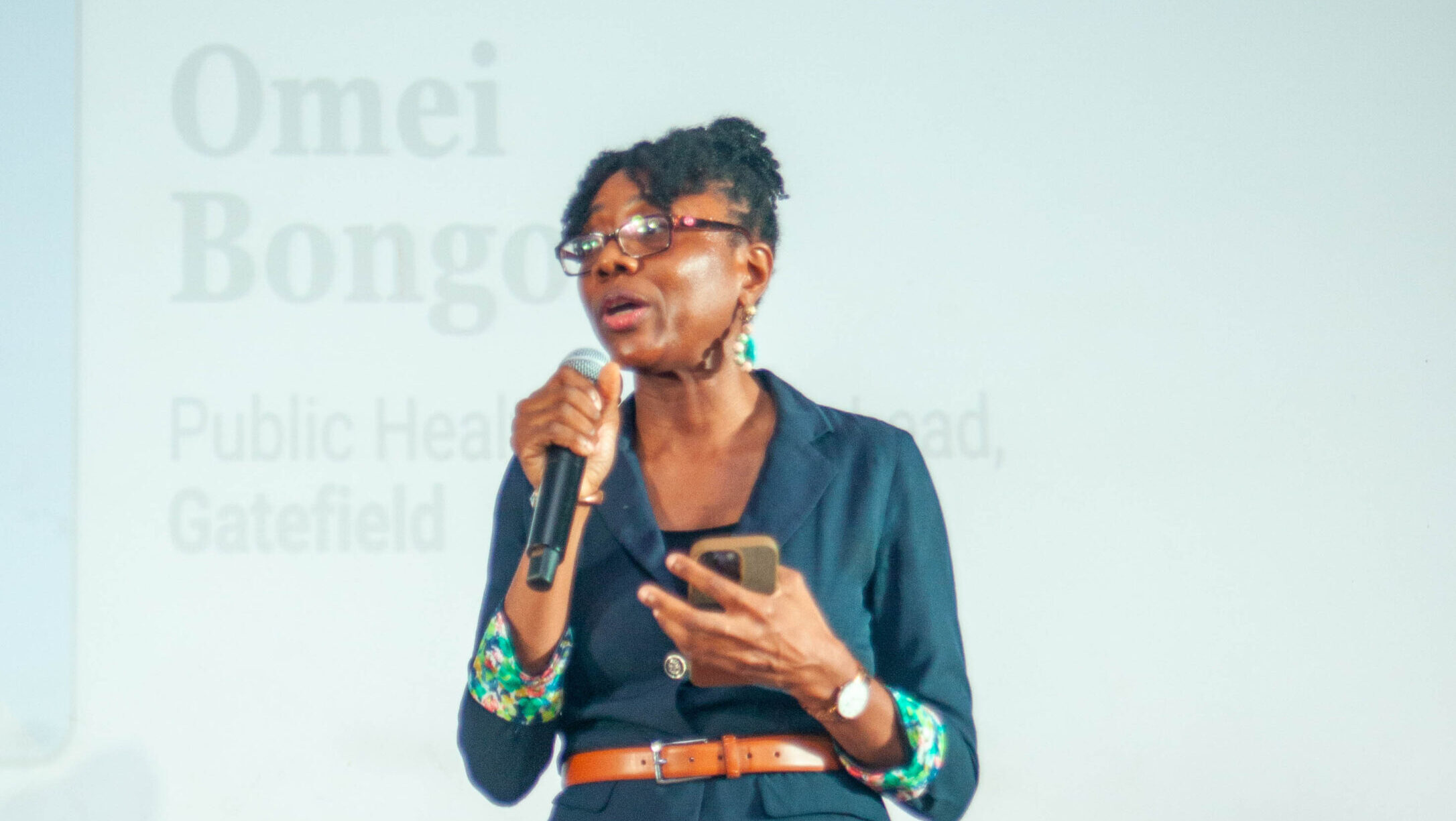
Speaking on the focus of the summit, Gatefield’s Public Health Lead, Omei Bongos, said many effective health solutions were already being developed and implemented across Africa but faced barriers that limited their expansion.
Ms Bongos said bringing stakeholders from different parts of the health ecosystem together would help create the conditions needed to expand such interventions.
“Effective, high-impact health solutions are already thriving across Africa. However, their growth is stalled by a missing institutional backbone, from essential capital to conducive policy frameworks”.
“By uniting key stakeholders across the ecosystem, this summit seeks to drive these solutions into every community,” she said.
Longevity
A major feature of the two-day event will be the launch of a new Gatefield report examining the factors driving premature mortality in Africa, with a particular focus on Nigeria.
The findings are expected to inform discussions on longevity and the wider factors that determine how long and how well people live.
The programme will examine issues beyond medical treatment, including food and agricultural systems and their role in addressing the rising burden of non-communicable diseases.
It will also explore the use of film, digital culture and other creative industries to influence health behaviour and communicate public health messages to wider audiences.
READ ALSO: Gatefield, experts call for urgent reforms to address Nigerias health crisis
Speakers
Confirmed speakers include Siddhartha Prakash, Head of Global Health at the World Intellectual Property Organisation; Senator Ipalibo Banigo, Chair of the Nigerian Senate Health Committee; Shina Arogundade, Chief Executive Officer of MyItura; Osita Okonkwo, Country Director of Nutrition International; and Jamila Yakubu, Director of Programme Medicines at Zipline.
Other global health leaders are expected to participate in the event.
Discover more from Premium Times Nigeria
Subscribe to get the latest posts sent to your email.
-

 Health4 days ago
Plateau: Medical Women Association of Nigeria Marks Older Persons Day with Free Outreach
-
News4 days ago
MTN, Gates Foundation drive $25m AI digital health plan in Nigeria – Technology Times
-
News4 days ago
WAEC appoints Nigeria’s Dangut as Registrar, CEO
-
Health4 days ago
Drug-resistant bacterial infections kill one million people annually – WHO