News
Routine killings in Plateau unacceptable; Nigerian govt must stop further bloodshed:U.S. Lawmaker

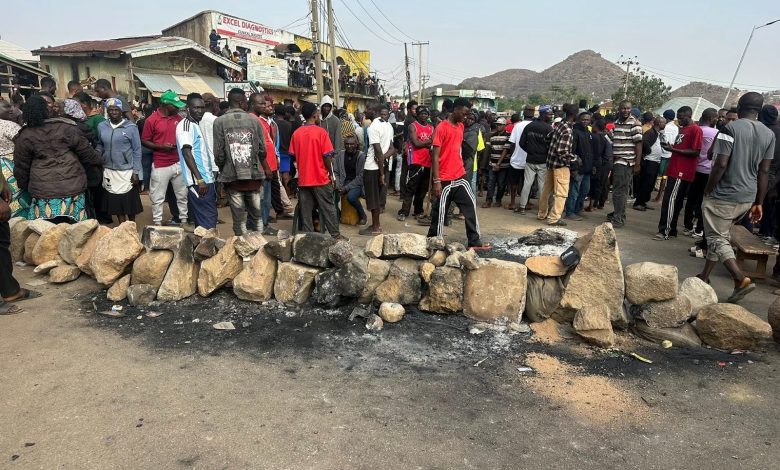
A U.S. lawmaker and Chairman of the House Foreign Affairs Africa Subcommittee, Chris Smith, has condemned Palm Sunday attack in Anguwan Rukuba, Plateau State, lamenting continued failure of government to prevent such attacks.
In a statement on Wednesday, Mr Smith condemned what described as “the recent deadly attacks perpetrated against Christian communities in Nigeria’s Plateau State.”
He said, “The Nigerian government has a fundamental responsibility—and constitutional duty—to protect all its citizens, regardless of their faith. The continued failure to prevent and intercept these targeted attacks not only deepens human suffering, but also threatens the fabric of religious coexistence in the region. The need for the government to step up and protect the lives and religious liberty of Nigerians cannot be overstated.
“My wife, Marie, and I were absolutely horrified by the brutal massacres that occurred in the Jos North area of Nigeria on Palm Sunday, which have reportedly left at least 20 innocent people dead. These savage killings, targeting Christians as they gathered during one of the most sacred times of the year, are incredibly heartbreaking and absolutely unacceptable.”
Mr Smith said the recurrence of such attack which occurred same time last year was a call for decisive actions, urging the U.S. to stand in solidarity with the Christian community in Nigeria.
“Tragically, this violence follows a deeply disturbing pattern. On Palm Sunday just last year, similar attacks in Plateau State claimed the lives of at least 54 Christians. The fact that such atrocities are repeated year after year—on the same holy day—underscores the urgent need for decisive action,” Mr Smith said.
He added, “The United States must continue to stand in solidarity with the persecuted Christians and all other victims of religious violence in Nigeria. I call on Nigerian authorities to act swiftly to prevent further bloodshed and ensure that this Holy Week is not marred by more tragedy.”
Mr Smith is the third American lawmaker condemning the Plateau killings after Riley Moore and Ted Cruz.
Frequent attacks and increasing death toll have sparked reactions and public outrage from within and outside the country with many lashing out at President Bola Tinubu’s government for failing to protect lives and property.
Citing Palm Sunday and past attacks recorded in Plateau State in recent times, Amnesty International berated Mr Tinubu for “failing to protect lives.”
“With the death toll from the Palm Sunday attack in central Nigeria surpassing 30 people, the Nigerian authorities must investigate the inexcusable security lapses that enabled the horrific attack by gunmen on motorbikes on Anguwan Rukuba community of Jos North LGA of Plateau State.
“The area, nature of the attack and timing show how increasingly vulnerable people are to being killed anywhere and anytime. More dead bodies are still being found and conveyed to the morgue. Plateau State is increasingly becoming unsafe,” Amnesty International said in a statement on Tuesday.
Meanwhile, Mr Tinubu, in a statement by presidential spokesman, Bayo Onanuga, decried the attack, assuring citizens that his government was procuring equipment to support security agencies in combating insecurity in the country.
Mr Tinubu announced he would be visiting Plateau State over the incident.


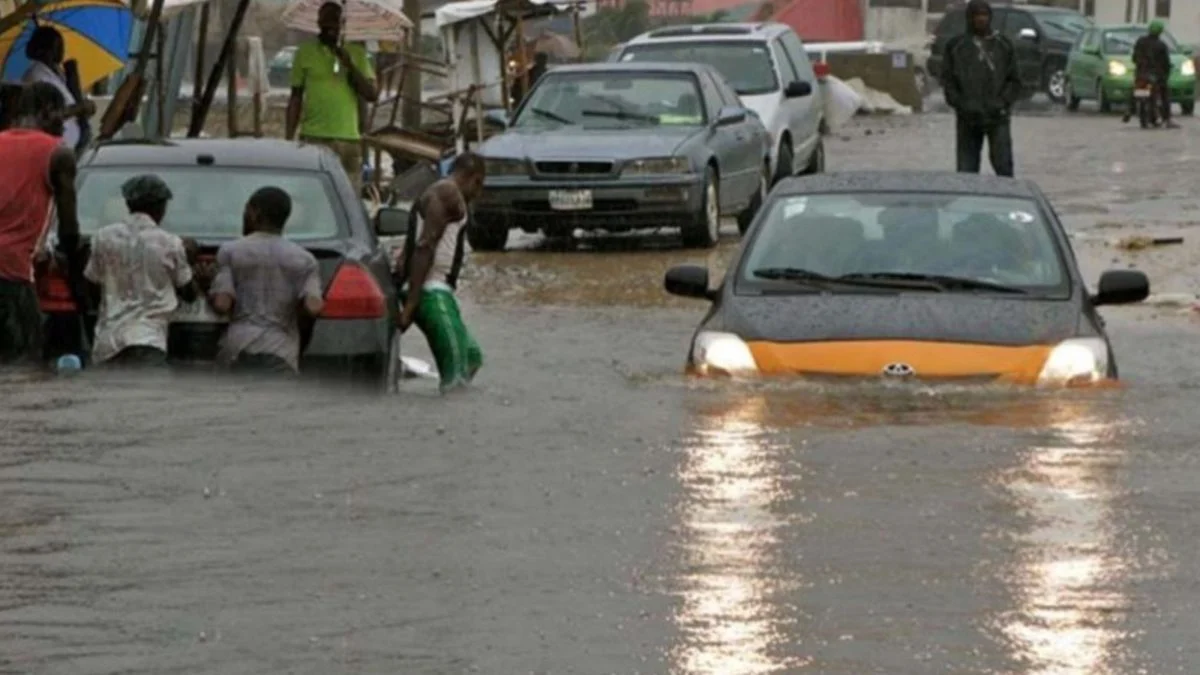
The Federal Government has issued a fresh flood warning, alerting residents in 17 states to the risk of flooding over the next seven days as rising water levels continue to threaten communities across the country.
The warning was issued by the Nigeria Hydrological Services Agency (NIHSA) in its National Flood Advisory (Alert No. NFA-2026-200), covering the period from July 21 to July 27.
According to the Director-General of NIHSA, Umar Mohammed, the alert followed a steady rise in water levels at key river monitoring stations, increasing the likelihood of localised flooding along river channels and floodplains.
The states identified as being at medium flood risk are Adamawa, Bauchi, Benue, Borno, Edo, Gombe, Imo, Jigawa, Kaduna, Kano, Kebbi, Nasarawa, Niger, Plateau, Taraba, Yobe and Zamfara.
Mohammed said river levels at several critical locations had already exceeded warning thresholds, raising concerns about possible flooding in surrounding communities.
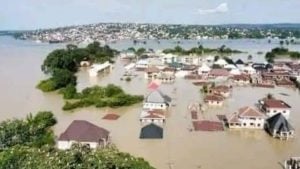
He said, “River levels at Saminaka on the Karam River, Waya Dam site on the Waya River and Amber on the Amber River had exceeded watch and warning thresholds.”
The NIHSA boss added that no fewer than 16 river gauging stations across the country were currently recording elevated water levels, placing nearby communities at risk of localised flooding if heavy rainfall continues.
He urged state governments, local authorities and residents living in flood-prone areas to begin taking precautionary measures immediately to minimise the impact of possible flooding.
Bauchi State was identified as the most vulnerable, with the agency revealing that about 1,841 communities, 145 schools, 101 health facilities and eight markets are exposed to flood risks. The agency also listed several vulnerable communities and public facilities in Edo, Imo, Kaduna, Plateau and Benue states.
Mohammed called on the National Emergency Management Agency (NEMA), State Emergency Management Agencies (SEMAs), local government authorities and community leaders to activate emergency preparedness and response plans without delay.
He recommended that residents living on floodplains relocate to safer areas, taking along their families, livestock and valuables before floodwaters rise.
The NIHSA Director-General also advised emergency agencies to pre-position food supplies, medical materials and water treatment equipment in communities likely to be affected to ensure a quicker response if flooding occurs.
He stressed the need for early warning systems to reach vulnerable communities, urging authorities to mobilise local volunteers and utilise community communication channels to spread flood alerts promptly.
Mohammed also warned residents against attempting to walk, drive or ride through flooded roads, bridges and fast-flowing waterways, noting that such actions could result in avoidable loss of lives.
He further urged relevant authorities to clear blocked drains, culverts and waterways to improve the free flow of water and reduce the risk of flooding during the rainy season.
The latest advisory comes as Nigeria continues to experience heavy rainfall across several parts of the country, with recent flooding affecting communities in Lagos and other states. According to data from the National Emergency Management Agency, floods in 2025 claimed 232 lives, injured more than 600 people, affected over 315,000 residents, displaced more than 113,000 people and destroyed thousands of homes and hectares of farmland.
Mohammed advised both government agencies and members of the public to continue monitoring daily flood forecasts and advisories issued by NIHSA throughout the rainy season.
-

 News12 hours ago
Gagdi Hails Tinubu’s Infrastructure Drive as Babban Lamba–Sharam Road Project Begins in Plateau
-
Business3 days ago
Governor suspends N1.3 billion hospital renovation project on poor implementation
-
Health3 days ago
PT Health Watch: Why high cholesterol is easy to miss but dangerous to ignore
-
News4 days ago
TCN Announces Two-Day Blackout in Six Northern States