News
PMAN partners Ministry of Tourism, Culture & Hospitality to Safeguard Entertainment in Plateau State


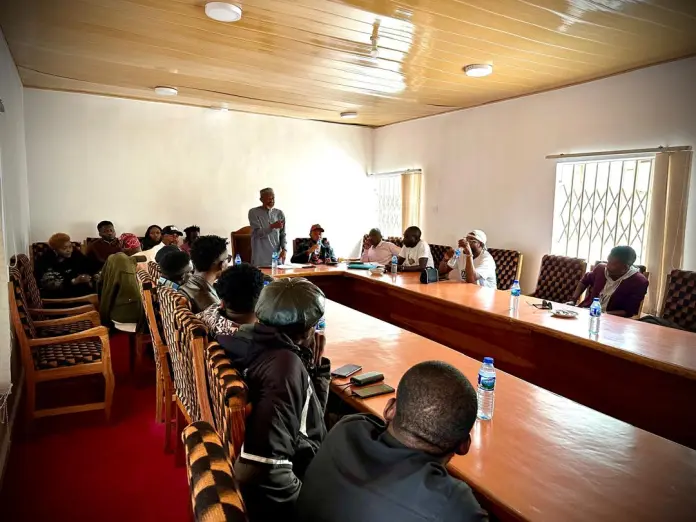
In a move aimed at bolstering and promoting the thriving entertainment industry in Plateau State, the Performing Musician Employers Association of Nigeria (PMAN) Plateau State Chapter has joined forces with the Ministry of Tourism, Culture, and Hospitality to launch a major revenue drive initiative. This collaborative effort is set to ensure the organized and seamless execution of events throughout the state.
According to the official announcement, all event centers and venues are hereby required to obtain clearance from event organizers, managers, and promoters before permitting the use of their premises. Failure to comply with this directive could lead to event interruption by PMAN Plateau State Chapter and the Ministry of Tourism and Hospitality.
Comrade Color Humphry, the Plateau State Governor of PMAN, expressed his enthusiasm for this long-overdue collaboration, emphasizing its potential to foster the growth of the entertainment sector in the state. This partnership is expected to provide valuable support to both emerging and established talents within Plateau State, with the backing of the Nigerian Copyright Commission (NCC).
Governor Humphry also stressed the importance of working closely with event organizers to meticulously assess and ensure that events meet the required standards. This collaboration aims to prevent any negative impact on the reputation of the entertainment industry in Plateau State.
Event organizers seeking clearance can obtain the necessary documentation by visiting the PMAN Secretariat located at Luka Bentu Indoor Theater, Opposite Plateau Riders, along Tafawa Belewa Street in Jos. For further information and inquiries, interested parties can also contact PMAN at the following phone numbers: 08037318256 and 07035638959.
This proactive initiative is expected to foster a thriving entertainment sector in Plateau State, providing a conducive environment for artists, performers, and event organizers while ensuring high-quality entertainment experiences for the people of the state.





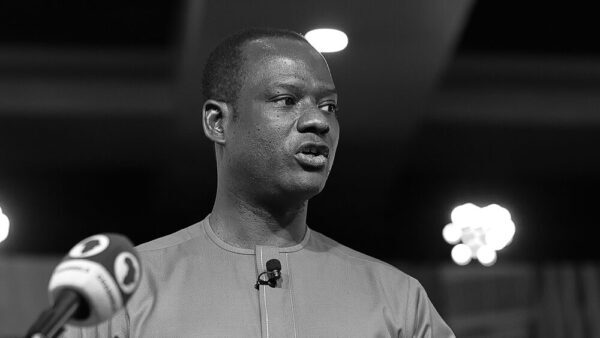
The Minister of Finance and Coordinating Minister of the Economy, Taiwo Oyedele, said Nigeria must improve its production capacity and competitiveness to take advantage of opportunities under the African Continental Free Trade Area (AfCFTA).
Mr Oyedele stressed that access to the continental market alone would not guarantee economic gains without the capacity to produce quality goods, fulfil orders and retain customers.
“Market access creates an opportunity. Our competitiveness will determine how much of it we convert into prosperity,” he said.
He made the remarks at a stakeholder forum organised by the Nigerian Export-Import Bank (NEXIM) in Abuja, themed “Leveraging the African Continental Free Trade Area (AfCFTA) for Enhanced Nigerian Export Competitiveness and Economic Diversification”.
The minister explained that the government’s economic reforms, including the removal of the petrol subsidy, foreign exchange reforms, and changes to the tax and fiscal system, aim to move Nigeria away from dependence on a narrow range of commodities toward a diversified, production-driven economy.
According to him, expanding exports would generate foreign exchange and create jobs across sectors, including agriculture, manufacturing, transportation, and professional services.


He illustrated this with the example of an agricultural processor supplying products to a new market, which could create additional demand for farmers, while Nigerian technology and service businesses expanding abroad could open opportunities for young people.
Mr Oyedele described AfCFTA as an important platform for Nigerian businesses to expand into markets across Africa, particularly in technology, manufacturing, agricultural processing, solid minerals, creative industries and services.
However, he emphasised that businesses needed more than market access to succeed, noting that their ability to meet buyers’ specifications, deliver products consistently and secure repeat orders would determine their competitiveness.
“The promise becomes real only when a Nigerian business secures a customer, fulfils an order, gets paid and wins a repeat order,” he said.
He argued that processing agricultural products into finished goods, rather than exporting raw commodities, could generate greater economic value and create more opportunities across the production chain.
The minister identified inadequate financing, infrastructure gaps, high transaction costs, delays in certification and transportation, and other trade barriers as challenges confronting Nigerian exporters.
He said the government was working to improve trade facilitation, streamline documentation and customs procedures, harmonise standards, and expand access to financing for viable export businesses.
Mr Oyedele urged financial institutions to structure export financing around businesses’ transaction cycles and expected foreign exchange earnings to prevent repayment obligations from creating unnecessary pressure on exporters.
He also called for stronger collaboration between NEXIM Bank and commercial financial institutions through guarantees, insurance, and other financing arrangements. At the same time, businesses should receive support to meet export standards, maintain proper records, and access market information.
The minister maintained that AfCFTA should also benefit smaller businesses that supply goods and services to larger exporters, noting that producers within export supply chains contribute to the country’s export economy even when they do not sell directly to foreign buyers.
He urged participants at the forum to identify specific challenges facing exporters, the institutions responsible for addressing them and practical solutions that could be implemented.
READ ALSO: Senate confirms Taiwo Oyedele as minister
Mr Oyedele called for collaboration among the government, financial institutions, businesses and development partners to improve production, remove trade barriers and strengthen Nigeria’s competitiveness in African markets.
The AfCFTA, which commenced trading on 1 January 2021, seeks to create a single continental market for goods and services across African Union member states, expand intra-African trade, and strengthen the continent’s position in global markets.
Nigeria signed the AfCFTA Agreement on 7 July 2019 and ratified it in 2020, formally joining the continental trade framework.
Nigeria’s participation in the agreement is expected to give businesses opportunities to expand beyond the domestic market, increase intra-African trade, and support economic diversification.
Discover more from Premium Times Nigeria
Subscribe to get the latest posts sent to your email.

-

 Events2 days ago
PENIEL 2026: AGNN Calls for Deeper Encounter with God, Unity and National Transformation
-
Events2 days ago
Plateau Govt Backs AGNN’s PENIEL 2026, Says Unity Among Christians Critical to Peace
-
News22 hours ago
‘The Righteous Are Not on the Throne, That Is Why Nigerians Are Suffering’ — SDP’s Adewole Adebayo Fires the APC While Speaking to Press at Jos Conference
-
News2 days ago
Obasanjo, Jonathan, Osinbajo to Attend 2026 Plateau Unity Christmas Carols and Praise Festival