Connect with us

News

Breaking: Court of Appeal Declares APC’s John Dafan Winner in Plateau House of Representatives Seat

editor

Published

on

John Dafan apc

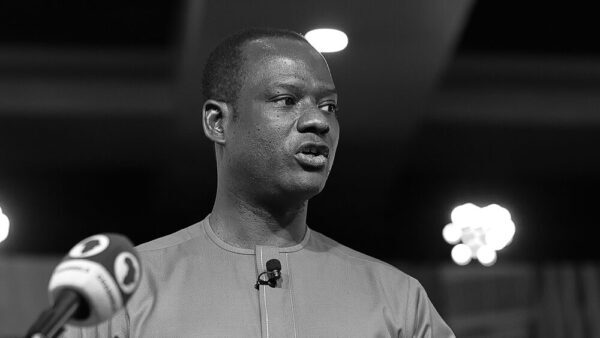
In a significant legal development, the Court of Appeal has declared Chief John Dafan, a member of the All Progressives Congress (APC), as the duly elected representative for Quaan-pan, Shendam, and Mikang Federal Constituency. This verdict, delivered today, has ordered the Independent National Electoral Commission (INEC) to withdraw the certificate previously issued to Isaac Kwallu and re-issue the certificate of return to Chief John Dafaan of the APC.

The Court’s decision marks a pivotal moment in the ongoing legal battles surrounding the Quanpan, Mikang, Shendam House of Representatives seat in Plateau State. The ruling is said to underscore the importance of adhering to electoral processes and rules, ensuring that candidates are appropriately nominated and then rightfully take their place in the House of Representatives.

It is worth noting that just this past Sunday, October 21, the Appeal Court in Abuja issued a similar groundbreaking ruling, calling for a fresh election for the Plateau North Senatorial seat. This ruling nullified the election of House Minority Leader Simon Mwadkwon, representing the People’s Democratic Party (PDP). The case, identified by suit number CA/J/EP/PL/SEN/15/2023, featured Gyang Yaya Zi and the Labour Party (LP) as the 1st and 2nd Appellants, challenging the election results. The Independent National Electoral Commission (INEC), Simon Mwadkwon, and the People’s Democratic Party (PDP) were named as the 1st, 2nd, and 3rd respondents, respectively, for the Plateau State Northern Senatorial District.

These recent legal developments are sure to have a profound impact on the political landscape of Plateau State, raising questions about the legitimacy of past elections and emphasizing the significance of adherence to electoral regulations. Stay tuned for further updates on these critical matters as they continue to unfold.

Continue Reading
Click to comment

Leave a Reply

Your email address will not be published. Required fields are marked *

Business

Nigeria must improve production to compete under AfCFTA – Finance Minister

info

Published

on

Admin ajax 3 2.jpg

The Minister of Finance and Coordinating Minister of the Economy, Taiwo Oyedele, said Nigeria must improve its production capacity and competitiveness to take advantage of opportunities under the African Continental Free Trade Area (AfCFTA).

Mr Oyedele stressed that access to the continental market alone would not guarantee economic gains without the capacity to produce quality goods, fulfil orders and retain customers.

“Market access creates an opportunity. Our competitiveness will determine how much of it we convert into prosperity,” he said.

He made the remarks at a stakeholder forum organised by the Nigerian Export-Import Bank (NEXIM) in Abuja, themed “Leveraging the African Continental Free Trade Area (AfCFTA) for Enhanced Nigerian Export Competitiveness and Economic Diversification”.

The minister explained that the government’s economic reforms, including the removal of the petrol subsidy, foreign exchange reforms, and changes to the tax and fiscal system, aim to move Nigeria away from dependence on a narrow range of commodities toward a diversified, production-driven economy.

According to him, expanding exports would generate foreign exchange and create jobs across sectors, including agriculture, manufacturing, transportation, and professional services.


PT WHATSAPP CHANNEL
Dangote Refinery AD

He illustrated this with the example of an agricultural processor supplying products to a new market, which could create additional demand for farmers, while Nigerian technology and service businesses expanding abroad could open opportunities for young people.

Mr Oyedele described AfCFTA as an important platform for Nigerian businesses to expand into markets across Africa, particularly in technology, manufacturing, agricultural processing, solid minerals, creative industries and services.

However, he emphasised that businesses needed more than market access to succeed, noting that their ability to meet buyers’ specifications, deliver products consistently and secure repeat orders would determine their competitiveness.

“The promise becomes real only when a Nigerian business secures a customer, fulfils an order, gets paid and wins a repeat order,” he said.

He argued that processing agricultural products into finished goods, rather than exporting raw commodities, could generate greater economic value and create more opportunities across the production chain.

The minister identified inadequate financing, infrastructure gaps, high transaction costs, delays in certification and transportation, and other trade barriers as challenges confronting Nigerian exporters.

He said the government was working to improve trade facilitation, streamline documentation and customs procedures, harmonise standards, and expand access to financing for viable export businesses.

Mr Oyedele urged financial institutions to structure export financing around businesses’ transaction cycles and expected foreign exchange earnings to prevent repayment obligations from creating unnecessary pressure on exporters.

He also called for stronger collaboration between NEXIM Bank and commercial financial institutions through guarantees, insurance, and other financing arrangements. At the same time, businesses should receive support to meet export standards, maintain proper records, and access market information.

The minister maintained that AfCFTA should also benefit smaller businesses that supply goods and services to larger exporters, noting that producers within export supply chains contribute to the country’s export economy even when they do not sell directly to foreign buyers.

He urged participants at the forum to identify specific challenges facing exporters, the institutions responsible for addressing them and practical solutions that could be implemented.

READ ALSO: Senate confirms Taiwo Oyedele as minister

Mr Oyedele called for collaboration among the government, financial institutions, businesses and development partners to improve production, remove trade barriers and strengthen Nigeria’s competitiveness in African markets.

The AfCFTA, which commenced trading on 1 January 2021, seeks to create a single continental market for goods and services across African Union member states, expand intra-African trade, and strengthen the continent’s position in global markets.

Nigeria signed the AfCFTA Agreement on 7 July 2019 and ratified it in 2020, formally joining the continental trade framework.

Nigeria’s participation in the agreement is expected to give businesses opportunities to expand beyond the domestic market, increase intra-African trade, and support economic diversification.


Discover more from Premium Times Nigeria

Subscribe to get the latest posts sent to your email.
Continue Reading

News

Nok Storytelling Festival Seeks Revival, Preservation Of Ancient Heritage

info

Published

on

IMG 20261127 WA00192.jpg

By Sani Idris Abdulrahman

The organisers of the Nok Storytelling Festival 2026 have called for greater investment in cultural preservation to revive Nigeria’s ancient Nok heritage.

They said preserving indigenous stories, artefacts and traditional knowledge would promote tourism, economic development and peaceful coexistence.

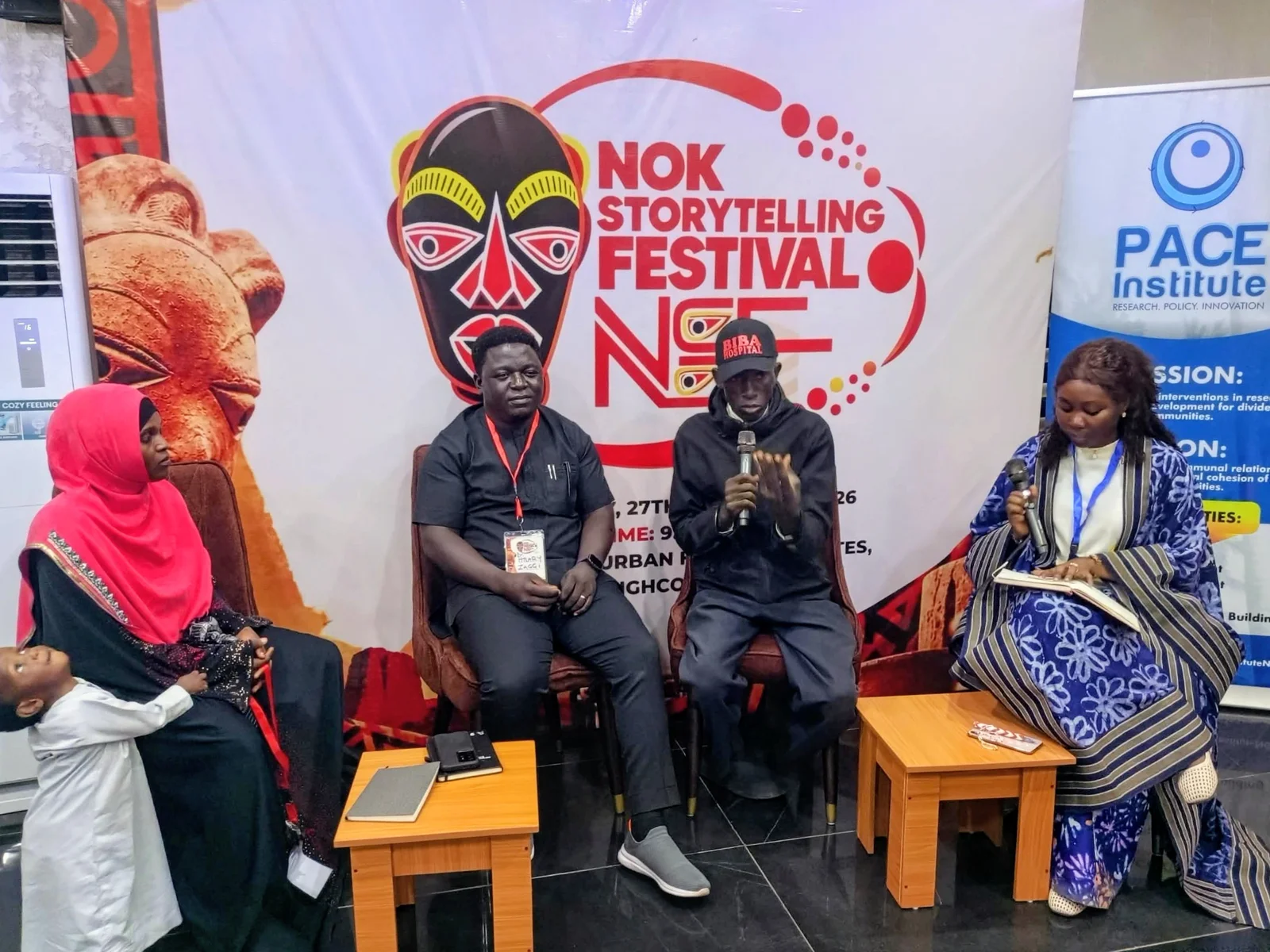
At the event on Friday in Kaduna, Mr Richard Dambo, Team Lead, PACE Institute for Research and Development, said the festival emerged from research conducted in 2024.

Dambo, who also coordinates the festival, said the research identified the poor documentation and limited promotion of indigenous cultures, particularly across Nigeria’s middle belt.

He said the festival was designed to use storytelling to strengthen cultural identity and promote understanding among communities with shared historical connections.

According to him, Nok represents a significant part of Nigeria’s cultural heritage, with archaeological discoveries extending beyond present-day Nok communities.

He said they intended to bring together different ethnic groups through stories reflecting their shared history and cultural experiences.

Dambo urged governments to support cultural festivals through dedicated budgetary allocations and deliberate efforts to document indigenous heritage.

He also called for proper archiving of cultural materials in museums and relevant government ministries and departments.

On the recovery of stolen artefacts, he said returning them to their original communities was important for understanding Africa’s history.

He noted that such artefacts contained valuable historical information capable of providing insights into the past and guiding future generations.

Dr Gyuro Joseph, Coordinator of NOK Tour, said the festival aligned with efforts to reconnect people with their ancestral origins.

Joseph said the initiative sought to encourage communities to appreciate their history and preserve the Nok civilisation for future generations.

He described Nok culture as a globally recognised ancient African civilisation whose heritage was gradually becoming endangered.

He said the community possessed evidence of sophisticated traditional knowledge in medicine, justice administration, iron smelting and terracotta production.

According to him, the Welfare Cave in Nok reflects traditional healthcare practices, including arrangements for maternal healthcare and record-keeping.

He also described traditional justice systems involving community courts, appeals and a final judicial process.

Joseph said the Nok civilisation, believed to have existed between 1500 BC and 500 AD, demonstrated considerable technological and organisational development.

He explained that the first human-sized terracotta discoveries were excavated in Nok by archaeologist Bernard Fagg, giving the civilisation its name.

He said the Nok terracotta belt extended across parts of the Middle Belt, including Kaduna, Plateau and Benue states.

Joseph called for government collaboration with communities to promote the heritage and attract international visitors.

He said renewed investment in cultural tourism could generate revenue, create opportunities and encourage peaceful coexistence.

Sunday Hayab, Chairman of the Ham People in Kaduna, commended young people for showing interest in preserving their cultural heritage.

Hayab said understanding one’s cultural background was essential to appreciating one’s identity and determining the future direction of society.

He expressed optimism that young people would help revive cultural practices and prevent valuable traditions from disappearing.

Earlier, Hajia Aisha Yunusa, Senior Special Assistant to the Kaduna State Governor on Women Affairs, described culture as an important foundation of societal identity.

Yunusa said storytelling provided an effective means of transmitting indigenous knowledge, values and experiences across generations.

She said women remained important custodians of cultural heritage through language preservation, traditional skills and the transmission of family values.

She urged stakeholders to recognise women beyond their traditional roles and support their participation in leadership, entrepreneurship and cultural development.

Yunusa also encouraged young people, particularly women, to use digital platforms, documentaries, photography and podcasts to preserve indigenous stories.

She said technology should strengthen cultural identity rather than encourage communities to abandon their heritage.

According to her, cultural resources could create opportunities in tourism, entrepreneurship, creative industries, education and employment.

She stressed the need for inclusive cultural development that recognised women, young people and vulnerable groups.

The News Agency of Nigeria (NAN), reports that the second edition of the Nok Storytelling Festival 2026 was held under the theme, ‘Cultural Memory and the New Media’.

The event featured poets, indigenous dance and music, arts works, among others.
The festival was organised by the PACE Institute for Research and Development to promote underrepresented cultures through storytelling. (NAN)

Edited by Yakubu Uba

Continue Reading

Trending