The Plateau State Government has provided clarity regarding the utilization of a substantial 5 billion Naira allocation designated for palliative measures. Out of this allocation, the state confirmed the receipt of 2 billion Naira, comprising a 52% grant component and a 48% loan component.
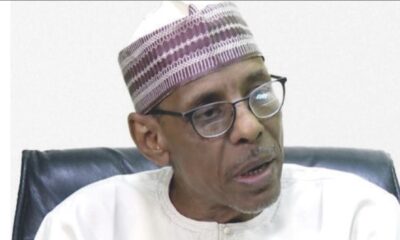
Highlighting the allocation’s transparency, Governor Caleb Mutfwang of Plateau State addressed the public during a speech at the reconstituted Plateau State Elders Forum meeting held at the Banquet Hall of the New Government House in Little Rayfield, Jos, on August 21, 2023. The governor assured citizens of the responsible handling of the allocated funds.
A significant portion of the allocated funds, 1 billion Naira, has been earmarked for the purchase of locally produced rice. This strategic move aims to invigorate the local economy by promoting the circulation of money within the region. The commitment to supporting local businesses was demonstrated as 3,000 bags of rice were procured and subsequently distributed to various Local Governments across the state.
Governor Mutfwang reiterated his dedication to ensuring the proper utilization of the 5 billion Naira allocation, stating, “Not a single kobo of the 5 billion Naira will be misused.” This proclamation underscores the state government’s commitment to transparency, accountability, and efficient resource management.
Furthermore, in pursuit of comprehensive and impactful relief measures, a committee has been established to advise the government on a range of palliative options. These measures will encompass various sectors, with a focus on promoting the welfare of different segments of society. The committee’s agenda includes discussions on enhancing student bursaries, facilitating access to subsidized fertilizers for local farmers, and addressing other vital components within the constraints of available resources.
Governor Mutfwang concluded his speech with a strong statement of resolve: “By the Grace of God, we will do this responsibly.” This affirmation reinforces the state’s commitment to the welfare of its citizens and the prudent administration of allocated funds.
As Plateau State takes proactive steps to boost its local economy and ensure equitable support for its populace, the government’s transparent approach and dedication to effective governance serve as a model for responsible resource management.

The Nigeria Hydrological Services Agency (NIHSA) has issued a seven-day flood advisory, warning of a medium flood risk in 17 states between July 21 and July 27.
The agency said the alert followed rising water levels at key river monitoring stations, increasing the likelihood of localised flooding along river channels and floodplains.
NIHSA Director-General, Umar Mohammed, disclosed this in National Flood Advisory (Alert No. NFA-2026-200) issued on Tuesday.
He said the affected states are Adamawa, Bauchi, Benue, Borno, Edo, Gombe, Imo, Jigawa, Kaduna, Kano, Kebbi, Nasarawa, Niger, Plateau, Taraba, Yobe and Zamfara.
According to Mohammed, river levels at Saminara on the Karam River, Waya Dam Site on the Waya River and Amber on the Amber River had exceeded watch and warning thresholds.
He said 16 gauging stations nationwide were recording elevated river stages, placing nearby communities at risk of localised flooding.
Mohammed urged state governments, local authorities and residents of flood-prone communities to take precautionary measures immediately.
NIHSA said Bauchi had the highest exposure, with 1,841 communities, 145 schools, 101 health facilities and eight markets identified as vulnerable.
The agency also identified vulnerable communities and public facilities in Edo, Imo, Kaduna, Plateau and Benue states.
Mohammed urged the National Emergency Management Agency (NEMA), State Emergency Management Agencies (SEMAs), local governments and community leaders to activate emergency response plans.
He recommended relocating residents, livestock and valuables from floodplains to safer locations.
He also advised emergency agencies to pre-position food, medical supplies and water treatment materials in areas likely to be affected.
The NIHSA boss called for community mobilisation through early warning volunteers and local communication channels to ensure timely dissemination of flood alerts.
He cautioned residents against walking, driving or riding through flooded roads, bridges and fast-flowing waterways.
Mohammed further urged authorities to clear blocked drains, culverts and waterways to improve water flow and reduce flooding.
He advised the public and relevant agencies to monitor daily flood updates and advisories issued by NIHSA. (NAN)
The Federal Government has issued a fresh flood warning, alerting residents in 17 states to the risk of flooding over the next seven days as rising water levels continue to threaten communities across the country.
The warning was issued by the Nigeria Hydrological Services Agency (NIHSA) in its National Flood Advisory (Alert No. NFA-2026-200), covering the period from July 21 to July 27.
According to the Director-General of NIHSA, Umar Mohammed, the alert followed a steady rise in water levels at key river monitoring stations, increasing the likelihood of localised flooding along river channels and floodplains.
The states identified as being at medium flood risk are Adamawa, Bauchi, Benue, Borno, Edo, Gombe, Imo, Jigawa, Kaduna, Kano, Kebbi, Nasarawa, Niger, Plateau, Taraba, Yobe and Zamfara.
Mohammed said river levels at several critical locations had already exceeded warning thresholds, raising concerns about possible flooding in surrounding communities.
File Photo: Flooding in Nigeria
He said, “River levels at Saminaka on the Karam River, Waya Dam site on the Waya River and Amber on the Amber River had exceeded watch and warning thresholds.”
The NIHSA boss added that no fewer than 16 river gauging stations across the country were currently recording elevated water levels, placing nearby communities at risk of localised flooding if heavy rainfall continues.
He urged state governments, local authorities and residents living in flood-prone areas to begin taking precautionary measures immediately to minimise the impact of possible flooding.
Bauchi State was identified as the most vulnerable, with the agency revealing that about 1,841 communities, 145 schools, 101 health facilities and eight markets are exposed to flood risks. The agency also listed several vulnerable communities and public facilities in Edo, Imo, Kaduna, Plateau and Benue states.
Mohammed called on the National Emergency Management Agency (NEMA), State Emergency Management Agencies (SEMAs), local government authorities and community leaders to activate emergency preparedness and response plans without delay.
He recommended that residents living on floodplains relocate to safer areas, taking along their families, livestock and valuables before floodwaters rise.
The NIHSA Director-General also advised emergency agencies to pre-position food supplies, medical materials and water treatment equipment in communities likely to be affected to ensure a quicker response if flooding occurs.
He stressed the need for early warning systems to reach vulnerable communities, urging authorities to mobilise local volunteers and utilise community communication channels to spread flood alerts promptly.
Mohammed also warned residents against attempting to walk, drive or ride through flooded roads, bridges and fast-flowing waterways, noting that such actions could result in avoidable loss of lives.
He further urged relevant authorities to clear blocked drains, culverts and waterways to improve the free flow of water and reduce the risk of flooding during the rainy season.
The latest advisory comes as Nigeria continues to experience heavy rainfall across several parts of the country, with recent flooding affecting communities in Lagos and other states. According to data from the National Emergency Management Agency, floods in 2025 claimed 232 lives, injured more than 600 people, affected over 315,000 residents, displaced more than 113,000 people and destroyed thousands of homes and hectares of farmland.
Mohammed advised both government agencies and members of the public to continue monitoring daily flood forecasts and advisories issued by NIHSA throughout the rainy season.