Health
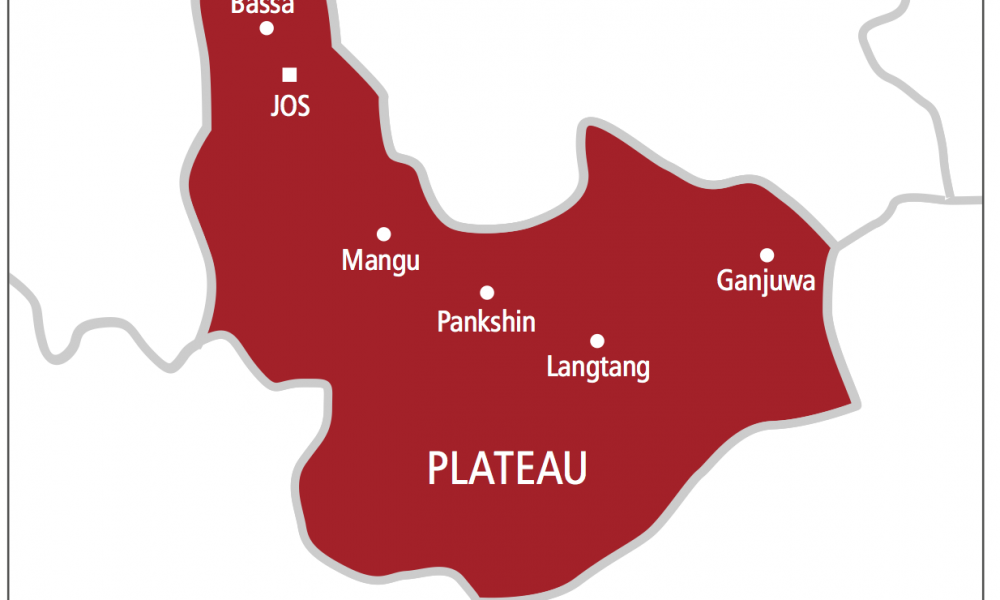
Plateau gets $50m French grant to expand water supply



The United Nations Population Fund (UNFPA), the Lagos State government and GoMed Nigeria, a digital health platform, have launched a digital self-care initiative to improve access to reproductive health services for students.
According to a press release on Wednesday, the initiative will initially serve students of the University of Lagos (UNILAG), providing access to free contraceptives and other sexual and reproductive health commodities.
The partners noted that the platform is aimed at addressing barriers such as cost, distance, stigma, misinformation and concerns about confidentiality, which often prevent young people from accessing reproductive health services.
According to them, these barriers contribute to unintended pregnancies, unsafe abortions, sexually transmitted infections and disruptions to education among young people.
A 2025 study titled: Factors Associated with Sexual and Reproductive Health Services Utilisation Among Female Students in a Nigerian Tertiary Institution, published in the African Journal of Stability and Development, also found that the utilisation of sexual and reproductive health services among female students remained low due to structural and behavioural factors, including stigma, financial constraints, long waiting times and concerns about confidentiality

What the platform offers
Through the platform, GoMed noted that students will receive free contraceptives and other sexual and reproductive health commodities provided by the Lagos State Ministry of Health and UNFPA.
They will also have access to discounted health products and discreet delivery to campuses and student hostels.
Students can also access sexual and reproductive health information through UNFPA’s SoftLife 247 and U-Plan platforms.
Through U-Plan, they can chat with qualified family planning service providers for accurate information and support, while GoMed’s registered pharmacists will provide confidential guidance on medicines and other health products.
The partners said the initiative supports UNFPA’s efforts to address the unmet need for family planning among young people by improving access to reproductive health commodities and information.
They added that it also aligns with the Lagos State government’s efforts to reduce unintended pregnancies and sexually transmitted infections among young people while expanding access to youth-friendly health services.
More details
Speaking at the launch, the Chief Executive Officer of GoMed Nigeria, Anthony Edeki, said the platform was designed to bring trusted healthcare closer to students while protecting their privacy.
“Students should be able to get reliable health information and essential products without cost, distance or fear of judgement becoming barriers. This platform brings free sexual and reproductive health commodities, other affordable health products and professional guidance together, with discreet delivery directly to students on campus,” Mr Edeki said.
ALSO READ: 1 million more midwives needed to save 4 million lives yearly – UNFPA
The UNFPA Resident Representative in Nigeria, Muriel Mafico, said the partnership would help improve access to life-saving reproductive health information and commodities.
“As the UN agency mandated for Sexual and Reproductive Health and Rights, we are committed to reducing preventable maternal deaths and addressing the unmet need for family planning, including by providing and overseeing access to life-saving commodities worldwide,” Ms Mafico said.
“Working alongside our partners, we’re helping roll out the digital Self-Care Platform so that vital, life-changing information can reach more people, more easily.
“Together, we want to empower Nigeria’s next generation to make informed health choices and achieve stronger health outcomes and a brighter future.”
Discover more from Premium Times Nigeria
Subscribe to get the latest posts sent to your email.

The Oluwo of Iwo, Abdulrasheed Akanbi, has banned Hennessy and other alcoholic drinks from his palace, saying they pose health risks and should not be offered to him or other elders.
The traditional ruler announced the decision in a video shared on his Facebook page on Tuesday.
Mr Akanbi warned that anyone who brings alcoholic drinks to the palace intends to “eliminate the king.”
Health concerns
Mr Akanbi said the gin, schnapps and imported spirits often reserved for elders are harmful to health and should no longer be brought to his palace.
“The so-called alcohol usually presented or reserved for the elders is detrimental to their health – it leads to death,” he said.
“Anyone who brings hot drinks to the king’s palace wants to eliminate the king. Gin, schnapps reserved for the elderly should not be brought to my palace because what they call alcohol for the elderly is made by the Western people to kill and destroy internal organs. It will render the kidneys useless.”
The traditional ruler said he recently learnt that some visitors had brought Hennessy to the palace.
“I heard you brought Hennessy; don’t bring it here o; you want to kill me. Anyone who brings Hennessy or other dangerous alcoholic drinks has the intention to kill me. So, I should drink an entire bottle; what will I use to pray?” he asked.
He argued that alcohol was not part of Yoruba ancestral practice.
Health experts have long warned about the dangers of excessive alcohol consumption, including liver disease and kidney damage.
The World Health Organisation (WHO) states that “no level of alcohol consumption is completely safe for health”
Criticism of traditional practices
Mr Akanbi also condemned what has become a cultural practice where masquerades wield canes and beat people on the road.
He described it as violence. “Are Yoruba cows? How can I be a king and people are being macheted in the streets? Are we butchers?”
He noted that adherents of traditional religion should eliminate the violent practices if they want wider acceptance.
He also criticised the restriction of movement during the Oro festival, describing it as unconstitutional and questioning why women should be prevented from moving freely during some traditional festivals.
“We restrict people’s movement; even the president cannot do that. It is unconstitutional. It is illegal,” he said.
He also queried why women should be restricted from walking during certain traditional festivals.
Since ascending the throne in 2016, the Oluwo of Iwo has frequently spoken against some traditional and cultural practices in Yorubaland.
He has also been involved in several ‘fights’ with religious and traditional leaders. He was suspended by the Osun State Council of Traditional Rulers for allegedly behaving improperly to some fellow traditional rulers.
Mr Akanbi, in his reaction, said the suspension is “a mere audio pronouncement.
Discover more from Premium Times Nigeria
Subscribe to get the latest posts sent to your email.
-

 Entertainment3 days ago
Big Chinni Thrills Audience as NASCO Cornflakes Powers Mr & Miss UNIJOS 2026
-
News3 days ago
The fourth edition of Jasper Fiton Football Tournament Begins in Bokkos, Unites 45 Teams for Peace and Talent Discovery
-
News8 hours ago
Governor Mutfwang Begins Strategic Assessment to Restore Plateau’s Heritage, Boost Tourism
-
News3 days ago
Grassrunner’s Godwin Raphael Itotomi Completes Move to French Club Stade de Reims