
Health
WHO raises alarm as DR Congo’s Ebola outbreak surpasses 3,600 cases

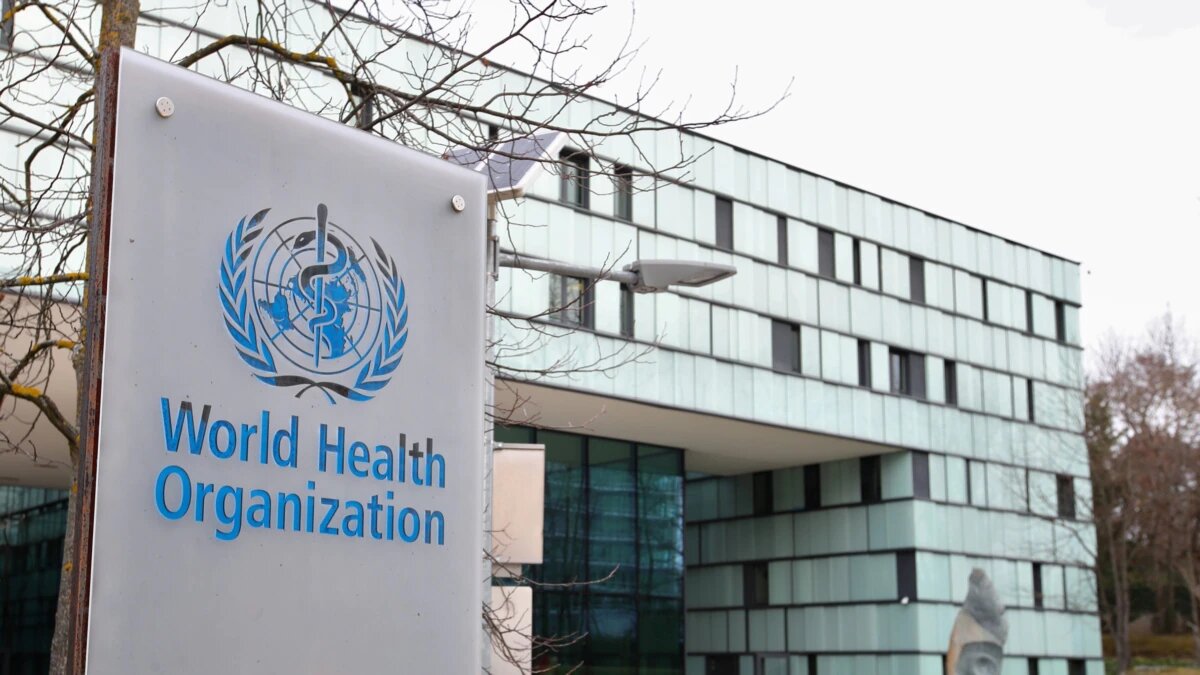

The Ebola outbreak caused by the Bundibugyo virus in the Democratic Republic of the Congo (DRC) has intensified, with 3,605 confirmed cases and 1,587 deaths recorded as of 30 July.
In a situation update released on Saturday, the World Health Organisation (WHO) warned that sustained transmission and the disease’s expanding geographical spread continue to fuel what has become the country’s largest Ebola outbreak on record.
The agency said the rapid rise in infections and deaths highlights the urgent need to scale up response efforts.
Outbreak reaches five provinces
WHO said the outbreak was initially confined to the Mongbwalu Health Zone in Ituri Province but has expanded significantly over the past two months.
The virus has now spread across five provinces, including Ituri, North Kivu, South Kivu, Haut-Uélé, and Tshopo, affecting 49 health zones.

According to the agency, epidemiological week 30 recorded the highest weekly figures since the outbreak began, with 567 confirmed cases and 296 deaths.
“The continued increase in cases, expanding geographic spread, and persistently high mortality underscore the rapidly evolving nature of this public health emergency,” WHO said.
The organisation added that the outbreak’s rapid growth highlights the need for a substantial scale-up of response efforts to bring transmission under control.
Response hampered by insecurity
The health agency said insecurity, population displacement, high population mobility and frequent cross-border movements continue to complicate response operations and increase the risk of further spread within the region.
It noted that the Congolese government, WHO and its partners have intensified surveillance, case management, contact tracing, community engagement and other emergency response measures.
However, the agency stressed that significantly more resources are required to keep pace with the growing outbreak.
“National authorities in the DRC, in collaboration with WHO and partners, continue to implement extensive response measures. However, a substantial scaling up of response activities is needed to get ahead of the outbreak,” it said.
WHO added that a regional preparedness and prioritisation framework remains in place to strengthen readiness and response efforts across African countries at risk.
Uganda declares outbreak over
Meanwhile, Uganda has officially declared an end to its Bundibugyo virus disease outbreak after completing 42 consecutive days without a new locally transmitted confirmed case.
According to WHO, Uganda’s Ministry of Health made the declaration on 28 July after the last locally transmitted patient was discharged from treatment on 16 June.
The agency noted that the country’s most recent imported case was discharged on 16 July after testing negative twice for the virus.
In line with international guidelines, WHO said it will continue to monitor Uganda for another 42 days from that date to ensure that no undetected chains of transmission remain.
Despite declaring the outbreak over, WHO warned that Uganda remains at risk of new imported infections because of ongoing transmission in neighbouring DRC.
The agency urged countries in the region to maintain heightened surveillance, preparedness, and infection-prevention measures, particularly in border communities where population movement remains high.
Nigeria on alert
The worsening outbreak comes as Nigerian health authorities continue to strengthen preparedness measures against a possible importation of the virus.
PREMIUM TIMES recently reported that the Nigeria Centre for Disease Control and Prevention (NCDC) classified the risk of Ebola importation into the country as high, despite there being no confirmed case in Nigeria.
The agency attributed the elevated risk to ongoing transmission in the DRC and neighbouring countries, international travel, porous land borders and regional population movements.
The NCDC has also directed states to intensify surveillance, strengthen screening at points of entry, improve infection prevention and control in health facilities, and ensure rapid detection and isolation of suspected cases.
READ ALSO: CEPI begins first human trial of Bundibugyo Ebola vaccine
Echoes of the 2014 outbreak
The resurgence of Ebola in Central Africa also revives memories of Nigeria’s successful containment of the disease in 2014 after an infected Liberian-American traveller, Patrick Sawyer, introduced the virus into Lagos.
Health experts, however, have warned that the ongoing outbreak in the DRC presents a different challenge because it involves the Bundibugyo strain, unlike the Zaire strain responsible for the 2014 West African epidemic.
Unlike the Zaire strain, there is currently no licensed vaccine or approved targeted therapy for Bundibugyo virus disease, making early detection and strong public health measures even more critical.
Discover more from Premium Times Nigeria
Subscribe to get the latest posts sent to your email.


Nigeria’s first confirmed Ebola patient in more than a decade is believed to have contracted the virus while travelling in Uganda, although health authorities are yet to establish the source of her infection.
According to a report by Reuters, the Swiss Federal Department of Foreign Affairs told the newspaper in an emailed statement on Thursday that the patient, a Ugandan-born woman married to a Swiss diplomat based in Abuja, has been receiving treatment at a private clinic in the Nigerian capital for about a week.
According to Reuters, the statement said the woman was believed to have contracted the virus during a visit to Uganda about two weeks earlier. Her husband, who travelled with her, is in isolation but has not developed symptoms.
However, the World Health Organisation (WHO) and the Africa Centres for Disease Control and Prevention (Africa CDC) said they had not received verified information that the woman travelled to the Democratic Republic of the Congo (DRC), where the current Ebola outbreak began.
Conflicting travel accounts
According to Reuters, Ugandan authorities had earlier said the woman travelled to eastern DRC before transiting through Uganda.
However, Africa CDC official Wessam Mankoula said on Thursday that there was no validated information confirming that the patient had travelled to the DRC.

Mr Mankoula said Nigeria and Uganda were exchanging information to reconstruct her travel history and identify the possible source of infection.
WHO representative to Nigeria Pavel Ursu said the information received by the agency indicated that the woman had been in Uganda from 16 September and returned to Abuja on 3 October.
The WHO official said the information available to the agency did not establish that she had travelled outside Uganda.
Patrick Otim, a WHO emergency response manager, also said the source of the infection remained unknown as investigators worked to establish the patient’s movements before she became ill.
One area of investigation is the health facilities the woman visited in Abuja after developing symptoms and before she was hospitalised, including the possibility of exposure to other people during that period, he said.
Meanwhile, the Ugandan government said that the country had no active Ebola cases.
Uganda recorded 20 Ebola cases between May and June, most of them linked to infections imported from the DRC. The WHO declared the country’s outbreak over in August after 42 days without a new confirmed case.
Nigeria’s response
The uncertainty surrounding the woman’s travel history comes as Nigeria works to prevent further transmission following confirmation of the imported infection on 20 October.
As PREMIUM TIMES reported, the patient is a 42-year-old woman who lives in Abuja and recently travelled to Uganda. She developed symptoms on 6 October, three days after returning to Nigeria, and initially sought treatment at a private hospital, believing she had malaria.
She later visited another private hospital, where she was admitted on 11 October after her condition failed to improve. Her infection was subsequently confirmed through laboratory testing.
PREMIUM TIMES also reported that health authorities had identified 44 people who might have been exposed to the patient, including healthcare workers, patients, caregivers and travel contacts.
The government has begun contact tracing and is working with international partners to establish the woman’s movements and identify anyone who may have been exposed.
The WHO has urged Nigerians to remain calm, explaining that one confirmed imported case does not, by itself, mean the country is experiencing an Ebola ‘outbreak’. The agency is supporting Nigeria with case investigation, laboratory testing, contact tracing and infection prevention measures.
Regional outbreak
Nigeria’s case comes amid an Ebola outbreak that was declared in the DRC in May and has spread to other African countries, raising concerns about cross-border transmission.
The outbreak is caused by the Bundibugyo virus, a species of Ebola virus for which there is currently no licensed vaccine.
Kenya has also reported cases linked to the movement of the virus across borders, adding to concerns about the challenges of tracing infections among international travellers.
Ebola spreads through direct contact with the blood or other bodily fluids of an infected person, or with contaminated materials. Symptoms may include fever, headache, weakness, vomiting and diarrhoea.
Discover more from Premium Times Nigeria
Subscribe to get the latest posts sent to your email.

-

 News4 days ago
Amazon to fund 12 small nuclear reactors at former Indiana coal plant
-
News4 days ago
Mamdani says feds have abdicated on AI, urges New Yorkers to push back
-
News3 days ago
Meta’s Muse hits 10M U.S. downloads in 40 days, a milestone reached by only 11 other apps
-
Business3 days ago
How Your Side Hustle Income Ends Up in Your RSA


