Events
PLABOMA Hosts World Social Media Day 2025 in Jos: A Call for Digital Responsibility, Innovation, and Peace

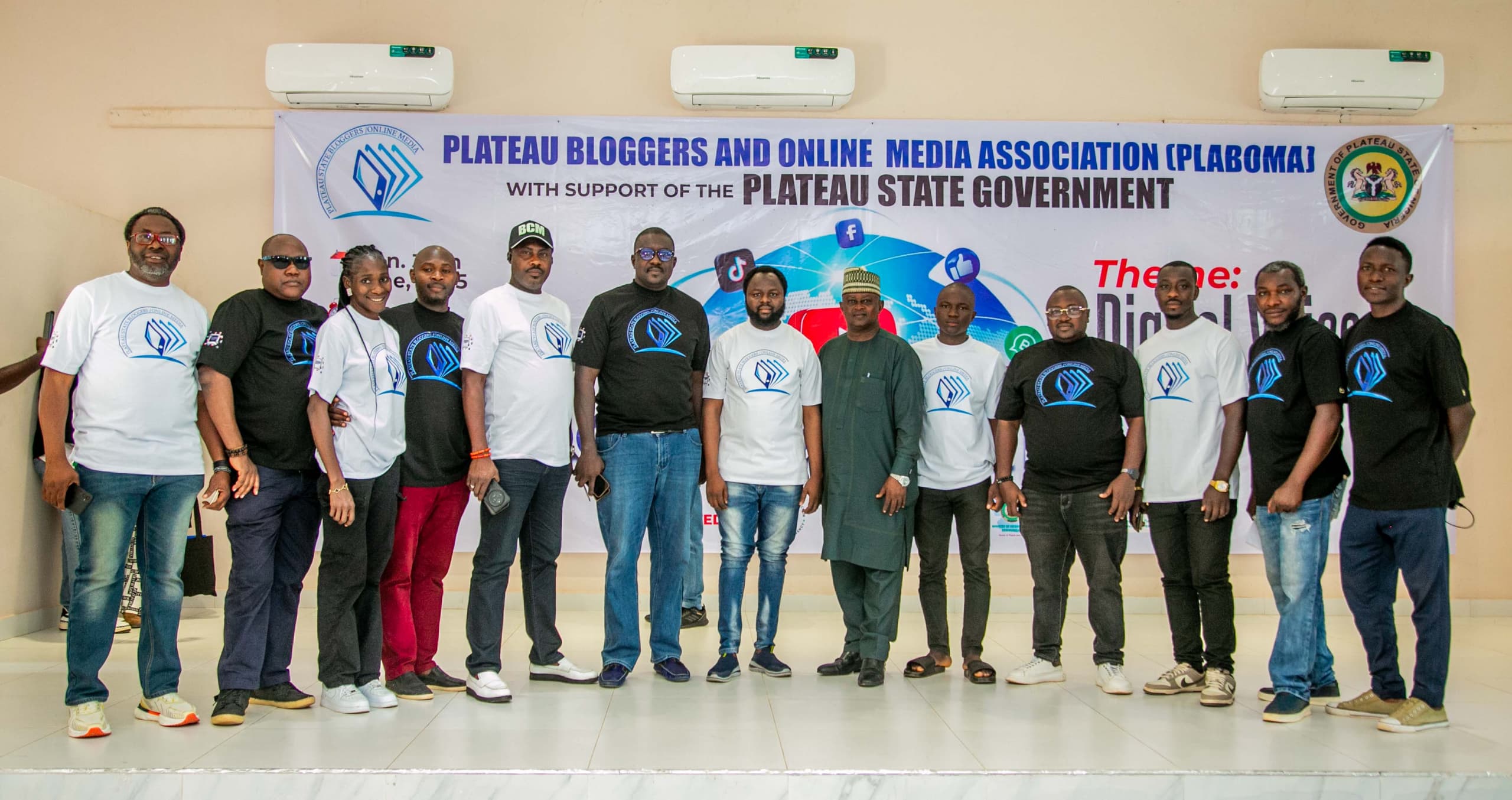
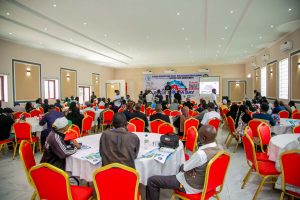
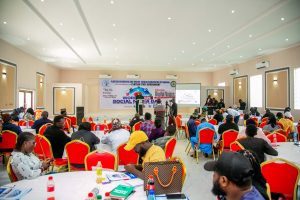
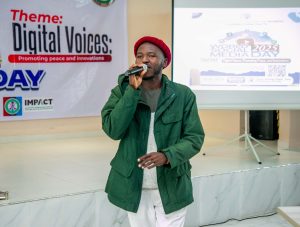
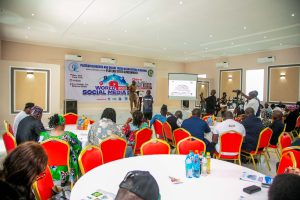
In celebration of World Social Media Day 2025, the Plateau Bloggers and Online Media Association (PLABOMA) In Collaboration with the Plateau State Government hosted a landmark seminar at FOX Hotels, Jos, gathering social media influencers, journalists, government officials, and stakeholders under the theme: “Digital Voices: Promoting Peace and Innovation.”
The event highlighted the powerful role of digital media in today’s society and emphasized responsible usage, innovation, peacebuilding, and digital inclusion across Nigeria, especially in Plateau State.
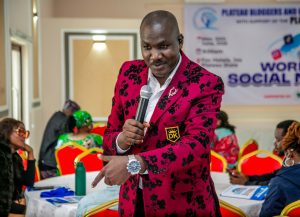
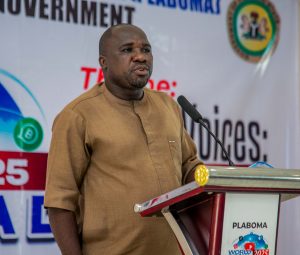
Chairman of PLABOMA, Matthew Tegha, opened the event with a passionate speech that set the tone for the day. Speaking on the theme, “Digital Voices: Promoting Peace and Innovation,” Tegha reminded attendees that social media has transcended its roots in entertainment to become a vital tool for social change, civic responsibility, and truth-telling.
He urged bloggers, influencers, and young content creators to use their platforms to foster unity, correct misinformation, and promote positive narratives. “Social media should be a bridge, not a barrier between communities and institutions,” Tegha declared.
He acknowledged the support of the Plateau State Government and partners in helping PLABOMA promote responsible digital engagement. He also made a strong appeal for more funding, capacity-building programs, and partnerships to empower youth and strengthen digital literacy. “We must nurture the next generation of ethical content creators,” he concluded.
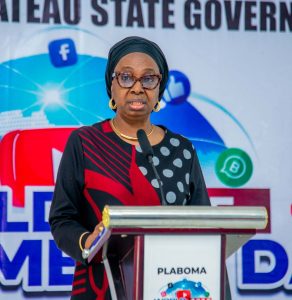
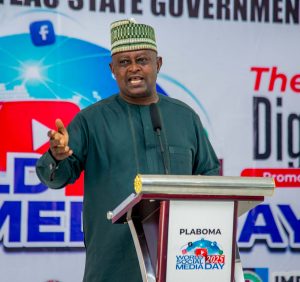
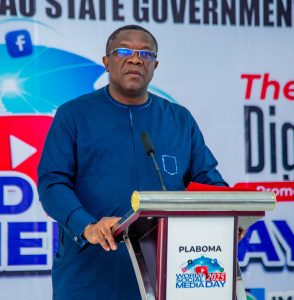
In his keynote address on behalf of Governor Caleb Mutfwang and Hon. Commissioner Joyce Lohya Ramnap, Nanman Jonas celebrated the significance of World Social Media Day and commended PLABOMA for its leadership in using digital platforms to drive peace and innovation.
Jonas emphasized the transformative power of social media in shaping public discourse, connecting communities, and enabling creativity among young people. He warned against the dangers of misinformation, hate speech, and divisive narratives, urging digital content creators to use their influence to build unity and promote truth.
He called for social media to be harnessed as a tool for peacebuilding, inclusion, and economic development, especially for the youth who are actively using digital platforms for business, education, and advocacy. Jonas stressed the importance of multi-stakeholder collaboration involving government, tech companies, and civil society to encourage responsible digital engagement.
“PLABOMA and other digital voices must continue to lead with integrity, innovation, and purpose for a better digital future,” Jonas concluded.
Julie Sanda, Director General of the Plateau Peace Building Agency, delivered a heartfelt goodwill message, emphasizing the role of digital media in shaping perception, resolving conflict, and building understanding. She noted that online platforms can either deepen division or bridge it, depending on how they are used.
“Every digital post has the power to either build or break,” Sanda said. She encouraged creators to see themselves as peace agents and use their platforms to de-escalate tensions and amplify voices of inclusion. She emphasized the importance of dialogue, fact-checking, and cultural sensitivity in online engagements.
Dewan Danjuma Andrew, speaking on behalf of Professor Shedrack Best, Vice Chancellor of Plateau State University, explored the complex historical and cultural backdrop of Nigeria’s digital landscape. He reflected on the colonial roots of Nigeria’s ethnic and religious divisions and explained how digital platforms can either reinforce stereotypes or promote understanding.
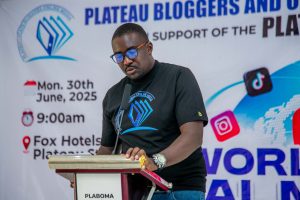
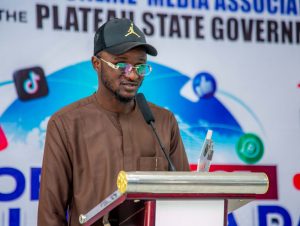
He applauded PLABOMA’s efforts in creating a responsible media environment and stressed that content verification must become a habit among all online users. “You are the new gatekeepers,” he said, “and your responsibility is immense.”
In his engaging address, Godwin Okoko, Head of Program Implementation at Search for Common Ground Nigeria, highlighted the transformative potential of social media. He encouraged bloggers and digital actors to use their platforms for connection, healing, and positive storytelling.
“Let us be known as digital peacebuilders,” Okoko urged, noting how a single post can influence public sentiment and relationships. He also emphasized the importance of mentorship and collaboration in sustaining ethical digital practices.
In his paper titled “The Power of Digital Media and Responsible Online/Citizen Journalism,” Da Yakubu Taddy focused on the everyday influence of mobile phones and digital platforms. He described how, for many, the phone is the first thing they reach for in the morning, before even saying a prayer.
Taddy gave real-life examples of how fake news spreads rapidly online, referencing false stories about political figures that went viral without verification. He urged content creators and citizen journalists to be more critical, to verify sources, and to fact-check before sharing any information.
“There are legal consequences for misinformation. The Cybercrime Law is real,” he warned, noting that content creators must not only protect their credibility but also safeguard the public from harm. “Being digital comes with responsibility,” Taddy concluded.
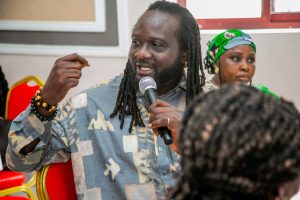
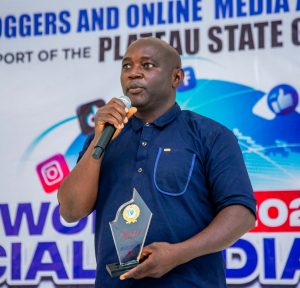
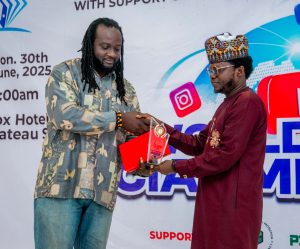
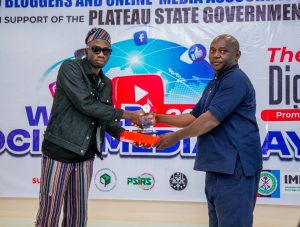
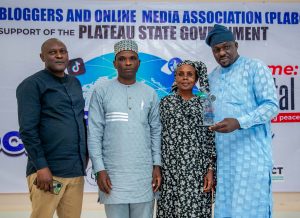
The event wrapped up with awards presentation, interactive discussions and a renewed sense of purpose among attendees. PLABOMA’s World Social Media Day celebration not only highlighted the immense influence of digital media in modern society but also issued a powerful call to action: that every digital voice matters, and it must be used wisely—for peace, innovation, and collective growth.



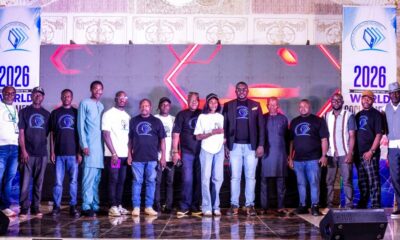


Lingzhi Global Nigeria Ltd. has announced plans to hold the second edition of the Coffee Festival International Nigeria in Calabar, Cross River State, from October 30 to November 1, 2026, as part of efforts to promote coffee production and expand opportunities across the value chain.
The festival, organised in collaboration with the National Coffee and Tea Association of Nigeria, NACOFTAN, will be held under the theme, “Coffee Sustainability and Empowerment: Focusing on Women and Youth Development,” with emphasis on skills development, community development and job creation.

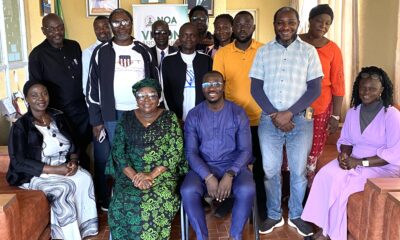
The Chief Executive Officer of Lingzhi Global, Mrs. Blessing Nanman, disclosed this at a stakeholders’ meeting in Abuja, saying the event would bring together coffee stakeholders, investors and international participants to explore opportunities in farming, processing, packaging, marketing and export.
“Farmers have gone to work. Some processors are already at the verge of breaking through. This is the time where we want to invite all investors, partners and international organisations to support us in the coffee industry,” Nanman said.
She said the maiden edition attracted participants from different countries, while the 2026 festival is expected to draw representatives from about 30 countries. According to her, the event would further define opportunities within the coffee value chain and encourage local consumption of coffee.
Nanman said Lingzhi Global was also expanding its coffee business through the establishment of coffee shops, noting that the outlets had become platforms where communities, families and people from different backgrounds could connect over coffee.

She said Cross River was selected to host the second edition because of its potential for coffee production and the state government’s efforts to expand cultivation through the distribution of millions of coffee seedlings.
Speaking on the forthcoming festival, Cross River State Commissioner for Agriculture and Irrigation Development, Hon. Johnson Ebokpo, commended Lingzhi Global for its role in promoting coffee and tea development in the state and for working with stakeholders to strengthen the sector.
He said the company had contributed efforts to improve farmers’ access to seedlings, knowledge and markets, describing its partnership with the state as important to the development of the coffee value chain.
“We are pleased to be collaborating with Lingzhi Global, organisers of the International Coffee Festival, and NACOFTAN,” Ebokpo said.
The commissioner said the festival would give Cross River greater visibility as a coffee-producing destination while creating opportunities for women and young people to participate in the industry.
“This is also an opportunity for us to use the festival as a platform to create jobs for our people, particularly women and youths, while providing them with opportunities to learn more and develop their skills,” he said.
Ebokpo said the coffee industry extends beyond farming to processing, packaging and export, stressing that young people could create businesses and develop their own brands by participating in different stages of the value chain.
He said Cross River has about 23,000 square kilometres of arable land suitable for coffee development and has the agro-ecological advantage of producing both Arabica and Robusta varieties. He added that the state plans to distribute at least 30 million coffee seedlings over five years.
President of NACOFTAN, Dr. Hassan Usman, said the festival would provide an opportunity for Nigerian stakeholders to exchange knowledge and technology with international players in the coffee industry.
“The Coffee Festival is not only Nigerian in inclusion, but international. We have people coming from Brazil, Indonesia, Kenya and all the countries. The globe will be around with us,” Usman said.
Usman also commended Lingzhi Global for taking stakeholders across the country and beyond to gain knowledge in coffee processing and marketing, saying the company had played a critical role in connecting Nigerian stakeholders with international opportunities.
He said stakeholders would use the gathering to strategise on strengthening the coffee value chain and changing the narrative around coffee production in Nigeria, while calling for greater participation from government agencies, investors and other stakeholders.
The 2026 Coffee Festival International Nigeria is expected to bring together farmers, processors, roasters, investors, experts and other stakeholders from Nigeria and abroad for three days of knowledge-sharing, networking and promotion of the coffee industry.


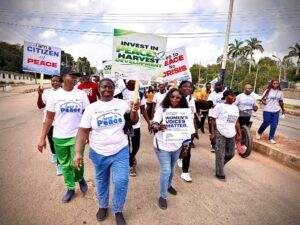
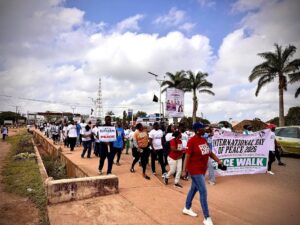
The streets of Jos echoed with a simple message on Saturday: peace is everyone’s responsibility.
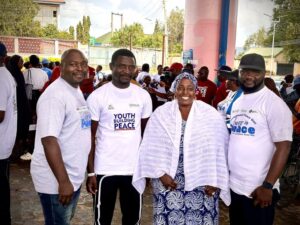
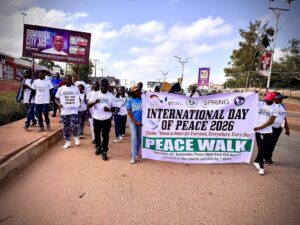
As part of activities marking the 2026 International Day of Peace, the Women for Positive Peacebuilding Initiative (WOPPI) joined other peace organisations for a peace walk from Old Airport Junction to Secretariat Junction Bridge.
Holding placards calling for unity, dialogue and peaceful coexistence, participants took the message of peace to the streets and into the public space.
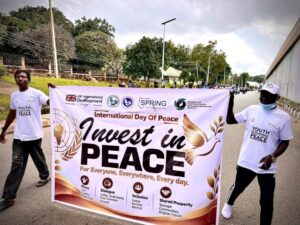
This year’s International Day of Peace, observed on September 21, is themed “Invest in Peace – For Everyone, Everywhere, Every Day.” The United Nations says the theme highlights the role of ordinary people as “everyday architects of peace.” (United Nations Peacekeeping)
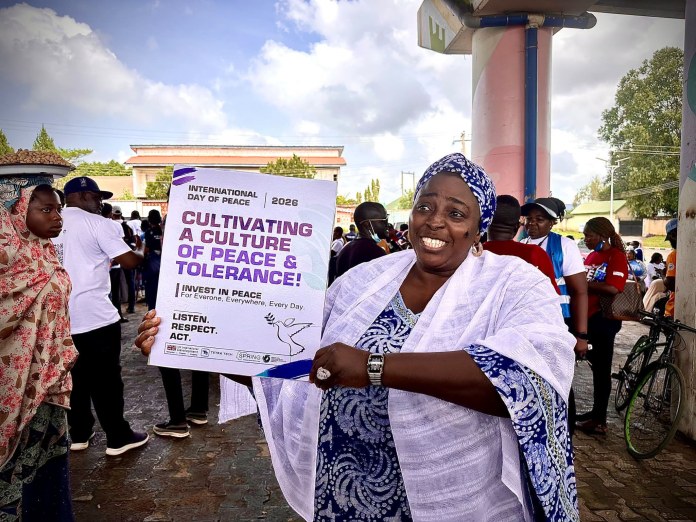
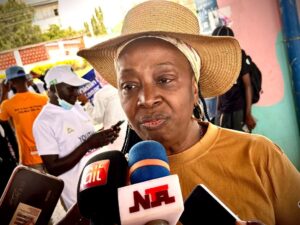
For WOPPI Executive Director, Lantana Abdullah, the message is particularly important for Plateau, a state with a history of violent conflicts.
She said peace cannot be left to government or security agencies alone. Every citizen, she stressed, has a role to play.
“Every citizen residing in Plateau or beyond Plateau or in Nigeria must play their part in making sure we sustain and build enduring peace for everyone.”
Abdullah urged citizens to choose dialogue over confrontation, report responsibly and speak up when they see issues capable of threatening peace.
She also challenged negative narratives about Plateau, pointing out that people continue to live, work and build their livelihoods across the state despite its troubled past.
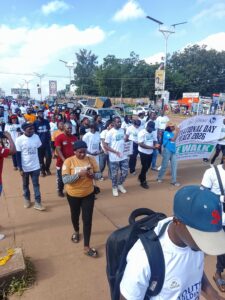
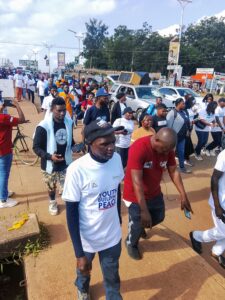
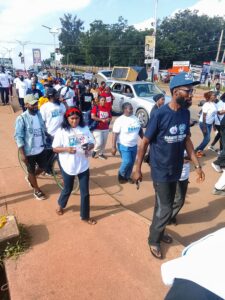
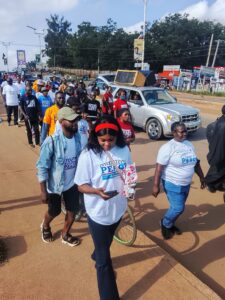
For WOPPI, women must also be at the centre of this process. The organisation works to strengthen women’s voices, train them as mediators and involve them in preventing and resolving conflicts within their communities.
The walk therefore carried more than placards. It carried a reminder: peace is not something people wait for others to create. It is something communities build—one conversation, one intervention and one peaceful choice at a time.
And in the words of this year’s global message, that investment must happen for everyone, everywhere, every day. (United Nations)
-

 News3 days ago
Troops rescued 70 abductees, recovered N10 million ransom: DHQ
-
News3 days ago
Plateau Activates Ebola Preparedness Measures, Urges Residents to Observe Safety Guidelines
-
Business3 days ago
CBN grants JP Morgan approval-in-principle to set up merchant bank
-
Business3 days ago
REA Ends 16 Years of Darkness in Two Kano Communities