Business
Nigeria’s Pension Assets Top ₦32tn as Kenyan Regulator Understudies Reforms



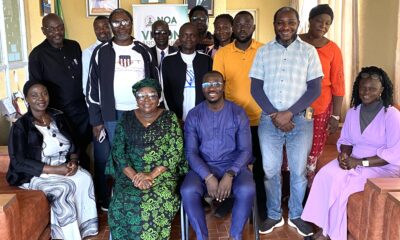
BY NKECHI NAECHE-ESEZOBOR—The National Pension Commission (PenCom) has received a four-member delegation from Kenya’s Retirement Benefits Authority (RBA) for a four-day technical study visit in Abuja, solidifying Nigeria’s position as a leading reference point for pension reform and regulatory innovation across the African continent.
The Kenyan delegation, led by John Keah, Director of Market Conduct and Industry Development at the RBA, is visiting Nigeria from June 8 to 11, 2026, to understudy PenCom’s regulatory and supervisory frameworks.
Keah noted that the engagement highlights the critical role of cross-border learning among African regulators aiming to optimize retirement systems and improve pension outcomes for citizens. He added that structural similarities between the two nations’ pension landscapes make Nigeria’s journey highly relevant to Kenya’s ongoing domestic reforms.
The RBA delegation is focusing its study on PenCom’s Environmental, Social, and Governance (ESG) initiatives, its risk-based supervision framework, and its strategies for expanding pension coverage to both the informal sector and the diaspora.
Keah particularly lauded the governance safeguards within Nigeria’s pension system and described the Diaspora Pension Arrangement as an innovative milestone capable of reducing old-age poverty and enhancing long-term retirement security.
Welcoming the delegation, the Director General of PenCom, Ms. Omolola Oloworaran, reiterated Nigeria’s dedication to regional collaboration and knowledge exchange. Represented by the Director of the Surveillance Department, Abdulrahaman Muhammad Saleem, the Director General revealed that pension assets under management in Nigeria have grown to over ₦32 trillion, representing approximately 10.4 percent of the nation’s Gross Domestic Product (GDP).
This growth, she noted, stems from continuous regulatory reforms, heightened governance standards, and rigorous supervisory mechanisms established since the inception of the Contributory Pension Scheme (CPS) in 2004.
Ms. Oloworaran also highlighted the Federal Government’s recent settlement of outstanding accrued pension rights liabilities as a historic turning point for the CPS.
The intervention, executed through the issuance of a Federal Government bond, effectively resolved a prolonged funding backlog that had previously delayed retirement benefits for public sector employees within Treasury-Funded Ministries, Departments, and Agencies (MDAs).
Under the new framework, accrued rights are transferred directly into retirees’ Retirement Savings Accounts (RSAs), granting immediate access to investment returns and eliminating lengthy waiting periods.
The technical visit, anchored on the theme “Risk-Based Supervision and ESG Integration in Pension Funds,” includes interactive departmental presentations, study tours to selected Pension Fund Administrators (PFAs), and collaborative sessions on emerging risks.
Both regulatory bodies expect the engagement to deepen bilateral cooperation and foster resilient, inclusive, and sustainable pension architectures across East and West Africa.
The post Nigeria’s Pension Assets Top ₦32tn as Kenyan Regulator Understudies Reforms appeared first on Business Today NG.




Business
PenCom, PenOp Spotlight PCRS Successes, Challenges, and Strategic Future at 1-Year Anniversary
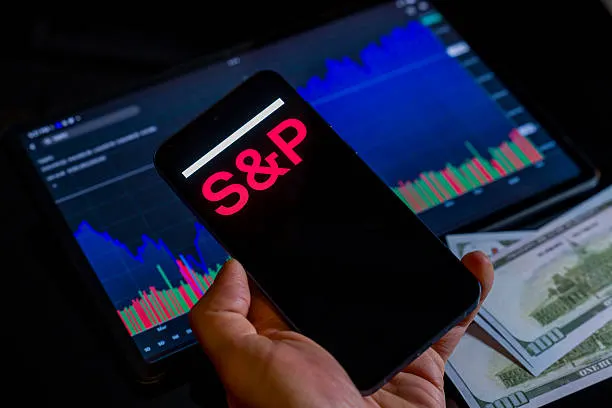

S&P Global announced Tuesday that it has agreed to acquire a majority stake in Agusto & Co., a leading Pan-African rating agency with operations in Nigeria, Kenya, Rwanda and Ghana.
The investment, a strategic step for both companies, will complement and support the growth strategy of the S&P Global Ratings division in Africa.
The company said in a statement that by combining S&P Global’s international expertise and resources with Agusto & Co.’s strong Pan-African presence and reputation for excellence, the partnership aims to expand market insights, strengthen credit transparency, and support market participants across the region.
“We are delighted to partner with Agusto & Co. to strengthen our domestic ratings presence across Africa,” said Yann Le Pallec, President, S&P Global Ratings. “This transaction underscores our commitment to supporting growth and transparency in local credit markets throughout the continent. Africa’s opportunity is extraordinary, and by combining our global expertise with Agusto & Co.’s deep local insights, together we can foster informed analysis, constructive market dialogue, and greater investor confidence both regionally and internationally.”
“This partnership is a transformational milestone for Agusto & Co. and African capital markets, fulfilling our late founder’s vision of affiliating with a leading global rating agency,” said Yinka Adelekan, Managing Director of Agusto & Co.

“For more than 30 years, we have built a trusted credit rating institution across Africa. By combining our deep Pan-African market knowledge and analytical independence with S&P Global Ratings’ global expertise, resources and affiliate network, we believe this partnership will create new opportunities, enhance value for market participants, and support the continued development of transparent and resilient credit markets across the continent.”
Agusto & Co. is a leading Pan-African credit rating agency with a strong presence in Nigeria and other key African markets, rating financial institutions, corporates and other entities. Following the transaction, Agusto & Co. will continue to operate as a separate ratings entity and issue its own credit ratings and methodologies in accordance with applicable regulatory requirements.
ALSO READ: Agusto & Co. projects 19% profit fall for Nigerian banks in 2025
The transaction is subject to customary closing conditions, including receipt of required regulatory approvals.
The terms of the transaction were not disclosed.
Subject to obtaining all required regulatory approvals, the transaction is expected to close during the second half of 2026.
The transaction is not expected to have a material impact on the financial results of S&P Global or S&P Global Ratings, the agency said.
Agusto & Co. was founded in 1992 by the late Nigerian economist and chartered accountant, Olabode (Bode) Agusto. It was established as the first credit rating agency in Nigeria.
Mr Agusto, who served as the firm’s first managing director for 11 years, died in October 2023.
-

 News3 days ago
Monday.com is the latest tech company to blame AI for layoffs — here are 20 others
-
Events10 hours ago
PLABOMA Visits NOA, Commends State Director for Social Media Day Keynote
-
News9 hours ago
Plateau CBM Youths Pledge 1m Votes For Tinubu In 2027 Elections
-
News2 days ago
Are brain waves the next unlock for physical AI?