Health
PT Health Watch: Tissue paper is safe for intimate hygiene, but these common habits may trigger infections- Expert

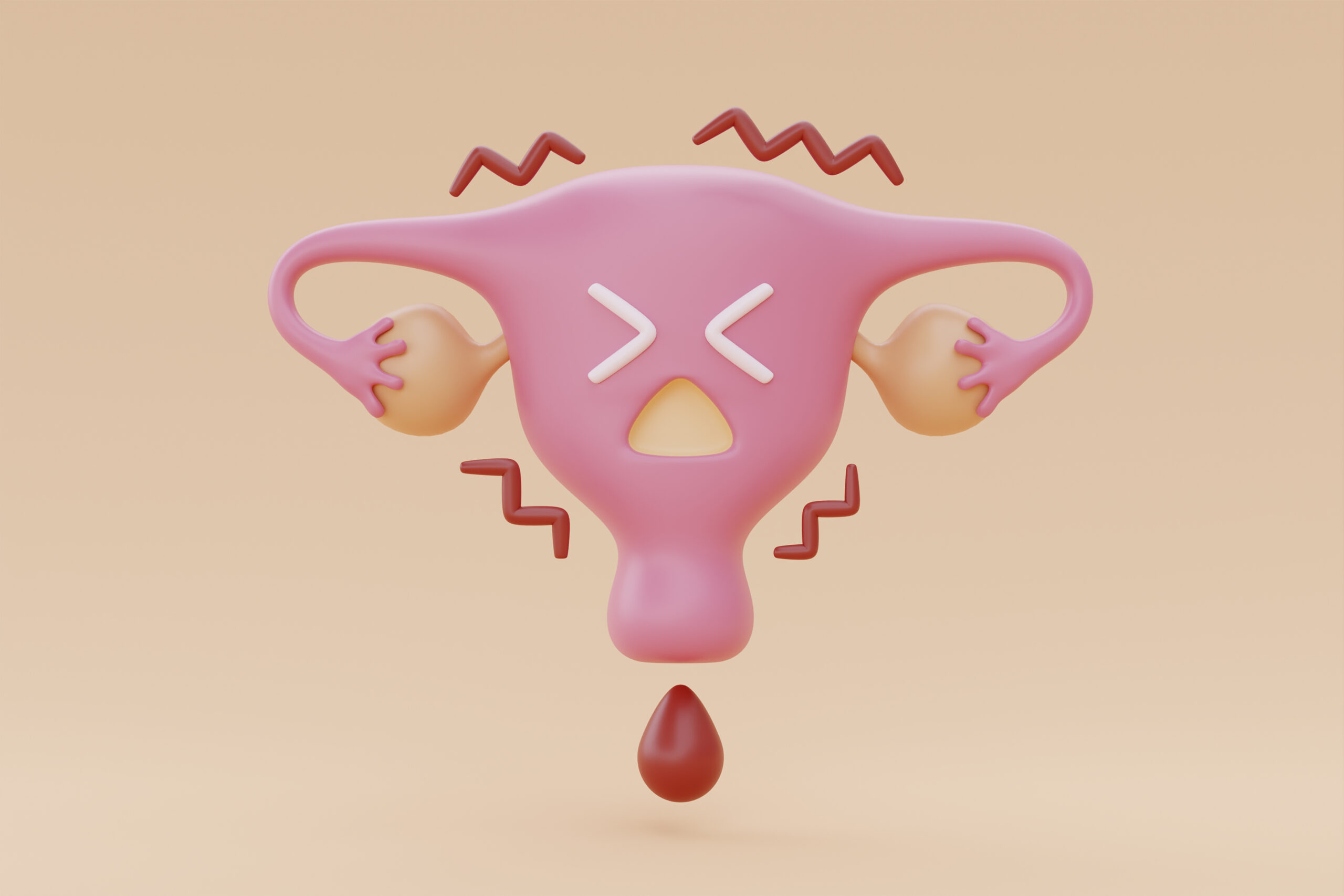

Conflicting advice circulating on social media has left many women questioning whether using toilet tissue after urinating could increase their risk of urinary tract infections (UTIs), irritation or other intimate health problems.
Some online posts even claim that wiping with tissue paper is unsafe.
However, medical experts say there is no scientific evidence that using clean, plain, unscented tissue paper after urinating causes infections when used correctly.
Instead, they warn that practices such as douching, using scented feminine wipes, cleaning inside the vagina and wiping from back to front are far more likely to upset the natural balance of the genital area and increase the risk of infections.
Speaking with PT Health Watch, Yahya Mohammed, a medical doctor at the National Hospital, Abuja, said maintaining intimate hygiene does not require expensive products or excessive cleaning.

According to him, the real concern is not tissue paper itself but hygiene habits that introduce bacteria into the urinary tract or interfere with the body’s natural protective mechanisms.
Plain tissue paper is safe
Mr Mohammed said gently drying the genital area with clean, unscented toilet tissue after urinating is safe for most women and may even help reduce prolonged moisture that can contribute to skin irritation.
He explained that while wet wipes are generally safe if they are mild and fragrance-free, products containing perfumes, alcohol or harsh chemicals can irritate the delicate skin around the vulva.
Such irritation, he noted, is sometimes mistaken for an infection.
He stressed that routine use of feminine wipes is unnecessary.
According to him, washing the external genital area, the vulva, with clean water is sufficient for everyday hygiene. Women who prefer soap should use only mild, fragrance-free cleansers.
“Clean tissue paper is generally safe, while wet wipes are usually safe if they are non irritating,” he said.
What really causes UTIs?
Mr Mohammed explained that UTIs are most commonly caused by bacteria entering the urinary tract, particularly Escherichia coli (E. coli), which normally live in the bowel.
He said clean toilet tissue does not cause UTIs.
Although wet wipes may offer additional comfort during menstruation or for women experiencing diarrhoea or haemorrhoids, he said they should not replace routine washing with clean water.
Rather than worrying about tissue paper, he said women should focus on hygiene practices that prevent harmful bacteria from reaching the urinary tract.
Hygiene habits to avoid
Mr Mohammed identified several common practices that increase the risk of irritation and infection.
According to him, wiping from back to front after using the toilet can transfer bacteria from the anus to the urinary tract.
He also cautioned against using coloured, scented or antibacterial wipes for intimate hygiene, saying these products can irritate sensitive skin and may contribute to recurrent vaginal infections or allergic reactions.
Other habits women should avoid include wiping too aggressively, cleaning inside the vagina, douching after urinating, remaining in wet underwear for long periods, wearing very tight non breathable underwear and washing the vulva with harsh soaps.
He explained that douching can wash away the protective bacteria that help maintain the vagina’s normal pH, increasing the risk of infections.
The best way to clean after using the toilet
According to Mr Mohammed, the best hygiene method often depends on personal preference, skin sensitivity and what is readily available.
He recommended using plain, unscented toilet tissue to gently blot or wipe dry after urinating.
READ ALSO: PT Health Watch: From symptoms to risks, how UTIs differ from vaginal infections
After a bowel movement, women should wipe until the tissue is clean.
He added that rinsing the vulva with clean water is also an excellent option, while combining water with gentle drying using plain tissue provides additional comfort for many women.
Less is more
Mr Mohammed emphasised that women do not need elaborate intimate hygiene routines.
He explained that the vagina is naturally self-cleaning through normal secretions, while the vulva only requires gentle external cleaning.
He said excessive washing or using multiple intimate hygiene products can do more harm than good.
He advised women experiencing persistent itching, unusual vaginal discharge, pain during urination, foul odour or recurrent infections to seek medical attention rather than rely on social media advice or self-medication.
“The vulva cleans itself through its natural secretions,” he said.
He added that maintaining simple hygiene practices and seeking prompt medical attention for symptoms remain the best ways to protect intimate health.






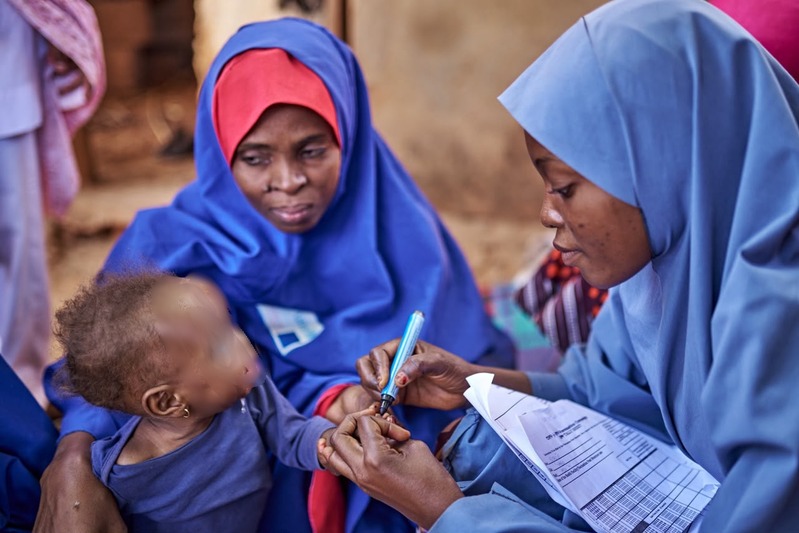
Gavi, the Vaccine Alliance, says 9.5 million children in 57 supported countries received no routine vaccine in 2025, despite gains in global immunisation.
The figure, described as the number of “zero-dose” children, was contained in Gavi’s 2025 Annual Progress Report, which reviewed the alliance’s 2021-2025 strategic period.
Gavi defines zero-dose children as infants who have not received the first dose of a diphtheria, tetanus and pertussis-containing vaccine by the end of their first year.
Number falls from 2021 peak
According to the report, the number of zero-dose children in 2025 was 600,000 lower than in 2024 and 25 per cent lower than the peak recorded in 2021 following disruptions to routine immunisation caused by the COVID-19 pandemic.
However, the figure remained four per cent above the 2019 baseline, partly because of continued growth in the number of children being born.
Gavi said children living in fragile, conflict-affected and humanitarian settings remain among those most likely to be missed by immunisation programmes.

Nigeria remains one of the countries with the highest number of zero-dose children. UNICEF estimated that about 2.2 million Nigerian children had never received a routine vaccine in 2025, the highest number in Africa.
Nigeria records gains in targeted areas
The report highlighted Nigeria, Ethiopia and Pakistan among countries where emerging data showed stronger immunisation coverage gains in sub-national areas that received greater Gavi focus and investment during the 2021-2025 period.
Gavi said the findings underscored the value of targeted, equity-focused investments in reaching communities that are being missed by routine immunisation.
The report also identified Nigeria among countries covered by Gavi’s Zero-Dose Learning Hubs, which examined what works and what does not in identifying and reaching zero-dose and under-immunised children.
The findings from Nigeria, Bangladesh, Mali and Uganda highlighted several issues, including gender-related barriers to immunisation.
73m children immunised in 2025
Despite the number of zero-dose children, Gavi said more than 73 million children were immunised through routine programmes with its support in 2025.
More than 351 million children were immunised during the 2021-2025 strategic period, “exceeding Gavi’s target of 300 million children.”
“By end 2025, Gavi-supported countries had immunised more than 1.3 billion unique children with Gavi support since 2000, exceeding our Investment Opportunity 2021-2025 commitment of more than 1.1 billion children immunised by 2025,” it noted.
Gavi said vaccination averted more than 2.2 million future deaths in 2025, bringing the total number of future deaths averted through its supported vaccination programmes to more than 7.8 million during the 2021-2025 period.
Generated economic benefits
The report said immunisation programmes generated more than $30 billion in economic benefits for Gavi-supported countries in 2025, the highest amount recorded in a single year.
The benefits were calculated from the costs of illness averted, including medical and associated costs, caretaker wages and productivity losses resulting from disability or death.
Gavi said the programmes generated more than $104 billion in economic benefits between 2021 and 2025 and more than $308 billion between 2000 and 2025.
Countries also contributed a record $301 million towards the co-financing of Gavi-supported vaccines in 2025, an 18 per cent increase from 2024.
About 80 per cent of the contribution came from domestic resources, while “approximately 20 per cent from low-interest loans from the World Bank.”
Gavi said countries had contributed a total of $2.2 billion towards vaccine co-financing since the policy was introduced in 2008.
More children
For its 2026 to 2030 strategic period, Gavi said it aims to protect another 500 million children through immunisation and avert between eight million and nine million future deaths.
READ ALSO:New TB vaccines could save 7.3m lives by 2050 – Gavi
The Alliance also targets more than $100 billion in economic benefits during the period. Gavi said it would place greater emphasis on reaching zero-dose and under-immunised children while strengthening the sustainability of national immunisation programmes.
In her comments, Gavi Chief Executive Officer, Sania Nishtar, said the results showed that immunisation generates benefits beyond preventing disease. “However, when it comes to immunisation we know that the return on investment extends far beyond health to supporting sustainable, inclusive economic growth,” Ms Nishtar said.
WHO Director-General, Tedros Ghebreyesus, also said immunisation delivers massive gains in lives saved and diseases prevented, but also in terms of economic benefits.
“Countries understand that the cost of failing to vaccinate is far too great, while the benefits extend across families, communities, economies and future generations,” Mr Ghebreyesus was quoted to have said.
Discover more from Premium Times Nigeria
Subscribe to get the latest posts sent to your email.

A military cardiologist, Life Ajemba, has warned that hypertension, prolonged stress, and inadequate sleep could increase the risk of cardiovascular disease among serving military personnel and veterans.
Mr Ajemba, a major-general, said hypertension remains one of the most common cardiovascular conditions among serving personnel and military retirees.
Speaking in an interview with the News Agency of Nigeria on Wednesday in Abuja, he urged military personnel and veterans to prioritise their heart health through regular medical checks, physical exercise, healthy diets and adequate rest.
He cited studies which showed that hypertension accounted for 15.31 per cent of cases treated among mainly military retirees between 2015 and 2020.
He also referenced another study which found a hypertension prevalence of 34.3 per cent among military personnel.
He noted that major risk factors included alcohol consumption, tobacco smoking, family history of cardiovascular disease and being overweight.
According to him, the demanding nature of military service could also increase cardiovascular risks due to physical stress, psychological trauma, irregular schedules and inadequate sleep.
“Military duties affect heart health through a combination of extreme physical stress, psychological trauma and environmental exposures that increase the risk of cardiovascular disease,” he said.
The military cardiologist explained that prolonged stress could increase the release of hormones such as adrenaline and cortisol, leading to increased heart rate and blood pressure.
He added that sleep deprivation, anxiety and other psychological pressures could further increase the risk of hypertension, coronary artery disease, heart attack and stroke.
Mr Ajemba stressed the importance of regular medical screening among military personnel, saying early detection could help identify silent conditions such as high blood pressure, abnormal cholesterol levels and elevated blood sugar.
He said routine medical checks could include blood pressure and heart rate monitoring, blood tests, lipid profiles, electrocardiograms (ECGs), chest X-rays, and echocardiography where necessary.
READ ALSO: PT Health Watch: How Pregnancy-Induced Hypertension puts mother, baby at risk
“Early detection ensures that soldiers receive treatment while remaining fit for duty, preventing medical evacuation and safeguarding their long-term health,” he said.
He also encouraged military personnel to maintain regular physical exercise, saying fitness helped reduce blood pressure, improve heart efficiency and increase resistance to operational fatigue.
Mr Ajemba, however, advised personnel to combine physical fitness with healthy eating, adequate rest and avoidance of smoking and excessive alcohol consumption.
He said maintaining a healthy lifestyle could help military personnel reduce cardiovascular risks and remain fit both during active service and after retirement.
(NAN)
Discover more from Premium Times Nigeria
Subscribe to get the latest posts sent to your email.
-

 News3 days ago
2027: El-Rufai’s detention could hurt APC, generate sympathy – SEDSAC director, other analysts express views
-
News3 days ago
Lucid Motors’ EV output falls to lowest level in almost 2 years
-
Business3 days ago
NAIPE 11th Annual Conference Moves to 12 Noon as 28 Stakeholders Back Event
-
News2 days ago
Mirror Particle is building a ‘world model’ of human behavior