News
Former Plateau Rep Hon. Musa Bagos Chairs Nasarawa PDP Congresses


Hon. Musa Bagos, former member of the House of Representatives from Plateau State, has been appointed by the National Working Committee (NWC) of the People’s Democratic Party (PDP) to oversee the Local Government Congresses in Nasarawa State.
Bagos, who chaired the congresses, successfully completed the assignment, which was aimed at ensuring a smooth and fair process for the party’s internal elections in the state. The congresses, seen as a crucial step in strengthening the PDP’s structure at the grassroots level, were carried out under his leadership.
Bagos expressed gratitude for the opportunity and thanked God for the successful conclusion of the exercise. His role in overseeing the congresses has been widely acknowledged as part of ongoing efforts to reinforce the party’s presence across Nasarawa’s local government areas.
The NWC commended Bagos for his dedication and professionalism throughout the assignment.


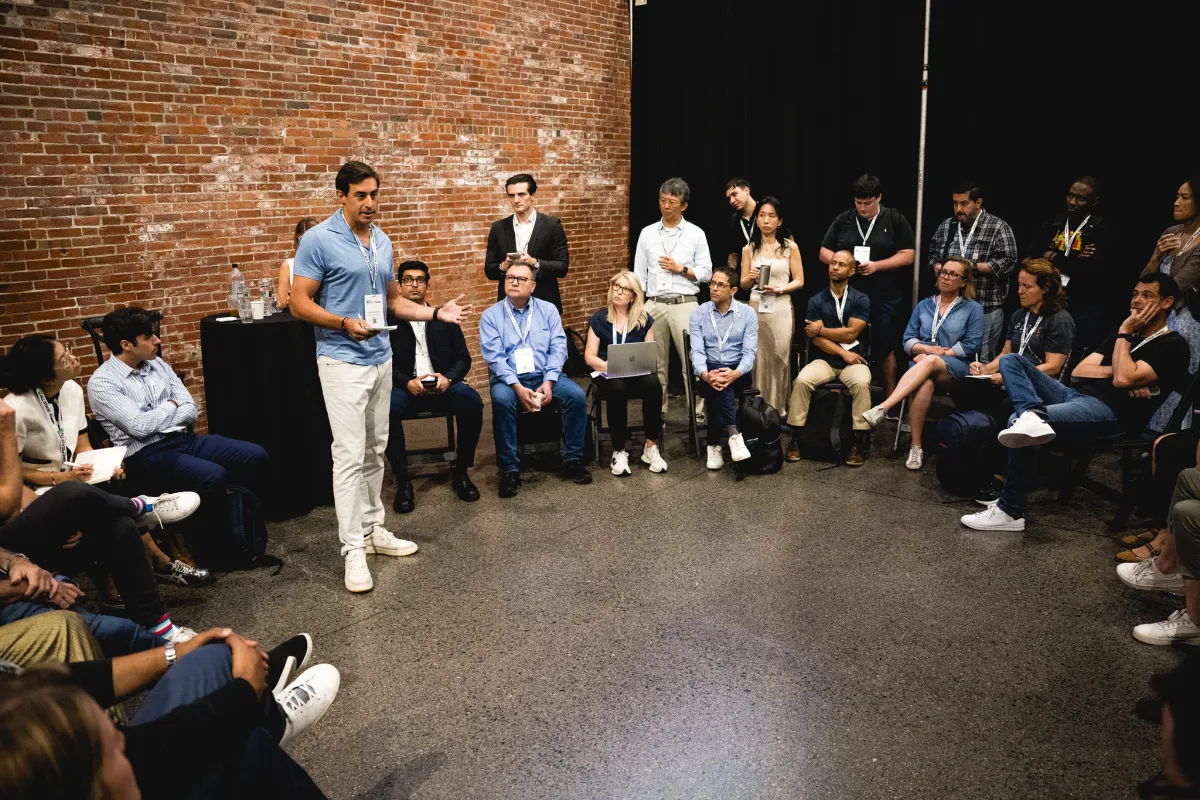
On November 4, TechCrunch’s Founder Summit will bring a vital one-day crash course on startup building to Boston’s SoWa Power Station. Founders shouldn’t have to learn the hardest lessons the hardest way, and this event is designed to make the challenges of starting a company easier and the highs that much greater.
Instead of months of trial and error, you get direct access to the investors and founders who’ve already made the calls you’re now facing. We’re talking everything from fundraising and hiring to AI strategy, and topping your category.
Don’t take our word for it. Explore the full agenda of speakers and sessions we have planned for Founder Summit below, and lock in your spot at the event. All tickets are available for the lowest prices you’ll see, so now’s the best time to act.
The official TechCrunch Founder Summit agenda reveal
Without further ado, here’s the official agenda. Get to know each session and speaker on the event agenda page.

The New Rules of Raising Capital
Fundraising has never been easy, but the playbook keeps changing. Brian Devaney, partner at Underscore, will break down what investors are looking for now, how founders can stand out in a crowded market, and where founders often lose leverage without realizing it. Expect a candid look at today’s fundraising environment, from first checks to term sheets, and the mistakes that can make or break a round.
The CEO Job Never Gets Easier
The title may stay the same, but the job changes with each stage of a company’s growth. HubSpot co-founder and Sequoia partner Brian Halligan will share the lessons he’s learned from building and advising startups through rapid growth, tough decisions, and constant reinvention.
This session explores how founders can evolve as CEOs, avoid common leadership pitfalls, and build companies that can thrive well beyond the early days.
Built for AI From Day One
Adding AI features is one thing. Building an AI-native company is something else entirely. Lior Div, co-founder and CEO of 7AI, will explore what changes when AI becomes the foundation of a startup rather than a product enhancement. From team structure and product development to operations and go-to-market strategy, this session examines what founders should rethink when building in the AI era.
Not Every Dollar Is Equal
Raising capital is often framed as a milestone, but choosing the right investors can shape a company’s future long after the money arrives. After raising an $11 million round for Cogent Security, co-founder and CEO Vineet Edupuganti learned firsthand what separates helpful partners from costly distractions. This session explores how founders should evaluate investors, navigate trade-offs, and think beyond valuation when building their cap table.
How to Spot the ‘King of the Hill’ Company — Hidden Signals That Define Category Winners
Innovation is needed to solve the world’s biggest challenges, but only certain companies can realistically become category-defining winners at industrial scale. In this session, TDK Ventures investment director Tina Tosukhowong unpacks the firm’s “King of the Hill” framework: the disciplined process that the best investors use to evaluate companies based on economics, scalability, and commercial timing.
Through real-world examples, including Tina’s exploration of fission and fusion, attendees will learn actionable frameworks for evaluating startup readiness, mapping competitive landscapes, and identifying when timing, talent, and technology align.
Your Company Is Who You Hire
Early hiring decisions can define a startup’s culture, speed, and ability to execute. Melissa Taunton, partner at NEA, will share lessons from working with founders as they build teams through periods of rapid growth and uncertainty.
From identifying the right early hires to avoiding common recruiting mistakes, this session explores how founders can build organizations that are resilient, adaptable, and prepared for what comes next.
The Boston Founder Playbook
Silicon Valley gets the headlines, but Chase Garbarino has been quietly building category-defining companies from Boston for over a decade. As co-founder and CEO of HqO, he has raised $200 million from investors and scaled to 30+ countries without ever needing to change geographies.
He’ll break down the real advantages and disadvantages of building where the startup playbook wasn’t written, and what every founder outside a major hub should know.
Finding Product Market Fit Before You Scale
Every founder wants product-market fit, but knowing when you’ve actually found it is far more complicated. Kent Bennett, partner at Bessemer Venture Partners, will unpack how founders can validate demand, build an MVP that answers the right questions, and avoid scaling before the fundamentals are in place.
This session explores the signals that matter, the metrics that mislead, and the decisions that separate enduring companies from expensive experiments.
What happens beyond Founder Summit’s sessions
The programming is a huge part of TechCrunch Founder Summit’s value, but it’s not the whole deal. You’ll also get the chance to mix and mingle with founders working through the same fundraising decisions and the same hiring calls as you, and then network with those who have already lived through those experiences. Or better yet … those who have funded those who have gone through the startup wringer.
A day filled with discussions turns into months of action at TechCrunch Founder Summit, and we’re eager for you to join us and the rest of the Boston startup community on November 4. Register now to secure your ticket savings and join the ultimate founder’s bootcamp.

When you purchase through links in our articles, we may earn a small commission. This doesn’t affect our editorial independence.
-

 Business3 days ago
Lingzhi Global, NACOFTAN Announce 2026 Coffee Festival in Cross River
-
Events3 days ago
Peace Walk: WOPPI Urges Plateau Citizens to Invest in Peace Every Day
-
 Health3 days ago
Nigerian hospitals collaborate to perform tele-robotic surgery
-
News3 days ago
INEC declares APM’s Adamu Yakubu winner of Sakwa bye-election in Bauchi