News
Chams founder Aladekomo to chair QEDNG Creative Powerhouse Summit 2.0 – Technology Times


Stay connected via Google News

Sir Demola Aladekomo, founder of Chams Holding Company Plc and one of Nigeria’s pioneering technology entrepreneurs, has been named chairman of the QEDNG Creative Powerhouse Summit 2.0, scheduled to hold on August 11 at the Radisson Blu Hotel, Ikeja, Lagos.
Organised by Mighty Media Plus Network Limited, publishers of QEDNG, the summit will convene policymakers, business leaders, investors and creative industry professionals to examine the future of Nigeria’s creative and cultural economy.
This year’s summit will be held under the theme, “Creativity, Culture and Nigeria’s Next Chapter.”
Announcing the appointment, Olumide Iyanda, Publisher of QEDNG and convener of the summit, says Aladekomo’s distinguished career as an entrepreneur, technology innovator and institution builder makes him well positioned to lead discussions at the event.
“Sir Demola Aladekomo has spent decades building businesses, championing innovation and supporting institution building. His experience will add real value to the conversations we want to have about the future of Nigeria’s creative economy,” Iyanda says.
Accepting the invitation, Aladekomo describes the summit’s theme as both timely and relevant, while commending QEDNG for creating a platform that encourages meaningful dialogue on the future of Nigeria’s creative industries.
He says he looks forward to contributing to discussions that will generate practical ideas for strengthening the sector and expresses confidence that the second edition of the summit will build on the success of last year’s inaugural event.
Aladekomo founded CHAMS in 1985 as Nigeria’s first indigenous computer maintenance company. Under his leadership, the company pioneered several technology milestones, including the country’s first wide area network built on personal computers. He also played a leading role in the development of Nigeria’s electronic payment ecosystem through the pioneering Valucard project and championed initiatives in identity management and digital infrastructure.
He retired as Group Managing Director of Chams in 2015 and was appointed Chairman of the Board in 2020. He also chairs SmartCity PLC, where he continues to advocate technology-driven innovation and digital development.
Aladekomo also shares another distinction with the inaugural chairman of the summit, Ufot Ekong. Both are former Presidents of the Lagos Business School Alumni Association. Ufot served as president between 2010 and 2012 before Aladekomo succeeded him from 2012 to 2014. While Ufot chaired the maiden edition of the QEDNG Creative Powerhouse Summit in 2025, Aladekomo will preside over this year’s second edition.
The summit will explore how policy reforms, institutional support and private-sector investment can accelerate the growth of Nigeria’s creative economy across key sectors, including music, film and television, fashion and design, gaming, visual arts, publishing and literature, content creation, and technology-driven innovation.
The inaugural edition of the summit brought together leaders from government, business, finance and the creative industries to examine financing as a catalyst for building a more vibrant and sustainable creative economy.
Registration for QEDNG Creative Powerhouse Summit 2.0 is currently open.
Stay ahead with real-time reports, breaking news, and exclusive insights delivered directly to your phone. Don’t settle for outdated information. Join TECHNOLOGYTIMES NEWS on WhatsApp for 24/7 updates.
Join Our Whatsapp Channel






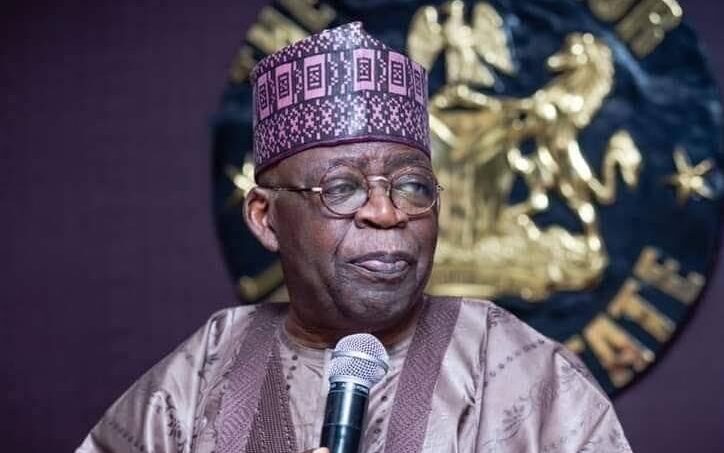
President Bola Tinubu has said 21 shared facilities established across 19 states and the Federal Capital Territory are supporting businesses and an estimated 650,000 jobs.
The facilities, established under the Federal Government’s National MSME Clinics initiative, provide entrepreneurs with access to equipment, electricity and production infrastructure without requiring them to bear the full cost of setting up such facilities themselves.
President Tinubu disclosed this in a statement on Monday while highlighting the government’s efforts to address infrastructure and equipment challenges facing micro, small and medium enterprises (MSMEs).
According to the President, many small businesses have the skills and ideas to expand but struggle to access the equipment and infrastructure needed to increase production.
He said the shared MSME hubs were designed to reduce some of those barriers by allowing entrepreneurs to use modern production facilities without making large upfront investments.
He cited tailors and food processors as examples of businesses that could benefit from the model.


“A tailor should not need millions of naira to buy industrial machinery before she can grow her business. A food processor should not have to build a factory before producing at scale,” he said.
The President said access to shared facilities could allow businesses to increase production while reducing their operating costs.
“When small businesses can produce more, at lower cost, they become more competitive. They grow. They employ more people. They create income and opportunity for Nigerian families.”
MSME support
The initiative comes as the Federal Government expands programmes aimed at improving access to finance, equipment, skills and markets for small businesses.
READ ALSO: Sowore’s AAC sues Tinubu, others over failure to transfer power to Shettima
The Small and Medium Enterprises Development Agency of Nigeria (SMEDAN), which implements several government MSME support programmes, has previously identified access to finance, infrastructure and markets among the challenges confronting small businesses.
The government has also introduced other interventions aimed at improving access to credit. These include the National Credit Guarantee Company (NCGC), which provides guarantees to encourage financial institutions to lend to businesses and other eligible borrowers.
President Tinubu noted that the government’s approach was focused on removing barriers that prevent entrepreneurs from turning their skills and ideas into sustainable businesses.
“Our job is to remove those barriers,” he said.
He added that strengthening small businesses would help create employment, increase household incomes and expand economic activity.
“Giving Nigerian enterprise the tools to succeed is how we build prosperity from the ground up,” President Tinubu said.
Discover more from Premium Times Nigeria
Subscribe to get the latest posts sent to your email.
News
Anthropic’s prospectus details losses, growth, and, yes, a warning that its AI could end humanity

-

 News3 days ago
Crusoe abandons $1.25B plan to use Boom turbines at AI data centers
-
News3 days ago
Alex Otti should be campaigning for Peter Obi not backing Tinubu – NDC
-
News3 days ago
At Meta Connect, the company’s smart glasses were everywhere
-
News3 days ago
I created an interactive digital avatar of myself — and you can talk to it