Health
PT Health Watch: Common cancer risk factors that should not be ignored


Cancer is one of the leading causes of death worldwide, but health experts say many cancer cases are linked to preventable risk factors.
The World Health Organisation (WHO) estimates that cancer caused nearly 10 million deaths globally in 2024, accounting for almost one in six deaths worldwide. It says about 38 per cent of cancers can currently be prevented by avoiding known risk factors and implementing evidence-based prevention strategies.
Cancer continues to affect thousands of families in Nigeria every year. According to WHO, an estimated 130,000 new cancer cases were diagnosed in 2022, with 80,000 deaths.
While cancer can result from several factors, including genetic changes, age and environmental exposures, some established risks are linked to infections, substances and behaviours that can be prevented.
In a recent health awareness video, Nigerian physician and health communicator, Chinonso Egemba, popularly known as Aproko Doctor, highlighted some of these risks, including hepatitis B, aflatoxin, tobacco, alcohol and human papillomavirus (HPV).

Hepatitis B
According to Aproko Doctor, hepatitis B is particularly dangerous because it can remain in the body without obvious symptoms while damaging the liver.
“When it goes untreated and untested, it’s a virus that starts attacking your liver. Many Nigerians currently are living with it right now, and many of them don’t know because it can sit quietly inside your body for years without a single symptom,” he said.
His warning is supported by WHO, which says chronic hepatitis B infection can cause cirrhosis and liver cancer.
WHO estimates that 240 million people were living with chronic hepatitis B globally in 2024, with the infection contributing to about 1.1 million deaths, mainly from cirrhosis and hepatocellular carcinoma, the most common type of primary liver cancer.
Hepatitis B is preventable through vaccination. WHO recommends hepatitis B vaccination as an important measure for preventing infection and its long-term complications.
Aflatoxin in food
Aproko Doctor warned that the cancer risk can begin with improperly stored food.
“Aflatoxin is basically a poison produced by fungus,” he explained, noting that it can contaminate foods such as grains and groundnuts when they are poorly stored.
According to WHO, Aflatoxins are a group of poisonous mycotoxins produced by certain moulds (Aspergillus species) that contaminate food crops and pose severe health risks like liver cancer. They are toxins produced by certain moulds and can contaminate crops including maize, sorghum, rice and groundnuts. Exposure to aflatoxins can cause liver cancer.
WHO advises discarding food that appears mouldy, discoloured, or shrivelled because mycotoxins can penetrate beyond the visibly affected part.
Aflatoxin exposure can also be particularly dangerous in people infected with hepatitis B. The WHO/FAO Joint Expert Committee on Food Additives says hepatitis B infection is an important contributor to the ability of aflatoxins to cause liver cancer.
This means food storage and handling can also form part of cancer prevention, particularly in communities where grains and other foods are stored for long periods in warm or damp conditions.
Tobacco smoking
Tobacco remains one of the most established cancer risks.
“Smoking generally, as long as you light it with fire and put it on your body, increases the risk of cancer, especially tobacco smoke,” Aproko Doctor said.
He added that the danger was not limited to lung cancer because tobacco smoke contains cancer-causing chemicals that can damage cells throughout the body.
WHO says tobacco smoke contains more than 7,000 chemicals, at least 69 of which are known to cause cancer. Tobacco use is the world’s single greatest avoidable risk factor for cancer mortality.
Smoking can cause cancers of the lung, mouth and throat, oesophagus, bladder, kidney, liver, pancreas, stomach, colon and rectum, cervix and blood, among others.
Alcohol
Alcohol is another established cancer risk. WHO confirms that alcohol consumption increases the risk of several cancers, including cancers of the mouth, throat, oesophagus, liver, colorectum and breast.
WHO also says no level of alcohol consumption can be considered risk-free in relation to cancer.
“The more alcohol you drink, the higher the risk. However, how much and how fast the risk from drinking alcohol increases differs by cancer type,” it noted.
The global body explained that alcohol increases the likelihood of developing certain cancers, with the risk influenced by the amount consumed and other factors.
Human papillomavirus
According to Aproko Doctor, the virus is common, and some types can cause cancer, particularly cervical cancer.
“In women, this particular HPV is responsible for cervical cancer,” he noted.
According to the WHO, persistent infection with high-risk HPV types causes nearly 99 per cent of all cervical cancer cases. HPV is also associated with cancers of the vulva, vagina, anus, penis and mouth and throat.
Although HPV infection is very common, not everyone infected with the virus will develop cancer. WHO says about 90 per cent of HPV infections are controlled naturally by the body, while persistent infection with high-risk types can lead to cancer.
WHO recommends a complete three-step strategy to stop cervical cancer through vaccination, screening, and treatment.
READ ALSO: WHO restricts Ervebo use in Bundibugyo outbreak
Preventing Cancer
A 2026 global analysis by WHO and its International Agency for Research on Cancer (IARC) estimated that 37 per cent of all new cancer cases diagnosed globally in 2022, about 7.1 million cases, were linked to preventable causes.
Tobacco was the leading preventable cause, accounting for 15 per cent of all new cancer cases, followed by cancer-causing infections at 10 per cent and alcohol at three per cent.
WHO recommends avoiding tobacco, reducing or avoiding alcohol, maintaining a healthy weight, eating a healthy diet, engaging in regular physical activity and receiving recommended vaccinations against cancer-causing infections such as hepatitis B and HPV.
As Aproko Doctor noted, understanding the risks is an important first step.“Don’t let anybody deceive you. Say no to smoking in any form,” he said.
Discover more from Premium Times Nigeria
Subscribe to get the latest posts sent to your email.





The Senate on Wednesday rejected a proposal for its members to visit the entry points through which a woman infected with Ebola entered the country before she was isolated at a private hospital in Abuja, the nation’s capital.
The upper chamber instead urged the federal government to immediately release emergency funds from the Service Wide Vote to prevent the spread of the Ebola virus.
Lawmakers passed the resolutions during plenary while debating a motion to enforce mandatory health screening at all international airports and other entry points to prevent the spread of Ebola and other epidemic-prone diseases.
The motion was sponsored by Francis Faduyile (APC, Ondo South).
Nigeria confirmed an Ebola case on Tuesday. The patient, a woman who recently arrived in the country on an international flight from Uganda, is currently in isolation and receiving medical care at a private hospital in the Federal Capital Territory.
The Coordinating Minister of Health and Social Welfare, Muhammad Pate, said 44 people had been identified as the patient’s contacts and that the government was tracking them for isolation.

The motion
Mr Faduyile, a professor of medicine, expressed concern about Nigerians’ safety, noting that no approved vaccine exists for the strain responsible for the outbreak
The senator said Nigeria needed to strengthen surveillance at its entry points in line with the International Health Regulations, without imposing travel bans or engaging in discrimination.
He urged the Senate to encourage the Federal Ministry of Health and Social Welfare, the Nigeria Centre for Disease Control and Prevention (NCDC) and the Port Health Services to make health screening compulsory for all international arrivals at airports, seaports and designated land borders.
Mr Faduyile said the screening should include health declaration forms, temperature checks and symptom assessments. He also called for enhanced screening of passengers who had been in or transited through affected areas within the preceding 21 days, regardless of their nationality or country of departure.
The senator further recommended exit screening for departing passengers during any declared public health emergency.
He urged the Federal Airports Authority of Nigeria and the Nigeria Immigration Service to ensure all entry points are adequately staffed and equipped with trained port health officers, thermal scanners, protective equipment, and isolation rooms.
The lawmaker also called for functional isolation and treatment centres in all 36 states and the FCT.
READ ALSO: Ebola: Nigerian lawmakers demand release of outstanding funds for health agencies to strengthen response
Mr Faduyile recommended reviewing the Quarantine Act of 1926 to align it with modern public health legislation and the International Health Regulations.
He further urged the Senate committees on Health, Primary Healthcare, Development and Disease Control, Aviation, Interior, and Appropriations to work with relevant agencies, visit major entry points and submit a report within four weeks to guide further legislative action.
Debate
Most senators who contributed to the debate supported the motion and its proposed measures.
However, the Senate President, Godswill Akpabio, while commending Mr Faduyile for sponsoring the motion, objected to the proposal for lawmakers to visit the country’s major entry points.
Mr Akpabio argued the visit was unnecessary, suggesting senators could risk exposure to the virus. He put the proposal to a vote, and most lawmakers opposed the planned visit.
Ekong Sampson, the senator for Akwa Ibom South Senatorial District, said Nigeria needed a stronger health system to protect its citizens from epidemic-prone diseases.
Sadiq Umar, who represents Kwara North Senatorial District, urged the government to deploy appropriate technology to strengthen contact tracing and prevent further transmission of the virus across the country.
Adamu Aliero (APC, Kebbi Central) described the matter as urgently important to the nation. He called on the federal government to immediately release emergency funds from the Service Wide Vote to contain the outbreak, rather than wait for funds previously approved in the budget to be released.
Tahir Monguno (APC, Borno North) also called for an amendment to the Quarantine Act.
Discover more from Premium Times Nigeria
Subscribe to get the latest posts sent to your email.
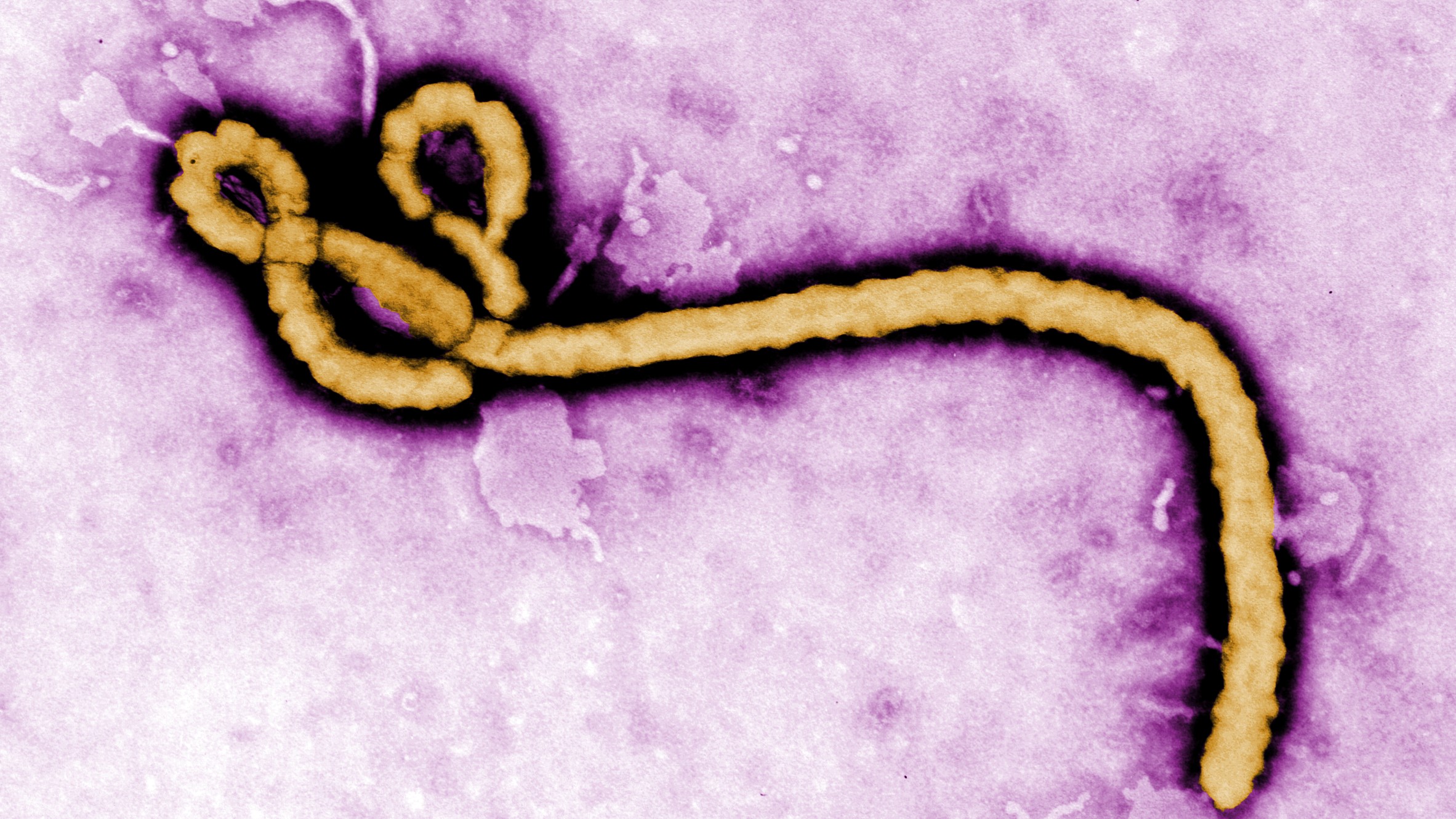
Uganda’s Ministry of Health has urged the public to remain calm and vigilant following Nigeria’s confirmation of an Ebola case, clarifying that the infected woman’s transit through Uganda does not establish that she contracted the virus there.
In a public statement issued on Tuesday, the ministry said preliminary information indicated that the Nigerian woman travelled to eastern Democratic Republic of the Congo (DRC) for business and passed through Uganda in early October without showing symptoms.
She reportedly developed symptoms after arriving in Nigeria, where authorities have confirmed an Ebola infection.
“The location of exposure remains under investigation,” the ministry said, adding that travel through Uganda alone was insufficient to establish where the infection occurred.
The clarification comes as Nigeria intensifies its response to the confirmed case in the Federal Capital Territory (FCT), with health authorities beginning contact tracing to identify people who may have been exposed to the virus.
PREMIUM TIMES reported that Nigeria’s Coordinating Minister of Health and Social Welfare, Muhammad Pate, confirmed the case on Tuesday. The patient is receiving treatment in isolation at a private hospital in the FCT, while 44 close contacts, including healthcare workers, patients, caregivers and travel contacts, have been identified.
Active cases
The Ugandan health ministry said it had no confirmed active Ebola cases as of the time of its statement.
It also said the Nigerian government had yet to provide detailed information about the woman’s travel itinerary and clinical history, which it said would help guide further investigations and any necessary contact tracing.
The Ugandan health ministry said it was working with relevant agencies to strengthen screening and public health controls at points of entry, following the development.
It added that limited provisions had been maintained for humanitarian and diplomatic movements.
The ministry urged residents to practise regular handwashing and use sanitiser as part of efforts to reduce the risk of infection. It also pledged to provide verified updates through its official communication channels.
Regional outbreak
Nigeria’s confirmed case comes amid an ongoing Ebola outbreak linked to the Bundibugyo virus in the DRC, with infections also reported in other countries.
Kenya, which confirmed its first imported case in early October, reported a ninth case on Tuesday. Its health ministry said all nine cases belonged to one known cluster, with the eight surviving patients responding well to supportive care.
The first Kenyan patient had travelled from the DRC through Uganda before arriving in Nairobi. The development has heightened regional concerns about the movement of the virus across borders.
Uganda also recorded Ebola infections earlier in 2026 but subsequently declared its outbreak over after completing the required period without a new confirmed case.
Nigeria’s current case has renewed attention on the risks posed by international travel during an outbreak, as public health authorities work to establish the source of infection and prevent further transmission.
Ebola spreads through direct contact with the blood or other bodily fluids of an infected person, or with contaminated materials. Symptoms can include fever, headache, severe weakness, vomiting and diarrhoea.
Health authorities have advised the public to maintain good hand hygiene, avoid contact with the bodily fluids of suspected cases and promptly report possible exposure to public health officials.
Investigations into the Nigerian case and the circumstances surrounding the patient’s travel remain ongoing.
Discover more from Premium Times Nigeria
Subscribe to get the latest posts sent to your email.
-

 News3 days ago
Euromatch NPFL: Matchday 9 results
-
News4 days ago
NUCAP: Nigeria targets 20 million people with 3,700 telecom towers – Technology Times
-
News3 days ago
No agenda, no rush, no leaving San Francisco: Benchmark’s partners on investing in a frenzied market
-
News3 days ago
Meta removes language that raised scraping and AI training concerns