News
Why Realta Fusion is building a fusion reactor at an old hot dog factory







News
Obafemi Awolowo University’s Conquest Of West African Games Shows Bright Future For Nigerian Sports – Shaibu


The emergence of Obafemi Awolowo University, Ile-Ife, as the overall winner of this year’s regional sports competition among undergraduates of West African institutions has been described as a good sign that ‘shows a bright future for Nigerian sports.’
This assertion was provided by the director-general of Nigeria’s National Institute for Sports (NIS), Comrade Philip Shaibu, who further praised the country’s other representatives for also putting in commendable performances.
Sports247 reports that Shaibu gave the verdict while speaking in the wake of Monday’s closing ceremony for the 15th West African University Games (WAUG) at the citadel of learning fondly called ‘Great Ife.’
Shaibu also praised athletes from OAU for what he referred to as their outstanding performances and dominance throughout the competition, asserting that their conquest came through hard work, discipline and investment in sports development.
His accolades came after the hosts topped 22 other universities to clinch the top spot with a total of 122 medals – 33 gold, 50 silver and 39 bronze – while the University of Ghana placed second with 26 gold, 21 silver and 12 bronze medals.
Shaibu declared gleefully, “The performances of Nigerian universities at the games show that the future of Nigerian sports is bright. We at the NIS will continue to support university sports as a veritable platform for discovering talents for the nation.”
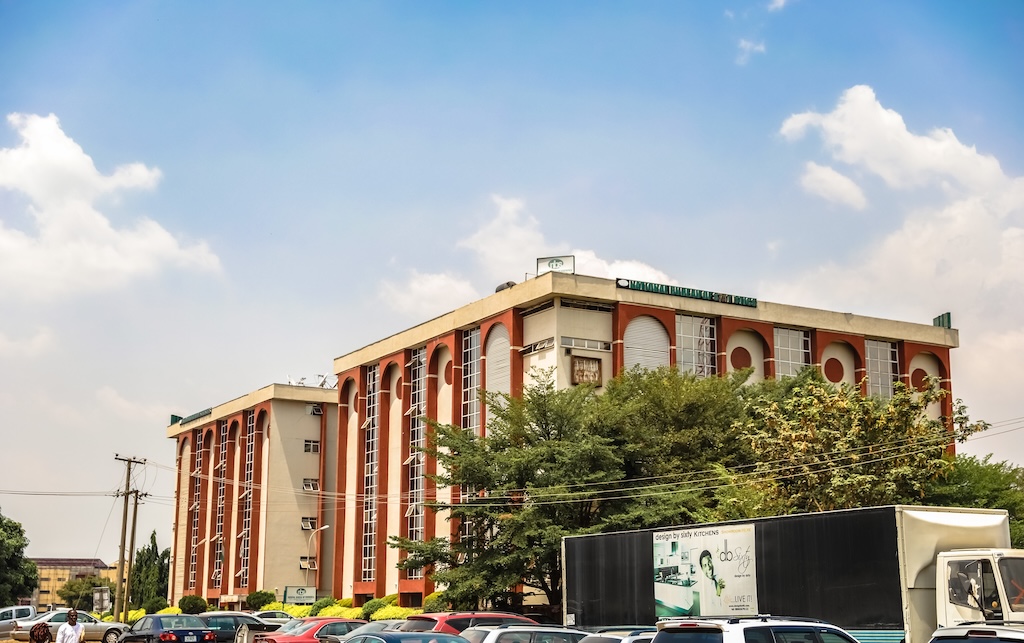
Nigeria’s headline inflation rate edged down to 14.63 per cent in September, from 15.39 per cent a month earlier, official data from the National Bureau of Statistics showed on Thursday, as the pace of increase in price levels continues to slow in Africa’s most populous country.
The development extends the downward trend in annual consumer inflation recorded in recent months, with inflation dropping marginally to 15.39 per cent in August from 15.43 per cent in July.
Food inflation stood at 19.59 per cent year-on-year in September, slightly higher than the 19.57 per cent recorded in August, but lower than the 20.16 per cent reported in September 2025.
Food accounts for a substantial share of household expenditure, particularly among lower-income households.
Core inflation, which excludes volatile items like agricultural produce and energy prices, stood at 12.95 per cent year-on-year in September, down from 13.29 per cent in August and 22.11 per cent in September 2025.
The annual figure indicates a continued slowdown in price increases outside the more volatile food and energy components.


The divergence between the annual and monthly figures suggests that, although underlying inflation has moderated considerably over the past year, some price pressures persisted during September.
Despite the slowdown in inflationary pressures, Nigeria continues to face a cost-of-living crisis, principally on account of elevated food prices and energy costs, which have hammered the disposable income of many households.
The drop in living standards has been fuelled by tough economic reforms introduced by the current administration, including the removal of fuel subsidies, devaluation of the naira and a prolonged hawkish monetary policy stance.
The statistics office’s data also reflected differences between inflation in urban and rural areas.
READ ALSO: CBN restates single-digit inflation target as FG woos investors with tax credits
Urban inflation stood at 15.64 per cent year-on-year in September, down from 20.63 per cent in the corresponding month of 2025. Rural inflation was lower at 12.46 per cent year-on-year, compared with 21.06 per cent in September 2025.
What the figures mean
The September data point to a further slowdown in Nigeria’s inflation rate, with annual headline inflation falling for another month.
A fall in annual inflation means that prices are rising more slowly than they did over the corresponding period a year earlier. A negative monthly rate, such as the September food inflation figure, means that average prices in the measured basket declined compared with the previous month.
With annual food inflation still at 19.59 per cent, the September figures show that the pace of food price increases has moderated over the past year, while the average cost of food remains higher than it was a year ago.
Discover more from Premium Times Nigeria
Subscribe to get the latest posts sent to your email.
-

 News3 days ago
Meta releases its first frontier model, Muse Wonder
-
Health3 days ago
Kwara public hospitals introduce digital medical records
-
News3 days ago
EuroMatch NPFL: ‘We Never Gave Up!’ — Fidelis Ilechukwu Hails Rangers’ Fighting Spirit, Reacts to Two Penalties Against Barau FC
-
News4 days ago
Will the HomeView be Apple’s first smart home success?