Health
IMPACT Project Commits to Reduce Infant and Maternal Mortality as Governor Mutfwang Receives World Bank Team


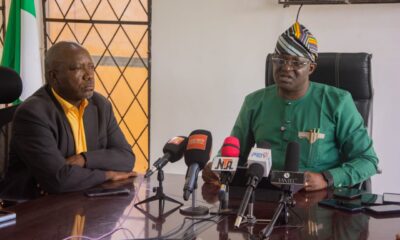
Nrs Ndak Zuhunnan, Project Manager of the Immunization Plus and Malaria Progress by Acceleration Coverage and Transforming Services (IMPACT) Project, on Wednesday 15th January, 2025 reaffirmed the project’s commitment to significantly reducing infant and maternal mortality rates, aiming for a healthier, more productive, and prosperous population in Plateau State. This statement was made during a presentation of the project’s scorecard by the Project Manager during the State visit of Dr. Ndiamé Diop, World Bank Country Director for Nigeria.
Nrs Ndak highlighted key challenges faced by Plateau State prior to the project’s implementation, emphasizing the project’s focus on increasing antenatal clinic attendance, ensuring skilled birth attendance, and promoting immunization uptake to minimize under-five mortality rates. The project aims to reduce under-five mortality from 132 to 79 per 1,000 births by 2030 and improve the utilization and quality of immunization plus and malaria services statewide.
Key achievements according to him include training support for the 17 Local Government Areas, stakeholder engagement, renovation of delivery rooms, provision of laptops for digital reporting, and distribution of motorcycles for emergency response and vaccine delivery. Integrated supportive supervision and mentorship programs have also been conducted across 207 facilities to enhance quality care.
He also stated that the project has awarded contracts for the renovation and revitalization of 82 Primary Health Care Facilities across the Local Government Areas in the State.
The Project Manager credited the successes achieved thus far in the project to the steadfast commitment and support provided to the IMPACT Project by Governor Caleb Mutfwang. He praised the Governor of Plateau State for prioritizing healthcare and for making available counterpart funding.
The Executive Governor of Plateau State, Barrister Caleb Mutfwang, while welcoming the World Bank Team, reaffirmed his administration’s dedication to fostering strategic partnerships that drive sustainable development within the State. Governor Mutfwang commended the World Bank’s Country Director, Dr. Ndiamé Diop, for his unwavering commitment to Africa’s development since assuming office. He assured the World Bank Team of his administration’s readiness to collaborate with institutions that add value to the State and its citizens. Governor Mutfwang noted that “the kind of understanding, collaboration and synergy we are developing I can see it moving us to the right direction where we can be able to achieve the development objectives as set out in the Sustainable Development Goals (SDGs) Charter so that we can be able to maximize the opportunities that are at our disposal”
He expressed disappointment over the World Bank’s insufficient participation in the State’s affairs in the past, attributing this to the State’s inability to provide effective leadership that could deliver targeted results, and pledged to rectify this situation. He stated that the present Administration is committed to ensuring that all projects executed in the State offer value for money.
“What I can tell you is that we have been able to re-energize our focus in terms of delivery for every project we are involved in”
He said his focus is to lift the People of the State out of poverty and make them prosperous.
The Governor undertook to execute projects that would yield enduring benefits for the State and its Citizens.


In his initial remarks, World Bank Country Director for Nigeria, Dr. Ndiamé Diop, acknowledged Governor Caleb Mutfwang’s partnership, ensuring the World Bank’s sustained support for projects in the State. He applauded the Governor’s outstanding leadership. Dr. Diop noted that the State provides the World Bank with opportunities to enhance its project portfolio and develop more effective support strategies.
The World Bank Team applauded the Governor for bringing together a skilled team to administer all World Bank-supported projects in the State.
“From the interaction we have had so far, you are always proactive and candid in sharing your feedbacks with us. So we are here to interact on the portfolios of ongoing projects and see how better we can come up with impactful interventions to the State”
The World Bank Team also underscored the necessity for the State to uphold global standards in project execution and committed to providing further interventions for increased impact.
The event also featured presentations from the World Bank-supported projects in Plateau State such as the Sustainable Urban and Rural Water Supply, Sanitation, and Hygiene (SURWASH) Program Plateau State, The Adolescent Girls Initiative for Learning and Empowerment, (AGILE) Project, Nigeria COVID-19 Action Recovery and Economic Stimulus (NG-CARES) programme, Rural Access & Agricultural Marketing Project (RAAMP), Social Engagement for Budgetary Accountability (SEBA) and Agro-Climatic Resilience Semi-Arid Landscapes (ACReSAL).




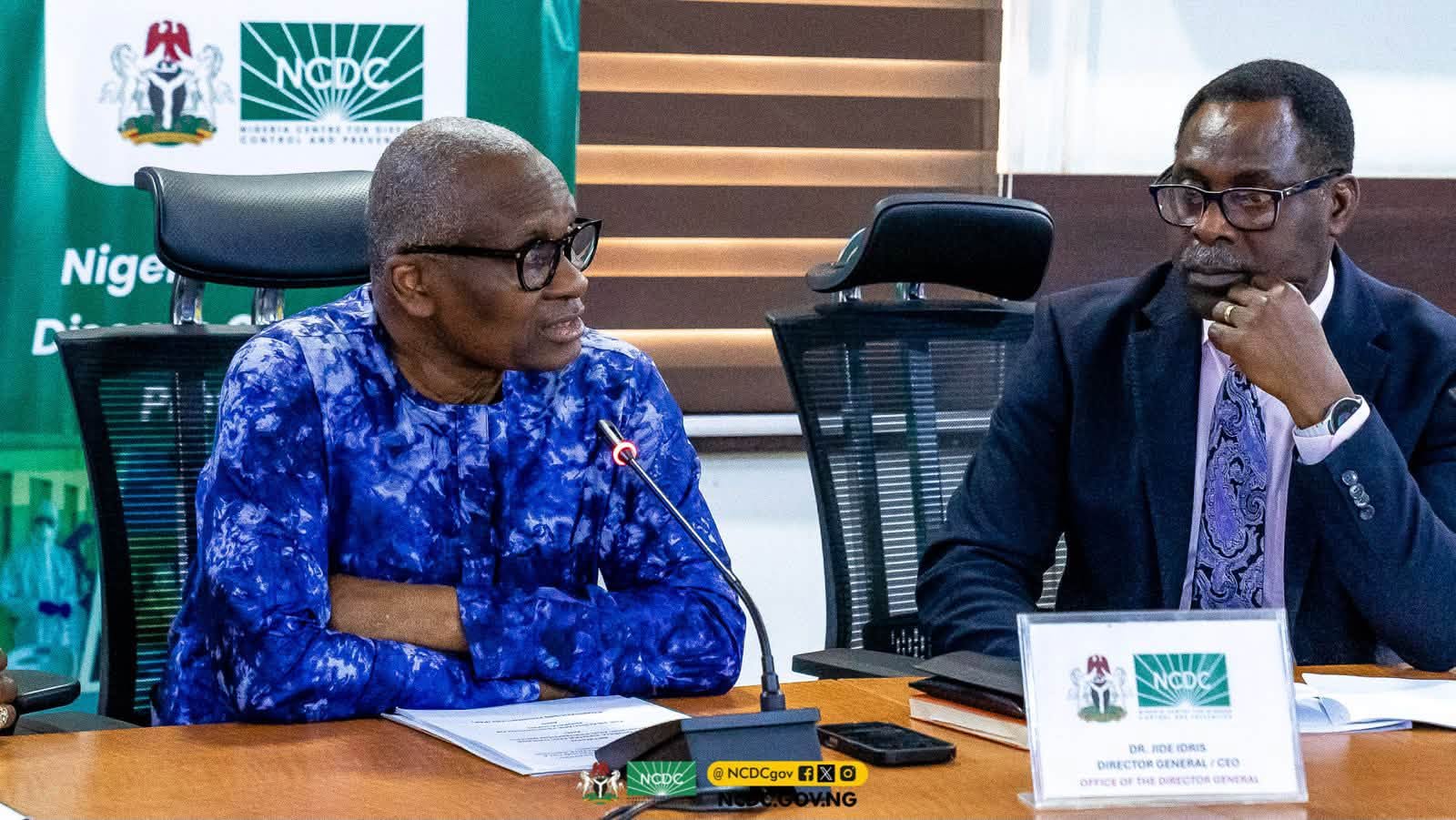
The Nigeria Centre for Disease Control and Prevention (NCDC) has revealed that its decision to pay ₦100,000 weekly to people quarantined over possible exposure to Ebola was an unplanned, temporary measure introduced on compassionate grounds after some threatened to leave the facilities.
The NCDC Director-General, Jide Idris, disclosed this on Monday during an appearance on Channels Television’s Politics Today, explaining that the agency introduced the payments to address concerns raised by quarantined contacts who said their absence from home was affecting their families and businesses.
Mr Idris said the authorities had taken affected people out of their normal environments for public health reasons, making it necessary to consider their welfare while ensuring they complied with quarantine measures.
“Those people who were in the quarantine area, there are people who never planned to be there. We took them out of their comfort zones to put them there for public health reasons,” he said.
Mr Idris said the agency had taken responsibility for their feeding and accommodation but faced complaints from some quarantined contacts who said they had families to support and businesses to run.
He said some threatened to leave the facilities because of the disruption to their daily lives, a development he described as a potential public health concern.


“If you allow them to leave the place, it’s a public health issue because you don’t know whether they will turn positive or who is ill,” he said.
Mr Idris explained that the financial support was introduced to ease tensions and encourage affected people to remain in quarantine for the period health authorities require.
He said the arrangement was temporary and had not been part of the agency’s original budget.
“It’s a temporary thing because it’s not something we’ve done,” he said, adding that the government had to intervene because the expected support from state governments was not forthcoming.
State governments’ responsibilities
Mr Idris said state governments were responsible for providing quarantine facilities and the resources needed to manage people placed under public health restrictions.
He said the NCDC stepped in to address the immediate welfare concerns of the quarantined contacts because the necessary support had not been provided.
The agency’s intervention, he explained, was intended to prevent people from leaving designated facilities before completing the required monitoring period.
Nigeria’s Ebola response
PREMIUM TIMES earlier reported that the NCDC approved a weekly allowance of N100,000 for each person quarantined following possible exposure to Nigeria’s confirmed Ebola patient in the Federal Capital Territory (FCT).
Speaking on Channels Television on Monday, Mr Idris said the number of identified contacts had increased to 54 after authorities traced an Uber driver who transported the patient to the first hospital where she sought treatment.
The contacts include healthcare workers, the patient’s husband, domestic staff and personnel involved in collecting samples.
They are being monitored for 21 days after their last possible exposure, in line with Ebola’s incubation period.
Nigeria confirmed the imported Ebola case on 20 October, its first since the 2014 outbreak. The patient, a 42-year-old Ugandan-born woman living in Abuja, was subsequently evacuated to Switzerland alongside her husband.
The woman is receiving treatment in Geneva, while her husband, who had shown no symptoms, remains in isolation in Zurich.
Following their evacuation, the World Health Organisation said Nigeria had no remaining confirmed Ebola cases, noting that contact monitoring and other public health measures continue.
Discover more from Premium Times Nigeria
Subscribe to get the latest posts sent to your email.
Nigeria’s first confirmed case of Ebola in more than a decade has raised questions about how prepared state governments are to detect and contain the virus before it spreads through their communities.
The World Health Organisation said on 20 October that Nigeria had recorded an imported case of Ebola caused by the Bundibugyo virus. The patient is the wife of a Swiss diplomat based in Abuja. She arrived in Nigeria on 3 October after travelling from Uganda and developed symptoms a few days later. The patient and her spouse were later evacuated to Switzerland on Monday while health authorities identified 53 contacts and began monitoring them.
The confirmation followed weeks of warnings from the Nigeria Centre for Disease Control and Prevention (NCDC) about the risk of the virus entering Nigeria from an outbreak that began in the Democratic Republic of the Congo.

Health authorities are identifying people who may have been exposed, tracing their movements, testing suspected cases, protecting healthcare workers and preventing further transmission. Much of this work depends on coordination across states, local government areas and health facilities, where people live and seek treatment.
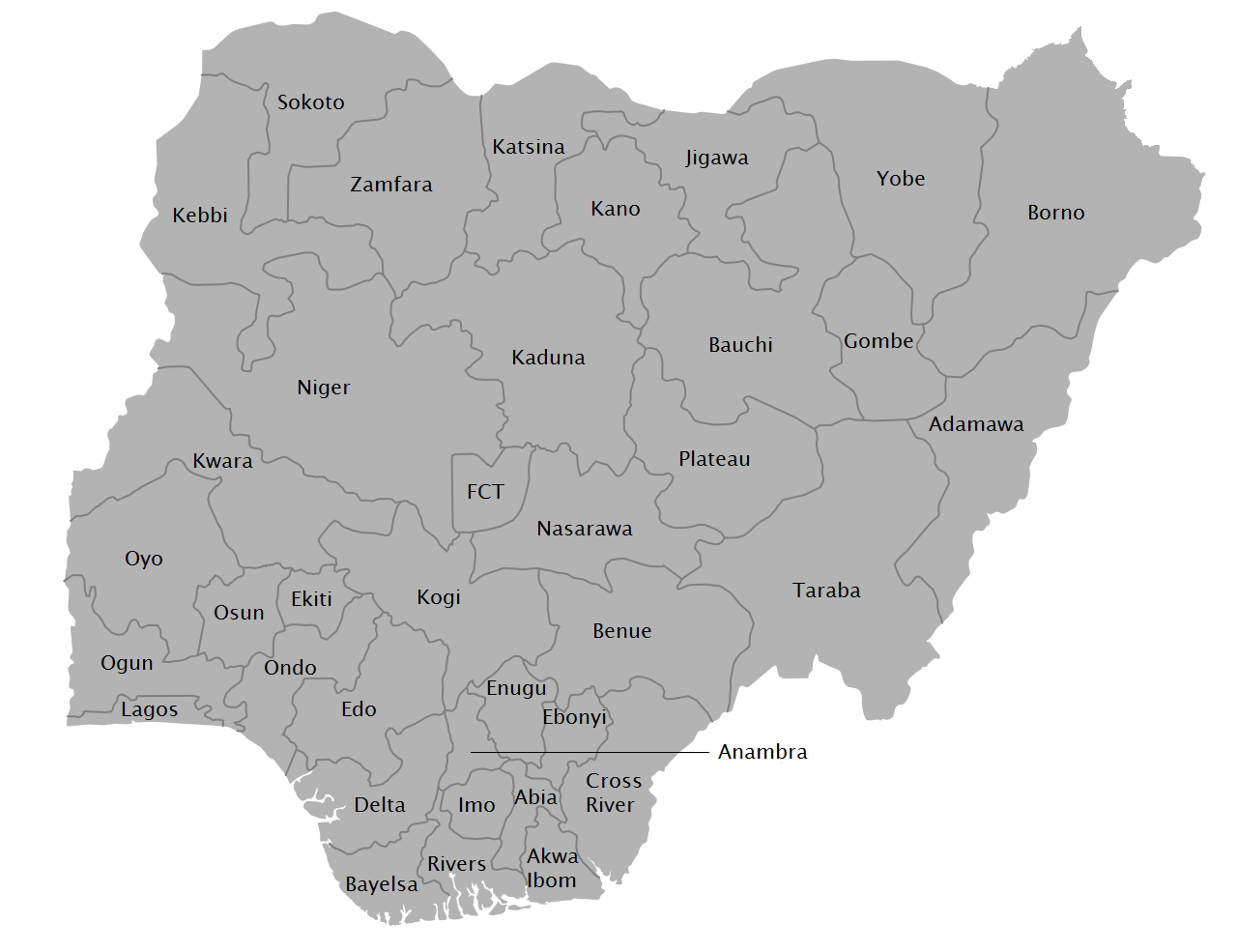
A PREMIUM TIMES review of states’ 2026 approved budgets shows differences in allocations for disease surveillance, infection control, emergency operations and infectious disease facilities.
Some states made substantial provisions for health emergencies, while others allocated smaller sums to specific disease-control activities. Some budgets provide for preparedness under general health emergency headings, while others identify particular diseases, facilities or surveillance programmes.
The allocations do not establish how much money is available for an immediate Ebola response or whether the systems funded are operational. They show what state governments have provided for in their 2026 budgets, offering a basis for examining their stated priorities for public health preparedness.
The NCDC (Establishment) Act 2018 provides the statutory foundation for the agency’s work in preventing, detecting and controlling diseases of public health importance. The agency coordinates disease surveillance, provides technical support to subnational authorities and supports responses to public health emergencies.
The International Health Regulations (2005), a legally binding international framework, also requires countries to develop and maintain the capacity to detect, assess, notify and respond to public health risks.
The National Health Act 2014 provides another part of the framework. Section 11 establishes the Basic Health Care Provision Fund to support essential health services, particularly at the primary healthcare level. Although the fund is not a substitute for state emergency-response budgets, primary healthcare facilities play an important role in early detection, referral and disease reporting.
These frameworks do not prescribe a uniform amount that every state must earmark specifically for Ebola. They nevertheless underscore the need for functional public health systems capable of identifying and responding to infectious disease threats.
In May, the NCDC warned that the risk of Ebola being imported into Nigeria was high. It cited international travel, population movements and the difficulty of distinguishing early Ebola symptoms from common illnesses such as malaria. The agency urged states and the Federal Capital Territory to strengthen their preparedness and ensure they could detect and contain suspected cases promptly.
The subsequent confirmation of an imported case has made those preparations more urgent.
On Monday, the World Health Organisation said Nigeria currently has no active Ebola case after the country evacuated its index patient to Switzerland. The WHO Regional Director for Africa, Mohamed Janabi, said this in a post on X, shortly after Nigeria’s Coordinating Minister of Health and Social Welfare, Muhammad Pate, confirmed the patient’s evacuation from Nigeria.

Billions budgeted for state’s preparedness
Among the largest provisions identified in the 2026 approved state budgets are Delta’s N37.28 billion for emergency operations centres, Zamfara’s N20 billion for a health emergency response fund and Lagos’s combined N17.79 billion for two infectious disease research facilities.
Delta’s 2026 budget also provides N590 million for integrating national disease surveillance, N100 million for the control and management of infectious diseases and N50 million for communicable diseases.
Zamfara’s N20 billion allocation for a health emergency response fund could provide substantial funding for public health crises. Its effectiveness will depend on how the money is released and deployed.
Lagos’s combined N17.79 billion allocation comprises N15.27 billion for a public health epidemics and infectious disease research institute and N2.52 billion for an infectious disease research institute at Mainland Hospital, Yaba. The facilities could strengthen the state’s capacity to respond to outbreaks such as Ebola, although their contribution will depend on their completion, staffing, diagnostic capabilities and recurrent funding.
Meanwhile, Ogun provides N2.5 billion for a medical emergency preparedness and response project and N4.8 billion for national disease surveillance. Akwa Ibom allocated N1 billion for upgrading statewide emergency health interventions and N100 million for upgrading its health emergency operations centre.
These allocations show the amounts the states have provided for emergency preparedness in their 2026 budgets. They do not, on their own, establish how much funding has been released or which systems are ready for immediate use.
An operational emergency operations centre with trained staff, reliable communications and established response procedures may be more useful in the early hours of an outbreak than a facility still under construction. Similarly, a functioning surveillance system may detect a suspected case before a large emergency allocation translates into operational capacity.
Funding for surveillance, hospitals and infection control
The 2026 approved budgets show different approaches to health security, ranging from hospital rehabilitation and emergency equipment to disease surveillance and community-level prevention.
Cross River allocated N350 million to upgrade the abandoned tuberculosis hospital in Obubra into an infectious disease hospital, N300 million for a disease-control and partners complex, and N20 million for communicable disease prevention and control. The combined allocation is N670 million for infrastructure and disease-control activities.
Enugu’s 2026 budget includes N129.33 million for communicable diseases, N100 million for medical equipment intended to strengthen health security, N20 million for furniture and information technology equipment for a health sector command centre or public health emergency operations centre, and N10 million for fencing an infectious disease hospital. The four provisions total N259.33 million.
Kaduna allocated N179.69 million for monitoring and tracking public health emergencies and N620.68 million for the Kaduna State Centre for Disease Control. Together, the two provisions amount to N800.37 million.
Kebbi allocated N410.37 million for disease surveillance tools, equipment and essential emergency drugs for its emergency operations centre. Kwara set aside N301.5 million for integrated national disease surveillance, while Plateau provided N25.7 million for the same general purpose.
Kogi allocated N500 million for health security involving emergency preparedness, response and disease control, alongside N3.02 million for controlling emerging public health diseases. Benue provided N19.38 million for infection control and community awareness.
Other states made provisions for surveillance vehicles, emergency response systems and outbreak management. Taraba allocated N107 million for disease surveillance and response vehicles, in addition to N27.37 million for establishing and maintaining a responsive public health emergency system.
Adamawa’s 2026 budget includes N10 million for communicable diseases, N2 million for emergency response to rural outbreaks and N27.8 million for chemicals used in fumigation and decontamination.
In the North-east, Bauchi allocated N500 million for surveillance and disease outbreak prevention, N100 million for medical equipment for communicable diseases, N100 million for rehabilitating the infectious disease hospital at Bayara and N300 million for renovating another infectious disease hospital.
Gombe provided N35 million for disease surveillance under its public health emergency system, N10 million for emergency operations centres and N3 million for communicable diseases. Yobe allocated N1.09 billion for health emergency services, while Borno earmarked N35 million for research on communicable diseases.
In the North-west, Jigawa allocated N135 million for renovating its infectious disease hospital in Dutse. Kano’s 2026 budget includes N92.7 million for integrated disease surveillance, N115 million for coordinating communicable disease activities in primary healthcare, N20 million for coordinating public health emergencies at local government level and N54.67 million for strengthening its communicable disease prevention task force.
Katsina provided N50 million for an infectious disease fund and another N50 million for communicable disease control. Sokoto allocated N500 million as counterpart funding for health emergencies, N73 million in recurrent funding for the Infectious Disease Hospital in Amanawa and N75 million for an ambulance for the hospital. The budgets also contain provisions for equipment and community-level prevention.
In the South-east, Abia allocated N4.5 million for research on vaccine hesitancy and disease burden, N4.5 million for an electronic surveillance system for communicable diseases and N10 million for distributing buckets with taps to 903 primary healthcare centres.
Anambra provided N90 million for a disease control and surveillance centre, N10 million for controlling emerging communicable diseases and N15 million for surveillance and epidemic response equipment.
Ebonyi allocated N15 million for equipment for emergency response to epidemic disease control. Imo’s N500 million provision is specifically for operational funding for its COVID-19 emergency operations centre. The existing centre could potentially support an Ebola response, depending on its capacity and readiness.
READ ALSO: Ebola: Why Nigeria evacuated patient to Switzerland – NCDC
In the South-west, Ondo’s appropriation includes N95 million for disease outbreak monitoring, response and free health commodities, N60 million for emergency preparedness and disease surveillance, and N13.6 million for procuring 10,000 personal protective equipment items. Osun allocated N119.7 million for communicable diseases, while Oyo provided N38 million for a responsive public health emergency preparedness system.
Bayelsa budgeted N30 million for research and development into early warning systems and integrated national disease surveillance. Niger State’s 2026 budget includes N860 million for a USAID grant-related consortium programme focused on universal health coverage, malaria and other communicable diseases.
Nasarawa allocated N590 million for vehicles, an ambulance, isolation ward equipment, oxygen and medical air plants, and other infrastructure at the state’s Infectious Diseases, Diagnosis and Research Centre in Lafia. The budget also includes N4 million for communicable diseases and N7 million for disease surveillance, prevention and control.
This review did not identify a relevant emergency allocation in Ekiti’s approved 2026 budget. The state may have provisions for health emergencies under other headings, but the review could not identify an allocation for that purpose. The 2026 approved budgets for Rivers State and the Federal Capital Territory were not publicly available for this review.
Why the money must translate into operational capacity
The NCDC’s preparedness guidance identifies several requirements for responding to Ebola, including early detection, isolation and referral, laboratory diagnosis, contact tracing, infection prevention and control, risk communication, and protection for health workers.
These activities require more than construction projects. They depend on trained surveillance officers, functioning reporting systems, reliable transport, protective equipment, access to testing and facilities capable of safely managing suspected cases.
Nigeria’s experience in 2014 illustrates the importance of these systems. After an infected traveller arrived in Lagos, cases were subsequently recorded in Port Harcourt. Nigeria recorded 20 cases and eight deaths before transmission was interrupted.
The outbreak demonstrated the importance of quickly identifying exposed people, tracing their contacts, isolating cases and coordinating public health action across jurisdictions.
The recent Ebola case has not been reported to have spread across Nigeria. Preparedness measures are designed to prevent an imported infection from developing into sustained community transmission.
Koko Udo, a director of Bestway Initiative for Health, Education and Self Sufficiency, who holds a PhD in virology, said the immediate question for state governments was whether the systems provided for in their budgets were operational and accessible when needed.
“A state may have a designated infectious disease hospital, but do they have trained staff, suitable isolation arrangements, adequate protective equipment and the ability to refer patients safely?” he said.
Mr Udo said an emergency operations centre should be assessed on its staffing, communications, surveillance links and capacity to coordinate a response, rather than its mere inclusion in a budget.
“There is need for states to learn from the 2014 Ebola and Covid-19 outbreak. The state governments need to release money for these preparations immediately,” he said.
Mr Udo said surveillance funding should translate into health workers who could recognise suspected cases, report them promptly and receive support to investigate alerts. He also called for clear procedures for releasing emergency funds to prevent avoidable administrative delays in procurement and deployment.
He urged the NCDC and federal health authorities to publish state-by-state preparedness assessments identifying gaps and the support needed to address them. Such assessments, he said, would help the public distinguish states with functioning emergency systems from those whose provisions existed only on paper.
The legal and policy frameworks provide a basis for coordinated disease surveillance and response. The 2026 approved budgets show how state governments have chosen to fund parts of that responsibility. Neither the frameworks nor the allocations establish that the systems are working.
As Nigeria responds to its latest Ebola threat, the test is not simply which governor has announced the largest allocation or which state has budgeted for the most expensive infectious disease facility.
It is whether a health worker who encounters a patient with symptoms consistent with Ebola knows what to do, whether the alert reaches the relevant authorities promptly, whether a response team can arrive without delay, and whether the state can isolate and refer the patient safely while protecting other patients and health workers.
This is because while Nigerians need to know what their governments budgeted for health emergencies, they also have to know what those funds have made possible.
Discover more from Premium Times Nigeria
Subscribe to get the latest posts sent to your email.
-

 News3 days ago
Plateau Activates Ebola Preparedness Measures, Urges Residents to Observe Safety Guidelines
-
News3 days ago
Troops rescued 70 abductees, recovered N10 million ransom: DHQ
-
Business3 days ago
CBN grants JP Morgan approval-in-principle to set up merchant bank
-
News4 days ago
Agent cloud startup Daytona hits $1B valuation backed by FirstMark and a who’s who of angels