Business
Nigeria Moves to Strengthen Digital Sports Infrastructure with NCC Support


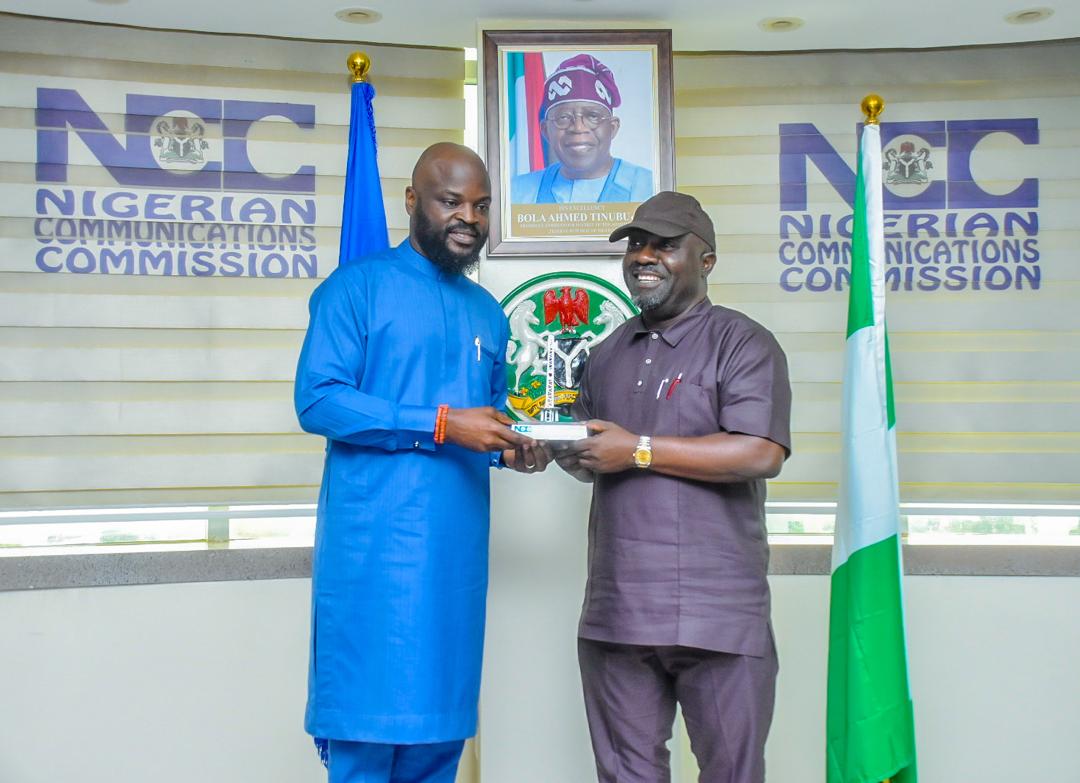
BY NKECHI NAECHE-ESEZOBOR —-Nigeria is taking a decisive step toward modernising its sports sector, as the National Sports Commission (NSC) moves to strengthen digital infrastructure through a strategic partnership with the Nigerian Communications Commission (NCC).
In a move that underscores this commitment, the Director General of NSC, Hon. Bukola Olopade, with his top delegation recently visited the top management of Nigerian Communications Commission (NCC) Chairman, Hon. Idris Olorunbe.
The engagement focused on building a transformative alliance aimed at fast-tracking sports digital transformation and positioning Nigeria’s e-sports industry on the global stage.
Speaking during the meeting, Olopade underscored the Commission’s readiness to integrate technology as a central pillar of sports advancement.
“Our goal is to collaborate closely with the NCC to strengthen sports science, especially e-sports, through sustainable sponsorship models. We are counting on the Commission to enhance connectivity and help attract the level of corporate investment required in today’s sports landscape,” he said.
He also highlighted the importance of increased private sector participation.
“Corporate Social Responsibility must take on a more prominent role in sports development. A modern sports ecosystem cannot thrive without active involvement from the technology and telecommunications sectors. Strong synergy between the NSC and NCC will drive tangible progress in sponsorship and digital infrastructure,” Olopade added.
The NSC boss further noted that the NCC’s support would be vital in unlocking the full potential of e-sports in Nigeria.
“From improved internet speeds to advanced gaming infrastructure, the NCC’s contribution is key if Nigerian athletes are to compete successfully on the global stage,” he said.
In his response, NCC Chairman Idris Olorunbe expressed optimism about the collaboration, describing it as a forward-looking initiative with far-reaching impact.
“Whatever is achievable in conventional sports can equally be realised in e-sports. The issue is not whether it can be done, but the strategy for execution,” he stated.
Olorunbe also pointed to the broader economic opportunities tied to the partnership.
“This collaboration holds immense economic promise. Beyond sports, it has implications for youth employment, digital innovation, and the country’s global image. The Director General’s initiative is highly commendable,” he said.
He further emphasised the shared national vision guiding both institutions.
“The objective is to drive national development. For our e-sports athletes to succeed, we must invest in gaming hubs, improve connectivity, and establish enabling policies that support talent development,” he added.
They agreed to set up a joint technical working group tasked with outlining a strategic roadmap for sports digitalisation, structuring e-sports leagues, and developing a national framework to attract investment into the digital sports space.
The emerging partnership between the NSC and NCC signals a landmark move—potentially the first formal collaboration between Nigeria’s sports and communications regulators—towards building a sustainable digital sports economy.
The post Nigeria Moves to Strengthen Digital Sports Infrastructure with NCC Support appeared first on Business Today NG.
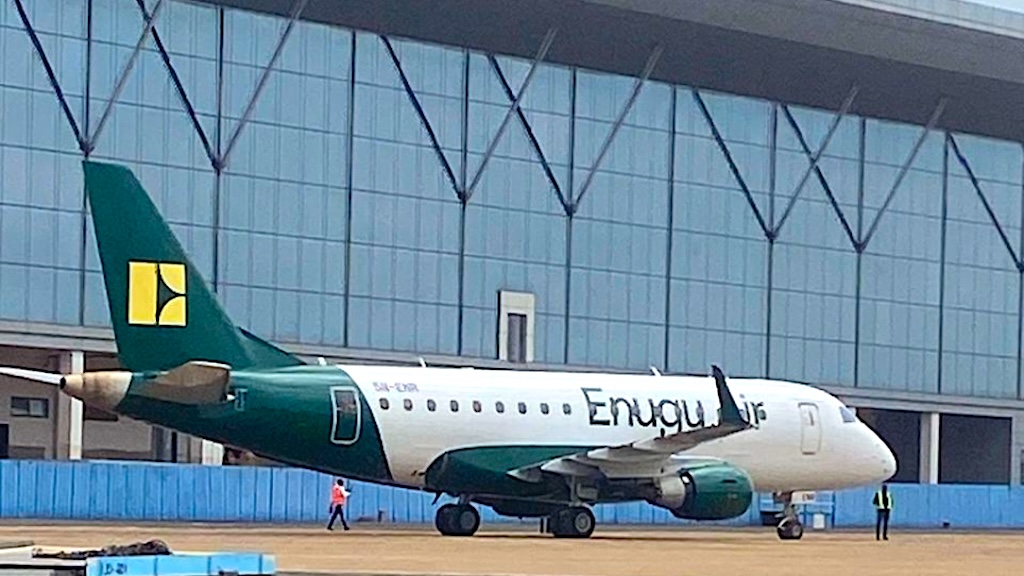

Enugu State is counting on its new airline and the concession of the Akanu Ibiam International Airport, enugu, to support its plan of growing the state’s economy from $4.4 billion to $30 billion by 2031, the Secretary to the State Government, Chidiebere Onyia, said on Tuesday.
Mr Onyia spoke during the Renewed Hope Media Tour of the airport, where he outlined how the state government’s plans to use aviation, tourism, and agriculture to drive economic growth.
According to him, the airport concession is part of a broader strategy by Governor Peter Mbah’s administration to re-position Enugu as a major economic hub in the South-east.
“We looked at Enugu as an economic hub where tourism, hospitality, investment and aviation can work together to drive growth,” he said.
Mr Onyia said the state expects an increase in visitor traffic in the coming years and believes air transport will play an important role in supporting that growth.

He explained that the government’s projections are linked to plans to attract tourists, investors and businesses to the state.
According to him, depending entirely on commercial airlines could limit the state’s ability to move people into Enugu efficiently.
That, he said, informed the decision to establish Enugu Air.
“If we’re expecting people to come into Enugu, then we can’t depend solely on third-party airlines based on their schedules,” he said.
Mr Onyia disclosed that Enugu Air has six aircraft, describing it as the first phase of the project.
The state government also expects the aviation project to support tourism development.
Mr Onyia said efforts are ongoing to revitalise tourist sites across the state, including attractions expected to draw more visitors to Enugu.
He said that improved access to the state would complement investments in tourism and hospitality by making it easier for visitors to travel to various destinations.
“If people are going to come here for tourism, they need to be able to get into Enugu, and when they get into Enugu, we’ll need places for them to visit,” he said.
He also noted that the airport infrastructure will also support the state’s agricultural development plans through cargo operations.
According to him, the cargo terminal will make it easier to move goods and agricultural produce within and outside the state, creating more opportunities for businesses and investors.
“This is also going to help our agricultural investment outlook because this is where the cargo terminal will be, where we can move things in and out of the state,” he said.
He added that the government’s vision is to use aviation infrastructure to strengthen trade and economic activities across the region.
Private sector-led approach
Mr Onyia said the state adopted a private sector-driven model for the airline and airport projects to ensure efficiency and sustainability.
According to him, professionals with industry experience have been involved in developing the airline and setting up its governance structure.
He said the approach is intended to avoid challenges often associated with direct government management of commercial enterprises.
READ ALSO: ENSSAA to begin enforcement against unauthorised outdoor advertisements across Enugu State
Providing an update on the airport concession process, Mr Onyia said October has been set as the timeline for the next phase of activities.
He explained that the current stage marks an important milestone in the project and will allow concessionaires and contractors to begin work at the site.
Mr Onyia also acknowledged the support of President Bola Tinubu and the Federal Ministry of Aviation in advancing the project.
According to him, federal approvals helped move the initiative from the planning stage to implementation.
The concession of the Akanu Ibiam International Airport followed approval by the Federal Executive Council as part of efforts to attract private investment into airport infrastructure.
In January, the Minister of Aviation and Aerospace Development, Festus Keyamo, signed a concession agreement with Aero Alliance for the operation of the airport.
Under the arrangement, ownership of the airport remains with the Federal Government, while the concessionaire will operate, maintain, and upgrade the facility.
The project has attracted public attention in recent months as the Federal Government and Enugu State continue efforts to re-position the airport as a major gateway for business, tourism and trade in the South-east.

-

 News14 hours ago
JUST IN: Gunmen Attack NIPSS in Plateau, Kill Three Security Operatives
-
Health2 days ago
Five dead, 11 cases confirmed in Plateau cholera outbreak
-
News2 days ago
Troops Arrest Notorious Gun-runner In Plateau (Photo)
-
News1 day ago
Insecurity: FG seeks stronger collaboration with traditional rulers