Business
EXCLUSIVE: Boko Haram convict bagged degree during life sentence for church bombing

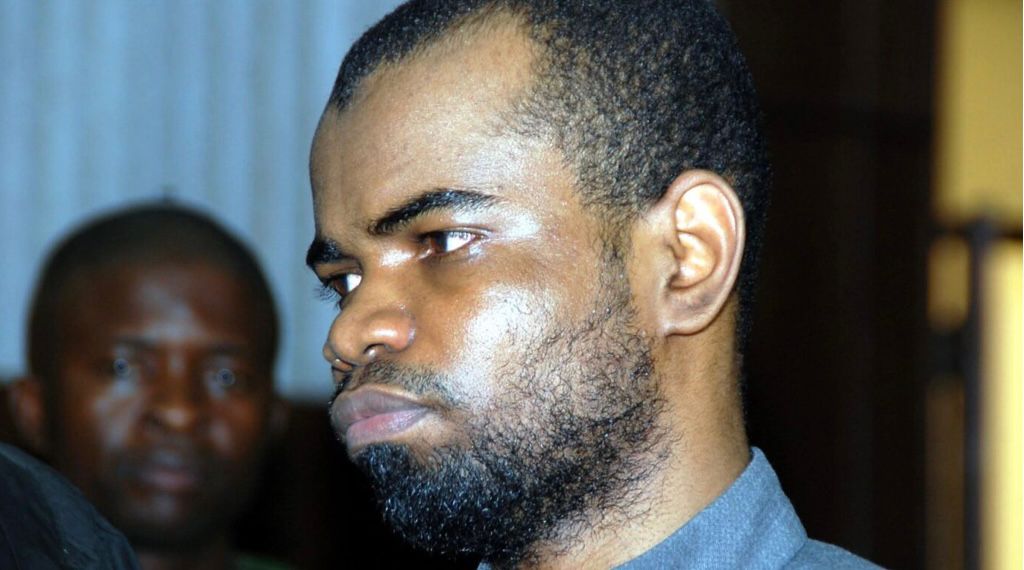
Kabiru Umar, also known as Kabiru Sokoto, who was convicted over the 2011 Christmas Day bombing linked to Boko Haram, has earned a Biology degree while serving his prison sentence, his lawyers said in one of the documents shared with PREMIUM TIMES.
In a press statement announcing Mr Sokoto’s appeal against his 2013 conviction, his legal team said he remained committed to “personal growth and rehabilitation” during incarceration, noting that he successfully obtained a Biology degree from the National Open University of Nigeria.
The statement, dated 14 May and signed by Lagos-based law firm Don Akaegbu & Company, described the achievement as evidence of Mr Sokoto’s “continued effort toward self-improvement despite the circumstances.”
Kabiru Sokoto was convicted by the Federal High Court in Abuja on 20 December 2013.
However, his lawyers argued that the charges against him did not specifically accuse him of carrying out or masterminding the bombing of St. Theresa’s Catholic Church in Madalla, Niger State, which killed about 35 worshippers and injured several others on Christmas Day in 2011.

According to the lawyers, the relevant charge alleged that Mr Sokoto had prior information about the attack and failed to disclose it to security agencies. They said the distinction between direct participation and alleged prior knowledge forms a key issue in the appeal now before the Court of Appeal.
The appeal, filed after what the lawyers described as delays caused by circumstances beyond Mr Sokoto’s control, challenges the admissibility and credibility of the evidence used to secure his conviction. Among these challenges, they said, include deaths of his two previous lawyers, repeated custodial transfers and his family’s severe “financial constraints.”
The legal team also questioned whether the trial court properly evaluated the defence presented during the proceedings.
The lawyers urged the public to allow the judicial process to run its course, insisting that criminal responsibility should be determined strictly on the basis of evidence presented in court rather than public perception.
READ ALSO: Boko Haram convict Kabiru Sokoto appeals 2013 life sentence for Catholic church bombing near Abuja
Kabiru Sokoto was initially arrested on 14 January 2012 at the Borno State Governor’s Lodge in Asokoro, Abuja, alongside a serving military officer. He was then taken to Abaji (also in Abuja) by police officers investigating the case to search a house believed to be owned by him.
He escaped from police custody, leading to the suspension and house arrest of Zakari Biu, then-head of the Zone 7 Police Command in Abuja, overseeing Boko Haram investigations at the Criminal Investigation Department. Before the incident, Mr Biu supervised the team that lost Mr Sokoto and was detained at an undisclosed location, alongside other junior police officers involved in the case.
The escape also prompted then-President Goodluck Jonathan to issue a 24-hour ultimatum to the then-Inspector General of Police (IGP) Hafiz Ringim, to produce the Boko Haram suspect. Mr Ringim failed to do so and was later retired.
The State Security Services (SSS) said Kabiru Sokoto was re-arrested in February 2012, following what it described as a gunfight between its operatives and members of his gang in Taraba Satet.
He was subsequently sentenced by the Federal High Court in Abuja on 20 December 2013. The suspected terror kingpin was sentenced on two terrorism charges, including one punishable with life imprisonment under Section 15(2) of the Economic and Financial Crimes Commission Act 2004. The second charge attracted 10 years’ imprisonment under Section 7(1) under Terrorism Act, 2011.






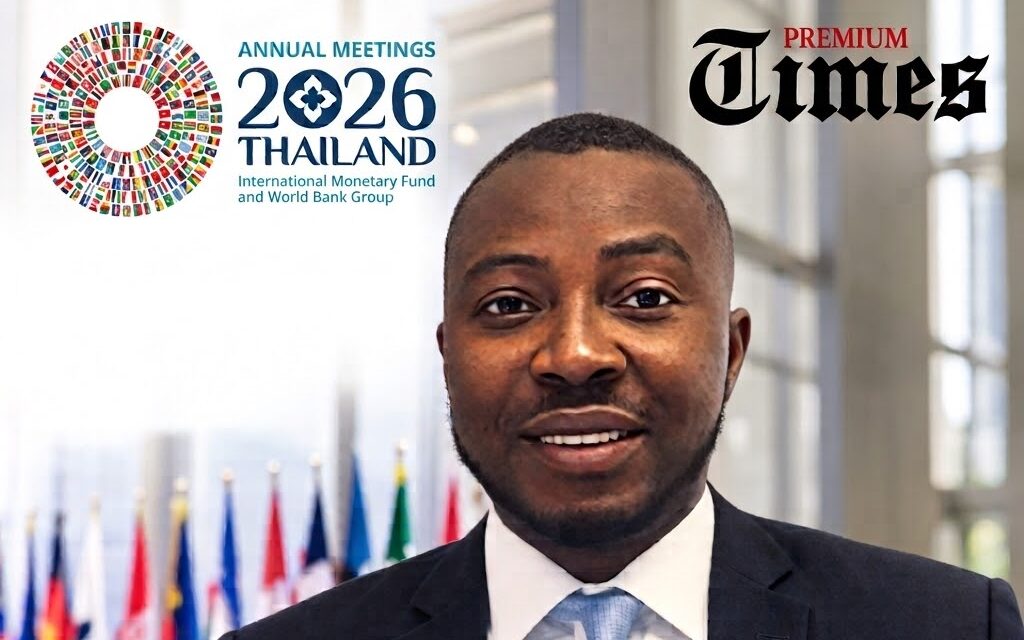
Financial experts, government officials, central bank chiefs, heads of multilateral organisations and other participants are gathered this week in Bangkok, Thailand, for the annual meetings of the International Monetary Fund (IMF) and World Bank scheduled to be held between October 12 and 18.
Participants are expected to deliberate on the disruptive potential of Artificial Intelligence (AI) in the global economy, the widening war in the Middle East and its impact on the global economy, the global energy supply shock, mounting debts, and rising interest rates that pose daunting risks to global economic growth.
IMF Managing Director Kristalina Georgieva says the Queen Sirikit National Convention Centre will host 18,000 people who were registered to attend the meetings, 4,000 more than the last off-site meetings held in Morocco in October 2023.
The IMF has made no significant change to its forecast of 3% global growth in 2026, and the body says some countries are expected to be downgraded because of war and reduced energy exports.
The meetings are also expected to address the growing public debt burden that has slowed growth and worsened inflation, as public debt remains at its highest level since World War Two and will exceed 100% of GDP before 2030, according to the IMF.
Emerging markets and low-income countries are particularly vulnerable, given high public debt levels that will have to be renegotiated at higher interest rates.

Equally important on the agenda is the precarity of platform-driven labour, amid AI-enabled automation and the changing future of work.
On Monday, Ms Georgieva said Artificial Intelligence (AI) could affect about 40 per cent of jobs globally, urging governments to prepare workers for the changing labour market. She described AI as a “slow-moving tsunami” for the labour market, saying it could augment, downgrade or eliminate jobs.
IMF estimates show that AI could affect about 60 per cent of jobs in advanced economies and 23 per cent in low-income countries, reflecting the slower spread of AI rather than greater protection from its effects.
Bangkok
The Bangkok meetings are taking place amid disruptions and a war that has negatively affected energy supplies, especially via the Middle East.
Flights to Bangkok, the host city of this year’s off-site meetings, often route through the Middle East, creating immediate challenges for global travellers heading to Thailand’s capital.
On Sunday, there were attacks on Saudi airports, prompting disruptions to international travel.
The IMF and World Bank’s last off-site annual meetings took place in Morocco in 2023.
Nigeria’s participation
Already, Nigeria’s Minister of Finance and Coordinating Minister of the Economy, Taiwo Oyedele, has arrived in Bangkok, Thailand, to lead the nation’s delegation to the meetings
A statement from the Federal Ministry of Finance said the annual gathering provides Nigeria with an opportunity to engage with international financial institutions and development partners on economic issues affecting the country and its development priorities.
Mr Oyedele’s presence at the meetings is equally expected to allow the Federal Government to present its economic priorities to development organisations and international partners. He is also expected to discuss how external cooperation can support domestic reform efforts.
The finance ministry website also says that, on the sidelines of the meetings, Nigeria will convene investors, project sponsors and public institutions around a curated pipeline of bankable opportunities across strategic sectors. The programme is focused on private-capital mobilisation, food security and infrastructure development. Another event focuses on investor and project-owner conversations at Fairmont Bangkok Sukhumvit.
PREMIUM TIMES newspaper is in Bangkok, Thailand’s capital, to report on the meetings and other policy decisions as they affect the global economy and Nigeria’s domestic affairs.
Discover more from Premium Times Nigeria
Subscribe to get the latest posts sent to your email.
-

 Business3 days ago
Communications Ministry made ₦345.5 million duplicate payment for Abuja ICT Park project
-
News3 days ago
LumenUs helps automate tedious paperwork in times of grief
-
News3 days ago
Inside INEC’s AI and cybersecurity plans to secure Nigeria’s 2027 Elections – Technology Times
-
News2 days ago
EuroMatch NPFL: Ikorodu City Return to Winning Ways as Salami, Ikechukwu Sink Kwara United in Lagos