News
Apple’s Siri revamp could include auto-deleting chats










The Nigeria Democratic Congress, NDC, presidential candidate, Peter Obi, has said President Bola Tinubu created history by producing the highest number of poor people.
Obi made the remark while criticising Tinubu over Nigeria's rising poverty level.
Speaking during the inauguration of the NDC's campaign council in Kaduna State on Monday, Obi questioned what Nigerians had gained from the billions of naira borrowed by Tinubu's government.
He faulted Tinubu for blaming opposition candidates instead of explaining his administration’s achievements.
Obi further said that he and his running mate, Senator Rabiu Musa Kwankwaso, would focus on solving Nigeria’s problems rather than blaming others.
“He has made history as the president that has produced the highest number of poor people according to the recent report.
“Just last Saturday, Tinubu was launching his second-term campaign. Rather than explain to Nigerians what he used all the billions he borrowed for, or what he achieved with the 2023, 2024 and 2025 budgets, he blamed other people.”
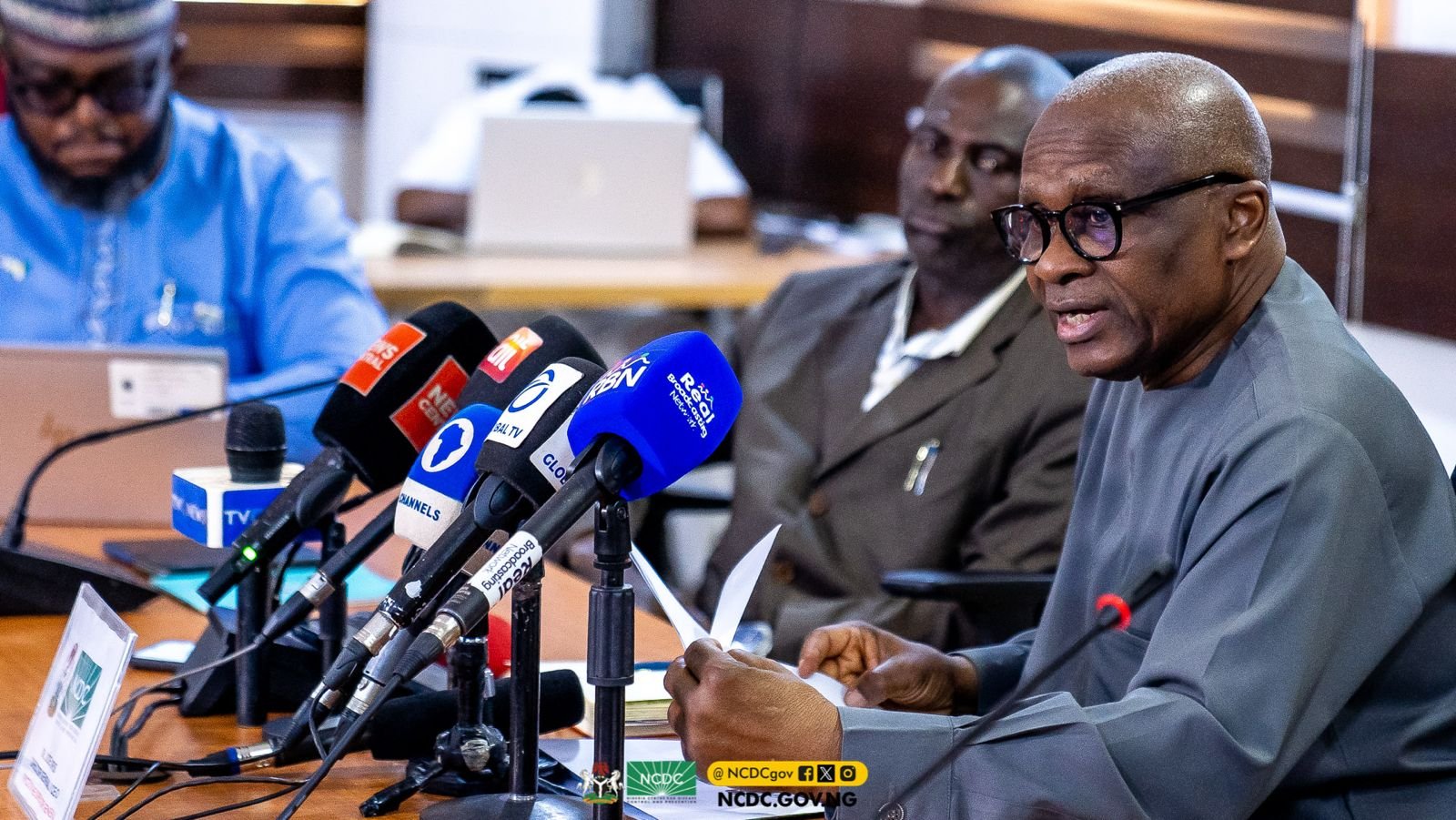
Nigeria’s decision to evacuate its confirmed Ebola patient to Switzerland was based on diplomatic considerations, human rights and international health regulations, the Director-General of the Nigeria Centre for Disease Control and Prevention (NCDC), Jide Idris, has revealed.
Speaking on Channels Television’s Politics Today on Monday, Mr Idris said the federal government approved the transfer after consultations with the Coordinating Minister of Health and Social Welfare, Muhammad Pate, and assurances that adequate infection prevention measures would be maintained throughout the journey.
The clarification follows an earlier report that the patient, a woman who is the wife of a Swiss diplomat in Nigeria, was evacuated through the private jet wing of the Nnamdi Azikiwe International Airport in Abuja.
Mr Idris dismissed suggestions that the government had secretly removed the patient from Nigeria, saying the evacuation followed a formal request from the Swiss Embassy.
“I won’t use the word ‘snuck out’. That’s a no-brainer. It is the first time something like that has happened,” he said.
He said the government weighed the implications of the transfer for public health, international health regulations and the patient’s rights before granting approval.


According to him, officials ensured that infection prevention and control protocols were followed from the hospital where the patient was receiving treatment to the aircraft that transported her.
Patient remains positive
Mr Idris said the patient had tested positive twice before her evacuation, explaining that improvements in her clinical condition did not necessarily mean she had cleared the virus.
He commended the Nigerian medical team for stabilising her condition, which he said had deteriorated to the point of multiple organ failure.
“There are no drugs to deal with this virus,” Mr Idris said, referring to the absence of an established antiviral treatment specifically targeting the Bundibugyo virus responsible for the current outbreak.
Mr Pate earlier confirmed that Nigeria’s Ebola patient and her husband arrived safely in Switzerland on Monday following their medical evacuation from Abuja.
In an update posted on his official X account, Mr Pate said the patient was receiving treatment at Geneva University Hospitals, while her husband had been placed in isolation at University Hospital Zurich.
“The Swiss authorities have confirmed that the patient and her spouse arrived safely in Switzerland today,” he said.
Previous development
Nigeria confirmed its first Ebola case on 20 October, after a 42-year-old Ugandan-born woman living in Abuja tested positive for the disease.
The patient had returned to Nigeria on 3 October after travelling to Uganda and developed symptoms few days later.
She was subsequently admitted to a health facility in Abuja, where she received treatment in isolation before her evacuation to Switzerland on Monday.
Following her evacuation, the World Health Organisation (WHO) said Nigeria had no active confirmed Ebola cases, although contact monitoring and other containment measures were continuing.
The WHO said Nigeria was continuing to monitor 52 contacts, while Switzerland had taken responsibility for the patient’s care and monitoring her husband, who was among the 53 contacts previously identified.
The NCDC had earlier identified 53 primary contacts linked to the confirmed case, including healthcare workers, the patient’s husband, domestic staff and personnel involved in collecting samples.
Health authorities are monitoring the contacts for possible symptoms to detect any additional infections and prevent further transmission.
Mr Pate had earlier said Nigeria could declare the Ebola outbreak over as early as 7 December if no further confirmed or probable cases were detected.
Caution
Mr Idris urged Nigerians to maintain good hand hygiene and exercise caution during mass gatherings, particularly where close physical contact could occur.
He said handwashing could reduce the spread of several infectious diseases, while recommending measures to limit unnecessary physical contact in crowded settings.
However, he stressed that Ebola is not airborne. The virus spreads primarily through direct contact with the blood or other bodily fluids of an infected person, or with contaminated materials.
He advised people who develop symptoms consistent with Ebola, particularly after contact with a suspected or confirmed case, to seek prompt medical guidance.
Mr Idris also cautioned against relying on herbal mixtures to prevent or cure the disease, saying there was no established evidence that such preparations could prevent or treat Ebola. He warned that some herbal products could also cause harmful side effects.
Discover more from Premium Times Nigeria
Subscribe to get the latest posts sent to your email.
-

 News4 days ago
Obi, Kwankwaso to hold Middle Belt Youth, Village Hall Meeting in Jos
-
News2 days ago
Plateau Activates Ebola Preparedness Measures, Urges Residents to Observe Safety Guidelines
-
Featured4 days ago
Dachung Musa Bagos Foundation Becomes First Nigerian Partner of Manchester Global Foundation
-
News4 days ago
LA 2028 Olympics Race: Chelle Invites 31 Home-Based Players for Crucial DR Congo U23 AFCON Qualifiers