Business
Universal Insurance Boosts Confidence Ahead of Industry Recapitalisation

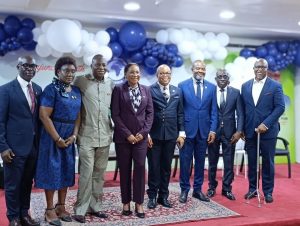
From left: President and Chairman of Council of NCRIB, Barr. (Mrs.) Ekeoma Ezeibe Presenting award plaque to the Managing Director/CEO of Universal Insurance Plc, Dr. Japhet Duru, at the April 2026 edition of the Brokers’ Evening sponsored by the company in Lagos.
BY NKECHI NAECHE-ESEZOBOR—As Nigeria’s insurance industry approaches the 2026 recapitalisation exercise, Universal Insurance Plc has expressed strong confidence in its ability to exceed regulatory capital requirements, while reassuring brokers of its continued commitment to service delivery and partnership.
The recapitalisation initiative follows the Presidential assent to the Nigeria Insurance Industry Reform Act (NIIRA) on August 5, 2025. The reform is designed to strengthen the regulatory framework, enhance policyholder protection, deepen insurance penetration, and ensure that underwriting firms meet their statutory obligations, particularly in claims settlement and risk coverage.
Speaking at the April 2026 edition of the Nigerian Council of Registered Insurance Brokers (NCRIB) Members’ Evening held in Lagos, the Managing Director/CEO of Universal Insurance Plc, Dr. Japhet Duru, emphasized the critical role brokers play in the company’s growth and success.
READ ALSO: Universal Insurance Emerges Best Insurance Company Supporting Youth Drug Abuse Prevention in Nigeria
He described brokers as “the backbone of insurance distribution,” noting that they remain trusted advisors to clients and key drivers of industry expansion. According to him, Universal Insurance has continued to strengthen its relationship with brokers through improved service delivery channels, enhanced communication, streamlined underwriting processes, and faster turnaround times—especially in claims settlement.
Addressing concerns around recapitalisation, Dr. Duru disclosed that the company is already taking concrete steps toward meeting the new capital requirements.
He revealed that Universal Insurance is finalizing documentation to commence a Rights Issue and private placement, with strong backing from existing shareholders.
“We have received commitments from many of our shareholders not only to retain their shares but to increase their stakes. In fact, the level of interest suggests we may have to refund some funds after the exercise due to oversubscription,” he said.
This development signals a strong vote of confidence in the company’s financial health and positions it as a likely contender among firms expected to meet the recapitalisation threshold set by the National Insurance Commission (NAICOM).
Also speaking at the event, the President and Chairman of Council of NCRIB, Barr. (Mrs.) Ekeoma Ezeibe, commended Universal Insurance for sponsoring the event and acknowledged the impressive turnout of industry stakeholders.
She highlighted the broader economic reforms shaping Nigeria’s business environment, noting that recent policy changes are creating new opportunities for insurance growth. According to her, foreign exchange market reforms have improved transparency, with a reported 41 percent year-on-year increase in capital inflows in the first quarter of 2026.
Ezeibe further noted that savings from subsidy reforms are being channeled into infrastructure projects such as the Lagos-Calabar Coastal Highway, new industrial roads, and the Presidential CNG Initiative—developments that are generating significant insurable assets.
“These reforms are unlocking value across sectors. New infrastructure requires builders’ liability insurance, CNG fleets need motor and goods-in-transit covers, and growing SMEs require group life and asset protection policies. Insurance is fast becoming critical economic infrastructure,” she said.
She urged brokers to position themselves strategically to harness these emerging opportunities, assuring that NCRIB will continue to support members in converting national economic growth into increased insurance penetration.
The event also featured a comedy performance by popular Nigerian comedian Igwe, adding a lively touch to the gathering. It was attended by notable industry figures, including past NCRIB presidents Mr. Sola Tinubu and Prince Babatunde Oguntade, as well as the immediate past president of the Chartered Insurance Institute of Nigeria (CIIN), Mr. Edwin Igbiti.
The post Universal Insurance Boosts Confidence Ahead of Industry Recapitalisation appeared first on Business Today NG.





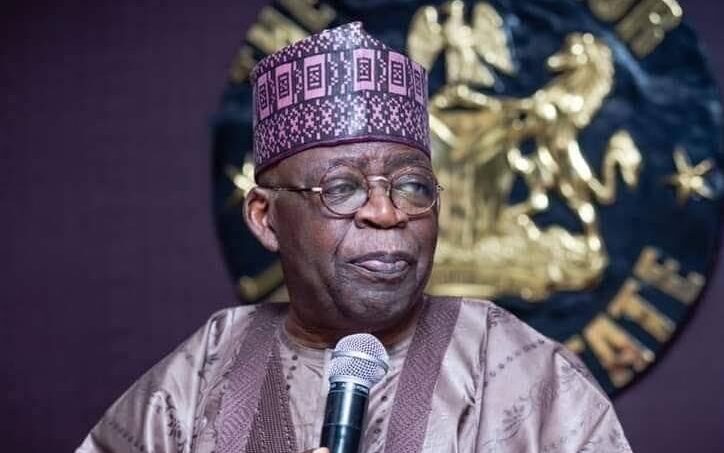
President Bola Tinubu has said 21 shared facilities established across 19 states and the Federal Capital Territory are supporting businesses and an estimated 650,000 jobs.
The facilities, established under the Federal Government’s National MSME Clinics initiative, provide entrepreneurs with access to equipment, electricity and production infrastructure without requiring them to bear the full cost of setting up such facilities themselves.
President Tinubu disclosed this in a statement on Monday while highlighting the government’s efforts to address infrastructure and equipment challenges facing micro, small and medium enterprises (MSMEs).
According to the President, many small businesses have the skills and ideas to expand but struggle to access the equipment and infrastructure needed to increase production.
He said the shared MSME hubs were designed to reduce some of those barriers by allowing entrepreneurs to use modern production facilities without making large upfront investments.
He cited tailors and food processors as examples of businesses that could benefit from the model.


“A tailor should not need millions of naira to buy industrial machinery before she can grow her business. A food processor should not have to build a factory before producing at scale,” he said.
The President said access to shared facilities could allow businesses to increase production while reducing their operating costs.
“When small businesses can produce more, at lower cost, they become more competitive. They grow. They employ more people. They create income and opportunity for Nigerian families.”
MSME support
The initiative comes as the Federal Government expands programmes aimed at improving access to finance, equipment, skills and markets for small businesses.
READ ALSO: Sowore’s AAC sues Tinubu, others over failure to transfer power to Shettima
The Small and Medium Enterprises Development Agency of Nigeria (SMEDAN), which implements several government MSME support programmes, has previously identified access to finance, infrastructure and markets among the challenges confronting small businesses.
The government has also introduced other interventions aimed at improving access to credit. These include the National Credit Guarantee Company (NCGC), which provides guarantees to encourage financial institutions to lend to businesses and other eligible borrowers.
President Tinubu noted that the government’s approach was focused on removing barriers that prevent entrepreneurs from turning their skills and ideas into sustainable businesses.
“Our job is to remove those barriers,” he said.
He added that strengthening small businesses would help create employment, increase household incomes and expand economic activity.
“Giving Nigerian enterprise the tools to succeed is how we build prosperity from the ground up,” President Tinubu said.
Discover more from Premium Times Nigeria
Subscribe to get the latest posts sent to your email.
-

 News4 days ago
Alex Otti should be campaigning for Peter Obi not backing Tinubu – NDC
-
News3 days ago
I created an interactive digital avatar of myself — and you can talk to it
-
News4 days ago
At Meta Connect, the company’s smart glasses were everywhere
-
Business3 days ago
Nigeria Digital Connectivity Investment Forum Set for Abuja, September 29–30