
Top Story
Zenith Life Specialist Hospital unveiled in Jos Plateau with modern healthcare facilities

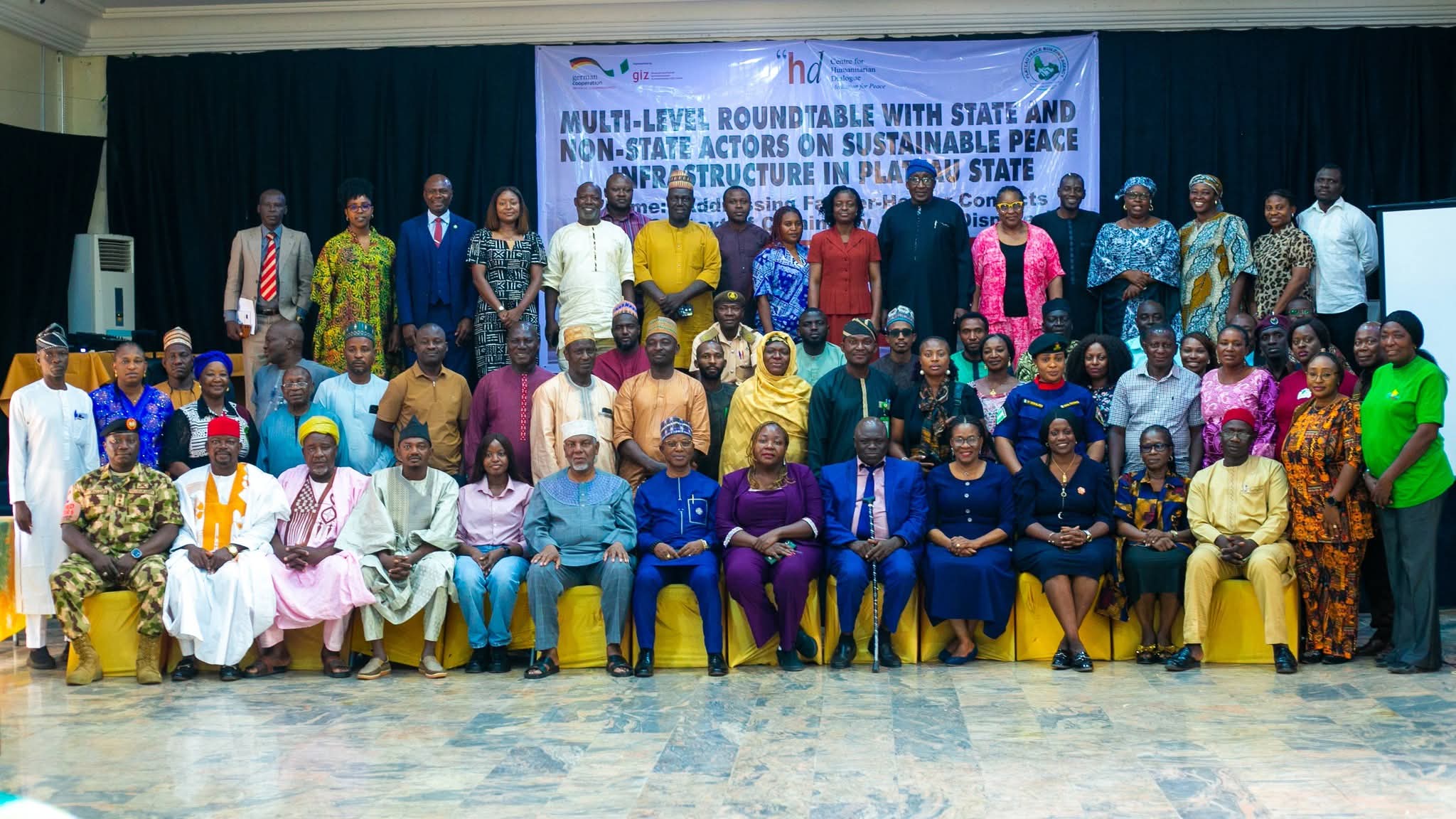
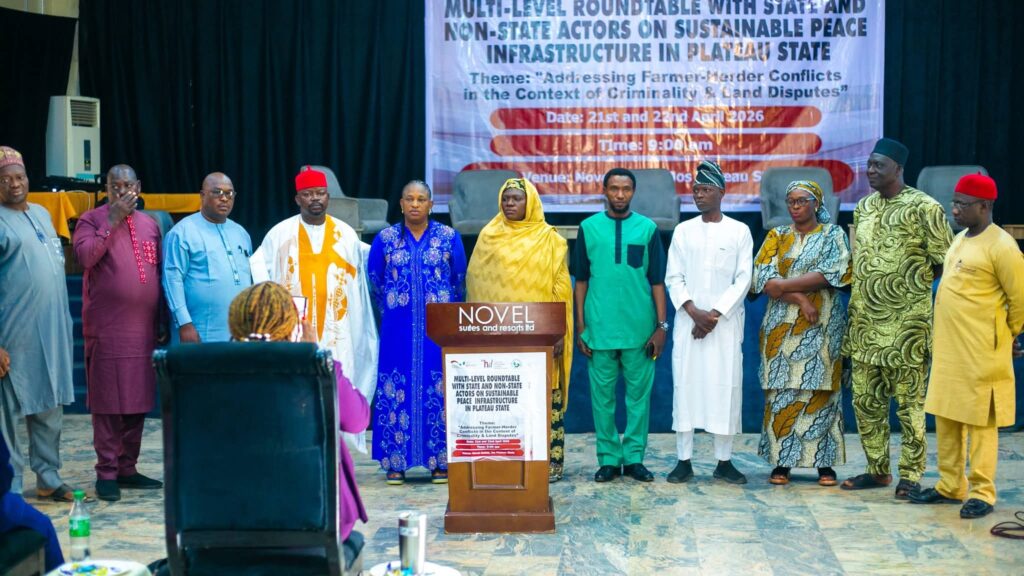
Stakeholders from across Plateau State have issued a communiqué outlining key challenges and recommendations for addressing farmer-herder conflicts, criminality, and land disputes in the state.
The communiqué was released at the end of a two-day Multi-Level and Multi-Sectoral Roundtable on Sustainable Peace Infrastructure held at Novel Suites, Jos, from April 21 to 22, 2026.
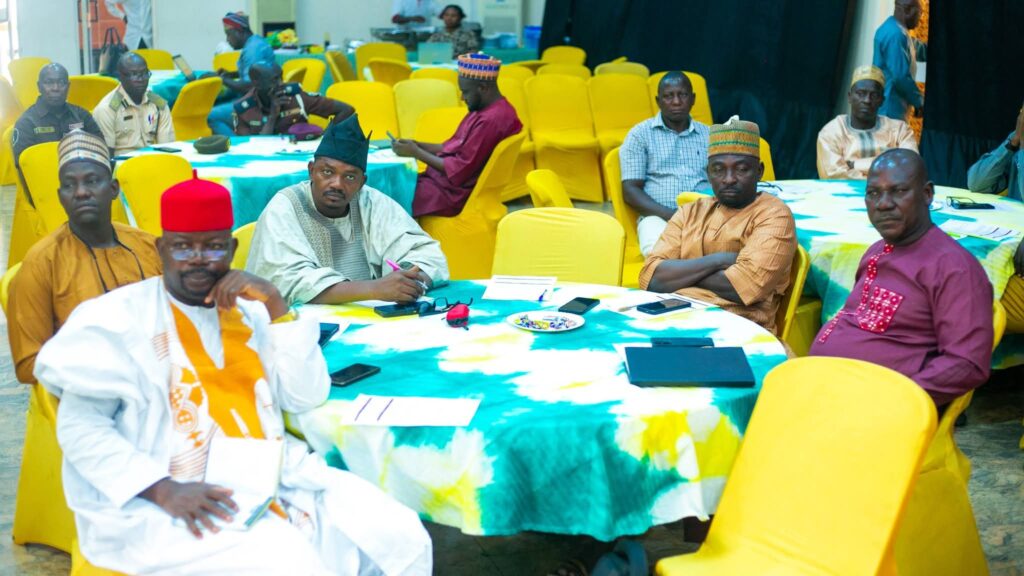
The roundtable brought together government officials, traditional rulers, civil society organizations, security agencies, women and youth groups, as well as other critical actors to deliberate on strategies for strengthening peace and stability in Plateau State.
Focus on Dialogue and Sustainable Peace
Participants said the engagement provided a platform to examine the root causes of recurring conflicts and develop actionable strategies to promote peaceful coexistence.
The discussions, which included two panel sessions, explored issues around criminality, land disputes, and farmer-herder tensions, with emphasis on building trust, enhancing coordination, and strengthening existing peace structures.
Key Challenges Identified
In the communiqué, stakeholders highlighted several interconnected challenges fueling insecurity in the state.
Top among them were persistent security threats, including cattle rustling, kidnapping, illegal mining, and arms trafficking, as well as difficulties in identifying perpetrators, particularly alleged foreign elements.
They also pointed to weak law enforcement, limited trust between communities and security agencies, and operational challenges faced by security personnel.
Farmer-herder tensions were attributed to crop destruction, retaliatory attacks, underage grazing, and increasing competition over land and natural resources due to population growth.
Land-related conflicts, including land grabbing, poor documentation, displacement, and weak enforcement of land laws, were also identified as major drivers of violence.
Other concerns raised included governance gaps, lack of political will, inadequate identification systems, poverty, and limited access to modern agricultural practices.
Participants further decried the role of misinformation and unprofessional reporting in escalating tensions, as well as the impact of gender-based violence and the marginalization of women and vulnerable groups.
Stakeholders Proffer Solutions
To address these challenges, stakeholders called for strengthened security and justice systems through improved collaboration among security agencies, enhanced intelligence gathering, and the deployment of technology.
They also recommended continuous dialogue between farmers and herders, establishment of early warning systems, and the creation of joint platforms for resolving disputes.
On land governance, participants urged the government to enforce land laws, improve land documentation, and ensure fair resettlement processes for displaced communities.
They further advocated for the adoption of modern farming and livestock practices, including access to financial and technical support, improved seeds, and better farm security measures.
Stakeholders emphasized the need for inclusive governance, calling for the integration of herders into formal security structures and stronger collaboration between government and communities.
They also stressed the importance of responsible journalism and conflict-sensitive reporting, as well as the enforcement of laws addressing gender-based violence and the inclusion of women in peacebuilding efforts.
Commitment to Lasting Peace
The stakeholders reaffirmed their collective commitment to addressing the root causes of conflict and building resilient communities across Plateau State.
They urged the government to implement past recommendations, strengthen citizen engagement, improve population data systems, and facilitate the safe return of displaced persons.
The communiqué concluded with a call for sustained collaboration among all actors to ensure a peaceful, stable, and prosperous Plateau State.



-

 Business4 days ago
Plateau MACBAN petitions Gov. Mutfwang, DSS, OPEP, over alleged attacks on herders, poisoning of cattle
-

 News3 days ago
Nigeria to lead global telecoms policy as Tijani chairs ITU Council 2026
-

 News2 days ago
Bagos Support Groups Raise ₦10.1m for Reps Nomination Form
-

 News3 days ago
Abuja Court Sets Dates for Expedited Hearing in High-Profile Treason Case
Justina Emmanuel Ashafa
August 12, 2023 at 7:50 pm
I want to have ideas on ivf
Susan Njoku
November 7, 2023 at 7:52 pm
Please I learnt there’s a promo for IVF procedure in your hospital. Please when will the promo for this year take place