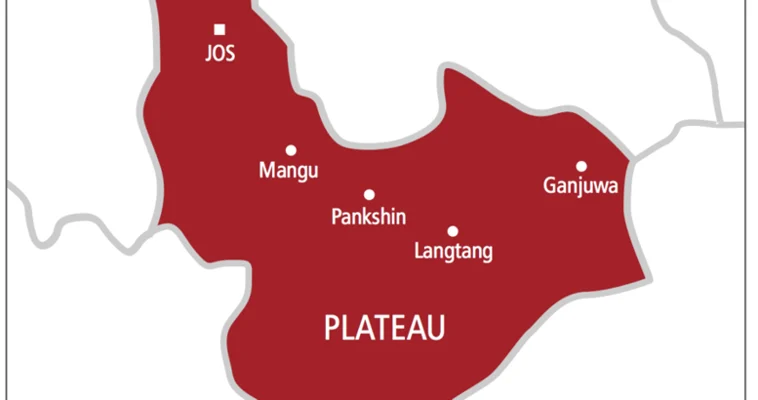
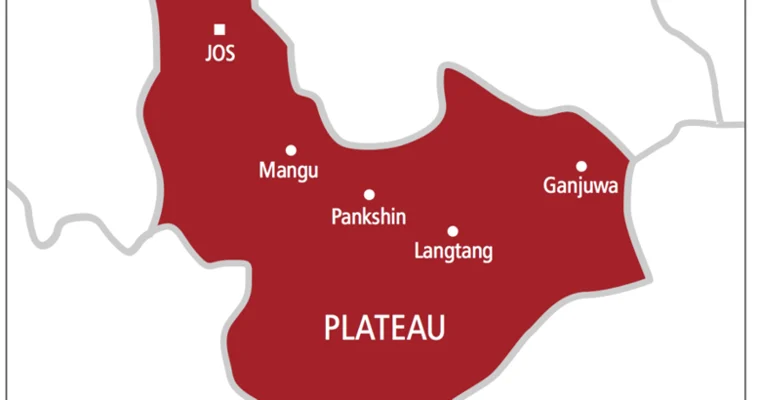
The incident was confirmed on Monday by Christopher Luka, a youth leader in Bokkos, who said the attack occurred around 11:30 p.m. on Sunday.
The latest violence comes less than five days after the District Head of Gwande in the same LGA, Saf Samuel Alaket, was killed in an ambush along the Sha District axis bordering the Daffo community. The traditional ruler was reportedly returning from a council meeting when he ran into the attackers.
Recounting the Sunday night assault, Luka said a member of the youth council alerted him as the attack was ongoing.
“A youth leader called around 12 a.m. that gunmen attacked the community and shot over 20 people. Eighteen were confirmed dead,” he said.
He added that he immediately contacted security operatives stationed in Bokkos, who confirmed they had been alerted and were moving to the scene.
Luka described the attack as unprovoked and called on security agencies to take urgent action to prevent further escalation in the area.
As of the time of filing this report, no security agency had issued an official statement on the incident. Attempts to reach the spokespersons of the Plateau State Police Command, SP Alabo Alfred, and Operation Enduring Peace, Capt. Polycarp Auta, were unsuccessful.
Martha Kandawa-Schulz, Namibia’s Cartagena Protocol National Focal Point, died in Yerevan, Armenia, while participating in the ongoing United Nations Biodiversity Conference (CBD COP17).
Ms Kandawa-Schulz, a professor, died on 23 October, according to a statement the Convention on Biological Diversity (CBD) Secretariat issued Sunday evening.
She was serving as Co-Chair of the Contact Group on Risk Assessment and Risk Management of Living Modified Organisms at the conference.
In a message to delegates, the Secretariat described her as a highly respected colleague whose dedication, expertise, and leadership contributed significantly to the Convention and its Protocols, as well as to the global biosafety community.
It said her commitment and collegiality had earned her the respect and appreciation of colleagues who had the privilege of working with her.
The Secretariat extended its condolences to her family, friends, colleagues, and the Government and people of Namibia.
It also expressed sympathy to the African Group and others mourning her death.
“The Presidency and the Secretariat are working closely together to support her family and the Namibian delegation on site, and to facilitate the necessary arrangements,” the statement said.
The Secretariat also announced that a book of condolences would be available to delegates from 13:00 on Monday at Entrance 2, near the Asia-Pacific Room, for those wishing to pay their respects.
It urged delegates to honour Ms Kandawa-Schulz’s memory and recognise her contributions to the shared objectives of the Convention.
The circumstances surrounding her death were not stated, although reports indicate that she collapsed during her engagement in the working group meeting on Friday.
CBD COP17 is taking place in Yerevan, Armenia, bringing together governments and other stakeholders to deliberate on global biodiversity conservation and the implementation of the Convention and its associated protocols.
Government representatives, delegates, scientists, civil society representatives and researchers, among others, from nearly 196 countries are participating in the conference.
Discover more from Premium Times Nigeria
Subscribe to get the latest posts sent to your email.
From discovering new books and organizing your reading list to tracking your reading goal and sharing recommendations, book apps make it easier to maintain reading as a hobby. There are numerous apps on the market that promise to do just that, so we’ve compiled a list of some of the best ones to help you pick the right one for you. Whether you’re an occasional reader or a dedicated bookworm, these apps can help you make the most of your reading journey.
Some of the apps on this list are somewhat new, while others have been around for a few years. Amazon-owned Goodreads, which is arguably the most popular book-related app, isn’t included in this list because we’re focusing on newer, lesser-known platforms.
Fable
Image Credits:Fable /
Fable is a reading app that combines book tracking with a social platform. It lets you organize reading lists, set reading goals, track streaks, write reviews, and join virtual book clubs. You also get personalized book recommendations and the chance to discuss what you’re reading with other readers.
The app differs from others on this list because it puts reading and community at the forefront of the platform, which makes it a great option for people who like staying motivated to read by being part of a community and discussing their reads.
Fable is free to download on iOS and Android, but also offers a Fable Plus subscription tier that unlocks additional features like custom goals and advanced analytics for a monthly fee of $5.99.
Bookshelf
Image Credits:Bookshelf /
Bookshelf is a reading app designed to help people organize their libraries, discover new books, and remember more of what they read. The app positions itself as an alternative to Goodreads, and combines traditional reading logs with AI-powered recommendations and tools.
You can create custom shelves, set reading goals, receive reminders, save favorite quotes, and access AI-generated book summaries, key insights, and thematic analyses to recall the books you’ve read and get a deeper understanding of them.
Bookshelf is free to download on iOS, but offers a $6.99 monthly fee to unlock premium features like unlimited collections and enhanced analytics.
Pagebound
Image Credits:Pagebound /
Pagebound is a book app that lets readers track their books, create lists, set goals, and discuss individual titles in dedicated forums. Instead of having to join an actual book club group, users can post reactions and thoughts to connect with others reading the same title.
You don’t have to worry about spoilers for the end of the book, as conversations are organized based on reading progress, allowing readers to share theories and thoughts as they read. The app is a great option for people who want to discuss their reads with others without having to commit to a scheduled book club.
Pagebound is free to download on iOS and Android and offers a $9.99 monthly subscription for added features like profile customization.
StoryGraph
Image Credits:Storygraph /
StoryGraph is a reading app that lets users track their reading, discover new books, and access detailed reading statistics and personalized recommendations. Users can set reading goals, join reading challenges, and find new titles based on their preferred moods, themes, genres, and pacing.
The app is ideal for readers who want to better understand their reading habits and discover books that match their current interests. Its recommendation system doesn’t solely rely on what’s popular or trending, and instead caters to exactly what readers are looking for.
StoryGraph is free to use on iOS and Android, but also offers a paid subscription called StoryGraph Plus that costs $4.99 per month and unlocks custom charts, additional statistics, and more.
Margins
Image Credits:Margins /
Margins is a great option for mood readers, as it offers mood-based discovery alongside a more focused reading experience. It helps users find their next read based on how they feel in the moment by searching for specific vibes, such as “books like 1920s Paris.” Users can also track their reading goals.
The app also lets users customize their virtual library by choosing book covers that match their aesthetic and organizing their shelves in different ways, including by color. For users who enjoy a more immersive experience, Margins offers a built-in “Reading Time” meditation timer that blocks social media apps.