News
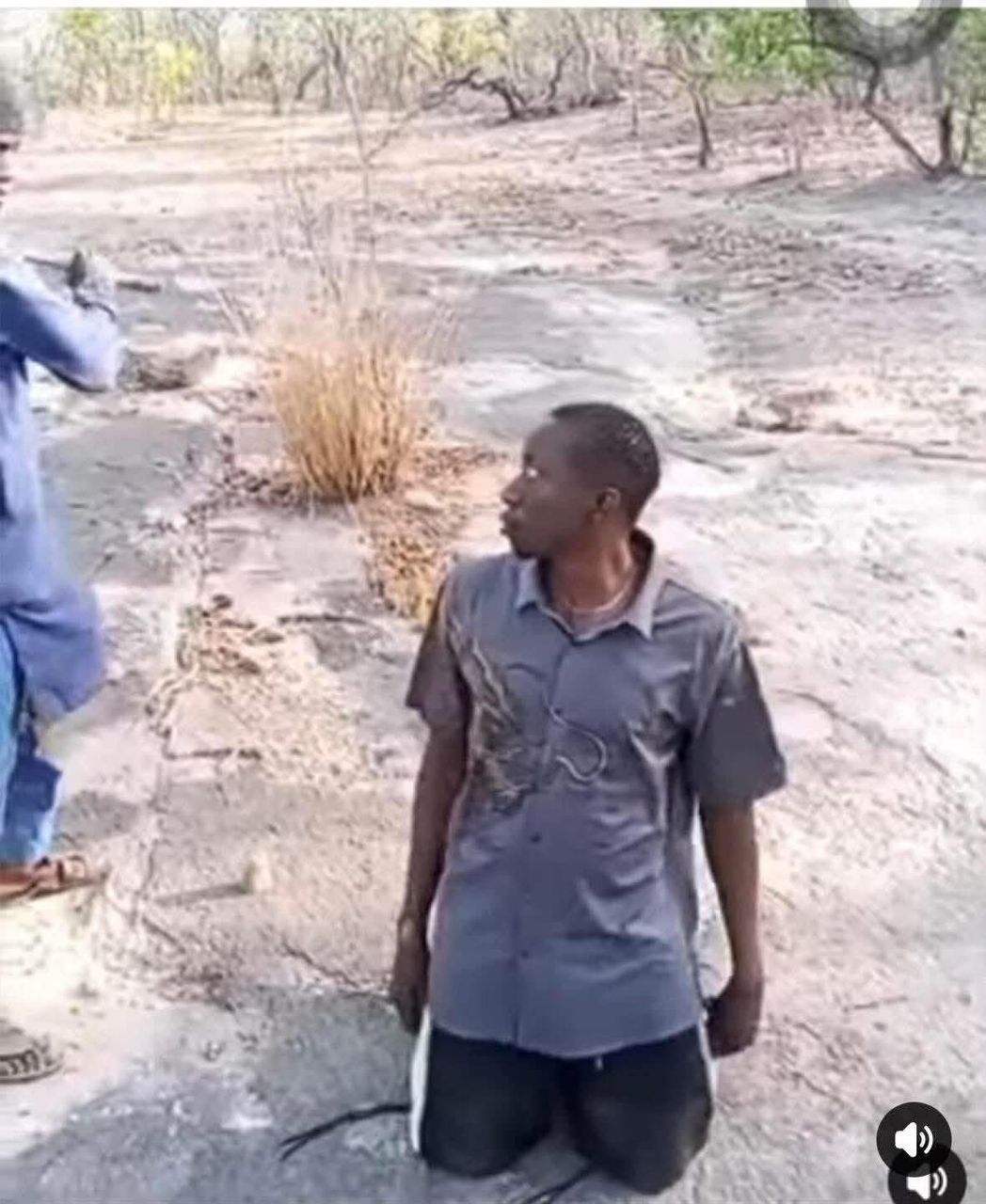
John Arum: Kidnapped UNIJOS Graduate Regains Freedom


Health
INVESTIGATION: Social media, anonymous websites drive Nigeria’s poorly regulated weight-loss injection market


Toke Makinwa, a popular media personality, disclosed in a Snapchat post on 6 May that she used the prescription weight-loss injectable drug Mounjaro before returning to the gym after giving birth in August 2025.
“Consistency really produces results… I’m not one to pretend or lie. I was on Mounjaro till December; my last dose was on the 31st of December, and I hit the gym hard in January,” Ms Makinwa wrote.
Many entertainment blogs and social media users republished the post. This sparked discussions in the comment section about the drug’s cost and usage, to which vendors responded with adverts for the drug and quoted prices.
What appeared to be ordinary social media marketing led PREMIUM TIMES into a week-long open-source investigation that uncovered a growing digital marketplace where vendors sold the Mounjaro injections without requesting prescriptions and downplayed or denied their side effects.
PREMIUM TIMES also uncovered a network of interconnected anonymous websites that used fabricated testimonials to sell another drug that is still undergoing clinical trials.


Understanding the injections
The products identified during this investigation belong to a class of medicines known as GLP-1 receptor agonists. These are medicines prescribed to reduce appetite by signalling the brain to feel full, while also helping the body control blood sugar levels.
They were originally developed to treat type 2 diabetes, while some have since been approved in several countries like the United States (US), Canada and China for chronic weight management in adults with obesity or overweight under medical supervision.
The two most commonly marketed products by vendors during this investigation were Mounjaro (tirzepatide) and Ozempic (semaglutide).
Mounjaro, manufactured by Eli Lilly, a US-based pharmaceutical company, is a prescription-only injectable, approved to improve blood sugar control in people with type 2 diabetes. Mounjaro is also marketed under the brand name Zepbound for chronic weight management in eligible adults.
Ozempic, on the other hand, is manufactured by Novo Nordisk. It is likewise a prescription-only medicine containing semaglutide, a GLP-1 receptor agonist originally developed for adults with type 2 diabetes.
PREMIUM TIMES also found that some vendors were marketing Retatrutide, an experimental medicine developed by Eli Lilly.
Retatrutide is not yet available for public use and remains in Phase three clinical trials, according to Eli Lilly’s Frequently Asked Questions (FAQ). The World Health Organisation (WHO) described the clinical trial phase as the final stage of testing before a new drug is considered for approval. If successful, Eli Lilly says the drug could be used to treat obesity, type 2 diabetes and joint-related conditions.
PREMIUM TIMES found that these injectables marketed by these vendors do not appear on the public product registration database of the National Agency for Food and Drug Administration and Control (NAFDAC). Despite this, the products were sold online with nationwide delivery options without prescriptions or evidence of medical supervision.
From demand to marketplace
PREMIUM TIMES reviewed the comment sections of Instagram posts by Lindaikejiblog and Yabaleftonline that amplified Toke Makinwa’s Snapchat post.
In response to Lindaikejiblog’s Instagram post, several users asked where they could buy Mounjaro.
One user, chekwubejenifer, wrote: “Where will I see Mounjaro buy o?”
Another user, iamugomsinachi, commented: “Once money touch my hand, me self go take my own Mounjaro.”
Vendors responded quickly to these questions by openly advertising in the comment section.

PREMIUM TIMES contacted bodyng_aesthetic_clinic, which claimed to sell Mounjaro “at an unbeatable price” through the WhatsApp link provided on its profile, to understand how the products were being sold.
The account, with over 9,600 Instagram followers at the time of this investigation, described the injections as “very effective” and immediately asked how much weight the prospective buyer wanted to lose.
When asked about possible side effects, the vendor replied that there were none.
Another vendor, identified through a sponsored Instagram advertisement, operated under the name Abuja Massues. The account described itself as a spa and therapy business and had more than 7,000 followers.
At the time PREMIUM TIMES contacted the business, it was advertising what it called a “CEO Birthday Promo,” offering three categories of weight-loss injections: Basic (N100,000), Premium (N180,000) and VIP (N250,000) per shot.
Like the first vendor, it assured the reporter that the injections had “no side effects.”

In a voice note sent to this reporter on Instagram, the third vendor repeatedly dismissed concerns about the medicines’ safety.
“There’s no side effect, not at all, not at all, not at all, none,” the vendor claimed.
However, the vendors’ claim contradicts the manufacturer’s safety information. Eli Lilly warns that Mounjaro may cause common side effects such as nausea, diarrhoea, vomiting, constipation, indigestion, and abdominal pain.
Other adverse risks include pancreatitis, severe allergic reactions, gallbladder problems, and kidney injury resulting from dehydration.
Oladapo Ashiru, an endocrinologist and former president of the Academy of Medicine Specialities of Nigeria (AMSN), also confirmed the claim is false, highlighting the serious risks as listed by the manufacturer.
Mr Ashiru explained that patients should undergo proper clinical assessment before starting treatment and be monitored throughout treatment. According to him, patients should undergo baseline assessments, including a blood sugar test, a full blood count, and other routine tests, before starting GLP-1 treatment.
He also shared how he managed a patient in Nigeria who developed severe hypovolaemia following unsupervised use of the injectables.
Hypovolaemia is a medical condition characterised by a critical decrease in circulating blood or fluid volume in the body.

The third vendor compared GLP-1 medicines to different strengths of paracetamol and vitamin C tablets to explain why Mounjaro “works faster” than Ozempic.
The vendor also acknowledged that the medicines had not been approved by NAFDAC and disclosed that importers typically present a doctor’s prescription to bring them into Nigeria.
“I don’t know why NAFDAC has not approved it, to be sincere,” she said.
Despite this acknowledgement, she continued encouraging the purchase of the injections and discussed dosage schedules and pricing.
To verify the vendors’ claims, PREMIUM TIMES submitted a Freedom of Information (FOI) request to NAFDAC on 22 June, seeking clarification on the registration status of GLP-1 weight-loss injectables.
In a response dated 25 June and signed by the agency’s Director-General, Mojisola Adeyeye, NAFDAC refused to make a categorical statement on the registration status of Mounjaro, Ozempic, and Retatrutide. Instead, the drug regulator provided a general response to our specific question on the registration status of the three injectables. It stated that medicines intended for commercial distribution in Nigeria are generally required to undergo registration before marketing.
The agency noted that certain unregistered medicines may be imported through “controlled access pathways” under defined regulatory conditions. It did not, however, state whether the three drugs were imported through the “controlled access pathways.”
However, before this investigation, NAFDAC issued public alerts in 2023 and 2024, warning that Ozempic was not registered in Nigeria and that falsified versions of the medicine were circulating in the country.
A network of anonymous websites
While trying to better understand how the weight-loss injections marketed by vendors work and who manufactures them, PREMIUM TIMES searched online for more information about the products.
Among Google’s top search results was mounjaronigeria.com. At first glance, the website appeared to be an educational platform, with a disclaimer at the top of the page stating that its content was “for educational purposes only.” The website claims that it does not sell, supply, or distribute Mounjaro.

A closer look, however, revealed something different. The website contained a fully functional order form through which visitors could select a product, provide their delivery address, weight and WhatsApp number, and consent to being contacted by a ‘medical consultant’ about their treatment plan.

No prescription was required before submitting the request, and no information was provided about the identity or qualifications of the purported medical consultants.
While reviewing mounjaronigeria.com, PREMIUM TIMES noticed hyperlinks embedded on the homepage directing visitors to three other websites: slimnaija.com, naijatrim.com and naijapeptides.com. The links led to separate but similar platforms, all promoting the same weight-loss products with nearly identical designs and marketing styles.
Further Google searches also suggested mounjaro.ng, another standalone website targeting Nigerians interested in GLP-1 weight-loss injections.
Mapping the website network
To determine whether the websites were operated independently or by the same entity, PREMIUM TIMES conducted WHOIS domain registration searches, which provide website identification and contact information.
The results revealed striking similarities. slimnaija.com and naijatrim.com were both registered on 17 January 2026. mounjaronigeria.com was registered eight days later, on 25 January.
Naijapeptides.com and mounjaro.ng were created on 6 January and 3 February, respectively.
All five domains were registered through Cloudflare with registrant information hidden behind the company’s privacy protection service.
While privacy protection is not unusual on its own, the matching registration timeline, similar website design and overlapping content suggested the sites were unlikely to be unrelated.
A manual review of each platform reinforced that suspicion. All five promoted GLP-1 medicines using similar language, comparable pricing structures and near-identical sales pitches.

Fake testimonials and experimental medicines
The investigation found misleading claims across the websites. slimnaija.com and naijatrim.com displayed testimonials attributed to customers identified as Chioma F. and Adaeze A., complete with photographs and claims of losing 19kg and 23kg, respectively.

To verify the testimonials, PREMIUM TIMES conducted reverse image searches using Google Lens. The photographs were traced to Unsplash, a free stock photography website.
There was no evidence that the people pictured were Nigerians or had ever used the advertised products. The testimonials appeared to have been fabricated.
The websites also advertised Retatrutide, an experimental medicine still undergoing Phase III clinical trials. The websites described it as a “lyophilised triple-agonist peptide vial for research use only” and listed Retatrutide 10mg for N198,000 and 20mg for N279,000, alongside an “Add to Cart” option.
Meanwhile, naijapeptides.com attempted to establish credibility by citing published medical studies, linking to PubMed articles and claiming its products were “99% lab verified.” It also referenced FDA approval in a way that suggested the products carried official regulatory endorsement.
However, FDA approval applies to specific medicines approved for the United States market and does not authorise compounded peptides or products marketed in Nigeria.

What Nigerian law says
Commenting on PREMIUM TIMES’ findings, Bernard Okpi, a human rights lawyer and health law advocate, said Nigerian law prohibits the online advertisement and sale of prescription medicines to the general public.
Mr Okpi, who is the managing partner at OBA Attorneys, said, “Pursuant to Regulation 4(2) of the NAFDAC Drug and Related Products Advertisement Regulations 2021, prescription medicines cannot be advertised via online media, digital storefronts, social media, or broadcast channels.
“By Regulation 2(3)(a), promotional claims for prescription drugs are strictly restricted to peer-reviewed medical and scientific journals intended exclusively for healthcare professionals.”
He further explained that Section 1(1) of the Food, Drugs and Related Products (Registration, etc.) Act, Cap. F33, Laws of the Federation of Nigeria 2004, prohibits the manufacture, importation, advertisement, sale or distribution of drug products that have not been registered by NAFDAC.
“Selling, stocking or distributing unregistered pharmaceutical products in Nigeria attracts severe criminal, civil and administrative liabilities,” he said.

Mr Okpi said individuals and companies that sell unregistered medicines may face criminal prosecution, fines, imprisonment, forfeiture of products and other regulatory sanctions.
Addressing websites selling Retatrutide with disclaimers such as “Research Use Only” or “For Educational Purposes Only,” he said such labels do not shield operators from liability if the products are being marketed or supplied for human consumption.
“Placing an ‘educational purposes only’ disclaimer on an e-commerce website that sells or facilitates the purchase of unregistered drugs to Nigerian consumers is illegal and does not negate criminal liability,” he said.
According to him, operating a website that processes orders for prescription medicines without the required licence also breaches Nigerian law and may attract regulatory sanctions.
A shared contact
The similarities between the websites prompted another question. Were they being operated by the same people? To answer this, PREMIUM TIMES clicked the WhatsApp links on both slimnaija.com and naijatrim.com, which redirected users to the same telephone number:+1 (469) 602-0875, a United States number with a Texas area code.
When this reporter contacted the number posing as a prospective buyer, the operator immediately sent a product catalogue containing dosage options, prices and nationwide delivery information.
Retatrutide was offered at N200,000 for 10 mg, N300,000 for 20 mg, and N450,000 for 30 mg. The operator did not request a prescription or ask about the buyer’s medical history.
Seeking to identify the business behind the operation, PREMIUM TIMES requested payment details. The operator provided a bank account in the name of Velorix Nigeria Ltd, providing the first identifiable lead in the investigation.
PREMIUM TIMES searched the Corporate Affairs Commission (CAC) database to determine who owned the company and obtained the status report for the full details of Velorix Nigeria Ltd.
According to the report, the company was incorporated on 7 February 2026, about two weeks after the first domains in the website network were registered. The company’s sole registered director and shareholder is Samson Olufuwa.
The timing was notable, as the company was registered shortly after the websites were created and was the payment destination for products marketed across the network.
PREMIUM TIMES also searched NAFDAC’s public product registration database for the medicines being advertised, including Mounjaro, Ozempic and Retatrutide. The search did not identify these products on the agency’s registered product database.
Right of reply
Having linked the websites, payment details and company registration, PREMIUM TIMES contacted Mr Olufuwa via the email and WhatsApp contact provided in the status report by 10 a.m on 22 June.
By 5 p.m the same day, all five websites became inaccessible. The sites had remained online throughout the investigation, but went offline shortly after PREMIUM TIMES sought a response.
Before making contact, PREMIUM TIMES preserved archived copies of the websites using archive.ph.

A response eventually came from Mr Olufuwa on 24 June, through his lawyer, Chinualum Mmuozoba of Acreage Associates.
In a written response, the lawyer said Velorix Nigeria Ltd does not own or operate the websites identified during the investigation.
Instead, he said the company merely provided technology-related services to a third-party client.
The letter also stated that after becoming aware of PREMIUM TIMES‘ findings, Velorix had “immediately suspended the services it was providing, including the technical payment facility.”
More clarifications from NAFDAC
On websites selling Retatrutide to random individuals with the tag “Research Use Only”, NAFDAC stated in its response that products bearing that label are not authorised for routine human use.
It added that any product represented for human consumption falls within Nigeria’s regulatory requirements and may be subject to regulatory action if marketed or supplied outside approved pathways.
PREMIUM TIMES requested records of adverse events linked to unsupervised use of GLP-1 medicines; NAFDAC said it operates a national pharmacovigilance programme that continuously monitors the safety of medicines.
However, it declined to release the requested reports, stating that “specific case data and report details are handled in accordance with applicable confidentiality, patient protection and regulatory disclosure provisions.”
The agency also said it is intensifying the monitoring of online medicine sales and may take enforcement actions, including investigations, seizures, sanctions, prosecution and public alerts, where violations are identified.
NAFDAC added that the unauthorised online sale of medicines requires a coordinated response involving regulators, digital platforms, telecommunications companies, law enforcement agencies, healthcare professionals and consumers.
This report was produced under the 2026 Kwame Karikari Fact-checking and OSINT Fellowship, co-hosted by DUBAWA and the Digital Technology, Artificial Intelligence, and Information Disorder Analysis Centre (DAIDAC), with support from the Centre for Journalism Innovation and Development (CJID).
Discover more from Premium Times Nigeria
Subscribe to get the latest posts sent to your email.
-

 News3 days ago
Governor Mutfwang Begins Strategic Assessment to Restore Plateau’s Heritage, Boost Tourism
-
Health3 days ago
UNFPA partners Lagos, GoMed to expand reproductive health services for Nigerian students
-
Business2 days ago
Nigeria, Canada expand air deal, facilitate direct flights
-
Business2 days ago
NCAA cautions against further cut in aviation funding