News
Tinubu pushes digital diplomacy, unveils new foreign policy priorities – Technology Times

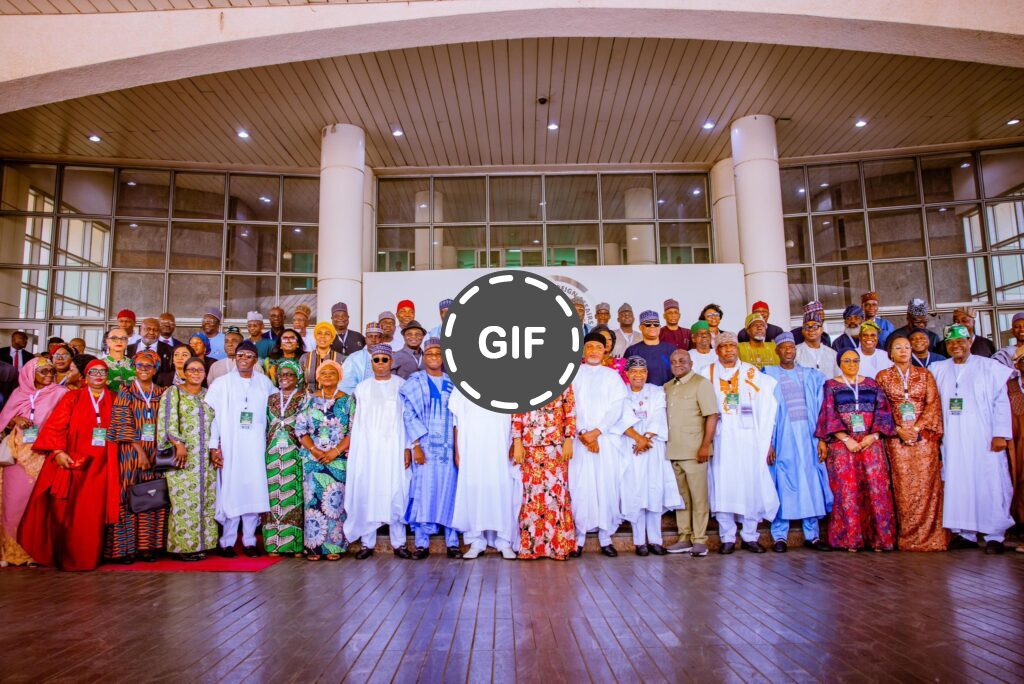
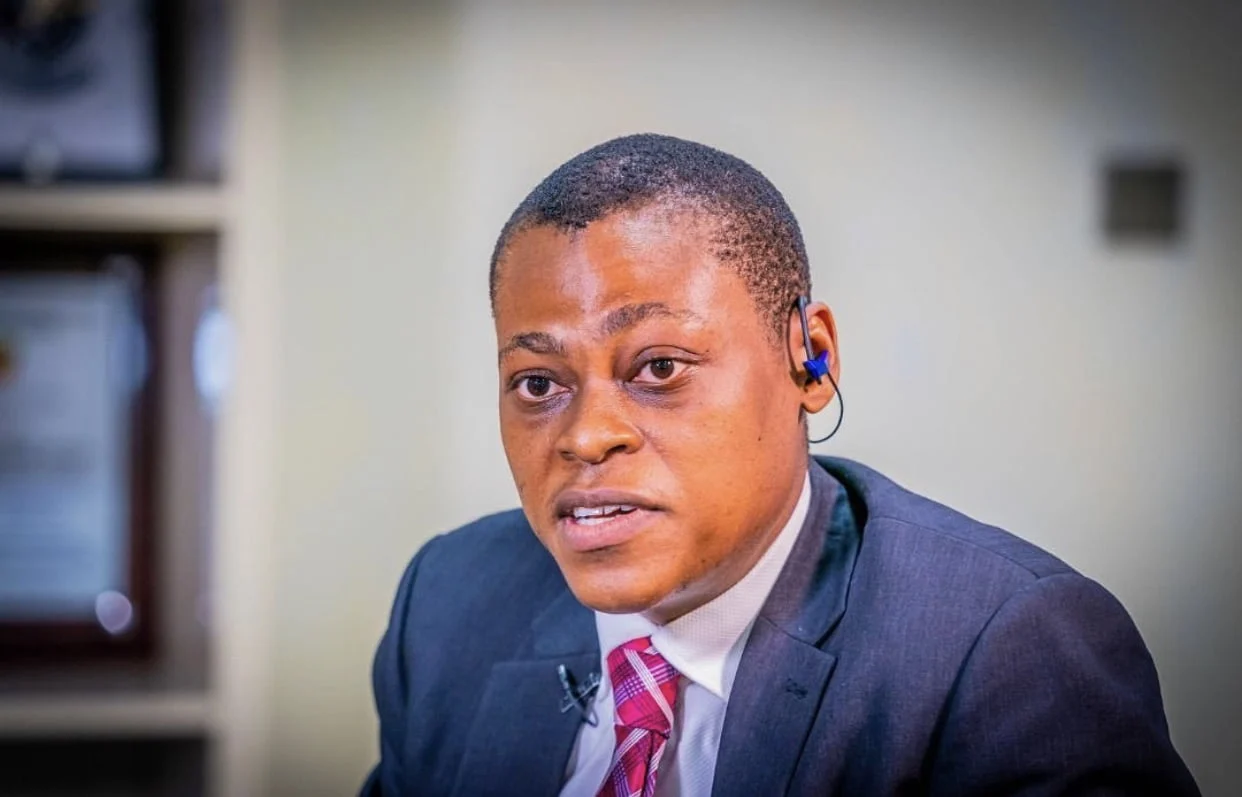
President Bola Ahmed Tinubu says rapid shifts in global politics, technology and the economy are reshaping international relations and forcing Nigeria to rethink how it engages with the world.
Speaking on Monday at the induction programme for newly appointed ambassadors and high commissioners at the Ministry of Foreign Affairs in Abuja, the President highlighted a fast-changing global environment defined by uncertainty and structural transformation.
The President, represented by George Akume, the Secretary to the Government of the Federation, pointed to multiple global pressures influencing diplomatic engagement, including geopolitical tensions, economic instability, technological disruption, climate challenges and emerging security risks.


Tinubu stressed that technological disruption has become a major force shaping global affairs, alongside other structural changes affecting how countries compete, cooperate and project influence.
“The international system is evolving rapidly. We must be prepared to meet these challenges by focusing on how best to protect and promote Nigeria’s national interest,” he says.
Tinubu stressed that technological disruption has become a major force shaping global affairs, alongside other structural changes affecting how countries compete, cooperate and project influence.
According to the President, Nigeria’s diplomatic missions must respond by adopting more modern approaches that combine traditional diplomacy with digital engagement, public communication and strategic messaging.
He also emphasised the need for Nigeria to strengthen how it communicates its progress and policies internationally, particularly in a more competitive global information space.
He urged envoys to take a more active role in promoting investment, trade and partnerships that support technology transfer and economic development.
Tinubu further underlined the importance of protecting Nigerians living abroad, describing diaspora welfare as a central pillar of foreign policy.
In a significant policy adjustment, he announced a restructuring of Nigeria’s 4D foreign policy framework, originally anchored on Democracy, Development, Demography and Diaspora.
The priorities, Tinubu said, have now been reordered to Demography, Development, Diaspora and Democracy.
“This re-ordering has put the Nigerian people at the centre of our foreign policy agenda and is aimed at harnessing outcomes for their maximum benefit,” he said.
The President also urged the new envoys to uphold professionalism, discipline and accountability in their duties, noting that their performance would be assessed based on clear outcomes.
He encouraged them to fully engage in the induction programme designed to prepare them for the demands of modern diplomacy.
“You have a special responsibility in helping to reposition Nigeria in global affairs. The world is watching,” the President added.
Stay ahead with real-time reports, breaking news, and exclusive insights delivered directly to your phone. Don’t settle for outdated information. Join TECHNOLOGYTIMES NEWS on WhatsApp for 24/7 updates.
Join Our Whatsapp Channel

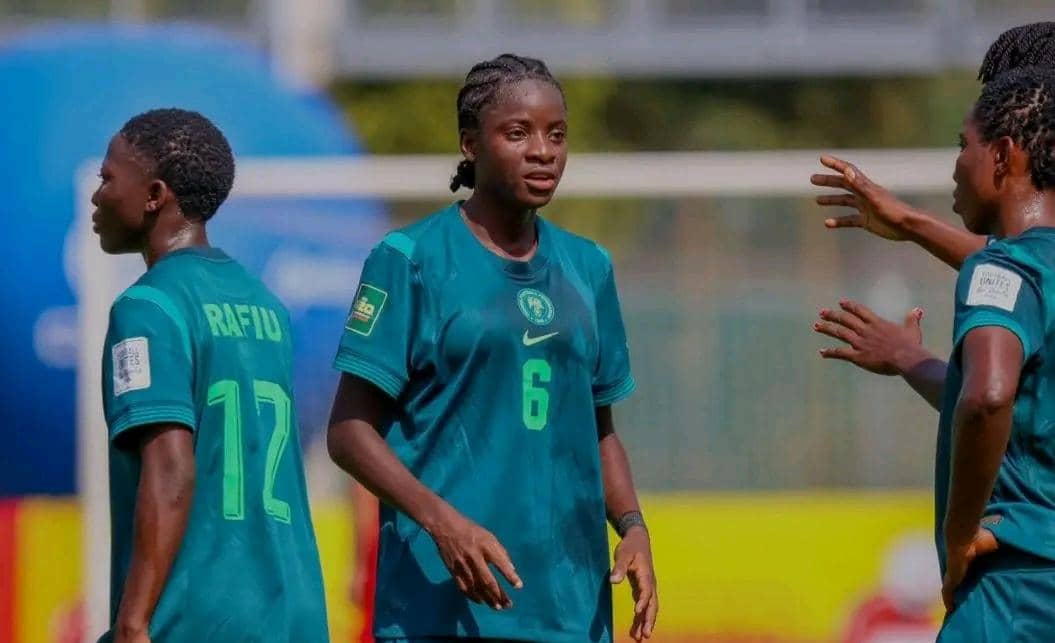
Nigeria’s Falconets have completed their final preparations for the 2026 FIFA U-20 Women’s World Cup with a 1-1 draw against South Korea U-20 in their final warm-up match in Poland.
Sports247 reports that the encounter provided Nigeria’s coaching crew with one last opportunity to assess the squad before the team begins its campaign at the global tournament.
Mary Mamudu put the Falconets ahead in the 29th minute, giving Nigeria a deserved advantage as the young West Africans looked to finish their preparations on a winning note.
South Korea, however, fought back after the interval and eventually drew level from the penalty spot in the 78th minute. Neither side could find a winning goal thereafter, leaving the two teams to share the spoils in a competitive final test.
The result means Nigeria conclude their Poland-based friendly programme with one victory and one draw, providing valuable match experience ahead of the World Cup.
The Falconets have been preparing extensively for the tournament following a successful qualification campaign in which they overcame Rwanda 5-0 on aggregate, Senegal 3-1 on aggregate and Malawi 3-2 on aggregate.
Nigeria will now shift their attention fully to their opening Group F fixture against Spain on September 7. The team will subsequently face China PR on September 10 before rounding off the group stage against New Caledonia on September 13.
Nigeria remain the only African nation to have featured at every edition of the FIFA U-20 Women’s World Cup, underlining the country’s remarkable consistency at the youth level.
The Falconets have also come agonizingly close to lifting the trophy, finishing runners-up in 2010 and 2014. Their latest campaign therefore presents another opportunity for Nigeria to pursue a first-ever world title in the competition.
The draw against South Korea will give the technical crew plenty to analyze as the final preparations are completed, particularly with the opening game against Spain now approaching.
With the warm-up fixtures behind them, the Falconets can now focus on the task ahead in Poland. The preparations are over. The World Cup journey begins on September 7.
-

 Events1 day ago
Nigeria’s Christian Leaders to Unite in Abuja for First Lausanne Congress in Over 10 Years (Register Now)
-
News3 days ago
Sony Music, Warner sue Anthropic, alleging a “brazen campaign” of intellectual property theft
-
Business3 days ago
OpenAI to end Cursor deal with SpaceX over contract, safety concerns
-
Health3 days ago
FG deploys task force to respond to diphtheria outbreaks in Kano, Katsina