
News
Plateau Youth Council Urges Increased Vigilance as Insecurity Escalates Nationwide


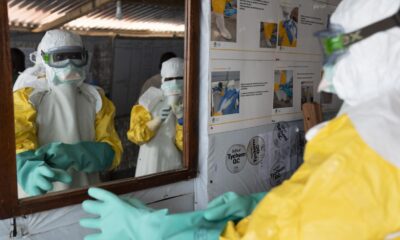







Preventing infections through proper hygiene, vaccination, safe food and water practices can reduce the need for antimicrobial medicines and help curb antimicrobial resistance (AMR), health experts have explained.
Philip Osun, a clinical microbiologist at the Lagos University Teaching Hospital (LUTH), said preventing infections is one of the most important ways to reduce the use of antibiotics and slow the development of resistance.
“If you don’t have infections, then it’s not likely there will be antimicrobial resistance,” Mr Osun said.
He advised Nigerians to practice regular handwashing, keep their vaccinations up to date, prepare food safely, use clean water, care for wounds properly and observe respiratory hygiene to reduce the spread of infections.
He also cautioned against taking antibiotics for illnesses such as common colds, which are usually caused by viruses and do not require antibiotics.
“Most of the common colds don’t require antibiotics,” he said, urging people not to rush to pharmacies to obtain antibiotics without appropriate medical advice.


Antimicrobial resistance occurs when bacteria, viruses, fungi and parasites develop the ability to withstand medicines designed to treat infections, making illnesses increasingly difficult to treat.
Mr Osun explained that resistance develops in microorganisms, not in the human body, and that people can become infected with resistant organisms even when they have not personally misused antibiotics.
He said resistance is a cumulative problem driven by the use and misuse of antimicrobials across communities, healthcare facilities, animals and the environment.
Prevent infections before treatment
Folasade Lawal, a pharmacist and managing director of Victory Drugs, also stressed the importance of preventing infections, noting that reducing infections would lessen the need for antimicrobial treatment.
“If there is no infection, there is nothing to treat,” she said.
Ms Lawal urged people to use medicines appropriately, obtain prescriptions from qualified healthcare professionals and follow instructions on dosage and duration.
She warned that inappropriate use and overuse of antimicrobials accelerate resistance, making medicines less effective against infections.
Preventing infections, she said, also requires vaccination, access to clean water, proper hygiene and responsible practices in healthcare and animal production.
Why prevention matters
The World Health Organisation (WHO) says antimicrobial resistance threatens the effectiveness of medicines that have transformed modern healthcare, making infections harder to treat and putting lives at risk.
According to the WHO, bacterial AMR was linked to over 4.7 million deaths globally in 2021, and about one in six laboratory-confirmed bacterial infections worldwide resisted antibiotic treatment in 2023.
ALSO READ: AMR Week: Artists, health experts use arts to raise awareness about drug resistance
It added that poor infection prevention, inadequate water and sanitation, inappropriate antimicrobial use in humans and animals, and unsafe waste disposal contribute to the spread of resistant organisms.
It recommends infection prevention through vaccination, hand hygiene, clean water, sanitation and effective infection control in healthcare facilities and farms.
Discover more from Premium Times Nigeria
Subscribe to get the latest posts sent to your email.

-

 Business2 days ago
Elon Musk Launches X Money, Bringing Banking and Payments to Social Media Platform
-
Health2 days ago
JUTH Student Nurse Anaesthetist Dies After Collapsing During Football Match in Jos
-
News2 days ago
OPEP troops arrest 21-year-old suspected child trafficker, rescue five minors in Plateau
-
News2 days ago
Canadian Police Arrested ‘Lagos BigBoy’ Tosin Damilola Oyebade, 11 Others Over $4.5m Stolen Vehicle Network


