
Health
EXCLUSIVE: Ebola: 34-year-old pilot, wife identified as suspected cases who tested negative in North-east Nigeria

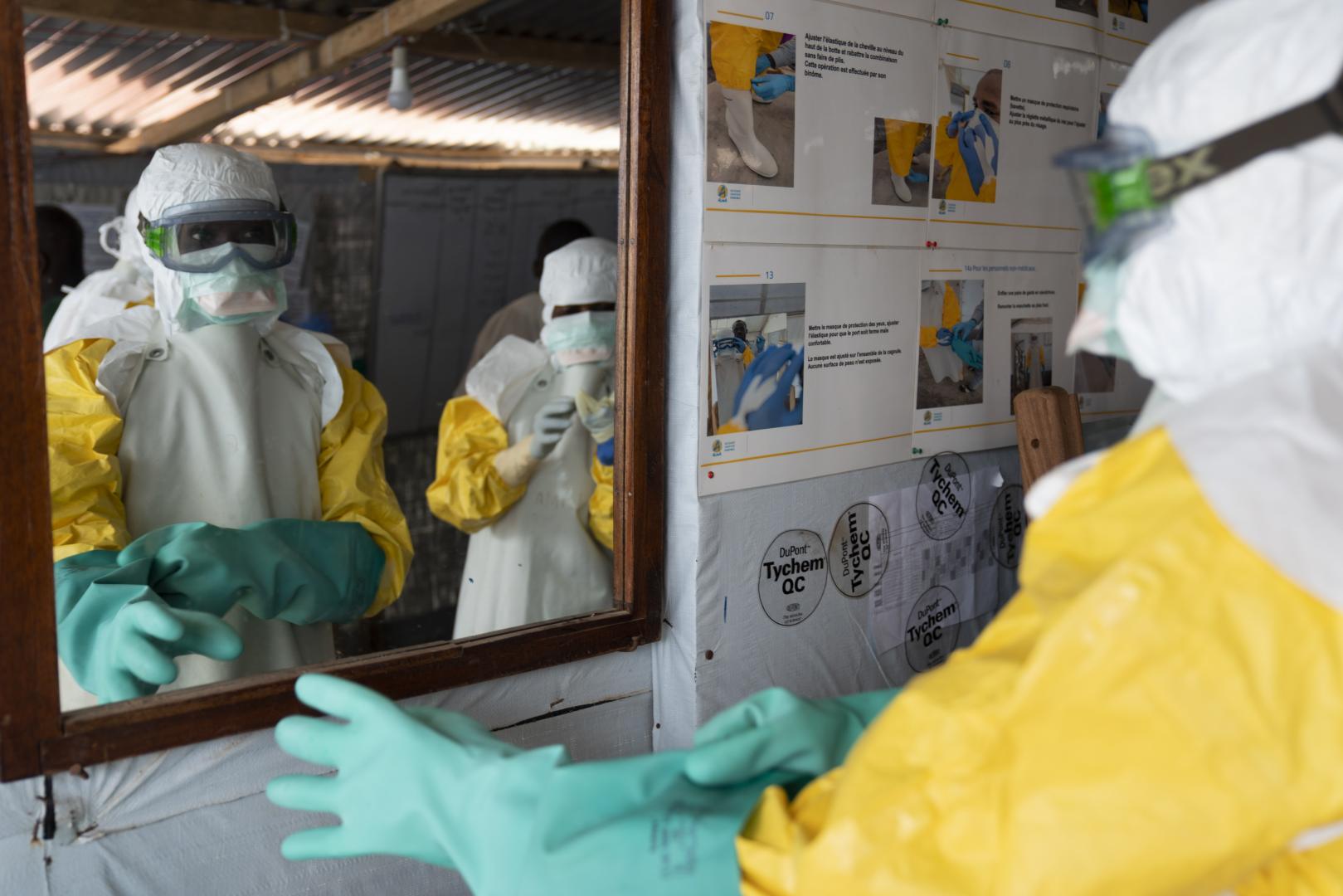
A 34-year-old pilot and his wife, a medical doctor, were the two people investigated for suspected Ebola Virus Disease (EVD) in Adamawa State after developing symptoms including fever, vomiting, fatigue, headache, cough, bleeding gums and nosebleeds.
Although Nigerian officials said two suspected Ebola cases were being investigated in the state and eventually turned negative, their identities were not disclosed. PREMIUM TIMES can now disclose the officials’ identities, though we are redacting their names.
An internal memo from the Adamawa State Ministry of Health and Human Services, obtained exclusively by PREMIUM TIMES, said the couple were admitted to the isolation centre of the Modibbo Adama University Teaching Hospital (MAUTH), Yola, on 29 October.
The memo, dated 30 October 2026 and signed by the State Epidemiologist, Jones Kadabiyu, said the Adamawa State Public Health Emergency Operations Centre (PHEOC) received the report at 6:45 a.m. following a clinician’s report from MAUTH.
The development came as health authorities intensified surveillance following Nigeria’s confirmation of its first Ebola case in the current outbreak.
The Nigeria Centre for Disease Control and Prevention (NCDC) had on Saturday announced that two suspected Ebola cases had been identified in the North-east, but did not initially disclose the state where the cases were detected.


However, the agency later confirmed that the two suspected cases were in Adamawa, noting that the laboratory tests on samples from both individuals were negative for Ebola after two rounds of testing.
In a statement signed by its Director-General, Jide Idris, the NCDC said it was working with the Adamawa State government to investigate the suspected cases.
The agency said it isolated the two individuals and immediately activated public health measures while collecting samples for laboratory testing.
“Fortunately, the samples turned out negative for EBV after two rounds of testing,” Mr Idris said.
The NCDC said there is currently no laboratory-confirmed Ebola case in Adamawa State, adding that the previously confirmed case in the Federal Capital Territory (FCT) remains the only confirmed case in Nigeria.
What PREMIUM TIMES learnt
According to the memo, the pilot developed symptoms on 13 October, while his wife developed similar symptoms on 25 October.
The names of the two patients are contained in the documents seen by PREMIUM TIMES. However, this newspaper is withholding their identities to protect their privacy.
A preliminary report dated 31 October from Yola North Local Government Area (LGA), Adamawa State, said the pilot travelled to Kenya “for personal reasons” on 14 October and returned to Nigeria on 25 October. It said he had developed a fever before his trip and was treated for malaria.
“Prior to his departure, he reportedly developed a fever on 13 October 2026 and was treated for malaria. He reportedly remained well while in Kenya,” it noted.
However, upon returning to Yola, he developed symptoms including fever, nausea and vomiting, fatigue, headache, cough, bleeding gums and nosebleeds. His wife subsequently developed similar symptoms after caring for him at home.
They were both admitted at the MAUTH isolation centre.
The state health authorities collected samples from both patients on 30 October and transported them to the National Reference Laboratory for testing, according to the report.
Contacts traced
The memo report said 18 contacts had been identified, traced and line-listed, while the preliminary report dated 31 October put the number at 17.
The PHEOC also notified the State Rapid Response Team, the State NCDC office, Local Government Disease Surveillance and Notification Officers, the World Health Organisation (WHO) and UNICEF.
The state health authorities recommended continued contact tracing, infection prevention and control measures, enhanced surveillance and coordination with relevant authorities.
The NCDC has urged Nigerians to remain calm and avoid spreading unverified information.
It also advised people who develop symptoms such as fever, severe weakness, headache, muscle pain, vomiting, diarrhoea or unexplained bleeding, particularly after a relevant exposure, to seek immediate medical attention.
READ ALSO: Ebola: Saudi Arabia suspends travel to Kenya, halts visa issuance
Ebola outbreak
Nigeria is one of five countries that have detected Bundibugyo virus disease during the current outbreak, which began in the Democratic Republic of the Congo (DRC) in May.
The outbreak has remained concentrated in the DRC but has spread beyond the country.
Nigeria’s first confirmed case of Ebola in 2026 was a woman who travelled from Uganda to Abuja and tested positive on 20 October. She was subsequently medically evacuated to Switzerland for continued treatment.
The NCDC’s latest situation report said 62 contacts linked to Nigeria’s confirmed case had been identified and were being monitored.
The Coordinating Minister of Health and Social Welfare, Muhammad Pate, had said genomic analysis showed that the virus detected in the Nigerian patient was closely related to the strain identified in Kenya’s first imported case. He, however, said the finding did not establish that the Nigerian patient was infected in Kenya.
WHO’s latest update reported 10,274 confirmed cases and 4,992 deaths in the DRC as of 28 October. Kenya had recorded nine confirmed cases and two deaths, while Nigeria had one confirmed case at the time of the update.
Ebola is a viral disease that can cause severe illness and spreads mainly through direct contact with the blood or other body fluids of an infected person.
Discover more from Premium Times Nigeria
Subscribe to get the latest posts sent to your email.





Preventing infections through proper hygiene, vaccination, safe food and water practices can reduce the need for antimicrobial medicines and help curb antimicrobial resistance (AMR), health experts have explained.
Philip Osun, a clinical microbiologist at the Lagos University Teaching Hospital (LUTH), said preventing infections is one of the most important ways to reduce the use of antibiotics and slow the development of resistance.
“If you don’t have infections, then it’s not likely there will be antimicrobial resistance,” Mr Osun said.
He advised Nigerians to practice regular handwashing, keep their vaccinations up to date, prepare food safely, use clean water, care for wounds properly and observe respiratory hygiene to reduce the spread of infections.
He also cautioned against taking antibiotics for illnesses such as common colds, which are usually caused by viruses and do not require antibiotics.
“Most of the common colds don’t require antibiotics,” he said, urging people not to rush to pharmacies to obtain antibiotics without appropriate medical advice.
Antimicrobial resistance occurs when bacteria, viruses, fungi and parasites develop the ability to withstand medicines designed to treat infections, making illnesses increasingly difficult to treat.
Mr Osun explained that resistance develops in microorganisms, not in the human body, and that people can become infected with resistant organisms even when they have not personally misused antibiotics.
He said resistance is a cumulative problem driven by the use and misuse of antimicrobials across communities, healthcare facilities, animals and the environment.
Prevent infections before treatment
Folasade Lawal, a pharmacist and managing director of Victory Drugs, also stressed the importance of preventing infections, noting that reducing infections would lessen the need for antimicrobial treatment.
“If there is no infection, there is nothing to treat,” she said.
Ms Lawal urged people to use medicines appropriately, obtain prescriptions from qualified healthcare professionals and follow instructions on dosage and duration.
She warned that inappropriate use and overuse of antimicrobials accelerate resistance, making medicines less effective against infections.
Preventing infections, she said, also requires vaccination, access to clean water, proper hygiene and responsible practices in healthcare and animal production.
Why prevention matters
The World Health Organisation (WHO) says antimicrobial resistance threatens the effectiveness of medicines that have transformed modern healthcare, making infections harder to treat and putting lives at risk.
According to the WHO, bacterial AMR was linked to over 4.7 million deaths globally in 2021, and about one in six laboratory-confirmed bacterial infections worldwide resisted antibiotic treatment in 2023.
ALSO READ: AMR Week: Artists, health experts use arts to raise awareness about drug resistance
It added that poor infection prevention, inadequate water and sanitation, inappropriate antimicrobial use in humans and animals, and unsafe waste disposal contribute to the spread of resistant organisms.
It recommends infection prevention through vaccination, hand hygiene, clean water, sanitation and effective infection control in healthcare facilities and farms.
Discover more from Premium Times Nigeria
Subscribe to get the latest posts sent to your email.
The Lagos State government has increased its HIV response budget to N1.065 billion, up from about N791 million.
The 35 per cent increase is to strengthen prevention, testing and treatment services across the state.
Folakemi Animashaun, Chief Executive Officer of the Lagos State AIDS Control Agency (LSACA), disclosed this on Thursday at a news conference in Lagos to herald activities for the 2026 World AIDS Day commemoration.
World AIDS Day is commemorated annually on 1 December to raise awareness about HIV/AIDS, remember those who have died from AIDS-related illnesses and renew commitment to ending the epidemic.
Ms Animashaun also said the agency had begun distributing Antiretroviral (ARV) medicines procured by the state government to ensure uninterrupted treatment for people living with HIV.
She said the increased budgetary allocation and medicine procurement demonstrated the state’s commitment to domestic ownership and sustainability of its HIV response amid changing global funding conditions.
“Development partners have made invaluable contributions to HIV prevention, treatment, medicines, laboratory services and community programmes,” she said.
“However, our goal is not to replace partnerships but to build a stronger foundation for them and ensure that essential HIV services remain protected whenever external funding arrangements change,” she said.
The LSACA chief executive said the state’s consolidated HIV testing records showed 387,558 negative results and 7,584 positive results.
She clarified that the figures represented reported test results and should not be interpreted as new infections or necessarily as unique individuals.
According to her, the maternal health programme recorded 156,122 new antenatal care clients and 156,109 negative HIV test results among pregnant and breastfeeding women.
She said community-based services also recorded 25,167 HIV tests among persons aged 15 years and above between January and October, with 1,166 positive results.
Ms Animashaun said the figures demonstrated the scale of the state’s interventions but stressed that the ultimate measure of success was the number of people linked to treatment, retained in care and achieving improved health outcomes.
“The significance of testing lies not only in identifying HIV but in connecting people to the services that protect their health and wellbeing,” she said.
Collaborations
Ms Animashaun said the state was strengthening collaboration with ministries, departments and agencies, healthcare institutions, development partners and community organisations to improve programme implementation, coordination and accountability.
She added that supportive supervision and data-quality activities had been undertaken to identify gaps in service documentation, referrals, programme reporting and continuity of care.
She said the agency was also promoting the integration of HIV services into routine healthcare, particularly maternal and child health, tuberculosis and other essential services.
She emphasised the importance of protecting the dignity and rights of people living with HIV, noting that stigma and discrimination remained significant barriers to accessing healthcare.
“No one should be afraid to seek healthcare because of their HIV status. No one should be denied dignity because of a health condition,” she said.
“Also, no one should be made to feel that their HIV status diminishes their worth as a human being.”
On sustainability, she disclosed that Lagos State had advanced the development of a 10-year HIV Response Transition and Sustainability Roadmap covering 2027 to 2036.
She said the roadmap would provide a framework for strengthening domestic financing, healthcare delivery, human resources, medicines and diagnostics, programme information, community participation and institutional accountability.
According to her, the proposed roadmap is expected to be formally launched by Governor Babajide Sanwo-Olu at the World AIDS Day Symposium scheduled for 1 December, subject to necessary approvals.
She said the symposium would also feature the formal presentation of antiretroviral medicines procured by the state government.
On HIV prevention, Ms Animashaun urged residents to know their status and access appropriate preventive services, including condoms, HIV testing, pre-exposure prophylaxis (PrEP) and post-exposure prophylaxis (PEP), where indicated.
She explained that people living with HIV who maintained effective treatment and an undetectable viral load could not transmit the virus sexually, a principle known as Undetectable Equals Untransmittable (U=U).
The LSACA boss urged residents to seek professional advice promptly if exposed to HIV, noting that some preventive interventions were time-sensitive.
World AIDS Day activities
Ms Animashaun said this year’s World AIDS Day activities, with the theme: “Ending AIDS Starts with Access: Equity, Ownership and Sustainability”, were designed to promote awareness, inclusion and community participation.
She listed the activities to include a fitness walk and awareness rally on 19 November, a novelty football match at Campos Stadium, Lagos Island, on 21 November, and an empowerment programme for people living with HIV on 23 November.
Others include a Jumat service on 27 November, a church service on 29 November, and the World AIDS Day Symposium scheduled for 1 December at Balmoral Event Centre, Lagos.
READ ALSO: Nigeria records decline in HIV treatment among pregnant women
Ms Animashaun urged the media to support efforts to correct misconceptions, challenge harmful stereotypes and promote accurate information about HIV prevention and treatment.
“Your platforms have the power to correct misconceptions, challenge harmful stereotypes, encourage people to seek testing and treatment, and help dismantle the stigma and discrimination that continue to prevent people from accessing care,” she said.
She called for responsible reporting that respected confidentiality and distinguished between new HIV diagnoses and new infections.
The LSACA chief executive acknowledged the contributions of the federal government, the National Agency for the Control of AIDS, UNAIDS, the United States Health Assistance Office, the Global Fund, and other implementing partners to the state’s HIV response.
She also commended the state government, healthcare workers, civil society organisations, community-based groups and networks of people living with HIV for their contributions.
She reaffirmed the state’s commitment to expanding access to HIV services, protecting existing gains and ensuring sustainable treatment and care for residents.
(NAN)
Discover more from Premium Times Nigeria
Subscribe to get the latest posts sent to your email.
-

 Business2 days ago
Elon Musk Launches X Money, Bringing Banking and Payments to Social Media Platform
-
Health2 days ago
JUTH Student Nurse Anaesthetist Dies After Collapsing During Football Match in Jos
-
News2 days ago
OPEP troops arrest 21-year-old suspected child trafficker, rescue five minors in Plateau
-
News2 days ago
Canadian Police Arrested ‘Lagos BigBoy’ Tosin Damilola Oyebade, 11 Others Over $4.5m Stolen Vehicle Network


