Health
Health Review: Ebola case, child malnutrition, medicine security, other developments that shaped October

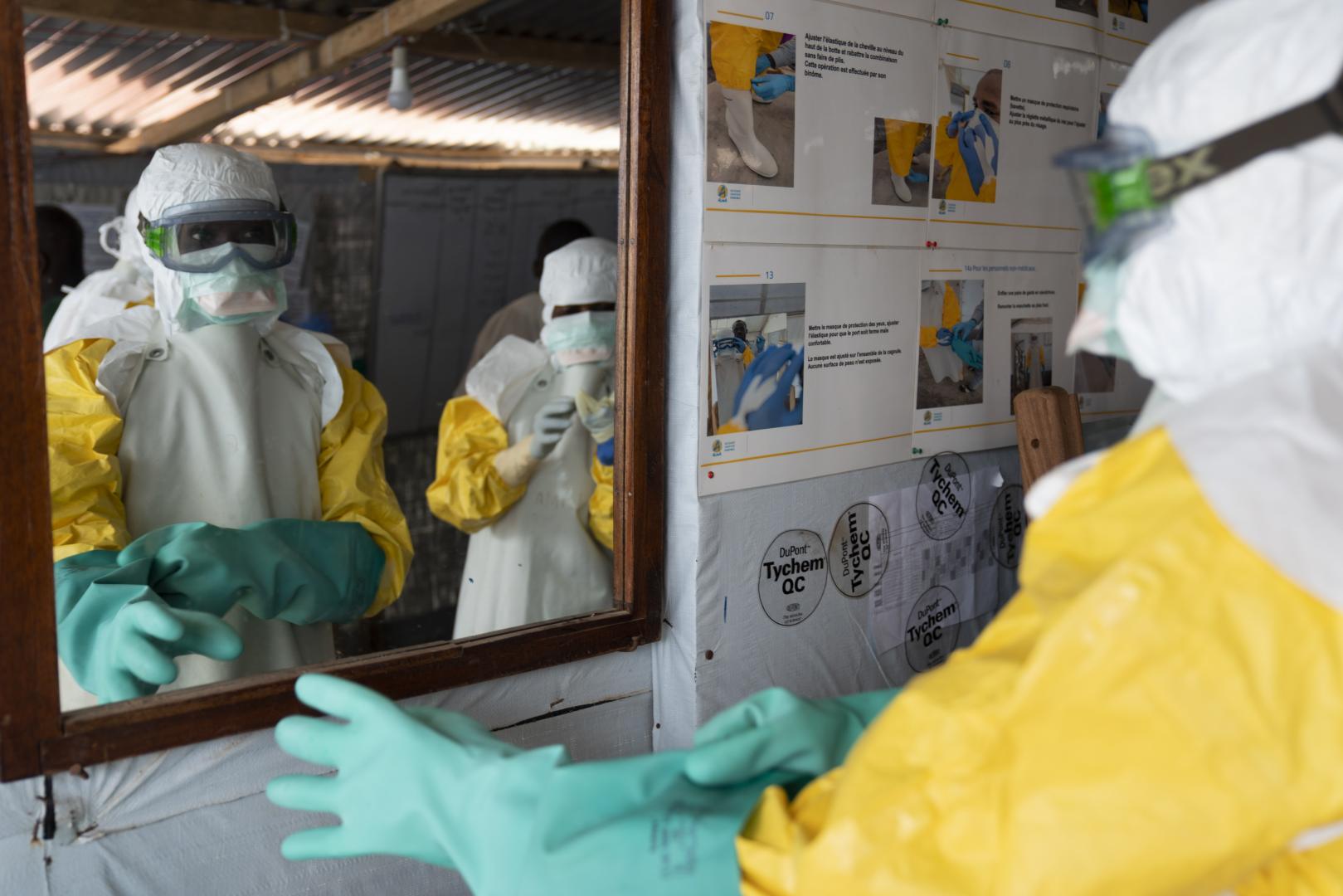
October brought major developments across Nigeria’s health sector, with the confirmation of an Ebola case in Abuja prompting renewed disease surveillance, contact tracing and emergency response measures.
The month also saw growing concerns over Nigeria’s dependence on imported pharmaceutical ingredients, child malnutrition and challenges affecting maternal and child healthcare.
Beyond Nigeria, the Ebola outbreak in the Democratic Republic of the Congo (DRC) continued to raise concerns about regional health security.
PREMIUM TIMES reviews some of the major health developments that shaped October.
Nigeria confirms first Ebola case in over a decade
Nigeria confirmed its first Ebola case since 2014 on 20 October, involving a 42-year-old Ugandan-born woman living in Abuja who recently returned from Uganda.
The confirmation prompted contact tracing, heightened surveillance and infection prevention measures across healthcare facilities.


The Nigeria Centre for Disease Control and Prevention (NCDC) initially identified 44 close contacts, with the number increasing as investigations continued.
Ebola patient evacuated to Switzerland
Nigeria’s confirmed Ebola patient and her husband were medically evacuated to Switzerland on 26 October after the patient received treatment in isolation in Abuja.
The patient was transferred to Geneva University Hospitals, while her husband was placed in isolation at University Hospital Zurich.
Following the evacuation, the World Health Organisation (WHO) said Nigeria had no active confirmed Ebola case, although surveillance and monitoring of exposed contacts continued.
NCDC expands health declarations for international travellers
The NCDC expanded the health declaration requirement to all international travellers after confirming Ebola in Abuja.
The agency said the measure was intended to strengthen screening at points of entry and support the early identification of potential infections.
It also urged healthcare facilities to isolate suspected cases promptly and strengthen infection prevention measures.
Suspected Ebola cases in Adamawa test negative
Two suspected Ebola cases identified in Adamawa State tested negative after two rounds of laboratory testing, the NCDC announced on 31 October.
The suspected cases involved a 34-year-old pilot and his wife, a medical doctor, who were admitted to an isolation facility at the Modibbo Adama University Teaching Hospital in Yola after developing symptoms suggestive of Ebola.
The agency said the Abuja case remained Nigeria’s only laboratory-confirmed Ebola infection during the outbreak.
FG clarifies N10 billion emergency disease response funding
The NCDC said the N10 billion emergency intervention fund approved by the federal government was intended to strengthen preparedness and response to Ebola, Lassa fever and other emerging infectious diseases.
The agency explained that the funding would support surveillance, laboratory diagnosis, protective equipment, emergency operations and rehabilitation of isolation facilities.
The clarification came amid questions over how the emergency allocation was being utilised following the confirmation of Ebola in Abuja.
Child malnutrition admissions rise in North-east
The International Committee of the Red Cross (ICRC) reported an 18 per cent increase in malnutrition admissions at 10 supported health facilities in North-east Nigeria.
The facilities recorded nearly 20,000 admissions between January and September 2026, compared with about 17,000 during the same period in 2025.
Children, pregnant women and breastfeeding mothers were among those most affected, highlighting the continuing impact of insecurity and food shortages on vulnerable communities.
FG partners US foundation to mobilise $1 billion against malnutrition
The federal government announced a partnership with the US-based Operation End Starvation initiative to mobilise more than $1 billion to address child malnutrition and starvation-related deaths across sub-Saharan Africa.
Nigeria was identified as a priority country under the initiative, which aims to mobilise funding over two years.
The government said the partnership would complement existing interventions addressing hunger and acute malnutrition among children, pregnant women and breastfeeding mothers.
Imported drug ingredients raise medicine security concerns
Health and pharmaceutical stakeholders warned that Nigeria’s dependence on imported active pharmaceutical ingredients (APIs) could undermine medicine security and expose the country to global supply disruptions.
At a meeting organised by Nigeria Health Watch in partnership with the World Bank Group, stakeholders called for increased domestic production of essential pharmaceutical ingredients.
They identified inadequate infrastructure, unreliable electricity, financing constraints and regulatory challenges as major barriers to local manufacturing.
WHO warns of widespread undiagnosed diabetes in Africa
The WHO raised concerns over the growing diabetes burden in Africa, warning that about 75 per cent of people living with the condition in the region remain undiagnosed.
The organisation said an estimated 24.6 million adults aged between 20 and 79 were living with diabetes in the African region.
The findings renewed concerns about limited screening, delayed diagnosis and access to treatment for non-communicable diseases.
Ebola outbreak worsens in DR Congo
The Ebola outbreak in the DRC continued to spread during October, with confirmed cases surpassing 10,000 and deaths approaching 5,000.
The WHO reported 10,274 confirmed cases and 4,992 deaths in the country as of 28 October.
The outbreak, which also affected other African countries, intensified concerns about cross-border transmission, surveillance capacity and regional preparedness.
Discover more from Premium Times Nigeria
Subscribe to get the latest posts sent to your email.
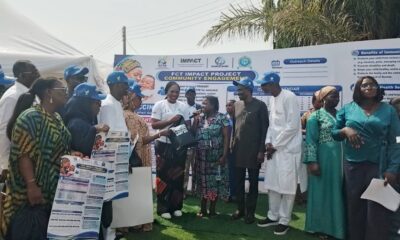





The Federal Capital Territory Administration (FCTA) says it has upgraded 20 primary healthcare centres (PHCs) across the six area councils as part of efforts to expand access to healthcare, particularly for women, children and vulnerable residents.
The administration is also providing free maternal healthcare, emergency transportation, health insurance and incentives to encourage pregnant women to deliver in recognised health facilities.
The interventions were highlighted during a community engagement at the Owner Occupier PHC in Kubwa, Abuja, attended by government officials, development partners, community leaders and residents.
The engagement was supported by the World Bank-funded Immunisation Plus and Malaria Progress by Accelerating Coverage and Transforming Services (IMPACT) project.
Speaking at the event, the Mandate Secretary, FCT Health Services and Environment Secretariat, Dolapo Fasawe, said the administration was addressing factors contributing to maternal deaths, including delays in reaching health facilities, inability to afford treatment and difficulties accessing emergency transportation.
Ms Fasawe said the 20 PHCs had been upgraded to Tier 2 standard, with electricity, water, staff accommodation, medical equipment and essential medicines to support round-the-clock services.
According to her, the facilities provide maternal and child healthcare, immunisation, nutrition services, breastfeeding education, malaria testing and treatment, and emergency referrals.
Free maternal care, emergency transportation
Ms Fasawe said the administration had strengthened emergency medical transportation to help pregnant women and other patients reach health facilities without delays.
She explained that the FCT Emergency Medical Services and Ambulance System (FEMSA) was linked to the national emergency response system, while commercial drivers and transport workers were being engaged to assist during medical emergencies.
Under the arrangement, participating drivers receive enhanced fares for transporting patients to health facilities.
She said the intervention complemented rural emergency and maternal transportation services for pregnant women and children under five, including referrals to higher-level facilities when necessary.
The administration is also providing free maternal healthcare and one-year health insurance coverage to eligible residents.
Ms Fasawe said health insurance enrolment in the FCT had increased by nearly 70 per cent, attributing the growth to improved access to services and public confidence in the system.
She explained that the insurance covered healthcare services in government facilities and selected private hospitals.
To encourage institutional childbirth, she said women delivering at recognised FCT health facilities were entitled to baby-care kits containing clothes, caps, bibs, gloves, socks, towels and soap.
The administration also provides delivery kits, commonly called mama kits, containing medical supplies such as gloves, cord clamps, drips and other essentials needed for childbirth.
According to her, the intervention is intended to reduce the financial burden on expectant mothers and encourage safe deliveries.
Funding and malaria reduction
On sustaining the upgraded facilities, Ms Fasawe said the administration was prioritising healthcare workers’ welfare and facility-level funding through the Basic Health Care Provision Fund (BHCPF).
She said the fund supported the purchase of medicines, operational expenses and treatment for patients unable to afford healthcare.
Ms Fasawe also said malaria incidence in the FCT declined from 18.7 per cent in 2023 to 7.4 per cent, attributing the reduction to free testing, treatment and other health interventions.
She urged residents and community leaders to monitor health workers’ attendance, report attempts to charge for services meant to be free, and ensure facilities are properly maintained.
According to her, access to healthcare is a fundamental right, and residents should receive quality medical services regardless of their financial circumstances.
World Bank, FG interventions
A World Bank Senior Health Specialist and Task Team Leader of the IMPACT project, Onoriode Ezire, said the initiative was designed to strengthen existing government programmes rather than establish parallel healthcare systems.
Mr Ezire said the FCTA had taken ownership of several interventions introduced through the project, including emergency medical services and expanded healthcare delivery.
He explained that the World Bank was providing technical support to strengthen implementation and ensure the programmes could continue with government resources after the project ended.
READ ALSO: Wike orders crackdown on illegal hospitals, quack doctors in FCT
Also speaking, the Senior Special Assistant to the President on Community Engagement (North-Central), Abiodun Essiet, said more than 16 million Nigerians had been enrolled in health coverage since 2023.
Ms Essiet said the federal government had invested over N235 billion in PHC upgrades, with the BHCPF supporting efforts to improve at least one PHC in each ward across the country’s 774 local government areas.
She listed other interventions, including subsidised dialysis, free Caesarean sections at federal medical centres, and expanded maternal and child healthcare services.
According to her, about 48,000 women had benefited from free maternal and child healthcare packages, while 14 million girls had received the human papillomavirus (HPV) vaccine.
She added that the government was targeting 90 per cent PHC coverage by 2027 and expanding free emergency childbirth services nationwide.
Discover more from Premium Times Nigeria
Subscribe to get the latest posts sent to your email.

-

 Events2 days ago
Plateau Govt, CAN Strengthen Unity Through 2026 Christmas Carols and Praise Festival
-
Business3 days ago
FCMB Group’s profit jumps 86% on strong top-line growth
-
Health4 days ago
AMR Week: Artists, health experts use arts to raise awareness about drug resistance
-
Health3 days ago
PCN seals 261 illegal, non-compliant medicine outlets in FCT