Health
FG targets 25,000 cataract surgeries, five million spectacles by 2027

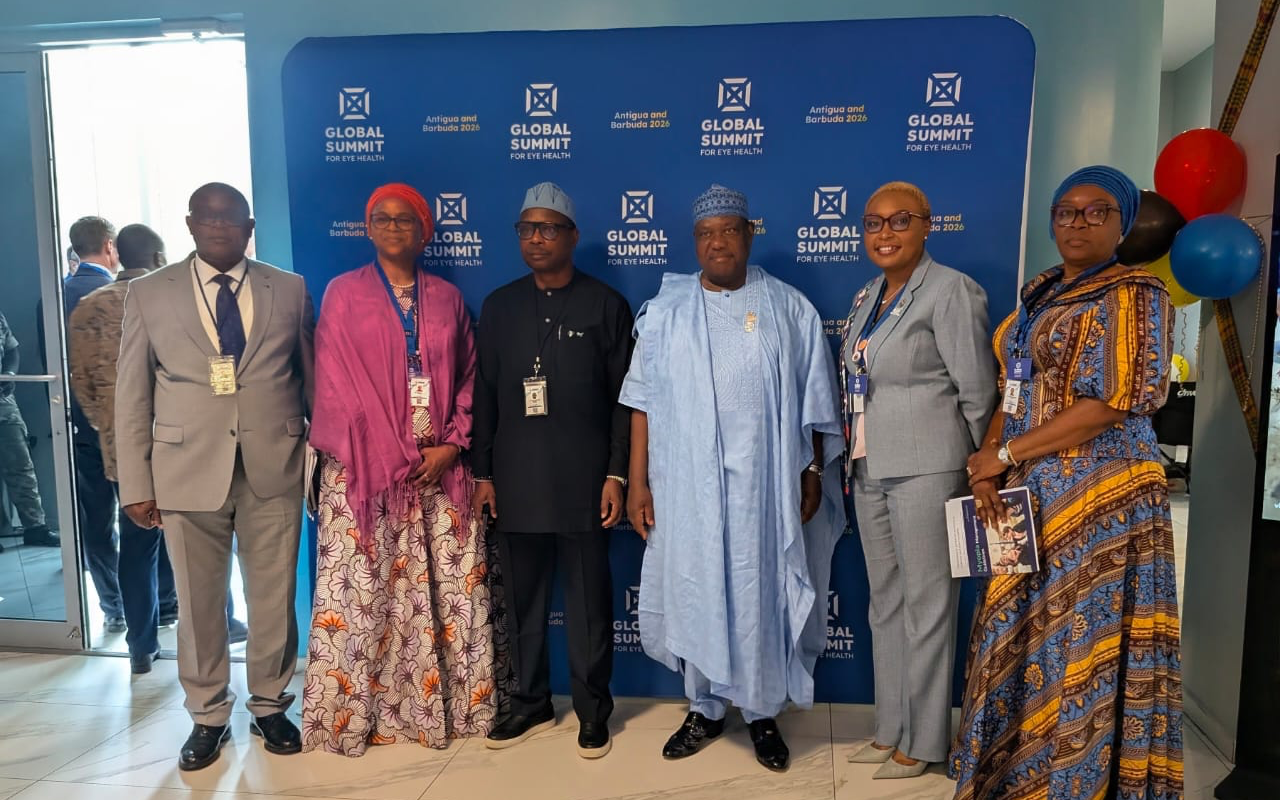
Nigeria has pledged to provide five million pairs of reading spectacles and 25,000 fully subsidised cataract surgeries by 2027 as part of efforts to expand access to eye care services nationwide.
The Minister of State for Health and Social Welfare, Iziaq Salako, announced the commitments at the Global Summit for Eye Health held in St John’s, Antigua and Barbuda, on 2 November.
Mr Salako, who delivered the closing address at the summit, said the federal government would also train 15,000 primary healthcare workers and integrate primary eye care services into the Basic Health Care Provision Fund (BHCPF).
He said the commitments formed part of Nigeria’s efforts to eliminate avoidable vision loss and expand access to quality eye care, particularly among vulnerable populations.
According to him, the government is targeting more than 25 million vulnerable Nigerians, especially women, older people and residents of underserved rural communities.
Nigeria’s eye health targets
Mr Salako said Nigeria would also work to increase its active eye care workforce by 20 per cent and raise its national Effective Cataract Surgical Coverage (eCSC) by 30 percentage points by 2030.


He said the government would mobilise domestic public and private sector resources and collaborate with Commonwealth and international partners to ensure the commitments translate into measurable progress.
Mr Salako said Nigeria’s approach would build on the Effective Spectacle Coverage Initiative Nigeria, also known as JigiBola 2.0, which draws inspiration from the JigiBola programme introduced in Lagos State about 25 years ago.
He recalled volunteering as a young medical officer during the original programme, which provided free eye screening, spectacles and cataract surgeries.
Mr Salako said the initiative was now being expanded through a national programme to improve access to eye care.
Elimination of cataract blindness
Mr Salako said one of the major outcomes of the summit was a commitment to eliminate cataract-related blindness through the World Health Organisation’s (WHO) Global Cataract Surgery Initiative, known as SEE 2045.
He said Nigeria was among the beneficiary countries under the initiative, alongside Antigua and Barbuda, Bangladesh, Tanzania and China.
According to him, the initiative makes cataract elimination the second global elimination target for a non-communicable disease in WHO history.
He urged participating countries to demonstrate that expanding access to quality cataract surgery, including in rural communities, was achievable.
Mr Salako also called for proper documentation of successes and outcomes to enable countries to share implementation strategies and address the backlog of cataract surgeries.
He said avoidable vision loss had consequences beyond individual health, affecting education, household income, road safety and national productivity.
“When a child cannot see the chalkboard, or an artisan or farmer is blinded by cataracts or uncorrected refractive errors, an entire community pays the price,” he said.
Global partnerships
Mr Salako said the summit secured $60 million in philanthropic commitments to support assistive technology, alongside 15 private-sector commitments valued at more than $468 million to accelerate eye care implementation.
READ ALSO: Nigeria needs N104bn yearly for health security plan – NCDC
He added that organisations had made about 143 other commitments beyond those made by governments.
Mr Salako said the commitments demonstrated the importance of partnerships between governments, the private sector, philanthropic organisations and international development partners in improving global eye health.
He called on participating countries to sustain the momentum generated at the summit and ensure that the commitments translated into tangible improvements for people living with avoidable vision loss.
“Let us return to our respective nations as champions of sight, holding ourselves accountable to the millions who are waiting not for miracles, but for a pair of glasses, a timely referral, or a fifteen-minute surgical intervention that can restore their world,” he said.
Discover more from Premium Times Nigeria
Subscribe to get the latest posts sent to your email.



Health
Health Review: Ebola case, child malnutrition, medicine security, other developments that shaped October
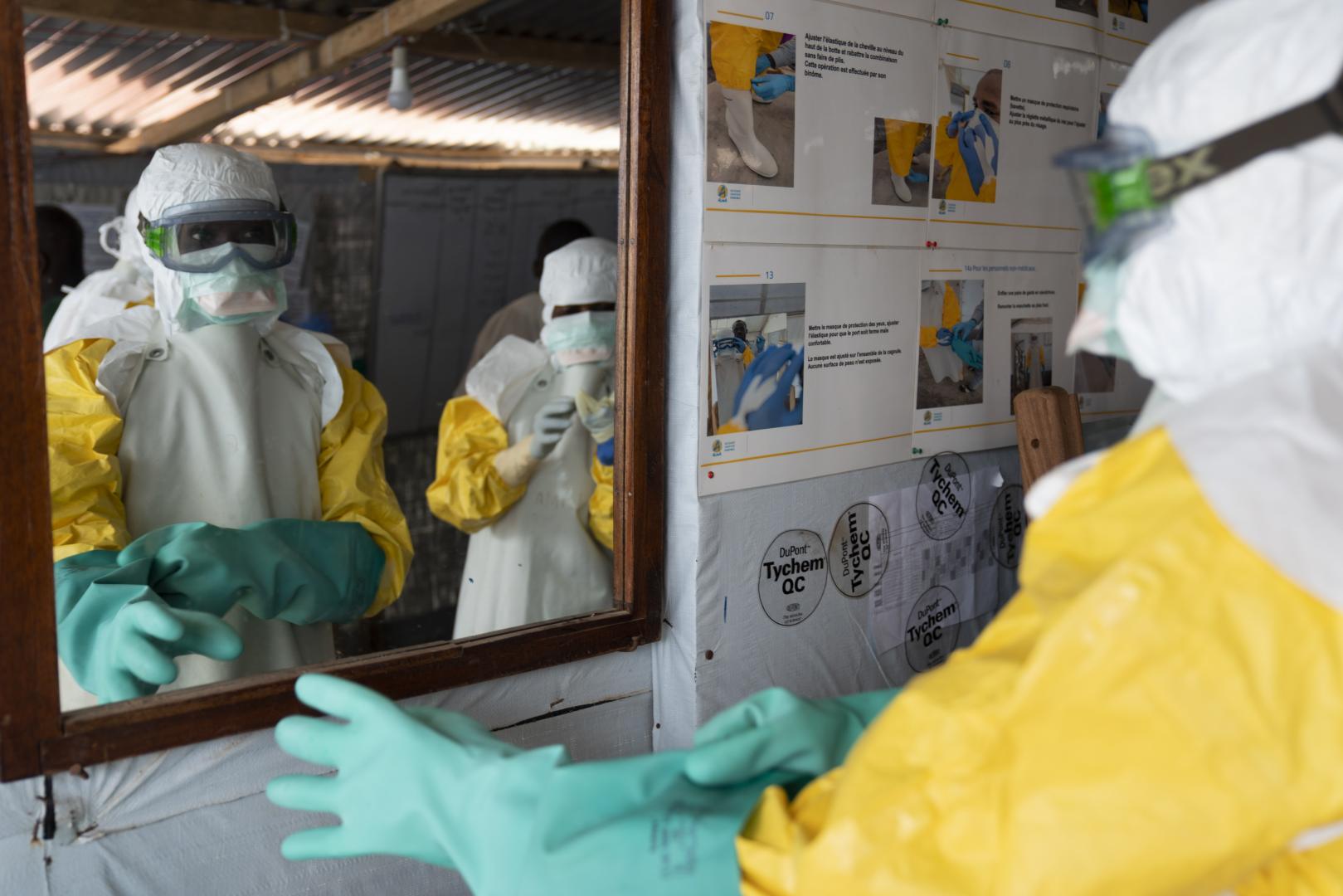
October brought major developments across Nigeria’s health sector, with the confirmation of an Ebola case in Abuja prompting renewed disease surveillance, contact tracing and emergency response measures.
The month also saw growing concerns over Nigeria’s dependence on imported pharmaceutical ingredients, child malnutrition and challenges affecting maternal and child healthcare.
Beyond Nigeria, the Ebola outbreak in the Democratic Republic of the Congo (DRC) continued to raise concerns about regional health security.
PREMIUM TIMES reviews some of the major health developments that shaped October.
Nigeria confirms first Ebola case in over a decade
Nigeria confirmed its first Ebola case since 2014 on 20 October, involving a 42-year-old Ugandan-born woman living in Abuja who recently returned from Uganda.
The confirmation prompted contact tracing, heightened surveillance and infection prevention measures across healthcare facilities.
The Nigeria Centre for Disease Control and Prevention (NCDC) initially identified 44 close contacts, with the number increasing as investigations continued.
Ebola patient evacuated to Switzerland
Nigeria’s confirmed Ebola patient and her husband were medically evacuated to Switzerland on 26 October after the patient received treatment in isolation in Abuja.
The patient was transferred to Geneva University Hospitals, while her husband was placed in isolation at University Hospital Zurich.
Following the evacuation, the World Health Organisation (WHO) said Nigeria had no active confirmed Ebola case, although surveillance and monitoring of exposed contacts continued.
NCDC expands health declarations for international travellers
The NCDC expanded the health declaration requirement to all international travellers after confirming Ebola in Abuja.
The agency said the measure was intended to strengthen screening at points of entry and support the early identification of potential infections.
It also urged healthcare facilities to isolate suspected cases promptly and strengthen infection prevention measures.
Suspected Ebola cases in Adamawa test negative
Two suspected Ebola cases identified in Adamawa State tested negative after two rounds of laboratory testing, the NCDC announced on 31 October.
The suspected cases involved a 34-year-old pilot and his wife, a medical doctor, who were admitted to an isolation facility at the Modibbo Adama University Teaching Hospital in Yola after developing symptoms suggestive of Ebola.
The agency said the Abuja case remained Nigeria’s only laboratory-confirmed Ebola infection during the outbreak.
FG clarifies N10 billion emergency disease response funding
The NCDC said the N10 billion emergency intervention fund approved by the federal government was intended to strengthen preparedness and response to Ebola, Lassa fever and other emerging infectious diseases.
The agency explained that the funding would support surveillance, laboratory diagnosis, protective equipment, emergency operations and rehabilitation of isolation facilities.
The clarification came amid questions over how the emergency allocation was being utilised following the confirmation of Ebola in Abuja.
Child malnutrition admissions rise in North-east
The International Committee of the Red Cross (ICRC) reported an 18 per cent increase in malnutrition admissions at 10 supported health facilities in North-east Nigeria.
The facilities recorded nearly 20,000 admissions between January and September 2026, compared with about 17,000 during the same period in 2025.
Children, pregnant women and breastfeeding mothers were among those most affected, highlighting the continuing impact of insecurity and food shortages on vulnerable communities.
FG partners US foundation to mobilise $1 billion against malnutrition
The federal government announced a partnership with the US-based Operation End Starvation initiative to mobilise more than $1 billion to address child malnutrition and starvation-related deaths across sub-Saharan Africa.
Nigeria was identified as a priority country under the initiative, which aims to mobilise funding over two years.
The government said the partnership would complement existing interventions addressing hunger and acute malnutrition among children, pregnant women and breastfeeding mothers.
Imported drug ingredients raise medicine security concerns
Health and pharmaceutical stakeholders warned that Nigeria’s dependence on imported active pharmaceutical ingredients (APIs) could undermine medicine security and expose the country to global supply disruptions.
At a meeting organised by Nigeria Health Watch in partnership with the World Bank Group, stakeholders called for increased domestic production of essential pharmaceutical ingredients.
They identified inadequate infrastructure, unreliable electricity, financing constraints and regulatory challenges as major barriers to local manufacturing.
WHO warns of widespread undiagnosed diabetes in Africa
The WHO raised concerns over the growing diabetes burden in Africa, warning that about 75 per cent of people living with the condition in the region remain undiagnosed.
The organisation said an estimated 24.6 million adults aged between 20 and 79 were living with diabetes in the African region.
The findings renewed concerns about limited screening, delayed diagnosis and access to treatment for non-communicable diseases.
Ebola outbreak worsens in DR Congo
The Ebola outbreak in the DRC continued to spread during October, with confirmed cases surpassing 10,000 and deaths approaching 5,000.
The WHO reported 10,274 confirmed cases and 4,992 deaths in the country as of 28 October.
The outbreak, which also affected other African countries, intensified concerns about cross-border transmission, surveillance capacity and regional preparedness.
Discover more from Premium Times Nigeria
Subscribe to get the latest posts sent to your email.
Health
EXCLUSIVE: Ebola: 34-year-old pilot, wife identified as suspected cases who tested negative in North-east Nigeria
A 34-year-old pilot and his wife, a medical doctor, were the two people investigated for suspected Ebola Virus Disease (EVD) in Adamawa State after developing symptoms including fever, vomiting, fatigue, headache, cough, bleeding gums and nosebleeds.
Although Nigerian officials said two suspected Ebola cases were being investigated in the state and eventually turned negative, their identities were not disclosed. PREMIUM TIMES can now disclose the officials’ identities, though we are redacting their names.
An internal memo from the Adamawa State Ministry of Health and Human Services, obtained exclusively by PREMIUM TIMES, said the couple were admitted to the isolation centre of the Modibbo Adama University Teaching Hospital (MAUTH), Yola, on 29 October.
The memo, dated 30 October 2026 and signed by the State Epidemiologist, Jones Kadabiyu, said the Adamawa State Public Health Emergency Operations Centre (PHEOC) received the report at 6:45 a.m. following a clinician’s report from MAUTH.
The development came as health authorities intensified surveillance following Nigeria’s confirmation of its first Ebola case in the current outbreak.
The Nigeria Centre for Disease Control and Prevention (NCDC) had on Saturday announced that two suspected Ebola cases had been identified in the North-east, but did not initially disclose the state where the cases were detected.
However, the agency later confirmed that the two suspected cases were in Adamawa, noting that the laboratory tests on samples from both individuals were negative for Ebola after two rounds of testing.
In a statement signed by its Director-General, Jide Idris, the NCDC said it was working with the Adamawa State government to investigate the suspected cases.
The agency said it isolated the two individuals and immediately activated public health measures while collecting samples for laboratory testing.
“Fortunately, the samples turned out negative for EBV after two rounds of testing,” Mr Idris said.
The NCDC said there is currently no laboratory-confirmed Ebola case in Adamawa State, adding that the previously confirmed case in the Federal Capital Territory (FCT) remains the only confirmed case in Nigeria.
What PREMIUM TIMES learnt
According to the memo, the pilot developed symptoms on 13 October, while his wife developed similar symptoms on 25 October.
The names of the two patients are contained in the documents seen by PREMIUM TIMES. However, this newspaper is withholding their identities to protect their privacy.
A preliminary report dated 31 October from Yola North Local Government Area (LGA), Adamawa State, said the pilot travelled to Kenya “for personal reasons” on 14 October and returned to Nigeria on 25 October. It said he had developed a fever before his trip and was treated for malaria.
“Prior to his departure, he reportedly developed a fever on 13 October 2026 and was treated for malaria. He reportedly remained well while in Kenya,” it noted.
However, upon returning to Yola, he developed symptoms including fever, nausea and vomiting, fatigue, headache, cough, bleeding gums and nosebleeds. His wife subsequently developed similar symptoms after caring for him at home.
They were both admitted at the MAUTH isolation centre.
The state health authorities collected samples from both patients on 30 October and transported them to the National Reference Laboratory for testing, according to the report.
Contacts traced
The memo report said 18 contacts had been identified, traced and line-listed, while the preliminary report dated 31 October put the number at 17.
The PHEOC also notified the State Rapid Response Team, the State NCDC office, Local Government Disease Surveillance and Notification Officers, the World Health Organisation (WHO) and UNICEF.
The state health authorities recommended continued contact tracing, infection prevention and control measures, enhanced surveillance and coordination with relevant authorities.
The NCDC has urged Nigerians to remain calm and avoid spreading unverified information.
It also advised people who develop symptoms such as fever, severe weakness, headache, muscle pain, vomiting, diarrhoea or unexplained bleeding, particularly after a relevant exposure, to seek immediate medical attention.
READ ALSO: Ebola: Saudi Arabia suspends travel to Kenya, halts visa issuance
Ebola outbreak
Nigeria is one of five countries that have detected Bundibugyo virus disease during the current outbreak, which began in the Democratic Republic of the Congo (DRC) in May.
The outbreak has remained concentrated in the DRC but has spread beyond the country.
Nigeria’s first confirmed case of Ebola in 2026 was a woman who travelled from Uganda to Abuja and tested positive on 20 October. She was subsequently medically evacuated to Switzerland for continued treatment.
The NCDC’s latest situation report said 62 contacts linked to Nigeria’s confirmed case had been identified and were being monitored.
The Coordinating Minister of Health and Social Welfare, Muhammad Pate, had said genomic analysis showed that the virus detected in the Nigerian patient was closely related to the strain identified in Kenya’s first imported case. He, however, said the finding did not establish that the Nigerian patient was infected in Kenya.
WHO’s latest update reported 10,274 confirmed cases and 4,992 deaths in the DRC as of 28 October. Kenya had recorded nine confirmed cases and two deaths, while Nigeria had one confirmed case at the time of the update.
Ebola is a viral disease that can cause severe illness and spreads mainly through direct contact with the blood or other body fluids of an infected person.
Discover more from Premium Times Nigeria
Subscribe to get the latest posts sent to your email.
-

 News4 days ago
Nvidia weighs playing the cosigner for Nscale’s AI data center in West Virginia
-
Health3 days ago
Ebola: No new cases in Nigeria as two suspected cases in North-east test negative
-
News1 day ago
Plateau APC 2027 Campaign Council inaugurated today in Jos
-
News2 days ago
Plateau Igbo Community Ends Leadership Crisis, Elects Johnson Nwosu as Eze Igbo IV