Business
Nearly 90% of Nigerian Adults Support Methane Emission Cuts – Report

Nearly 90 per cent of Nigerian adults support measures to reduce methane emissions, one of the most potent greenhouse gases contributing to global warming, a new survey has found.
The figure represents a 17-percentage-point increase from the 72 per cent recorded in 2024. The survey also found that more than half (53 per cent) of Nigerian adults are very concerned about climate change.
The Global Methane Hub (GMH) commissioned the survey in collaboration with the Yale Program on Climate Change Communication (YPCCC), and it was published on 29 October.
Conducted across Nigeria and 17 other countries, the international survey sought to measure public awareness of climate change and methane emissions, and to examine attitudes towards solutions for reducing methane pollution.
The findings show that concern is even greater regarding immediate environmental threats. About 67 per cent of Nigerian respondents said they were very concerned about poor water quality, while 60 per cent expressed similar concerns about flooding and access to drinking water. Another 55 per cent were very concerned about poor air quality.
Researchers said the findings reflect the growing effects of climate change in Nigeria, where increasingly intense rainfall and flooding are putting communities, infrastructure and water systems at risk.


The findings also reinforce concerns PREMIUM TIMES has repeatedly highlighted about methane emissions across Nigeria’s oil and gas sector and their consequences for the lives and livelihoods of communities in oil-producing areas.
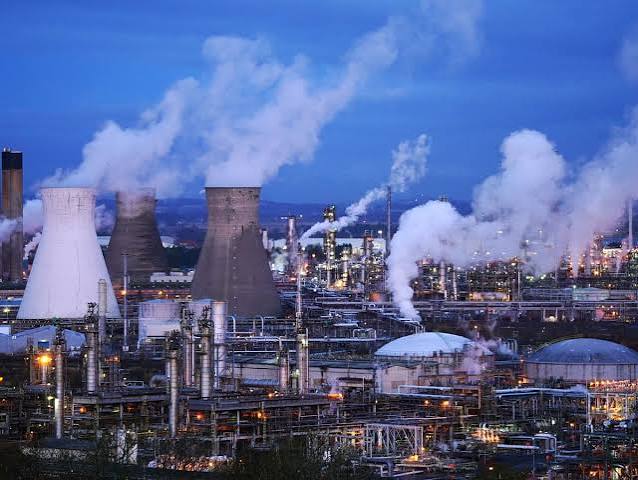
Nigeria faces significant methane emission challenges, largely driven by oil and gas production, routine gas flaring, venting and ageing infrastructure. Concerns have also persisted over the enforcement of regulations governing gas flaring and methane emissions.
Methane leaks and routine gas flaring in the Niger Delta have been linked to environmental pollution, contamination of local water sources, damage to farmlands and respiratory health risks.
In Bille, Rivers State, for instance, severe methane bubbling and contamination of water wells have reportedly created acute health and safety concerns for residents.
The continued burning and venting of associated gas also represents a significant economic loss, as billions of cubic feet of gas that could otherwise be captured and commercialised are wasted annually.
Growing environmental concerns
In July, heavy rainfall triggered widespread flooding across parts of Nigeria, including Lagos, as saturated soils increased the risk of flash floods. Authorities also warned that 27 states could be affected.
As the rainy season intensified, authorities subsequently placed 14 states on flood alert, highlighting the growing risks facing communities already struggling with flooding, deteriorating water quality and limited access to safe drinking water.
Methane is a short-lived climate pollutant and one of the most effective targets for slowing global warming in the near term. It is more than 80 times as potent as carbon dioxide over 20 years.
Reducing methane emissions can also deliver significant public health and economic benefits, including improved air quality and reduced pollution exposure.
“As flooding and water challenges put greater pressure on communities across Nigeria, the case for tackling methane is becoming increasingly clear,” said Marcelo Mena, Chief Executive Officer of the Global Methane Hub.
“This survey shows strong and growing support for methane action, with nearly nine in ten Nigerians now supporting efforts to reduce emissions. In the oil and gas sector, for example, cutting methane leaks, venting and flaring reduces pollution and safety risks for nearby communities while helping slow warming.
“It also makes Nigerian oil and gas more competitive, as buyers in markets like Europe increasingly demand lower-methane supply.”
Tengi George-Ikoli, Nigeria Country Manager at the Natural Resource Governance Institute (NRGI), said Nigerians had legitimate reasons to be concerned about methane emissions and their effects on health, the environment and livelihoods.
“Nigerians are right to be concerned about methane emissions and the harm they cause to health, environments and livelihoods,” she said.
“In parts of the Niger Delta, those costs are already being felt, so communities are justified in calling for stronger enforcement of environmental regulations and for clear mechanisms to prevent, mitigate and respond to methane-related harm.
“As Nigeria expands its use of gas, reducing methane emissions must remain a priority to support liveable communities, protect vulnerable populations and help the country meet its climate commitments.”
Anthony Leiserowitz, Director of the Yale Program on Climate Change Communication, said understanding public awareness and perceptions was essential to effective communication and policymaking.
“Understanding what people know and think is essential to effective public communication and policymaking,” he said.
“Methane reduction is one of the fastest ways to limit global warming, making it critical that the public understands both the challenge and the solutions.
“This research helps provide the data needed to identify public knowledge gaps, strengthen communication campaigns, and help informed citizens participate in these climate change solutions.”
Key findings of the survey
The survey found that 69 per cent of Nigerian respondents believe climate change is caused by human activities, while 89 per cent support measures to reduce methane emissions.
It also found that nearly two-thirds (64 per cent) of respondents were familiar with methane.
Oil and gas companies were identified as both significant contributors to climate change and important actors capable of addressing it.
About 57 per cent of respondents ranked oil and gas companies among the three entities most responsible for climate change, while 78 per cent considered them very capable of making meaningful changes.
Nigerians want industries to address climate change
The findings show broad support for reducing methane emissions across the three major sectors responsible for most human-caused methane pollution: agriculture, waste and energy.
In agriculture, 84 per cent of respondents supported efforts to minimise methane emissions, while 88 per cent backed measures to reduce emissions from waste disposal.
Similarly, 88 per cent supported reducing methane emissions from energy production.
Overall, the 89 per cent support for methane reduction matched the proportion of respondents who backed broader climate action.
The report said the findings demonstrate widespread public support for industry-led interventions and stronger environmental protections.
It also noted that Nigerians see corruption as a major obstacle to enforcing environmental regulations effectively.
With strong majorities supporting methane reduction across all three sectors, the report said policymakers and industries have an opportunity to advance solutions that reduce pollution while strengthening environmental accountability.
Global support for methane reduction remains strong
The international survey covered 18 countries across four continents: Brazil, China, Denmark, Ethiopia, Germany, Greece, Indonesia, Italy, Malaysia, Morocco, Nigeria, Paraguay, South Africa, South Korea, Spain, the United Arab Emirates, the United Kingdom and Uruguay.
The online survey gathered responses from 12,189 adults, including at least 700 respondents in Nigeria.
Participants were asked questions about their perceptions of climate change, environmental concerns, awareness of methane emissions and support for specific policies to reduce methane pollution.
Across the countries surveyed, 85 per cent of respondents supported action to reduce methane emissions, indicating widespread international backing for efforts to tackle the pollutant.
Support was particularly strong in Asia, Africa and Latin America, reaching 94 per cent in South Korea, 91 per cent in Malaysia, 90 per cent in China and Brazil, and 89 per cent in Nigeria and South Africa.
The findings also showed that respondents who reported experiencing greater climate change impacts were more likely to support measures to reduce methane emissions.
Across regions, respondents expressed concern about the tangible effects of climate change in their communities, including extreme heat, wildfires, drought, flooding and deteriorating water quality.
Waste emerged as a particularly prominent area for methane reduction in several countries, alongside strong support for interventions in the energy and agriculture sectors.
The report further highlighted public expectations for governments and industries to take greater responsibility for reducing methane emissions.
Why reducing methane is critical to tackling climate change
The report described methane reduction as one of the fastest ways to slow global warming in the near term.
Methane accounts for approximately 30 per cent of the warming experienced since pre-industrial times and is more than 80 times as powerful as carbon dioxide over 20 years.
Unlike carbon dioxide, which can remain in the atmosphere for centuries, most methane breaks down within approximately a decade.
According to the report, cutting human-caused methane emissions by 45 per cent this decade could prevent nearly 0.3 degrees Celsius of warming by 2045, helping to keep international climate commitments within reach.
Reducing methane emissions would also improve air quality, protect agricultural production, create jobs, strengthen food systems, reduce health risks, and improve community resilience.
The report stressed that because methane pollution crosses national borders, coordinated action among governments, businesses, researchers and communities is essential to achieving significant reductions.
Melissa Bell, Senior Vice President of Research at Global Strategy Group, GMH’s research partner, said the consistent findings across countries demonstrated sustained public support for methane reduction.
“The consistency of these findings sends a clear signal: support for reducing methane emissions is strong and sustained,” she said.
“People are concerned about the impacts of climate change, they support action across the major sources of methane emissions, and they expect those with the greatest ability to make a difference to take responsibility.”
Survey methodology
Global Strategy Group conducted the 10-minute online survey between 3 and 25 August 2026. The questionnaire was translated into 13 languages and administered across Europe, South America, Africa and Asia.
READ ALSO: Nigeria renews 2030 gas flaring pledge despite enforcement, methane monitoring gaps
Responses were collected from adults aged 18 and above who currently reside in the participating countries and have internet access.
The researchers applied weights for age, gender, geographical location, and education to ensure the samples represented adults with internet access in each country.
At least 700 responses were collected in 15 countries, including Nigeria, South Africa, China, Indonesia, Malaysia, South Korea, Morocco, Brazil, Denmark, the United Kingdom, Germany, Greece, Spain, Italy and the United Arab Emirates.
The margin of error was ±3.7 per cent in these countries, except Morocco and Brazil, where it was ±3.6 per cent.
In Ethiopia, Paraguay and Uruguay, at least 400 responses were collected, with margins of error of ±4.9 per cent, ±4.5 per cent and ±3.9 per cent, respectively.
Discover more from Premium Times Nigeria
Subscribe to get the latest posts sent to your email.





The Nigeria Police Force (NPF) has declared nine business executives, including Nestoil Chairman Ernest Azudialu-Obiejesi and Sahara Group’s Executive Director Tope Shonubi, wanted over an alleged threat to the life of First Bank of Nigeria Managing Director (MD), Olusegun Alebiosu.
The police said that the executives were declared wanted after they failed to honour a police invitation to appear for questioning as part of an investigation into the alleged delivery of a dangerous parcel to Mr Alebiosu.
In an investigation update shared with PREMIUM TIMES on Tuesday, the Assistant Inspector-General of Police in charge of Zone 2, Moshood Jimoh, disclosed that 10 people were invited for questioning, but only one, Eze Emmanuel of Energy Shield Petrochemical Limited, appeared on 12 November.
“The remaining suspects have up till date refused to honour the police investigation. The investigation into the serious threat on the life of the complainant and his family cannot be left unresolved; therefore, all the remaining nine (9) suspects… are hereby declared wanted,” Mr Jimoh wrote.
The others declared wanted are Henry Ojogho of Broron Limited; Emmanuel Iheagwazi of Necit Nigeria Limited; Eze David of Energy Shield Petrochemical Limited; Mr Shonubi of Sahara Group; Mr Azudialu-Obiejesi and Nnenna Azudialu-Obiejesi of Nestoil; Emmanuel Orim and Victoria Orim of Luzen Plaza; and Nduka Obaigbena of General Hydrocarbon Limited.
The police asked anyone with information about their whereabouts to report to the nearest police station.
How the investigation began
According to the statement, the case arose from an incident on 7 May, when a parcel disguised as a gift package was delivered to Mr Alebiosu’s official residence.
The police said that the package was brought by a dispatch rider whose identity and that of the sender were unknown. When it was opened the following morning, two rounds of 7.62mm ammunition and what investigators described as a live explosive were found inside.
The statement noted that Mr Alebiosu reported the discovery to the police, who began an investigation involving detectives, ballistic experts and forensic specialists.
Mr Jimoh explained that the police linked the incident to disputes arising from First Bank’s efforts to recover loans from customers whose debts ran into billions of naira and dollars.
He alleged that some customers had confronted Mr Alebiosu and other bank representatives and threatened them during meetings attended by personnel of other security agencies involved in the debt recovery process.
The police said the threats preceded the delivery of the parcel and that the 10 individuals were invited to establish whether they had any connection with the incident.
The statement noted that the police sent invitation letters dated 5 November to the wanted individuals and asked them to appear on 12 November.
Citing Section 8 of the Firearms Act, which prohibits the possession or control of ammunition without a licence, the police said they would continue the investigation and bring anyone found culpable to justice.
However, the statement did not identify the individuals who allegedly made the threats or explain the evidence linking each of the nine executives to the incident. It also did not establish whether all of them were among the customers involved in the loan recovery disputes.

Earlier police account
When PREMIUM TIMES first reported the incident, the Lagos State Police Command confirmed that it was investigating the parcel.
The Commissioner of Police in Lagos State, Tijani Fatai, disclosed this during a press briefing at the police headquarters in Ikeja.
READ ALSO: Nestoil pays further $40 million to lenders after EFCC intervention
He noted that no suspect had been arrested.
“Well, there is a case like that which we are presently investigating… when he opened the parcel, he saw two live rounds of ammunition,” Mr Fatai said.
“Presently, no suspects in custody… we are still working on it.”
Mr Fatai also stated that Mr Alebiosu had given investigators the names of people he suspected, although the police had yet to establish their involvement.
At the time, security sources revealed that domestic security personnel at the Ikoyi residence received the package before it was opened. The parcel reportedly bore the managing director’s name but had no identifiable details of the sender.
A senior police officer at the State Criminal Investigation Department, Panti, also said investigators were reviewing closed-circuit television footage around Ikoyi to identify the dispatch rider and trace the delivery.
The Lagos State Police Command spokesperson, Abimbola Adebisi, subsequently confirmed that the SCID had taken over the investigation.
The police have yet to publicly identify the sender of the parcel or establish who was behind the alleged threat.
The individuals declared wanted by the police have yet to issue statements at the time of this report.
Discover more from Premium Times Nigeria
Subscribe to get the latest posts sent to your email.
-

 Events3 days ago
Plateau Govt, CAN Strengthen Unity Through 2026 Christmas Carols and Praise Festival
-
News2 days ago
Suspected Gunmen Set Plateau Secondary School Ablaze in Bokkos
-
News3 days ago
Gunmen kill 60-year-old security guard, shoot two in Plateau
-
Health2 days ago
WHO Reports 26.3 Million People Living with HIV in Africa