Health
British national tests positive for Ebola in DRC

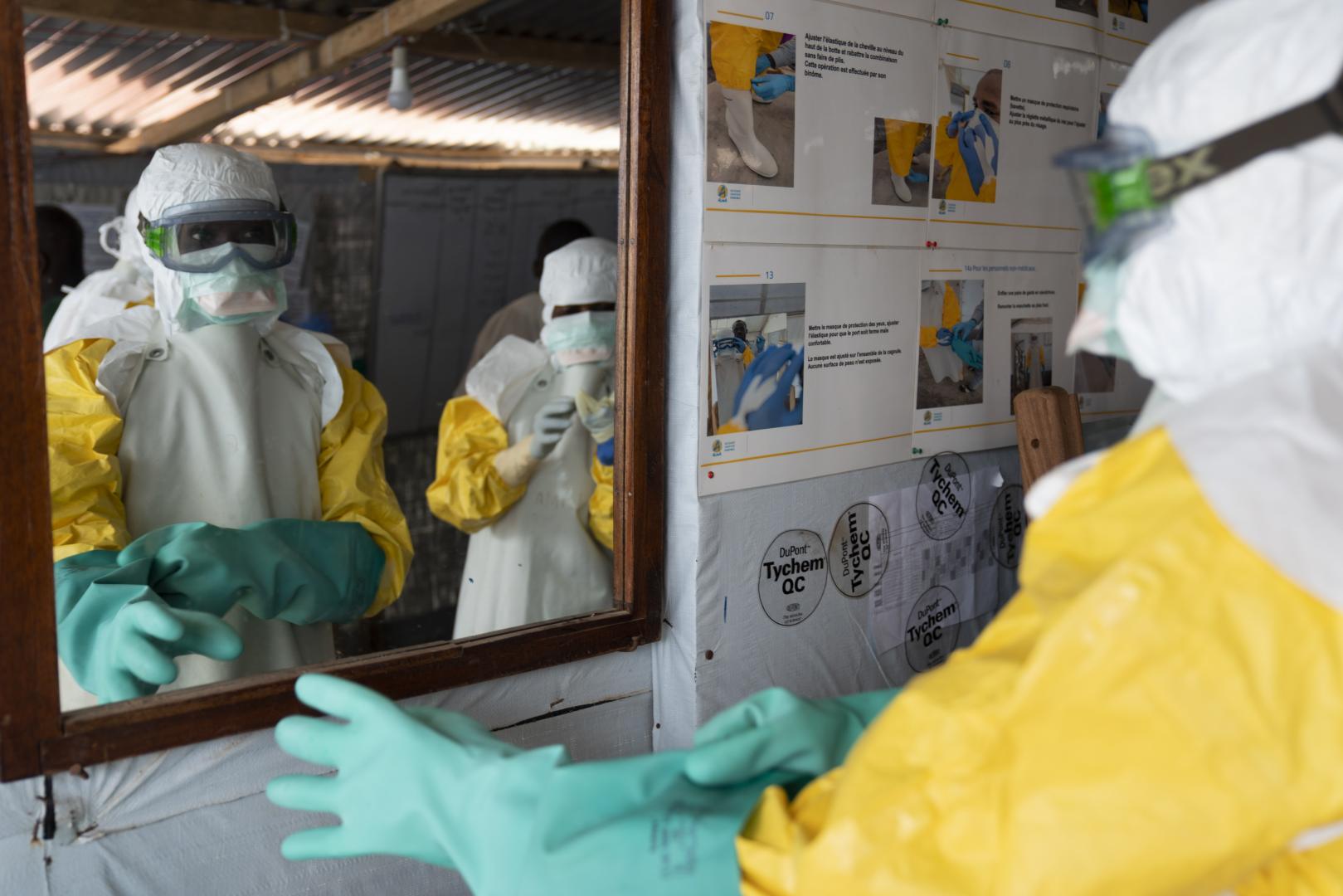
A British national has tested positive for Ebola in the Democratic Republic of the Congo (DRC), the UK government has confirmed.
According to the BBC, the British man tested positive for the virus while in the DRC. Reuters subsequently reported that he would be medically evacuated to the UK for specialist treatment. However, the exact time of the evacuation was not immediately known.
This marks the first confirmed case of a British national contracting the virus during the ongoing outbreak in the DRC, which has claimed more than 5,000 lives.
Ebola is a viral disease that can cause severe illness and spreads mainly through direct contact with the blood or other bodily fluids of an infected person.
Symptoms include fever, headache, vomiting, muscle pain, weakness, and diarrhoea.
“The UK has well-established procedures for dealing with cases like this, and those processes have been activated,” a UK government spokesperson was quoted as saying.


“Further information will be shared in due course as appropriate. The risk to the UK public from Ebola remains low.”
Ebola outbreak
The current outbreak is caused by the Bundibugyo virus, a species of Ebola virus, and was first declared in DRC in May 2026.
According to the latest figures from the United States Centres for Disease Control and Prevention (CDC), the outbreak had recorded 10,563 confirmed cases and 5,130 deaths across five countries as of 1 November 2026.
The DRC accounts for the majority of the cases, with 10,532 confirmed cases and 5,126 deaths. The outbreak has affected eight provinces in the country.
Kenya has recorded nine confirmed cases and two deaths, while Uganda has recorded 20 confirmed cases and two deaths, alongside one probable case and one probable death.
Nigeria confirmed its first case on 20 October after a traveller with a history of travel to Uganda tested positive for the virus. The patient was subsequently medically evacuated to Switzerland for treatment.
READ ALSO: Resident doctors commend Uba Sani for prioritising healthcare workers’ welfare
According to the European Centre for Disease Prevention and Control (ECDC), 62 contacts linked to the Nigerian case had been identified and were under follow-up as of 29 October.
Symptoms and transmission
The World Health Organisation (WHO) has explained that Ebola survivors may transmit the virus through sexual intercourse if it persists in their semen after recovery.
However, survivors who have met the criteria for discharge from treatment are not expected to transmit the virus through sweat or saliva, as the virus is cleared from their blood.
Discover more from Premium Times Nigeria
Subscribe to get the latest posts sent to your email.





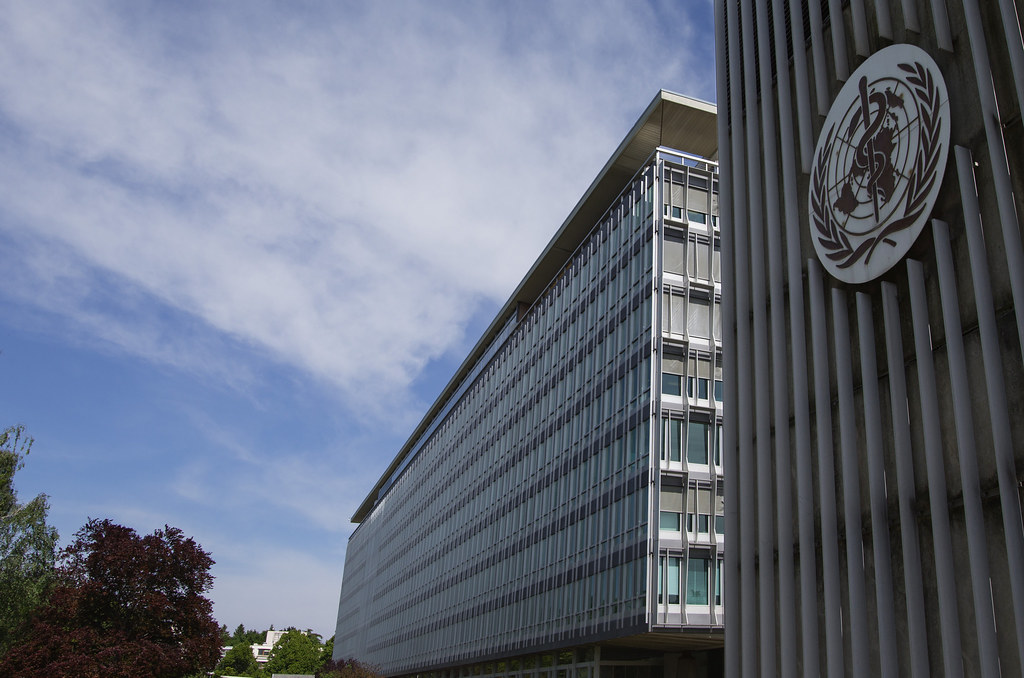
Six proven climate and health interventions could prevent 1.6 million deaths annually and generate trillions of dollars in economic benefits if implemented globally, the World Health Organisation (WHO) has revealed.
The measures, which include heat-health warning systems, access to safe water and sanitation, cleaner household energy and more efficient fossil fuel pricing policies, could generate $3.9 trillion in annual economic welfare benefits and a further $5.4 trillion in fiscal gains.
The WHO disclosed this in a new report titled ‘Global benefits and costs of prioritised actions on climate change and health’, released ahead of the 31st United Nations Climate Change Conference (COP31), where countries are expected to present their climate commitments.
According to the report, the six interventions could prevent one in every 40 deaths globally, based on modelled projections, while avoiding 16.7 billion tonnes of carbon dioxide emissions annually.
The estimated emissions reduction is equivalent to 31 per cent of global annual greenhouse gas emissions, excluding emissions from land use, land-use change and forestry.
The report, which the WHO described as its first comprehensive assessment of the economic and fiscal returns from scaling up the six recommended interventions, highlights the potential health and financial gains of integrating public health considerations into climate policies.
It argues that many health consequences of climate change are preventable through existing solutions, but governments must implement them across health and other sectors that determine people’s health.
Six interventions
The report identifies six interventions: heat-health warning systems, climate-resilient drinking-water services, basic sanitation services, hygiene and handwashing facilities, cleaner household fuels and technologies for cooking and heating, and efficient fossil fuel pricing policies.
The WHO estimates that five of the interventions could generate $24 in benefits for every $1 invested, with returns expected to be greater in low- and middle-income countries.
Heat-health warning systems are projected to deliver particularly high returns, generating an estimated $835 in benefits for every $1 invested.
The report attributes the high returns to the relatively low cost of expanding existing warning systems and their potential to prevent heat-related illnesses.
Efficient fossil fuel pricing policies, however, are projected to deliver the largest overall gains.
Such policies, including removing inefficient fossil fuel subsidies and appropriately taxing fossil fuels, could prevent 1.2 million deaths annually while generating $3 trillion in economic welfare benefits and $5.4 trillion in fiscal gains.
Health at the centre of climate action
Commenting on the findings, WHO Director-General Tedros Ghebreyesus said the climate crisis was also a health crisis, but many of its consequences could be prevented using existing interventions.
READ ALSO: WHO raises alarm as 75% of diabetes cases in Africa remain undiagnosed
He said expanding proven and affordable interventions could save millions of lives, particularly in countries with the greatest need.
“The climate crisis is a health crisis, but much of the harm it causes can be prevented with tools we already have,” he said.
Mr Ghebreyesus urged governments to place health considerations at the centre of climate action as they prepare for the next round of international climate negotiations.
The WHO said countries were already experiencing record-breaking climate shocks in 2026, investing in measures that protect human health and the environment increasingly urgent.
The health body called on governments, development partners and financing institutions to use the economic evidence to scale up the interventions, noting that they could deliver simultaneous benefits for public health, climate mitigation and national economies.
Discover more from Premium Times Nigeria
Subscribe to get the latest posts sent to your email.
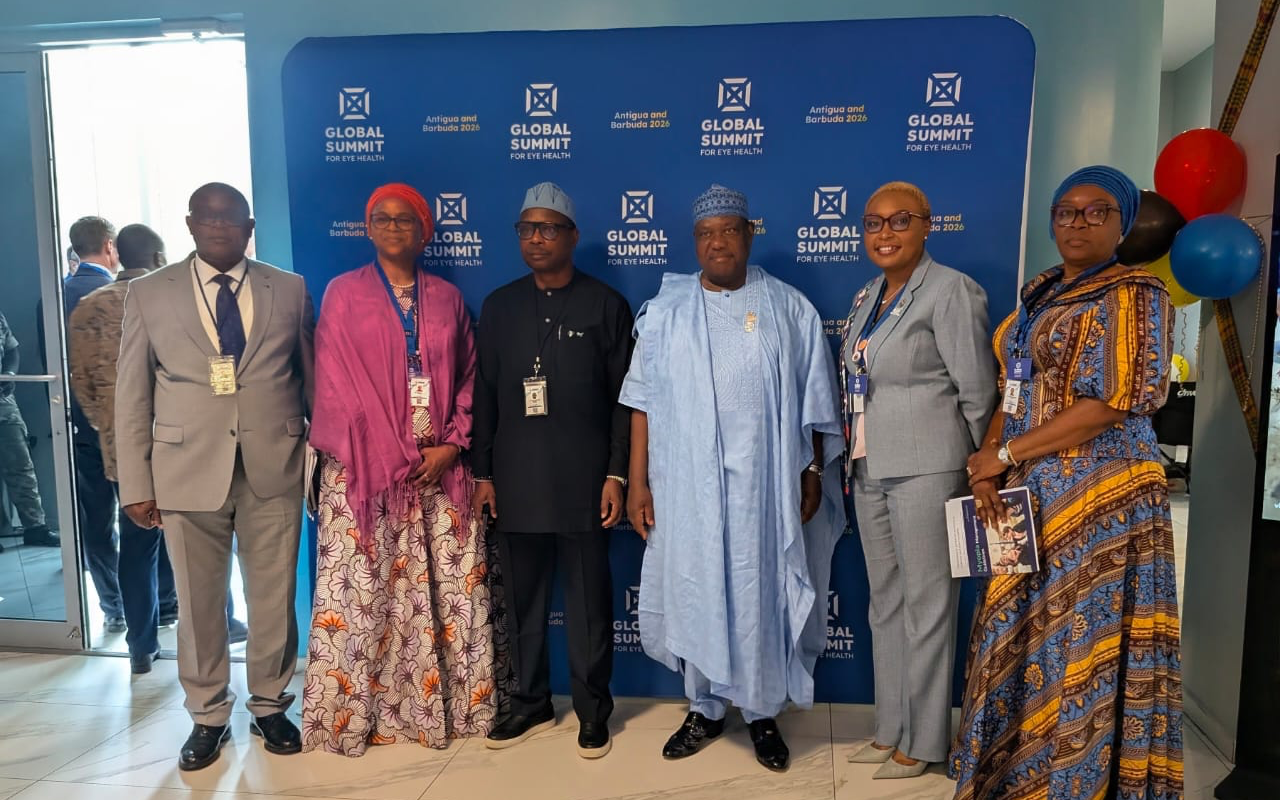
Nigeria has pledged to provide five million pairs of reading spectacles and 25,000 fully subsidised cataract surgeries by 2027 as part of efforts to expand access to eye care services nationwide.
The Minister of State for Health and Social Welfare, Iziaq Salako, announced the commitments at the Global Summit for Eye Health held in St John’s, Antigua and Barbuda, on 2 November.
Mr Salako, who delivered the closing address at the summit, said the federal government would also train 15,000 primary healthcare workers and integrate primary eye care services into the Basic Health Care Provision Fund (BHCPF).
He said the commitments formed part of Nigeria’s efforts to eliminate avoidable vision loss and expand access to quality eye care, particularly among vulnerable populations.
According to him, the government is targeting more than 25 million vulnerable Nigerians, especially women, older people and residents of underserved rural communities.
Nigeria’s eye health targets
Mr Salako said Nigeria would also work to increase its active eye care workforce by 20 per cent and raise its national Effective Cataract Surgical Coverage (eCSC) by 30 percentage points by 2030.
He said the government would mobilise domestic public and private sector resources and collaborate with Commonwealth and international partners to ensure the commitments translate into measurable progress.
Mr Salako said Nigeria’s approach would build on the Effective Spectacle Coverage Initiative Nigeria, also known as JigiBola 2.0, which draws inspiration from the JigiBola programme introduced in Lagos State about 25 years ago.
He recalled volunteering as a young medical officer during the original programme, which provided free eye screening, spectacles and cataract surgeries.
Mr Salako said the initiative was now being expanded through a national programme to improve access to eye care.
Elimination of cataract blindness
Mr Salako said one of the major outcomes of the summit was a commitment to eliminate cataract-related blindness through the World Health Organisation’s (WHO) Global Cataract Surgery Initiative, known as SEE 2045.
He said Nigeria was among the beneficiary countries under the initiative, alongside Antigua and Barbuda, Bangladesh, Tanzania and China.
According to him, the initiative makes cataract elimination the second global elimination target for a non-communicable disease in WHO history.
He urged participating countries to demonstrate that expanding access to quality cataract surgery, including in rural communities, was achievable.
Mr Salako also called for proper documentation of successes and outcomes to enable countries to share implementation strategies and address the backlog of cataract surgeries.
He said avoidable vision loss had consequences beyond individual health, affecting education, household income, road safety and national productivity.
“When a child cannot see the chalkboard, or an artisan or farmer is blinded by cataracts or uncorrected refractive errors, an entire community pays the price,” he said.
Global partnerships
Mr Salako said the summit secured $60 million in philanthropic commitments to support assistive technology, alongside 15 private-sector commitments valued at more than $468 million to accelerate eye care implementation.
READ ALSO: Nigeria needs N104bn yearly for health security plan – NCDC
He added that organisations had made about 143 other commitments beyond those made by governments.
Mr Salako said the commitments demonstrated the importance of partnerships between governments, the private sector, philanthropic organisations and international development partners in improving global eye health.
He called on participating countries to sustain the momentum generated at the summit and ensure that the commitments translated into tangible improvements for people living with avoidable vision loss.
“Let us return to our respective nations as champions of sight, holding ourselves accountable to the millions who are waiting not for miracles, but for a pair of glasses, a timely referral, or a fifteen-minute surgical intervention that can restore their world,” he said.
Discover more from Premium Times Nigeria
Subscribe to get the latest posts sent to your email.
-

 News3 days ago
Plateau APC 2027 Campaign Council inaugurated today in Jos
-
News4 days ago
NPFL Matchday 11: Shooting Stars Run Riot, Rivers United Held by Rangers as Bendel, Kano Pillars Claim Away Wins
-
News3 days ago
Nigerians’ data appetite drives MTN Nigeria revenue to ₦2.68tn – Technology Times
-
Business4 days ago
Africa’s downstream petroleum sector at defining point of transformation – NMDPRA’s ex-CEO