Education
Riyom Council Executes New Police, Health and School Projects Amid Security Push


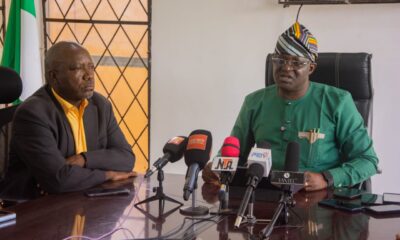
Executive Chairman of Riyom Local Government Council, Hon. Bature Sati Shuwa, has embarked on a landmark tour of the local government area to commission a series of projects executed under his administration, all aimed at strengthening security, improving healthcare delivery, and enhancing education.
The tour began in Ganawuri District with the commissioning of the newly renovated Danwal Police Station. Speaking at the event, Hon. Shuwa stressed that ensuring security is a shared duty, urging residents to collaborate with security agencies to sustain peace. He disclosed that beyond renovating the station to a befitting standard, the council also donated a brand-new motorcycle to support police surveillance operations.
Shuwa appealed to citizens to diligently safeguard the projects sited in their communities and reaffirmed his commitment to delivering people-oriented initiatives that will accelerate development and improve livelihoods across Riyom.
Former Minister of Sports, Hon. Damishi Sango, who spoke on behalf of the Danwal community, hailed the Chairman’s focus on security, noting that “without security, nothing will move and no one will sleep.” He further appealed to the council and the Plateau State Government to provide a functional patrol vehicle to bolster law enforcement efforts.
Leader of the Riyom PDP Elders Forum, Ngo Mary Dang, also commended the Chairman for executing impactful projects despite the council’s limited resources, much of which she said had been channelled into addressing persistent security challenges.
From Ganawuri, the Chairman moved on to commission additional projects, including two newly constructed Primary Health Care centres in Wereng and Tahoss. The facilities are expected to improve access to basic healthcare, support safe maternal delivery, and reduce infant mortality.
Other projects inaugurated include the renovated three-classroom block and office at LEA Primary School, Kyi, aimed at improving learning conditions and boosting enrolment; the new Plateau State Independent Electoral Commission (PLASIEC) office in Riyom, replacing the vandalized old structure and enhancing administrative readiness for future elections; and a solar-powered cold-chain facility funded by the German Government (GIZ) and implemented by the Norwegian Refugee Council (NRC) in collaboration with the council, designed to preserve vaccines and essential drugs used in preventing and treating zoonotic diseases.
At LEA Primary School, Kyi, an elated crowd of pupils and mothers sang and danced in appreciation of what they described as a timely and life-changing intervention.
The commissioning ceremony featured goodwill messages from dignitaries including the Deputy Chairman, Hon. Gwong Song; Riyom PDP Chairman, Hon. Tama Song; Secretary of the Riyom Elders Forum, Da Yusuf Kwon; Gwom Tahoss, Da Kim Dalyop; Gwom Wereng, Da Davou Gyang; Head Teacher of LEA Primary School, Kyi, Mrs. Martha Mwanti; among other stakeholders, all of whom applauded the Chairman’s developmental strides.
Hon. Shuwa was accompanied throughout the tour by members of the council’s management team, directors, party leaders, traditional rulers, political appointees, security officials, and supporters.





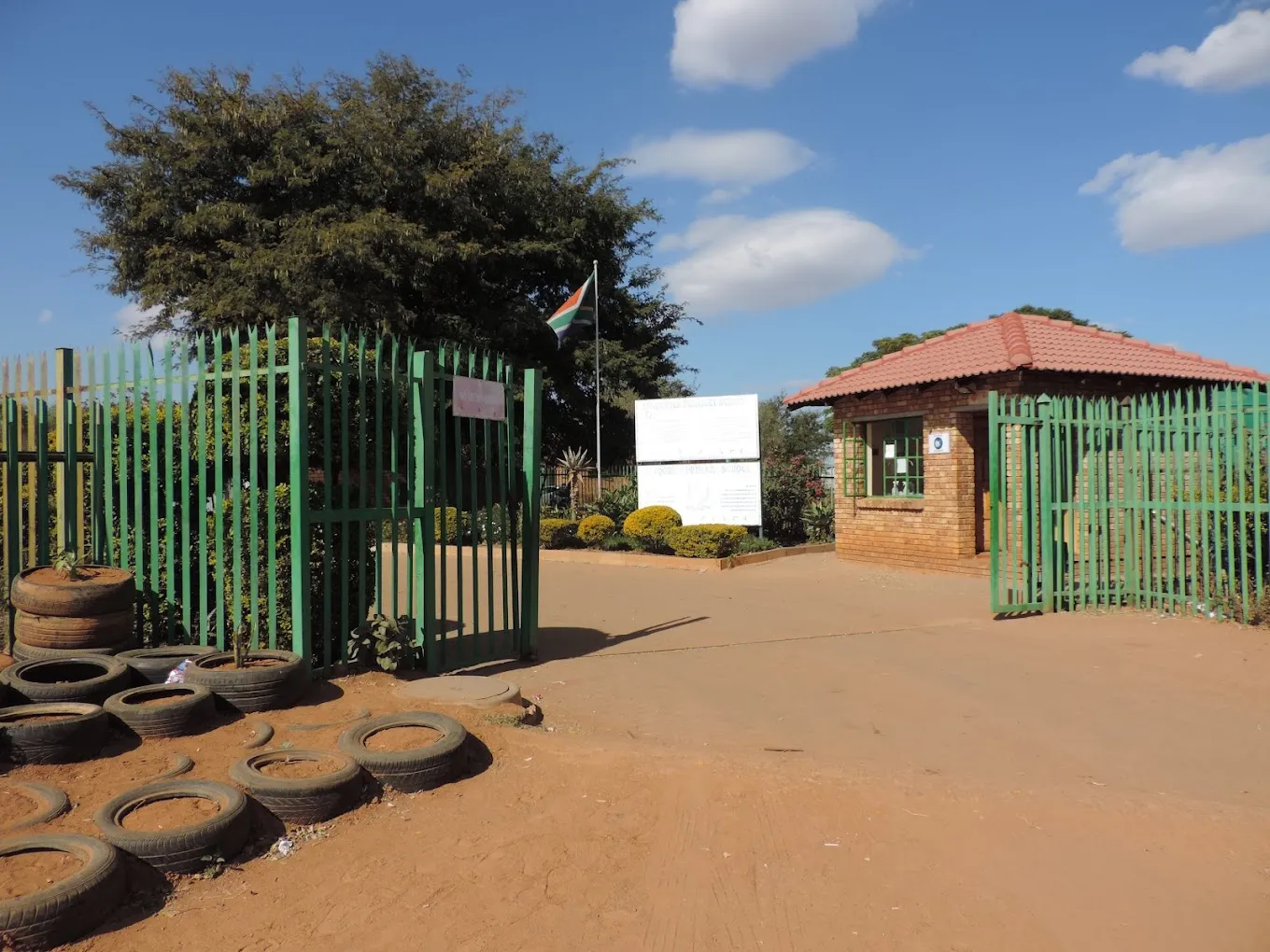
An 11-year-old pupil at Sinqobile Primary School in Soshanguve, South Africa, was allegedly dragged into a school toilet and forcibly circumcised by four older students during break time.
The Grade 5 pupil was reportedly attacked by four Grade 7 students, who allegedly pinned him down before one of them used a sharp blade to remove his foreskin.
The boy was also allegedly threatened with violence if he disclosed the incident to anyone.
According to his mother, the child returned home after the incident but initially refused to tell her what had happened. She later noticed that he was walking unusually and, days later, discovered that he was in severe pain.
The mother said her son eventually showed her his swollen private parts, prompting her to rush him to a doctor.
“He then showed me his swollen private parts and I rushed him to the doctor and it was then that we learned four pupils had circumcised him,” she said.

She said her son told her that the older boys had attacked him in the school toilets during break and threatened to beat him if he told anyone.
The mother subsequently opened a criminal case and refused to allow her son to return to school. Police later persuaded the boy to attend an identity parade, where he reportedly helped identify the four students.
South African Police Service spokesperson, Captain Tintswalo Sibeko, confirmed that a case of assault with intent to cause grievous bodily harm was being investigated.
“Our Family Violence, Child Protection and Sexual Offences Unit are investigating and no arrests have been made at this stage,” Sibeko said.
The Gauteng Department of Education also confirmed that the matter was under police investigation, while saying the school had not reported any similar circumcision attacks.
Deputy Principal George Mahlungu said the school was shocked by the incident.
“We are perplexed by what happened. This school is a place where a child should be safe,” he said.
The school has about 2,050 pupils between the ages of seven and 15.
A doctor who examined the boy reportedly said the procedure appeared to have been carried out in a manner similar to traditional tribal initiation practices. However, the doctor said a full diagnosis could not be made until the swelling subsided.
The boy’s mother said her son had become traumatised by the incident and was afraid to return to school.
Police investigations are ongoing, and no arrests had been made as of the latest report.
-

 News3 days ago
Troops rescued 70 abductees, recovered N10 million ransom: DHQ
-
Business3 days ago
CBN grants JP Morgan approval-in-principle to set up merchant bank
-
News3 days ago
Plateau Activates Ebola Preparedness Measures, Urges Residents to Observe Safety Guidelines
-
Business3 days ago
REA Ends 16 Years of Darkness in Two Kano Communities