Health
PWD Association Calls for Stronger Inclusion, Commission at International Wheelchair Day in Jos

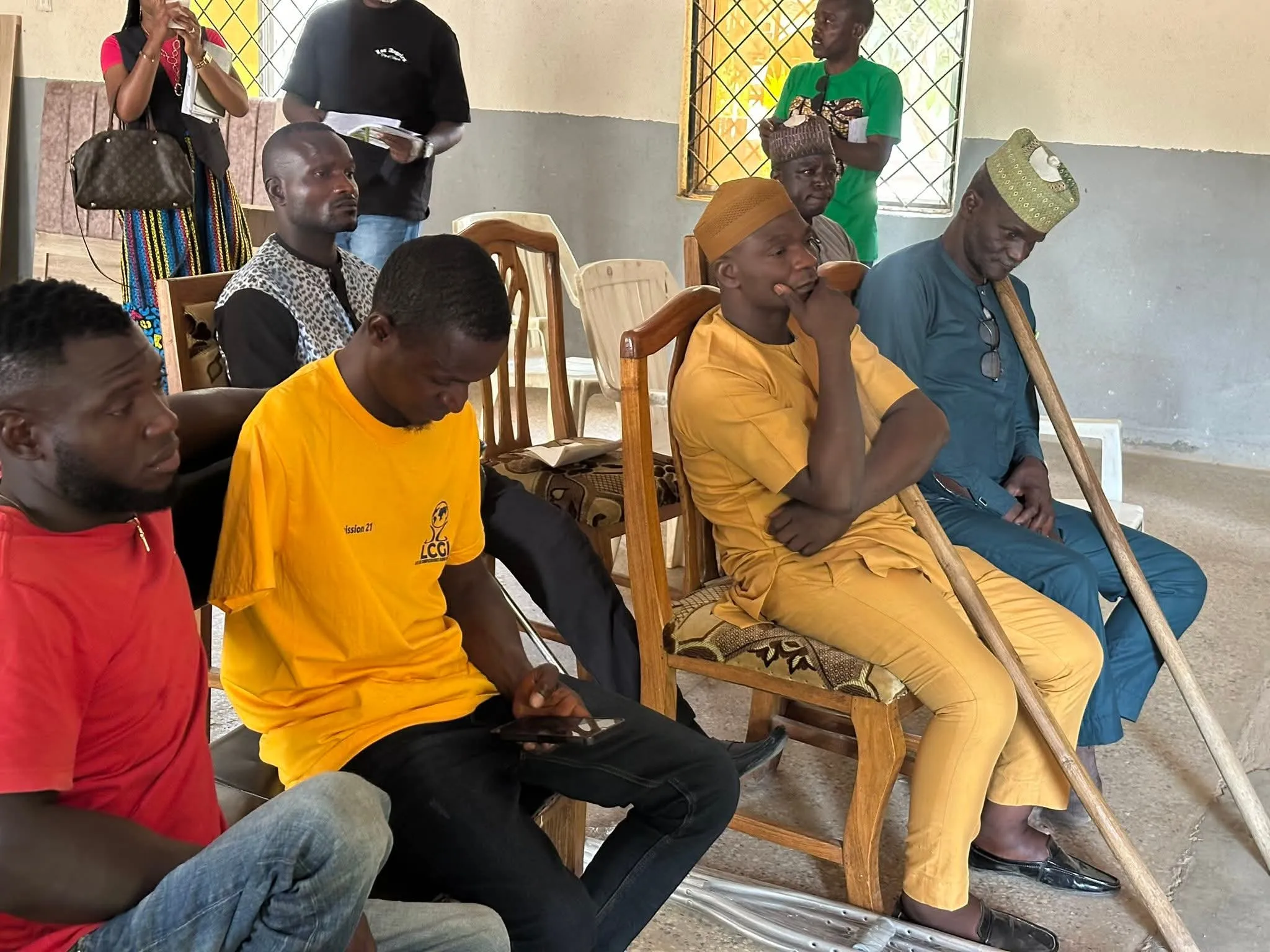
The National Association of Persons with Disabilities (NAPWD), Plateau State chapter, has called for stronger government action toward disability inclusion, including the immediate constitution of the Plateau State Disability Rights Commission.

The appeal was made by the State Chairman of the association, Gotau Kitgak Munbupba, in a press statement delivered on Saturday in Jos to mark International Wheelchair Day.
Speaking during the event, Munbupba said the day is globally recognized to celebrate the transformative role of wheelchairs in enhancing mobility, independence, and participation in society for persons with disabilities.
“For many individuals, a wheelchair is not just a device but a gateway to education, employment, and social engagement,” he said, noting that the occasion also highlights the challenges faced by those without access to mobility aids and inclusive environments.

He commended Bola Ahmed Tinubu for appointing a person with disability to head the National Commission for Persons with Disabilities, describing the move as a step in the right direction, while stressing that more needs to be done.
The chairman also appreciated the Plateau State Government for its support and commitment to the welfare of persons with disabilities but urged the administration to take further decisive steps to strengthen inclusion across the state.
Key among the demands, he said, is the proper establishment of the Plateau State Disability Rights Commission to safeguard the rights and promote the welfare of persons with disabilities.
Munbupba further called for increased representation of persons with disabilities in governance, advocating for their appointment into key positions such as Special Adviser, Senior Special Assistants, and Special Assistants on disability matters.
He also urged local government councils yet to appoint supervisory councillors representing persons with disabilities to do so without delay, emphasizing that inclusive governance is essential for sustainable development.
The NAPWD chairman appealed to the National Assembly, judiciary, and the general public to prioritize accessibility in the design and construction of public infrastructure, ensuring that the needs of wheelchair users are adequately considered.
He concluded by appreciating members of the media for amplifying the voices of persons with disabilities and promoting advocacy for inclusion.
International Wheelchair Day is observed annually to promote awareness on the importance of accessibility, inclusion, and dignity for persons living with disabilities.


Health
Plateau State commenced a 3days regional training programme aimed at strengthening the capacity of laboratory scientists to deliver accurate malaria diagnosis across selected states in Nigeria.
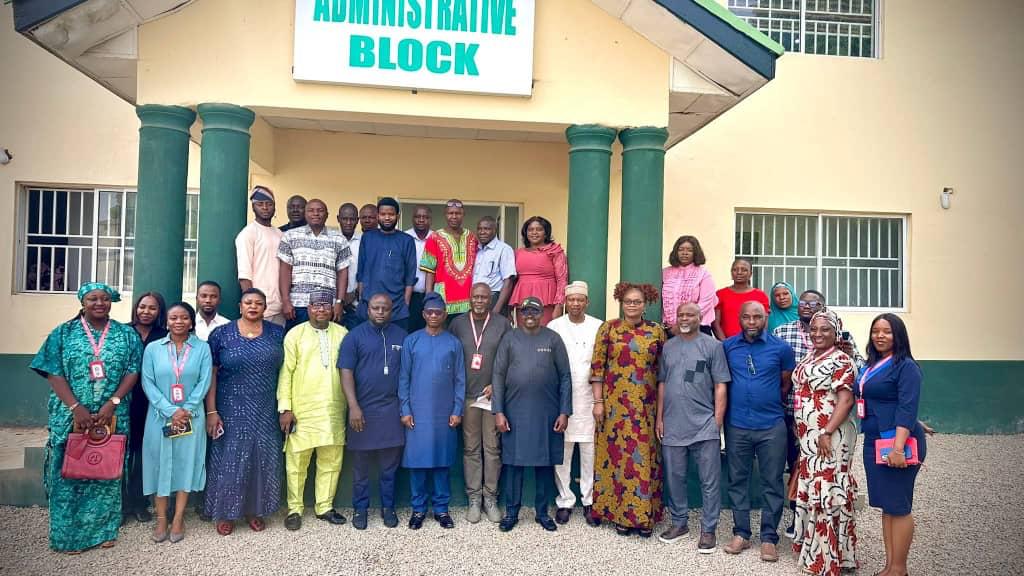
The training was organized by REACH Malaria Project in collaboration with National Malaria Elimination Program and Plateau State Ministry of Health through the State Malaria Elimination Program (SMEP) hosted at the Plateau State Specialist Hospital laboratory which was recently built and equipped by Governor Caleb Mutfwang under “the time is now administration”
Participants drawn from Plateau, Benue and Kebbi States are taking part in the training, which is designed to enhance laboratory scientists’ skills in microscopic malaria diagnosis under the mantra “Supporting a Culture of Quality.”
Speaking on behalf of the Plateau State Commissioner for Health, the Chief Medical Director of Plateau State Specialist Hospital, Prof Christopher Yilgwan, said the training targets selected laboratory scientists who already possess basic diagnostic skills and are expected to serve as supervisors and mentors for other health workers in their respective facilities.

According to him, the programme involves participants from multiple states and focuses on improving the accuracy and reliability of microscopic malaria diagnosis in healthcare facilities.
Yilgwan noted that the selection of Plateau State as host was influenced by the high standard of the PLASVERIC Public Health Teaching Laboratory, describing it as a top-notch facility capable of serving as a reference centre for malaria diagnostics.
He also commended Plateau State Governor Caleb Mutfwang for upgrading the laboratory to international standards, a development he said has attracted partnerships and training opportunities to the state.


The Program Manager, Plateau State Malaria Elimination Program, Nurse Ndak Kizito Zuhumnan, said the training reflects the foresight of the Plateau State government in prioritising improvements in the health sector and creating an enabling environment for partners to support healthcare delivery.
He explained that the training is specifically designed to enhance the competence of laboratory scientists in the use of microscopy for malaria diagnosis, noting that accurate diagnosis remains critical to effective treatment and malaria control efforts.
Zuhumnan added that participants drawn from tertiary hospitals, private facilities and primary healthcare centres will return to their various institutions after the training to support peer learning, provide mentorship and strengthen quality assurance processes in malaria diagnosis.
According to him, the ripple effect of the training will extend beyond the participating institutions as trained scientists will also support community-level malaria services through supervision and quality checks to ensure that diagnostic results used for treatment are accurate and reliable.
He further noted that the presence of participants from other states for the training demonstrates the growing recognition of Plateau’s improved laboratory infrastructure, stressing that the upgrades carried out at the facility have positioned the state as a reference point for diagnostic training and public health collaboration.
Senior Diagnostic Specialist with the REACH PATH Project, Ojo Abiodun, said the training is part of efforts to strengthen malaria diagnostic services across supported states through capacity building for medical laboratory scientists.


He said the REACH project, funded by the United States Department of State, supports Nigeria’s efforts to improve malaria diagnosis and treatment outcomes by ensuring that test results used for treatment decisions are accurate and reliable.
Abiodun added that the training is facilitated by World Health Organization-certified Level 1 expert microscopists, who are equipping participants with advanced skills in malaria microscopy.
According to him, participants selected for the training had previously completed basic malaria microscopy training recommended by national and global health authorities and were chosen to further strengthen their supervisory capacity.
Welcoming the experts Dr Alice Pam-Tok the Plateau State Coordinator REACH project said the training, improved quality assurance in malaria diagnosis is critical to ensuring effective treatment and reducing malaria-related illness and deaths in affected communities.
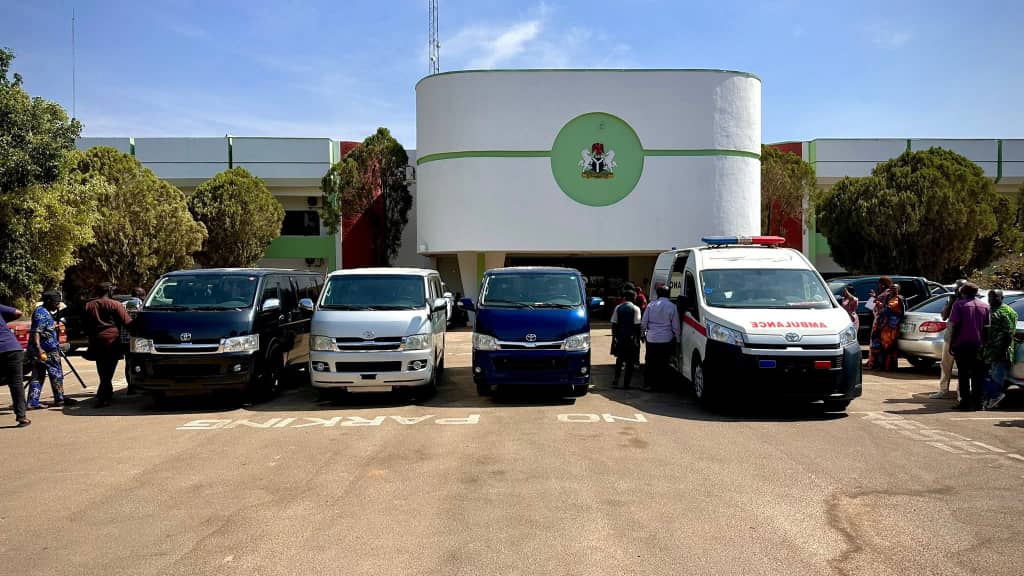
The Plateau State Government has presented three buses and one ambulance to key health institutions as part of efforts to enhance service delivery and strengthen the healthcare system in the state.
The vehicles were distributed to the Plateau State Specialist Hospital, the Plateau State Primary Health Care Board, and the Plateau State Ministry of Health to improve their operational capacity.
The items presented include a 2025 model ambulance and a 14-seater Toyota HiAce bus for the Plateau State Specialist Hospital, as well as additional Toyota HiAce buses for the Primary Health Care Board and the Ministry of Health.
Presenting the vehicles at Government House, Rayfield, Jos, Governor Caleb Mutfwang, represented by the Secretary to the State Government, Arch. Nanchang Samuel Jatau, said the gesture is part of ongoing efforts to revitalise the health sector.
Jatau acknowledged the challenges facing the sector, including limited funding and competing demands, noting that the government is taking gradual but steady steps to address critical needs.

He described the provision of a functional ambulance to the Plateau State Specialist Hospital as timely, expressing concern that the facility previously lacked a working ambulance. He added that the buses would ease movement for staff and enhance service delivery across the benefiting institutions.

Jatau urged the management of the agencies to ensure proper use and maintenance of the vehicles, stressing the need for responsible handling to guarantee durability and continued service to the people.
In his remarks, the Commissioner for Health, Nicholas Bamlong, expressed appreciation to the state government for prioritising the health sector.
He noted that the administration had earlier provided six ambulances to support the state’s emergency response system, describing the additional ambulance for the Plateau State Specialist Hospital as a significant boost.
Bamlong assured that the vehicles would be used strictly for official purposes to improve healthcare delivery, adding that measures would be put in place to monitor their usage and ensure accountability.


Also speaking, the Chief Transport Officer in the Office of the Secretary to the State Government, Bitson Alexander, said the vehicles were procured to enhance official operations and improve efficiency within the health sector.
The development is part of broader efforts by the Plateau State Government to strengthen healthcare infrastructure and ensure improved access to quality medical services for residents.