Business
Nigeria’s inflation eases to 14.63% in September

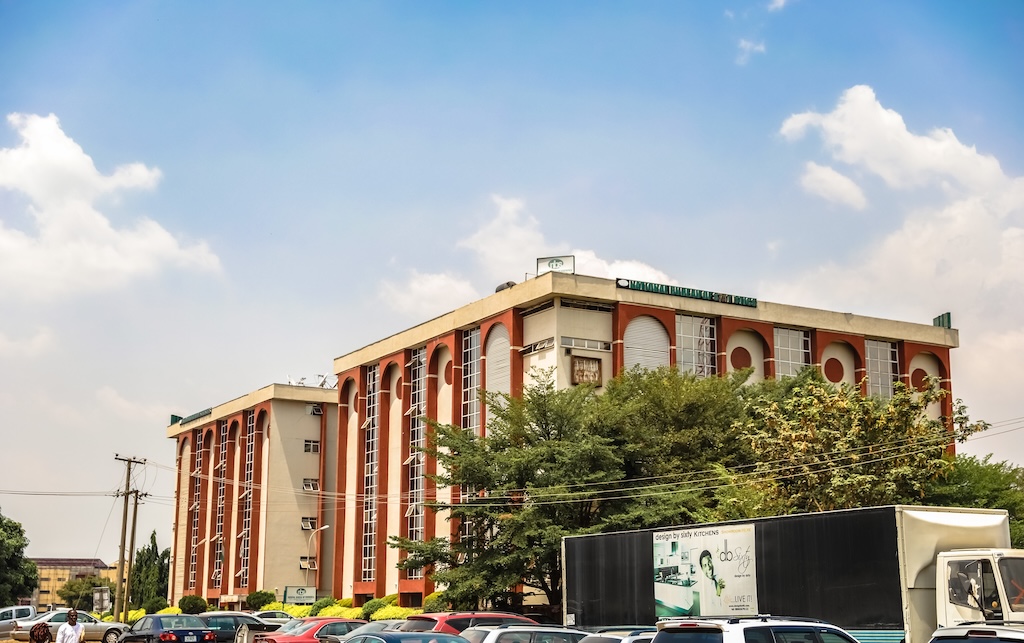
Nigeria’s headline inflation rate edged down to 14.63 per cent in September, from 15.39 per cent a month earlier, official data from the National Bureau of Statistics showed on Thursday, as the pace of increase in price levels continues to slow in Africa’s most populous country.
The development extends the downward trend in annual consumer inflation recorded in recent months, with inflation dropping marginally to 15.39 per cent in August from 15.43 per cent in July.
Food inflation stood at 19.59 per cent year-on-year in September, slightly higher than the 19.57 per cent recorded in August, but lower than the 20.16 per cent reported in September 2025.
Food accounts for a substantial share of household expenditure, particularly among lower-income households.
Core inflation, which excludes volatile items like agricultural produce and energy prices, stood at 12.95 per cent year-on-year in September, down from 13.29 per cent in August and 22.11 per cent in September 2025.
The annual figure indicates a continued slowdown in price increases outside the more volatile food and energy components.


The divergence between the annual and monthly figures suggests that, although underlying inflation has moderated considerably over the past year, some price pressures persisted during September.
Despite the slowdown in inflationary pressures, Nigeria continues to face a cost-of-living crisis, principally on account of elevated food prices and energy costs, which have hammered the disposable income of many households.
The drop in living standards has been fuelled by tough economic reforms introduced by the current administration, including the removal of fuel subsidies, devaluation of the naira and a prolonged hawkish monetary policy stance.
The statistics office’s data also reflected differences between inflation in urban and rural areas.
READ ALSO: CBN restates single-digit inflation target as FG woos investors with tax credits
Urban inflation stood at 15.64 per cent year-on-year in September, down from 20.63 per cent in the corresponding month of 2025. Rural inflation was lower at 12.46 per cent year-on-year, compared with 21.06 per cent in September 2025.
What the figures mean
The September data point to a further slowdown in Nigeria’s inflation rate, with annual headline inflation falling for another month.
A fall in annual inflation means that prices are rising more slowly than they did over the corresponding period a year earlier. A negative monthly rate, such as the September food inflation figure, means that average prices in the measured basket declined compared with the previous month.
With annual food inflation still at 19.59 per cent, the September figures show that the pace of food price increases has moderated over the past year, while the average cost of food remains higher than it was a year ago.
Discover more from Premium Times Nigeria
Subscribe to get the latest posts sent to your email.


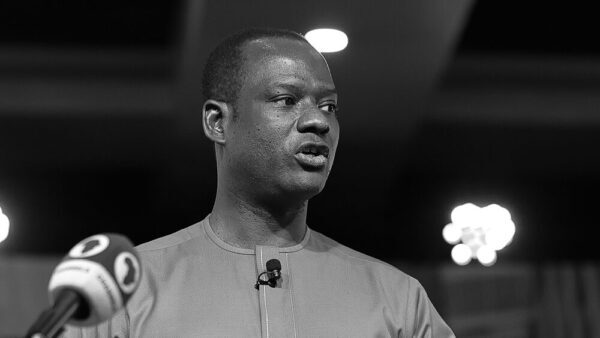
Nigeria’s Finance Minister and the Coordinating Minister of the Economy, Taiwo Oyedele, on Wednesday said the country is fortunate to have President Bola Tinubu at the helm of affairs at a time of economic challenges and global uncertainty.
Mr Oyedele made the remark on Wednesday on the sidelines of the World Bank/International Monetary Fund (IMF) meetings in Bangkok, Thailand, where he praised the president for his willingness to implement difficult economic reforms and his understanding of economic and monetary policy issues.
“I say to myself every time that Nigeria is lucky to have a leader like Mr President,” the minister said.
“A leader that says ‘I’ll do the right thing, even when it’s not popular’. There are so very few of them, and our president is not saying it; he’s doing it, he’s doing it even with pre-election (concerns),” he added.
Since assuming office in May 2023, the Tinubu administration has introduced a series of economic reforms, the impact of which international institutions like the World Bank and the IMF have acknowledged
The reforms include the removal of costly petrol subsidies, which had been a major drain on public finance for years, the unification of the foreign exchange rates and the sharp devaluation of the naira to attract foreign capital.
Although abolishing fuel subsidies has boosted government revenue and is seen as an investor-friendly move, it has triggered a cost-of-living crisis and spurred inflationary pressures.
Reforms in the foreign exchange market have helped increase accretion to external reserves, which stood at $55.1 billion as of 9 October, its peak level in over 18 years.
The banking sector also underwent a recapitalisation exercise that ended in March and helped Nigerian banks raise N4.7 trillion in new capital.
According to the Central Bank of Nigeria, the recapitalisation strengthened banks’ capital adequacy ratios, keeping the sector above international Basel benchmarks.
Mr Oyedele said President Tinubu possesses two attributes uncommon among leaders, notably those of democratic governments.
READ ALSO: AFC appoints Cardoso as board chairman
The first is his willingness to do what he considers right, even when the decision is unpopular or politically difficult.
“I remember at least three issues that were discussed with him recently, and on my own I would offer to say ‘maybe we wait until after the election’. And his question is always, ‘Is it the right thing to do?’ Yes, yes, it is. Why do we have to wait?” Mr Oyedele said.
“Number two attribute is that our President gets it. It’s not easy to understand issues to do with the economy, finance, monetary policy, like respect for the independence of the monetary authority. For Mr President, it’s 100 per cent,” he added.
The minister added that the president’s position on such matters has made it unnecessary for officials to discuss the issue with him repeatedly.
“We don’t even talk about it. So, I feel like we are so blessed, we cannot afford to wait even one minute,” he said.
Discover more from Premium Times Nigeria
Subscribe to get the latest posts sent to your email.
-

 News3 days ago
Meta releases its first frontier model, Muse Wonder
-
News3 days ago
EuroMatch NPFL: ‘We Never Gave Up!’ — Fidelis Ilechukwu Hails Rangers’ Fighting Spirit, Reacts to Two Penalties Against Barau FC
-
News4 days ago
Will the HomeView be Apple’s first smart home success?
-
Health3 days ago
Kwara public hospitals introduce digital medical records