News
Vote Zang Global Limited for the NASENI InnovateNaija Challenge







News
APC Appoints SSA Adeboye to Presidential Campaign Council’s Security and Intelligence Directorate

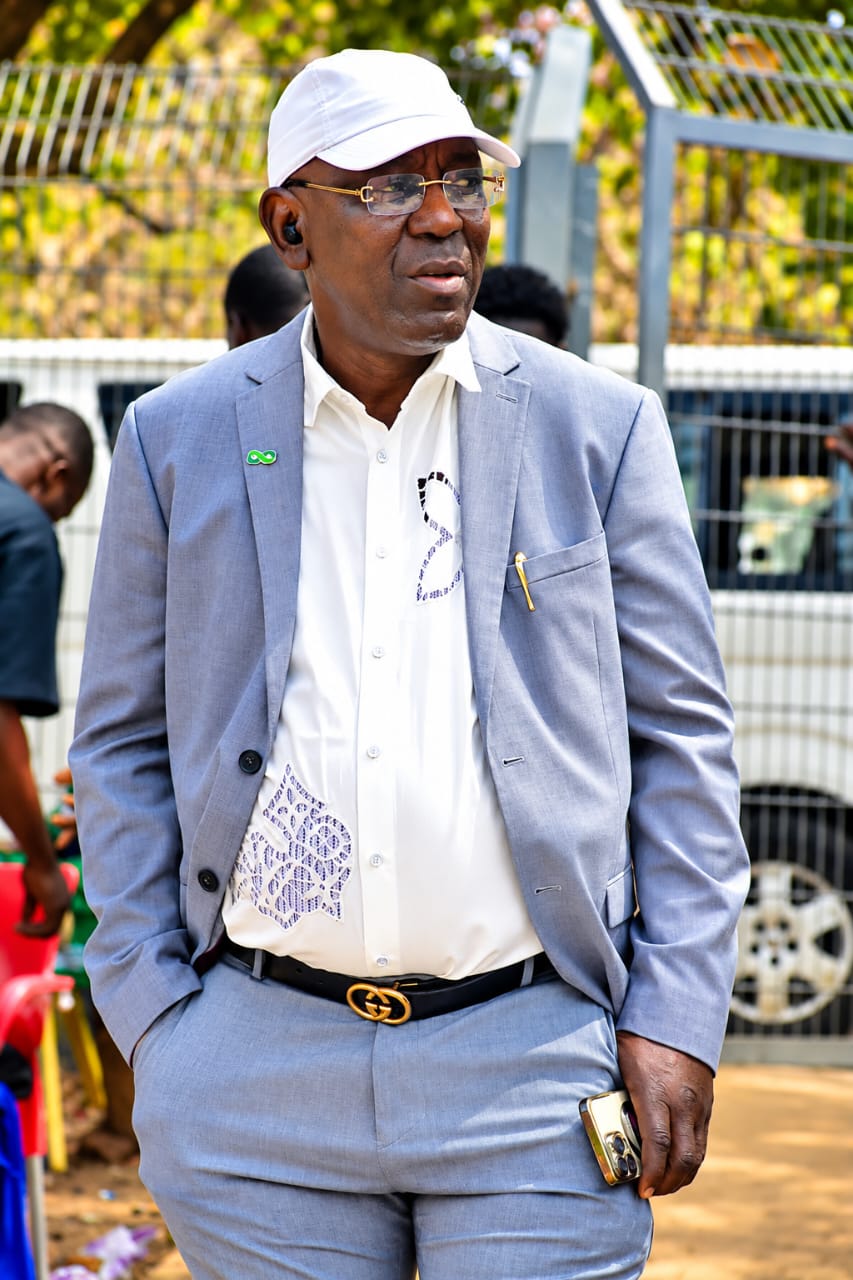
The Senior Special Assistant to the President on Grassroots Sports Development, Hon. Adeyinka Anthony Adeboye, has expressed appreciation following his appointment as a member of the Directorate of Security and Intelligence of the All Progressives Congress (APC) Presidential Campaign Council.
The appointment, announced on Monday in Abuja, adds another responsibility to Adeboye’s public service portfolio and reflects his involvement in national assignments beyond his primary mandate of grassroots sports development.
Reacting to the development, Adeboye described the appointment as an honour and a call to greater responsibility, pledging to approach the assignment with diligence, loyalty and integrity.
“I remain committed to serving with diligence, loyalty and integrity. I pray that Almighty God grants me the wisdom, strength and guidance to discharge this responsibility successfully,” he said.
The Presidential aide expressed appreciation to the leadership of the APC and the Presidential Campaign Council for the confidence reposed in him, noting that every responsibility entrusted to an individual demands commitment, discipline and accountability.
“I am deeply honoured by this opportunity and look forward to making meaningful contributions to the success of the assignment,” Adeboye added.
His appointment comes alongside his continuing responsibilities as Senior Special Assistant to President Bola Ahmed Tinubu on Grassroots Sports Development, where he has been involved in initiatives aimed at strengthening grassroots participation, youth empowerment and talent development across Nigeria.
Adeboye has consistently advocated for a more structured approach to sports development, particularly the establishment of sustainable pathways through which talented young Nigerians can progress from schools and communities to national and international competitions.
He is also involved in preparations for the National Grassroots Sports Development Summit 2026, scheduled for November 18 and 19 at the Banquet Hall, State House, Presidential Villa, Abuja.
The Summit, themed “Creating a New Pathway for Sustainable Grassroots Sports Development,” is expected to bring together stakeholders to examine the challenges confronting grassroots sports and identify practical solutions for long-term development.
Adeboye maintained that his latest appointment would be approached with the same sense of responsibility that has guided his public service engagements.
He expressed confidence that cooperation, professionalism and dedication would remain essential to discharging the duties associated with the new assignment.
The Presidential aide also prayed for wisdom and divine guidance as he undertakes the additional responsibility.
“Every opportunity to serve comes with expectations. I accept this responsibility with humility and a determination to contribute my experience and best efforts towards the assignment entrusted to me,” he stated.
The appointment marks another chapter in Adeboye’s public service career as he continues his work in grassroots sports development while taking on additional responsibilities within the APC Presidential Campaign Council.
-

 News3 days ago
EuroMatch NPFL: Ikorodu City Return to Winning Ways as Salami, Ikechukwu Sink Kwara United in Lagos
-
News3 days ago
Petra Power looks to modernize energy for data centers and defense vehicles
-
News3 days ago
Microsoft’s Satya Nadella says AI models need an ‘emergency brake’
-
 News4 days ago
Troops nab three suspects, recover rifle in Plateau