News
Meta releases its first frontier model, Muse Wonder







News
Momentum Builds for Historic Grassroots Sports Summit as SSA Adeboye Hosts Successful Abuja Press Conference

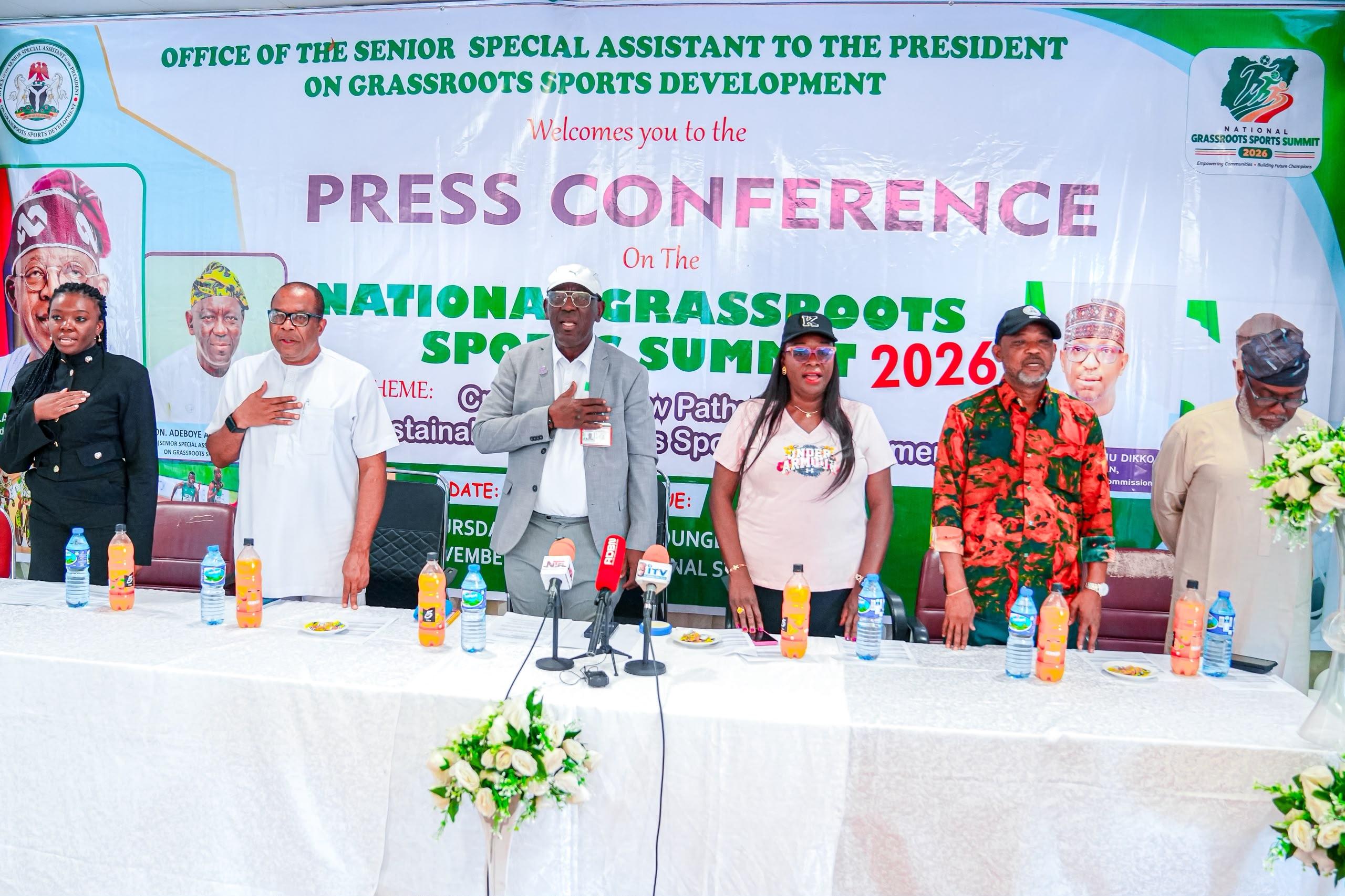
The countdown to the National Grassroots Sports Development Summit 2026 gathered fresh momentum on Thursday as the Senior Special Assistant to the President on Grassroots Sports Development, Hon. Adeyinka Anthony Adeboye, hosted a well-attended and successful press conference at the VIP Lounge, National Stadium, Abuja.
The event attracted sports administrators, government officials, representatives of key institutions, journalists and other stakeholders, demonstrating growing interest in the forthcoming national summit.
Among the distinguished personalities present were Comrade Philip Shaibu, Director-General, National Institute for Sports (NIS); Mr. Kumbi Titiloye, Chairman, Kwara United Football Club; and Ms. Seun Ojo, Head, Public Affairs & Public Policy, Nigerian Economic Summit Group (NESG).
Also in attendance were Barr. Musa Ahmadu, Dr. Ademola Are, Chairman, Accommodation and Logistics Sub-Committee; and Dr. (Mrs.) Kehinde Ajayi, Chairperson, Media Sub-Committee, alongside other members of the organising committee and summit sub-committees.
Addressing the gathering, Adeboye emphasised that the summit represents a major opportunity to redefine Nigeria’s approach to grassroots sports development through sustainable structures for talent discovery, participation and advancement.
He stressed that Nigeria possesses enormous sporting talent, but that many promising youngsters remain undiscovered because of inadequate facilities, limited opportunities and the absence of structured development pathways.
“Somewhere in Nigeria today, a future world champion is waiting to be discovered. Our responsibility is to ensure that such a child is not denied the opportunity to succeed simply because of where they were born or their family’s financial circumstances,” he declared.
The Presidential aide commended President Bola Ahmed Tinubu’s commitment to repositioning Nigerian sports, stressing that the recognition of sporting excellence must be complemented by deliberate investment in young talents across Nigeria’s 774 local government areas.
He explained that the summit would bring together government institutions, sports federations, private investors, development partners and other stakeholders to develop an actionable national roadmap.
The participation of Ms. Seun Ojo, representing the Nigerian Economic Summit Group, further underscored the important role of NESG as the summit’s technical partner in shaping discussions around policy, investment and sustainable sports development.
The press conference also featured contributions from members of the Main Organising Committee and an interactive session with journalists on the summit’s objectives and expected outcomes.
Scheduled for November 18–19, 2026, at the Banquet Hall, State House, Presidential Villa, Abuja, the summit, themed “Creating a New Pathway for Sustainable Grassroots Sports Development,” will focus on five strategic pillars: Participation, Talent Development, Infrastructure, Sports Economy and International Pathways.
Adeboye thanked the dignitaries, stakeholders and media representatives for their support, reaffirming his determination to ensure that the summit delivers practical outcomes capable of transforming grassroots sports development in Nigeria.
-

 News3 days ago
Plateau APC 2027 Campaign Council inaugurated today in Jos
-
News3 days ago
Nigerians’ data appetite drives MTN Nigeria revenue to ₦2.68tn – Technology Times
-
News2 days ago
Plateau Ndigbo Crown Chief Johnson Nwosu as New Igwe
-
News4 days ago
“Brazil Must Be Ready for Nigeria” — SSA Adeboye Hails Flamingos, Backs Girls for Historic World Cup Final